Table of Contents
What Is an Actuated Butterfly Valve?
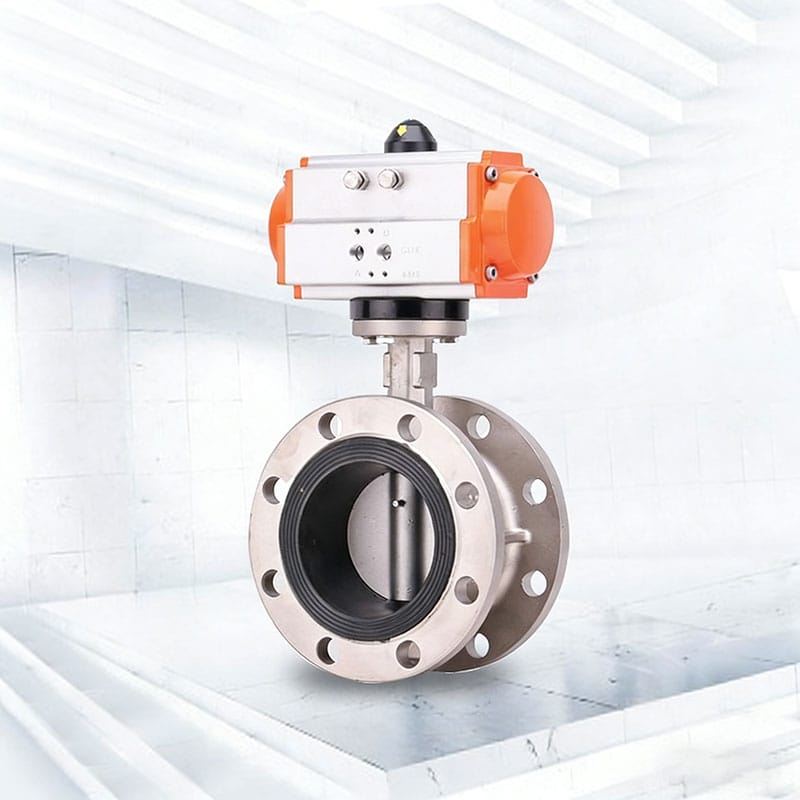
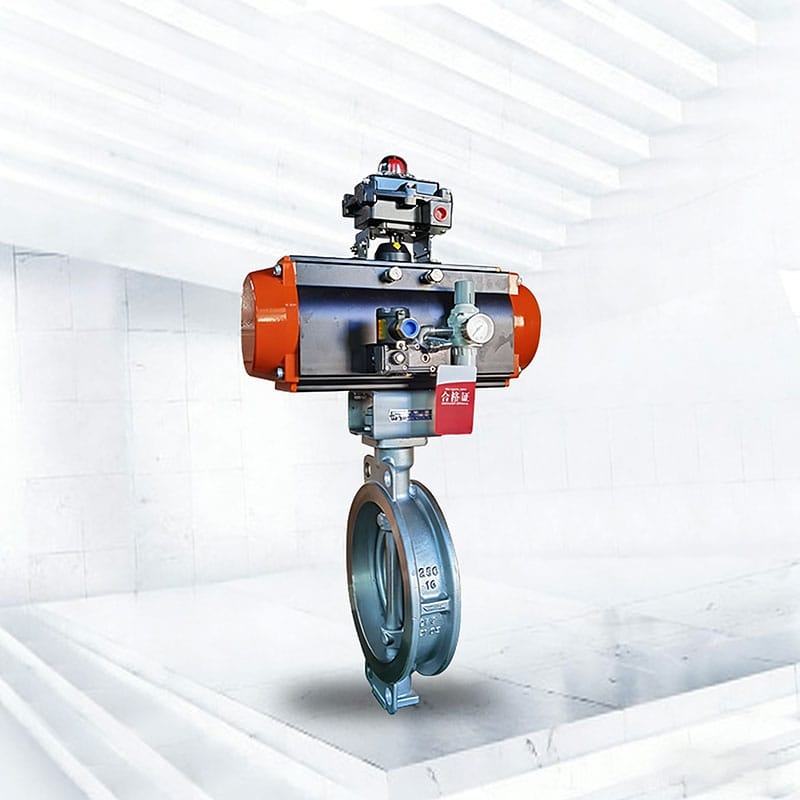
An actuated butterfly valve is a type of quarter-turn valve used to regulate or isolate fluid flow in pipelines. Unlike manual butterfly valves, actuated versions are operated automatically via pneumatic, electric, or hydraulic actuators. This automation allows for precise flow control, faster operation, and integration into industrial control systems.
The key components of an actuated butterfly valve include the valve body, disc, stem, seat, and actuator. Each component is designed for durability and performance under different pressure, temperature, and fluid conditions. As a manufacturer, we ensure that all actuated butterfly valves meet stringent quality standards, guaranteeing reliability and long-term performance in demanding industrial environments.
Types of Actuated Butterfly Valves
Actuated butterfly valves are available in several types, tailored to different operational needs:
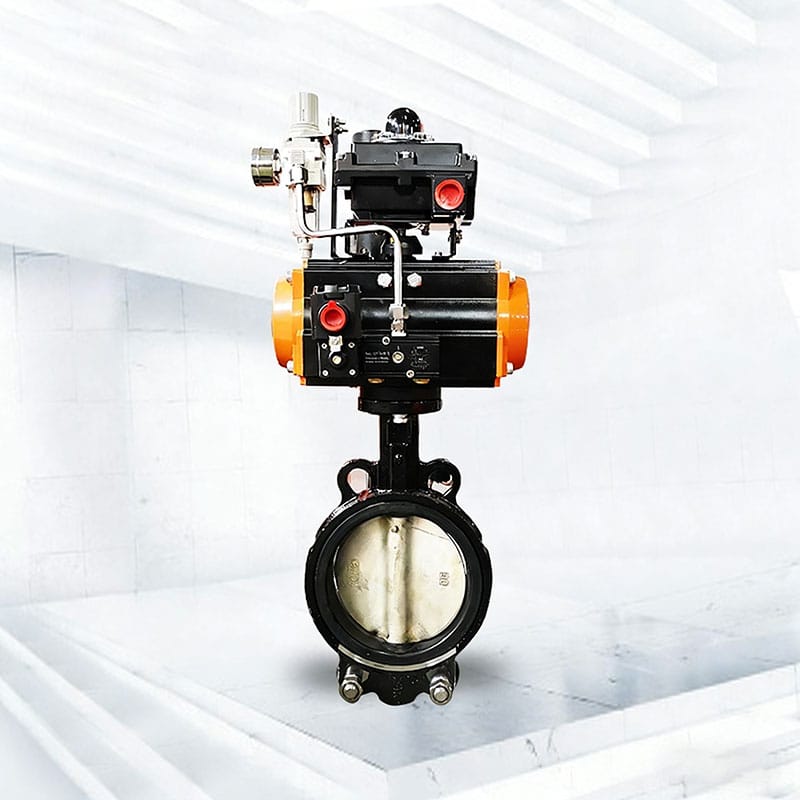
Pneumatic Actuated Butterfly Valve – Uses compressed air to operate the valve. Ideal for fast, repetitive operations and systems that require fail-safe open or closed positions.
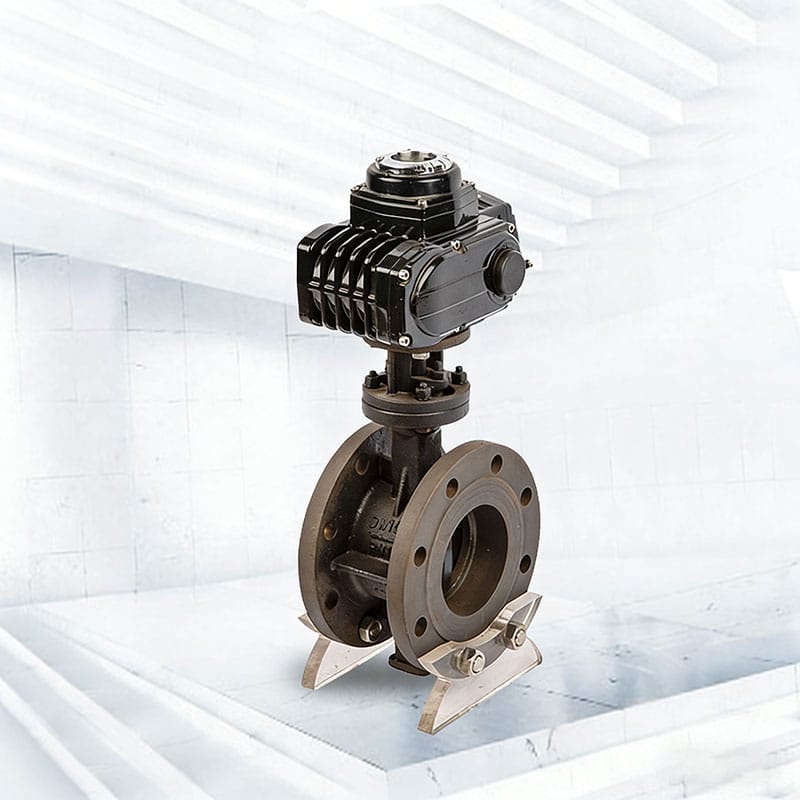
Electric Actuated Butterfly Valve – Operated via an electric motor, offering precise control, remote operation, and integration with automated industrial systems.
Hydraulic Actuated Butterfly Valve – Uses hydraulic fluid to drive the valve. Suitable for high-pressure systems requiring strong actuation force.
Wafer Type vs Lug Type – Wafer type valves are sandwiched between flanges, while lug type valves are bolted to the pipe flanges individually. Both designs support automation, but selection depends on installation requirements and maintenance considerations.
How Actuated Butterfly Valves Work
The operation of an actuated butterfly valve depends on the type of actuator:
- Pneumatic actuators convert compressed air into rotational motion to open or close the disc.
- Electric actuators use a motor and gear mechanism to rotate the valve disc accurately.
- Hydraulic actuators leverage pressurized fluid for smooth, high-torque operation.
The actuator interacts with the valve stem to control the disc position, which regulates fluid flow. Factors such as torque requirements, flow coefficient (Cv), and pipeline pressure must be considered to ensure optimal performance.
Industrial Applications of Actuated Butterfly Valves
Actuated butterfly valves are widely used across multiple industries due to their versatility and efficiency. Common applications include:
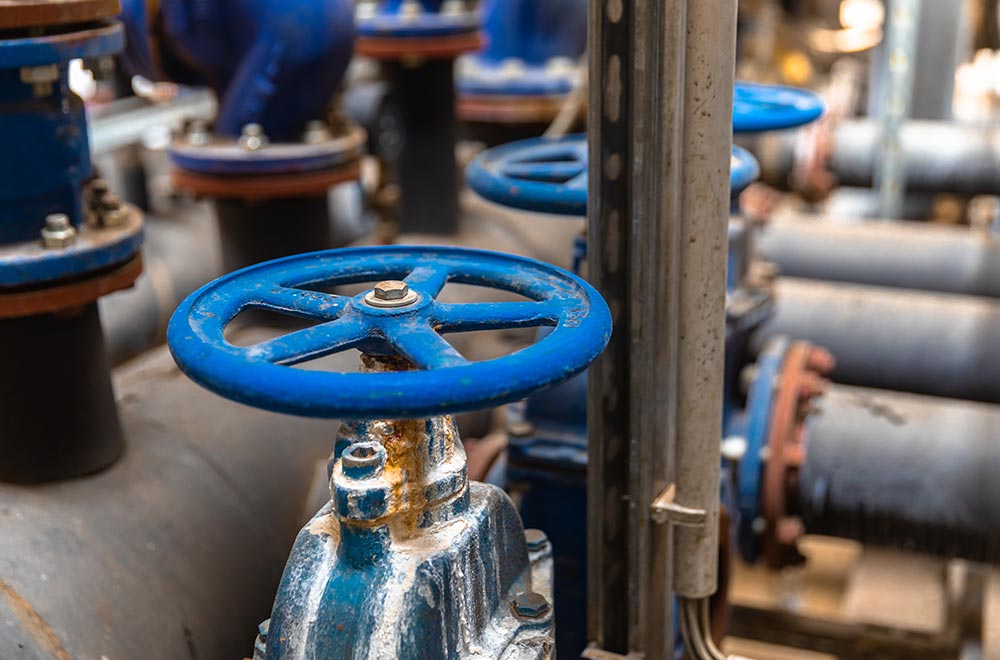
- Water and Wastewater Treatment Plants – Automated valves enable precise flow control in treatment processes.
- Chemical and Petrochemical Industry – Resistant materials ensure safety and longevity in corrosive environments.
- HVAC Systems – Integration with building management systems for energy-efficient operation.
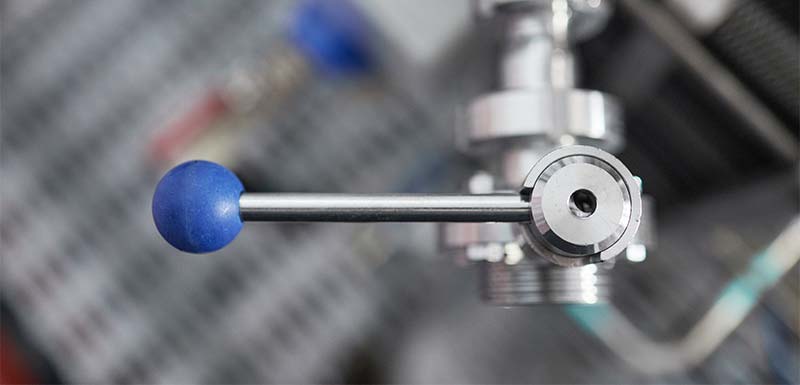
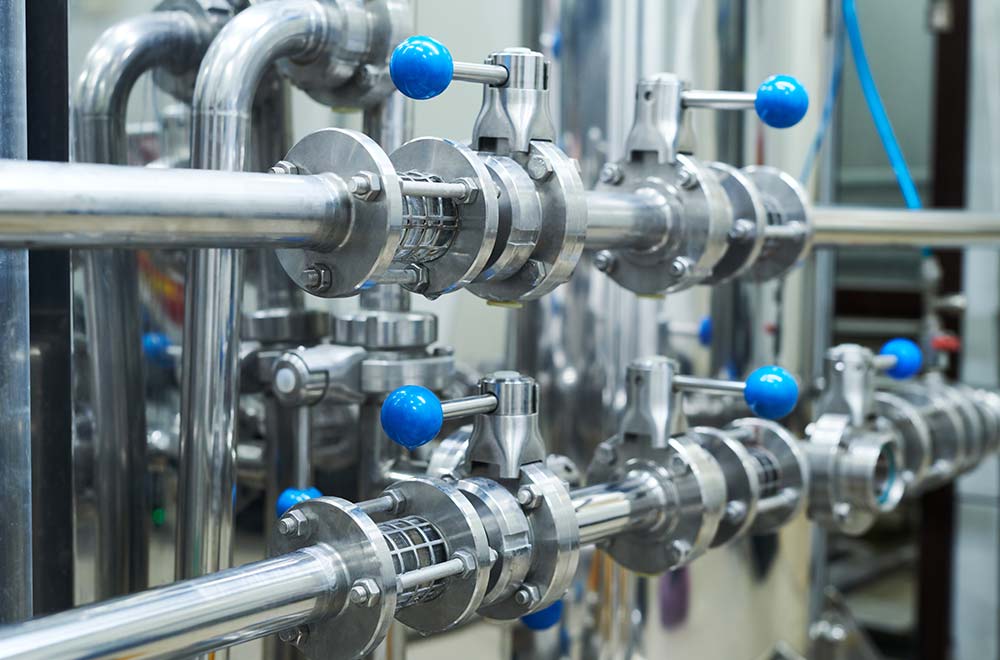
- Food & Beverage Processing – Sanitary actuated butterfly valves provide hygiene compliance and automated control.
Advantages of Using Actuated Butterfly Valves
Using actuated butterfly valves offers several benefits over manual alternatives:
- Improved Flow Control – Automation allows precise regulation, reducing energy waste.
- Enhanced Safety – Remote operation minimizes human exposure to hazardous fluids.
- Durability – High-quality materials resist corrosion, temperature extremes, and high pressures.
- Automation Compatibility – Ideal for integration with PLCs and SCADA systems for industrial automation.
Choosing the Right Actuated Butterfly Valve for Your System
Selecting the right valve requires evaluating multiple technical factors:
| Feature | Considerations | Recommendations |
|---|---|---|
| Material | Stainless Steel, Carbon Steel, Alloy | Choose based on fluid type, temperature, and corrosion potential |
| Actuation | Pneumatic, Electric, Hydraulic | Consider control requirements and fail-safe needs |
| Size | DN50 – DN600+ | Match pipe diameter and flow requirements |
| Pressure Rating | PN10 – PN40 | Ensure safety margin above system pressure |
| Torque / Cv | Valve torque and flow coefficient | Verify actuator can handle torque, ensure required flow |
Evaluating these factors helps guarantee long-term performance and minimizes maintenance issues.
Installation and Maintenance Best Practices
Proper installation and regular maintenance are essential for reliable operation:
- Installation – Ensure correct alignment and secure actuator mounting.
- Routine Maintenance – Inspect seals, actuators, and disc movement regularly.
- Troubleshooting – Address unusual noises, leaks, or slow response promptly.
- Safety Guidelines – Always depressurize the system before maintenance.
Comparing Actuated Butterfly Valves with Other Valve Types
Actuated butterfly valves are often compared with ball valves and manual butterfly valves:
- Versus Ball Valves – More compact and lighter; ideal for larger pipeline diameters.
- Versus Manual Butterfly Valves – Automation increases speed, accuracy, and reduces human intervention.
- Applications Where They Excel – High-volume flow systems, automated processes, and integration into control systems.
Emerging Trends and Innovations
The industry is moving toward smarter, more efficient actuated butterfly valves:
- IoT-Enabled Valves – Remote monitoring and predictive maintenance.
- Energy-Efficient Actuators – Reduced power consumption for electric and pneumatic systems.
- Advanced Materials – Enhanced corrosion resistance for chemical and wastewater applications.
Conclusion
Actuated butterfly valves are indispensable in modern industrial systems, offering precision, efficiency, and automation compatibility. As a manufacturer, we provide high-quality valves suitable for water treatment, chemical processing, HVAC systems, and more. Choosing the right type, material, and actuator ensures long-term reliability and optimal performance.
For industrial operators seeking dependable actuated butterfly valves, our manufacturing expertise guarantees solutions tailored to your specific system needs. Explore our product catalog or contact our technical team for personalized guidance and custom configurations.
FAQ
Q1: What is an actuated butterfly valve?
A: An actuated butterfly valve is a valve operated automatically via electric, pneumatic, or hydraulic actuators, allowing precise flow control without manual intervention.
Q2: What are the main types of actuated butterfly valves?
A: The main types include pneumatic, electric, and hydraulic actuated butterfly valves, as well as wafer and lug designs for different installation requirements.
Q3: How do I choose the right actuated butterfly valve for my system?
A: Consider fluid type, pressure rating, valve size, actuator type, and torque requirements to ensure reliable and efficient performance.
Q4: What industries commonly use actuated butterfly valves?
A: They are widely used in water treatment, chemical processing, HVAC systems, oil & gas pipelines, and food & beverage production.
Q5: How do I maintain an actuated butterfly valve?
A: Regularly inspect the actuator, seals, and disc, clean the valve, and follow safety guidelines to ensure long-term operation and prevent leaks or failures.