Table of Contents
Butterfly valves are widely used across industries for reliable and efficient flow control. As a professional manufacturer, we often see customers struggle to choose the right configuration because of the wide range of butterfly valve types, materials, and designs available on the market.
This guide provides a practical, in-depth overview of butterfly valve classifications, performance characteristics, and real-world applications—helping engineers, buyers, and distributors make informed decisions while improving system efficiency and long-term reliability.
What Are Butterfly Valve Types?
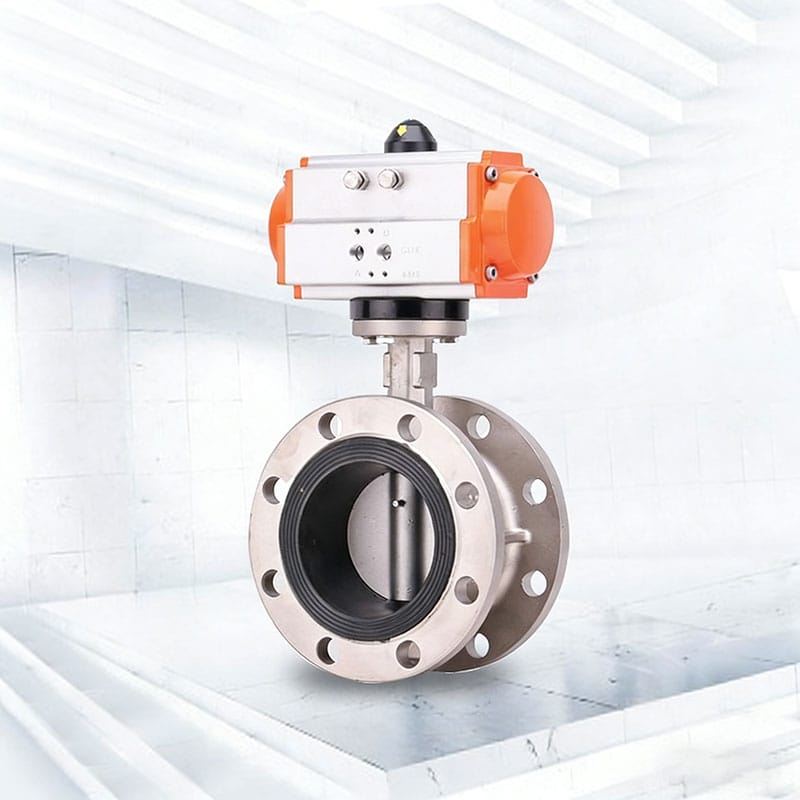
A butterfly valve is a quarter-turn valve designed to regulate or isolate flow using a rotating disc. Its simple structure, lightweight design, and cost-effectiveness make it a preferred choice in many industrial systems.
Different butterfly valve types are categorized based on:
- Disc offset design
- Connection method
- Body and disc material
- Seat and sealing structure
Key components include:
- Valve body
- Disc
- Stem
- Seat
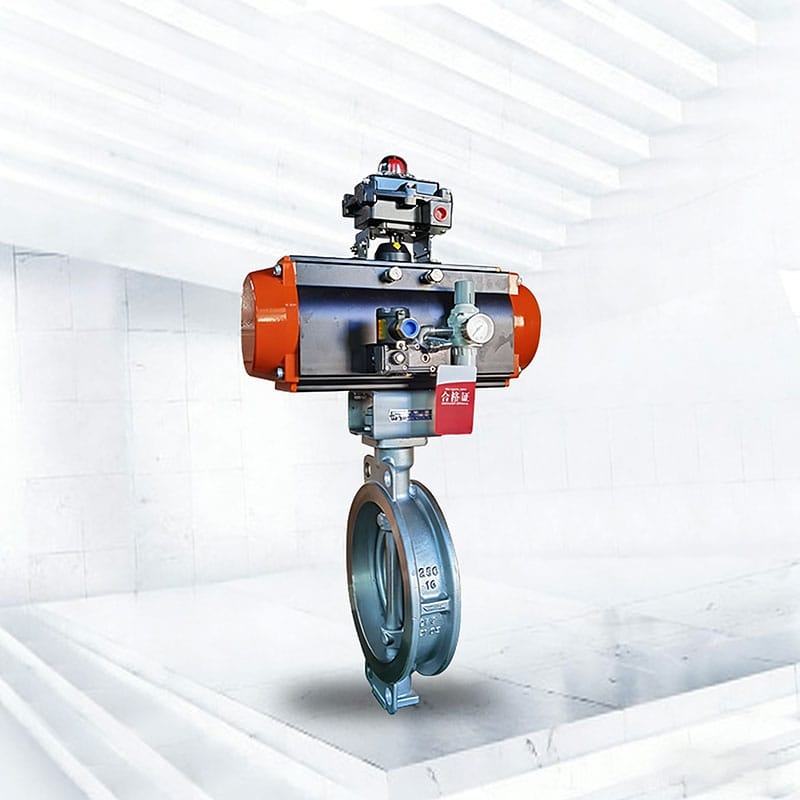
- Actuator (manual, pneumatic, or electric)
Understanding these variations is essential for selecting the right valve for specific pressure, temperature, and media conditions.
Main Butterfly Valve Types Explained
The three primary structural designs define how the valve seals and performs under pressure:
- Concentric Butterfly Valve (Zero Offset)
The most common type, featuring a centered disc and shaft. Suitable for low-pressure applications such as water systems. - Double Offset Butterfly Valve
Designed with two offsets to reduce friction between the disc and seat, improving durability and sealing performance. - Triple Offset Butterfly Valve
Engineered for high-performance applications, using a metal seat and triple offset geometry to achieve zero leakage and withstand extreme conditions. - High Performance Butterfly Valve
Typically refers to double or triple offset designs used in demanding industrial environments.
Each type offers unique advantages depending on operational requirements.
Wafer vs Lug vs Flanged Butterfly Valve Types
Connection style plays a critical role in installation and maintenance:
- Wafer Butterfly Valve
Installed between flanges using bolts. Lightweight and cost-effective, widely used in general applications. - Lug Butterfly Valve
Features threaded inserts, allowing one side of the pipeline to be removed without affecting the other. - Flanged Butterfly Valve
Designed for high-pressure systems, offering strong and stable connections.
Choosing the right connection depends on pipeline design, maintenance needs, and system pressure.
Butterfly Valve Types by Material
Material selection directly impacts valve durability, corrosion resistance, and cost.
- Cast iron butterfly valve – economical and widely used
- Ductile iron butterfly valve – improved strength and flexibility
- Stainless steel butterfly valve – excellent corrosion resistance
- Alloy steel valves – suitable for extreme environments
Material Comparison Table
| Material Type | Corrosion Resistance | Strength Level | Typical Applications |
|---|---|---|---|
| Cast Iron | Moderate | Medium | Water systems, HVAC |
| Ductile Iron | Good | High | Municipal pipelines |
| Stainless Steel | Excellent | High | Chemical, food, marine |
| Alloy Steel | Excellent | Very High | Oil & gas, high temperature |
Butterfly Valve Types by Seat and Sealing
Sealing performance is critical in preventing leakage and ensuring safe operation.
- Resilient Seated Butterfly Valve
Uses rubber or elastomer seats for tight sealing in low-pressure systems. - Metal Seated Butterfly Valve
Designed for high-temperature and high-pressure environments. - PTFE Seated Butterfly Valve
Ideal for chemical applications due to strong chemical resistance.
Selecting the right seat type depends on media type, temperature, and pressure rating.
How to Choose the Right Butterfly Valve Type
Choosing the correct valve requires evaluating several factors:
- Pressure and temperature conditions
- Type of fluid (water, gas, oil, chemicals)
- Flow control precision requirements
- Actuation method (manual, pneumatic, electric)
For example:
- Water treatment systems typically use resilient seated valves
- Oil and gas industries prefer double or triple offset valves
- Chemical industries require corrosion-resistant materials
A proper selection process ensures optimal performance and reduces maintenance costs.
Butterfly Valve Types and Their Industrial Applications
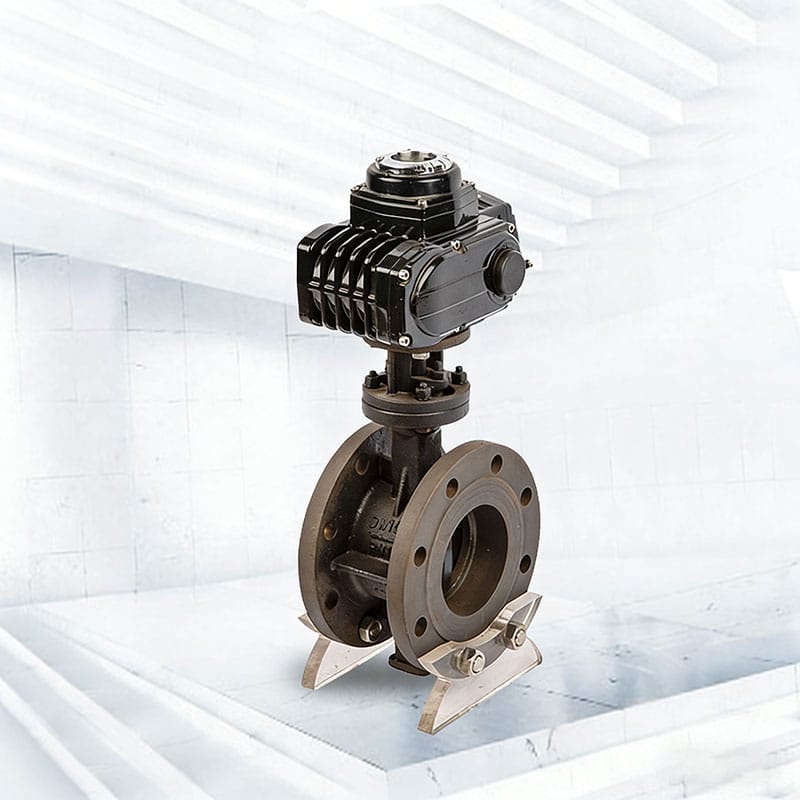
Different industries rely on specific butterfly valve designs:
- Water Treatment – cost-effective wafer butterfly valves
- Oil and Gas – high-performance triple offset valves
- Chemical Processing – stainless steel and PTFE-lined valves
- Power Plants – metal seated valves for high temperatures
- HVAC Systems – lightweight and efficient flow control
Understanding application requirements helps match the right valve to the system.
Butterfly Valve vs Other Valve Types
Comparing butterfly valves with other valve types helps clarify their advantages:
- Butterfly Valve vs Ball Valve
Butterfly valves are lighter and more cost-effective, while ball valves offer tighter sealing. - Butterfly Valve vs Gate Valve
Butterfly valves provide faster operation and require less space.
Key Advantages:
- Compact and lightweight
- Quick operation (quarter-turn)
- Lower cost compared to other industrial valves
Manufacturing Process of Butterfly Valve Types
As a manufacturer, ensuring consistent quality is critical. The production process typically includes:
- Raw material inspection
- Precision casting or forging
- CNC machining
- Assembly and component fitting
- Pressure and leakage testing
Valves are produced according to international standards such as:
- API
- ANSI
- DIN
- ISO
Strict quality control ensures each butterfly valve meets performance and durability expectations.
Common Problems and Maintenance Tips for Butterfly Valve Types
Even high-quality valves require proper maintenance:
Common issues:
- Seat wear and leakage
- Corrosion damage
- Disc misalignment
Maintenance tips:
- Regular inspection of seals and components
- Cleaning to prevent debris buildup
- Proper lubrication of moving parts
Routine maintenance significantly extends service life and reduces downtime.
Trends in Butterfly Valve Types for 2026
The butterfly valve industry continues to evolve with new technologies:
- Smart valves with automated control systems
- Energy-efficient and low-torque designs
- Advanced sealing technologies for zero leakage
- Increased demand in global infrastructure projects
These trends highlight the growing importance of high-performance butterfly valves in modern industries.
Why Choosing a Reliable Butterfly Valve Manufacturer Matters
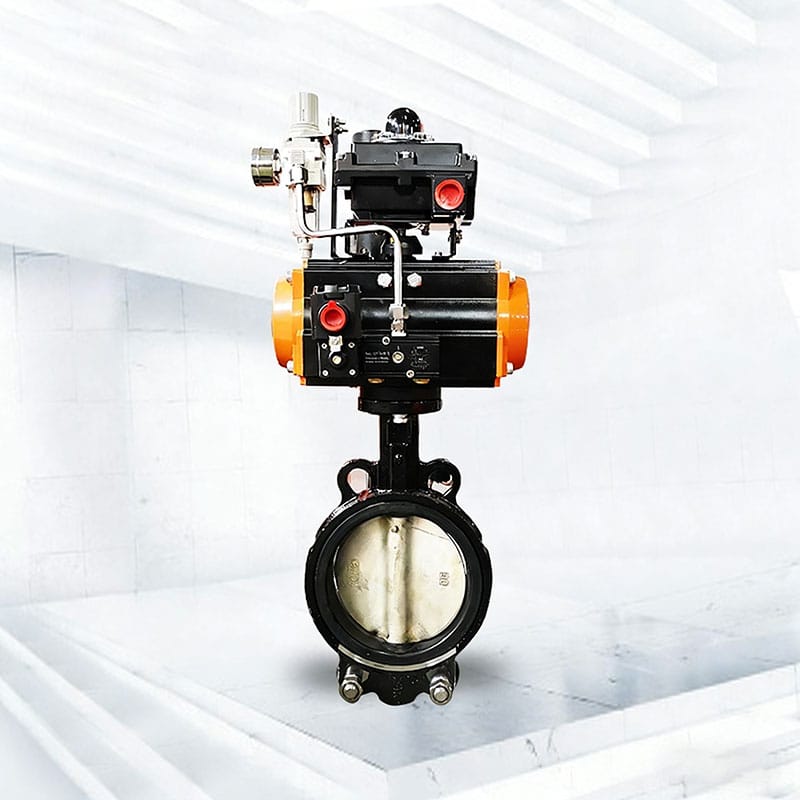
Working with an experienced manufacturer provides several advantages:
- Consistent product quality
- Compliance with international standards
- Custom OEM and ODM solutions
- Stable supply for bulk orders
A reliable supplier ensures not only product performance but also long-term cost efficiency and project success.
Conclusion
Butterfly valve types are essential components in modern industrial systems, offering efficient flow control across a wide range of applications. From concentric designs to advanced triple offset butterfly valves, each type is engineered to meet specific operational demands.
Selecting the right butterfly valve type involves careful consideration of materials, sealing mechanisms, pressure requirements, and application environments. Equally important is partnering with a trusted manufacturer capable of delivering high-quality products and technical expertise.
With the right selection and proper maintenance, butterfly valves can significantly improve system performance, reduce operational costs, and ensure long-term reliability in industries such as water treatment, oil and gas, and chemical processing.
FAQ
Q1: What are the main types of butterfly valves?
A: The main types include concentric (zero offset), double offset, triple offset, and high-performance butterfly valves, each designed for specific pressure, temperature, and flow control requirements.
Q2: How do wafer, lug, and flanged butterfly valves differ?
A: Wafer valves fit between flanges, lug valves have threaded inserts for one-side removal, and flanged valves provide strong, stable connections for high-pressure systems.
Q3: What materials are commonly used for butterfly valves?
A: Common materials include cast iron, ductile iron, stainless steel, and alloy steel, with the choice depending on media type, corrosion resistance, and operating conditions.
Q4: How do I choose the right butterfly valve type for my application?
A: Consider factors such as operating pressure, temperature, fluid type, flow control needs, and actuation method (manual, pneumatic, or electric) to select the optimal valve.
Q5: Why is working with a reliable butterfly valve manufacturer important?
A: A trusted manufacturer ensures consistent quality, compliance with international standards, technical support, and long-term reliability, which are critical for industrial applications.