Table of Contents
Understanding Electrical Control Valves
What is an Electrical Control Valve?
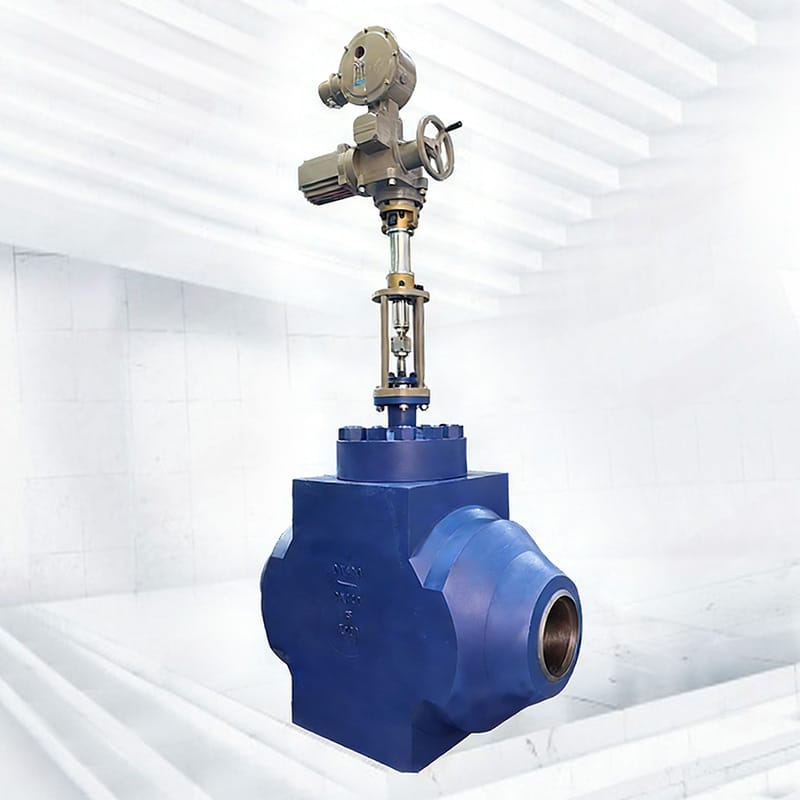
An electrical control valve is a sophisticated automation device that regulates the flow of fluids, gases, or steam through pipelines using an electric actuator. Unlike manual valves that require human intervention, these industrial electrical control valves operate automatically based on control signals from a central system, making them essential components in modern process automation. The integration of electric actuator valve technology has revolutionized how industries manage flow control, offering unprecedented precision and reliability in valve automation applications.
Electrical control valves serve as the critical interface between electronic control systems and physical fluid dynamics, converting electrical signals into mechanical movements that adjust valve position and regulate flow rates. This seamless integration enables operators to maintain optimal process conditions without constant manual supervision, significantly improving operational efficiency and safety across various industrial applications.
Working Principles of Electrical Control Valves
The fundamental operation of electrical control valves revolves around converting electrical energy into precise mechanical motion. When a control signal arrives from the system controller, the electric actuator receives and processes this input, then drives the valve mechanism to the desired position. This electro-mechanical conversion happens through sophisticated motor-driven systems that can achieve positioning accuracy within fractions of a millimeter.
Modern electric actuator valve systems utilize advanced feedback mechanisms, including position sensors and limit switches, that continuously monitor valve position and provide real-time data to the control system. This closed-loop control architecture ensures that the valve maintains its target position despite pressure fluctuations, temperature changes, or other external disturbances. The result is exceptional control stability and process consistency that manual valves simply cannot match.
Key Components: Actuators, Valve Body, and Control Signals
The architecture of industrial electrical control valves consists of three primary subsystems, each playing a crucial role in overall performance. The actuator serves as the power source, containing the electric motor, gearbox, and control electronics that convert electrical signals into rotational or linear motion. High-quality actuators feature robust construction with IP65 or higher protection ratings, ensuring reliable operation in harsh industrial environments.
The valve body represents the physical flow control element, available in various configurations including globe, ball, butterfly, and gate designs. Each type offers distinct advantages for specific applications, from precise flow regulation in globe valves to rapid on/off operation in ball valves. The valve body material selection—whether stainless steel, brass, carbon steel, or specialized alloys—must be carefully matched to the process media’s chemical properties and operating conditions.
Control signals form the communication backbone between the control system and the valve. Standard industrial protocols include 4-20mA analog signals for continuous modulation, 0-10V DC voltage signals, and digital communication protocols like MODBUS, Profibus, or Ethernet/IP. Advanced smart actuators also support HART communication for comprehensive valve diagnostics and predictive maintenance capabilities.
Types of Electrical Control Valves
Globe Valves, Ball Valves, Butterfly Valves
The selection of valve type significantly impacts system performance and operational characteristics. Globe valves excel in applications requiring precise flow control and fine adjustment capabilities. Their unique design provides excellent throttling performance with minimal pressure drop, making them ideal for modulating control in water treatment, chemical processing, and HVAC systems where maintaining specific flow rates is critical.
Ball valves offer superior shutoff capabilities with minimal flow resistance, making them perfect for on/off applications where tight sealing is paramount. Quarter-turn operation enables rapid response times, while the floating ball design ensures bubble-tight closure even under high pressure conditions. Modern industrial automation valves featuring ball mechanisms often incorporate intelligent actuators with position feedback for precise control in batch processing systems.
Butterfly valves combine high flow capacity with compact design and excellent cost-effectiveness. Their wafer-style construction requires minimal space between pipeline flanges, making them particularly suitable for large-diameter applications in water treatment plants, cooling towers, and irrigation systems. High pressure control valves with butterfly designs can handle substantial flow rates while maintaining precise control through advanced actuator positioning algorithms.
On/Off vs. Modulating Valves
Understanding the distinction between on/off and modulating control is essential for selecting the right electrical control valve for your application. On/off valves operate in binary fashion—either fully open or fully closed—providing simple, reliable operation for applications requiring only two states. These valves excel in batch processing, safety systems, and applications where discrete flow control is sufficient.
Modulating electrical control valves offer infinitely variable positioning, enabling precise control of flow rates based on continuous feedback from the process. These sophisticated control valves are essential in applications requiring constant adjustment to maintain optimal conditions, such as temperature control in heating systems, pressure regulation in chemical reactors, or flow balancing in complex distribution networks. The advanced control algorithms in modulating valves can respond to process changes within milliseconds, ensuring exceptional process stability.
Modern smart actuators bridge the gap between these categories by offering configurable operation modes. A single valve installation can provide both on/off capability for normal operation and modulating control for startup sequences or emergency situations, maximizing flexibility while minimizing capital investment.
Key Factors to Consider When Choosing an Electrical Control Valve
Flow Rate and Cv (Flow Coefficient)
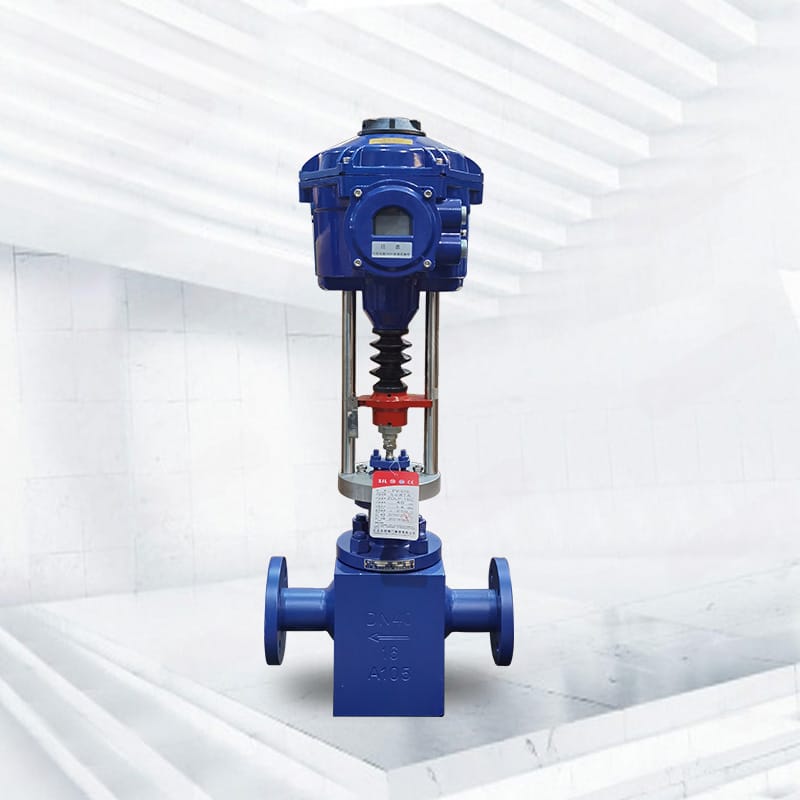
Determining the appropriate flow capacity is fundamental to valve selection. The flow coefficient (Cv value) represents the valve’s ability to pass flow under standardized conditions—specifically, the flow rate in gallons per minute of water at 60°F with a 1 psi pressure drop across the valve. Selecting a valve with the correct Cv ensures optimal performance: oversized valves may lead to unstable control and unnecessary expense, while undersized valves create excessive pressure drop and potential cavitation problems.
For electrical control valve flow control applications, engineers must calculate required Cv based on maximum flow conditions, pressure differential, and fluid properties. The following formula provides a good starting point:
Cv = Q × √(SG / ΔP)
Where:
- Q = Flow rate (GPM)
- SG = Specific gravity of the fluid
- ΔP = Pressure drop across the valve (psi)
However, this calculation represents only the minimum requirement. Practical valve selection should include a safety factor of 1.5 to 2.0 to accommodate future capacity increases, system changes, and performance degradation over the valve’s lifecycle. Additionally, consider the valve’s control characteristics—linear, equal percentage, or quick opening—as they significantly impact control stability across the operating range.
Pressure Rating and Temperature Range
Every electrical control valve has specific operating limitations that must align with process requirements. Pressure ratings are defined by the valve body material, wall thickness, and design standards (ANSI, DIN, JIS). Exceeding these limits can lead to catastrophic failure, while selecting significantly overrated valves results in unnecessary cost and potential control issues due to excessive stiffness in the valve mechanism.
Temperature considerations are equally critical, as extreme temperatures affect both mechanical components and electrical systems. High-temperature applications (above 300°F) may require special materials, extended bonnet designs, or cooling features to protect the actuator. Conversely, cryogenic applications demand specialized materials and seals to prevent brittle fracture and leakage. Always verify that both the valve body and actuator can handle the full temperature range, including worst-case scenarios like steam cleaning or process upset conditions.
Design pressure and temperature combinations must also be considered, as valves may be rated for individual conditions but not simultaneous extremes. Consult the manufacturer’s pressure-temperature charts to ensure safe operation under all expected process conditions. Remember that transient conditions—like water hammer, pressure spikes, or rapid temperature changes—can generate stresses exceeding normal operating parameters, requiring additional design margins.
Valve Material Selection (Stainless Steel, Brass, Carbon Steel)
Material selection directly impacts valve longevity, maintenance requirements, and overall system reliability. Stainless steel (particularly 304 and 316 grades) offers excellent corrosion resistance for chemical processing, food and beverage, pharmaceutical applications, and water systems where purity and sanitation are critical. The natural passivation layer on stainless steel provides long-term protection against oxidation and chemical attack, making it the premium choice for demanding applications.
Brass provides an excellent balance of corrosion resistance, machinability, and cost-effectiveness for many water system applications, HVAC systems, and non-corrosive industrial processes. Its natural antimicrobial properties make it particularly suitable for drinking water systems. However, brass may not be appropriate for applications involving ammonia, strong acids, or high-pressure steam due to potential dezincification and stress corrosion cracking.
Carbon steel offers superior strength and temperature resistance at a more economical price point for non-corrosive applications. It’s widely used in oil and gas processing, power generation, and general industrial applications where corrosion is not a primary concern. However, carbon steel valves typically require protective coatings or cathodic protection in corrosive environments, which increases maintenance requirements over the valve’s service life.
| Material | Corrosion Resistance | Temperature Range | Typical Applications | Cost Factor |
|---|---|---|---|---|
| 304 Stainless Steel | Excellent | -425°F to 1500°F | Food processing, chemicals, water systems | Premium |
| 316 Stainless Steel | Superior | -425°F to 1500°F | Marine, pharmaceutical, corrosive chemicals | High |
| Brass | Good | -20°F to 400°F | HVAC, water systems, general industrial | Moderate |
| Carbon Steel | Moderate | -20°F to 800°F | Oil & gas, power generation, non-corrosive | Low |
Control Signal Compatibility (4-20mA, 0-10V, Digital)
Ensuring seamless integration with your existing control infrastructure is essential for successful electrical control valve specifications implementation. The 4-20mA analog signal remains the industry standard for process control applications due to its immunity to electrical noise and ability to provide power to field devices over the same two wires. This current-based system automatically detects wire breaks (signal drops to 0mA) and short circuits (signal exceeds 20mA), providing built-in diagnostic capabilities.
The 0-10V DC voltage signal offers simplicity and compatibility with many building automation systems and general industrial applications. While voltage signals are susceptible to noise interference over long distances, they remain popular for HVAC applications and building management systems where installation distances are relatively short. Modern actuators typically support both 4-20mA and 0-10V inputs, providing maximum flexibility for system integration.
Digital communication protocols represent the future of industrial valve automation. Smart actuators with digital communication enable bidirectional data exchange, remote configuration, predictive maintenance, and comprehensive diagnostics. Common protocols include:
- MODBUS RTU/TCP: Widely used in industrial automation
- Profibus PA/DP: Popular in European markets and process industries
- Ethernet/IP: Growing adoption in modern industrial networks
- HART (Highway Addressable Remote Transducer) : Combines 4-20mA with digital communication
When specifying electrical control valves, consider future system upgrades and expansion. Investing in smart actuators with digital communication capabilities may involve higher initial costs but delivers significant long-term benefits through reduced maintenance, improved diagnostics, and enhanced operational efficiency.
Applications of Electrical Control Valves in Industry
Water Treatment Systems and Irrigation
Modern water treatment facilities rely heavily on electrical control valve water systems to maintain precise process conditions throughout purification, distribution, and treatment cycles. In municipal water treatment plants, these valves regulate chemical dosing for pH adjustment, chlorine injection, and coagulant addition with exceptional accuracy, ensuring water quality standards are consistently met. The ability to integrate with SCADA systems enables remote monitoring and control across distributed treatment sites, significantly reducing operational costs and improving response times to system disturbances.
Agricultural irrigation systems have undergone transformation through the adoption of electrical control valves for automated water management. These systems enable precise irrigation scheduling based on soil moisture sensors, weather forecasts, and crop water requirements, optimizing water usage and maximizing agricultural yields. Advanced industrial valve automation in irrigation supports variable rate irrigation, where different zones receive customized water volumes based on crop type, growth stage, and soil conditions, dramatically improving water conservation efforts in drought-prone regions.
HVAC and Building Automation
Electrical control valve HVAC applications have become essential for maintaining comfortable indoor environments while minimizing energy consumption in commercial and residential buildings. These valves precisely control the flow of chilled water, hot water, and steam throughout heating and cooling systems, responding dynamically to building load variations and occupancy patterns. The integration with building automation systems enables zone-based control, allowing different areas within a facility to maintain independent temperature setpoints based on usage patterns and occupant preferences.
Modern smart building systems leverage electrical control valves for advanced applications like demand-controlled ventilation, where valve positions are continuously adjusted based on CO2 sensors and occupancy detection. This approach not only improves indoor air quality but also significantly reduces energy waste by avoiding over-ventilation of unoccupied spaces. The electrical control valve advantages in building automation extend to predictive maintenance strategies, where continuous monitoring of actuator performance and valve response times enables proactive maintenance before equipment failures cause system disruptions.
Oil, Gas, and Chemical Processing
The oil and gas industry demands exceptional reliability and safety from control equipment operating in challenging environments. Electrical control valves in this sector handle critical applications including pressure regulation in pipeline systems, flow control in separation processes, and emergency shutdown functions for safety-critical equipment. The ability to operate in hazardous areas with ATEX or IECEx certification makes these valves indispensable for offshore platforms, refineries, and petrochemical plants where explosive atmospheres are present.
Chemical processing applications require precise control of highly corrosive and hazardous substances. Energy efficient industrial valves with specialized wetted materials and tight shutoff capabilities ensure safe handling of aggressive chemicals while maintaining process accuracy. These valves often integrate with process safety systems to provide emergency isolation functions, with fail-safe designs that automatically move to a safe position upon power loss or system fault detection.
Power Plants and Steam Systems
Power generation facilities represent some of the most demanding applications for electrical control valves due to extreme pressures, temperatures, and critical reliability requirements. In boiler feedwater systems, these valves precisely regulate water flow to maintain optimal drum levels, preventing equipment damage from low water conditions or inefficient operation from excessive water. The electrical control valve cost factors in power plant applications must be evaluated against the enormous consequences of valve failure, which can result in costly plant shutdowns and equipment damage.
Steam systems throughout industrial facilities rely on electrical control valves for pressure regulation, temperature control, and flow management. These valves must handle high-pressure steam while maintaining precise control to optimize process efficiency and ensure safety. Advanced actuator designs with position feedback and safety certifications enable reliable operation in these demanding environments, while remote monitoring capabilities support predictive maintenance strategies that minimize unplanned downtime and extend equipment service life.
Common Problems and Troubleshooting Electrical Control Valves
Leakage, Stuck Valves, or Actuator Failure
Leakage remains one of the most common issues affecting electrical control valves, with causes ranging from worn seals and damaged seats to improper installation and misalignment. External leakage through stem seals and body joints typically indicates seal deterioration or insufficient compression, while internal leakage through the valve seat often results from particulate damage, erosion, or corrosion of sealing surfaces. Regular inspection and prompt seal replacement can prevent most leakage problems, while selecting valves with appropriate seat materials for the process media minimizes internal leakage.
Stuck valves create operational disruptions and can compromise process safety if not addressed promptly. Causes include particulate buildup in the valve body, scale formation on moving parts, corrosion of stem threads, and excessive torque from misaligned installations. Electrical control valve troubleshooting should begin with verifying proper control signal and power supply before proceeding to mechanical inspection. Manual override functions built into many actuators enable temporary operation while repairs are being planned, minimizing production losses during maintenance activities.
Actuator failure can result from electrical issues, mechanical problems, or environmental factors. Common electrical failures include burned-out motors, damaged control boards, and wiring problems caused by moisture ingress or physical damage. Mechanical failures often stem from gearbox issues, broken couplings, or worn bearings. Industrial valve maintenance guide recommendations include periodic inspection of electrical connections, lubrication of mechanical components, and verification of proper torque settings to extend actuator life and prevent unexpected failures.
Signal or Wiring Issues
Communication problems between the control system and valve actuators represent a significant source of operational difficulties. Signal issues typically manifest as erratic valve movement, failure to respond to commands, or incorrect positioning. These problems often originate from ground loops, electromagnetic interference, improper signal termination, or incorrect configuration of input parameters. Using twisted-pair shielded cables with proper grounding minimizes most interference problems in industrial environments.
Wiring problems include loose connections, corroded terminals, damaged insulation, and incorrect wire identification. These issues frequently arise during installation but can also develop over time due to vibration, thermal cycling, and exposure to harsh environments. Implementing proper cable management, using appropriate gland fittings, and regular inspection of terminal connections significantly reduce wiring-related failures. Smart actuators with built-in diagnostics help identify wiring problems by monitoring signal quality and reporting abnormalities before they cause operational issues.
Noise and Vibration Problems
Excessive noise and vibration in electrical control valves indicates potential problems that can escalate to equipment damage if left unaddressed. Cavitation—formation and collapse of vapor bubbles in the liquid—creates characteristic noise and vibration that can damage valve components and downstream piping. This phenomenon typically occurs when pressure drops below the fluid’s vapor pressure and recovers rapidly downstream. Anti-cavitation trim designs and multi-stage pressure reduction capabilities can prevent cavitation in high-pressure drop applications.
Flow-induced vibration results from turbulent flow conditions, velocity instabilities, or resonance between fluid dynamics and valve mechanical components. Proper valve sizing, selecting appropriate flow characteristics, and avoiding operation near critical velocity ranges minimize these vibration problems. In severe cases, piping supports may require reinforcement or flexible connections may need to be installed to accommodate valve-induced vibrations without transmitting excessive forces to surrounding equipment.
Maintenance Tips for Reliable Performance
Implementing a proactive industrial valve maintenance guide program dramatically extends equipment life and prevents unexpected failures. Regular inspection schedules should include visual checks for external leakage, verification of proper valve positioning, assessment of actuator response times, and evaluation of control signal quality. Lubrication of mechanical components according to manufacturer recommendations prevents excessive wear and maintains smooth operation over extended periods.
Preventive maintenance should focus on addressing potential issues before they cause failures. This includes periodic calibration of position feedback systems, replacement of seals before they reach end-of-life, and cleaning of valve internals in applications with particulate-laden media. Many modern smart actuators provide predictive maintenance capabilities by monitoring operating parameters like torque, cycle count, and positioning accuracy to identify developing problems early.
Documentation and record-keeping enable trend analysis and informed maintenance decisions. Maintaining detailed logs of valve performance, maintenance activities, and component replacements helps identify recurring problems, optimize maintenance intervals, and justify equipment upgrades when economic benefits are clear. Integrating this information with computerized maintenance management systems (CMMS) enables facility-wide optimization of valve maintenance strategies and resource allocation.
Benefits of Using Electrical Control Valves in Automation Systems
Precise Flow Control and Energy Efficiency
The exceptional precision offered by electrical control valves enables process optimization that directly translates into improved product quality, reduced waste, and lower operating costs. Unlike manual valves that rely on operator judgment and intermittent adjustments, electrically actuated valves can maintain process parameters within tight tolerances continuously, automatically compensating for disturbances and maintaining optimal conditions. This precise control capability is particularly valuable in batch processing operations where consistency between batches is critical for product quality.
Energy efficiency represents one of the most significant electrical control valve advantages in modern industrial applications. By maintaining optimal flow rates, pressure levels, and temperatures with minimal deviation from setpoints, these valves reduce energy consumption associated with pumping, heating, and cooling processes. Variable speed drives coupled with precisely controlled valves can achieve substantial energy savings in HVAC applications, while optimized flow control in chemical processing reduces energy waste associated with over-pumping and excessive pressure drops.
Advanced control algorithms in modern electrical control valves enable sophisticated optimization strategies like pressure-compensated flow control, which automatically adjusts valve position to maintain constant flow despite system pressure variations. This capability eliminates energy waste caused by excessive flow during low-pressure conditions and maintains process stability during pressure fluctuations, delivering both energy savings and process improvements simultaneously.
Remote Operation and Reduced Manual Intervention
The ability to operate electrical control valves remotely through centralized control systems represents a fundamental advancement in industrial automation. Operators can monitor and adjust multiple valves from a single location, dramatically reducing the time and labor required for system operation while improving response times to process changes. This remote capability is particularly valuable in hazardous or inaccessible locations where manual operation would be dangerous or impractical.
Integration with SCADA systems enables comprehensive monitoring and control of valve performance across distributed facilities. Real-time data from smart actuators—including valve position, operating status, diagnostic information, and performance trends—can be displayed on control room screens and logged for historical analysis. This visibility enables operators to identify developing problems early, optimize system performance, and make informed decisions about maintenance and operational adjustments.
Reduced manual intervention not only lowers operating costs but also improves safety by minimizing human exposure to hazardous processes. In chemical plants, refineries, and other dangerous environments, the ability to control valves remotely eliminates the need for personnel to enter hazardous areas during routine operations. Emergency shutdown capabilities activated from central control rooms provide rapid system response to abnormal conditions, protecting both equipment and personnel safety.
Longevity and Low Maintenance Requirements
The robust construction and absence of manual actuation mechanisms give electrical control valves exceptional service life compared to manual alternatives. High-quality electric actuators can complete millions of operating cycles without requiring mechanical intervention, while the valve body itself typically lasts decades when properly selected for the application conditions. This longevity results in dramatically reduced lifecycle costs despite the higher initial electrical control valve cost factors compared to manual valves.
Low maintenance requirements free personnel time for other value-added activities and reduce maintenance budget allocations. Without the need for frequent manual adjustments and lubrication that manual valves require, electrical control valves minimize routine maintenance needs. Smart actuators with self-diagnostic capabilities can even schedule their own maintenance based on operating conditions and performance trends, eliminating unnecessary preventive maintenance activities while preventing unexpected failures.
The reliability of modern electrical control valves supports extended maintenance intervals and optimized spare parts inventory. Predictive maintenance strategies enabled by continuous monitoring allow maintenance to be performed when actually needed rather than on arbitrary schedules, reducing both maintenance costs and unplanned downtime. This reliability is particularly valuable in continuous processing industries where even short unplanned shutdowns can cost hundreds of thousands of dollars in lost production.
How to Maintain and Extend the Lifespan of Electrical Control Valves
Regular Inspection and Lubrication
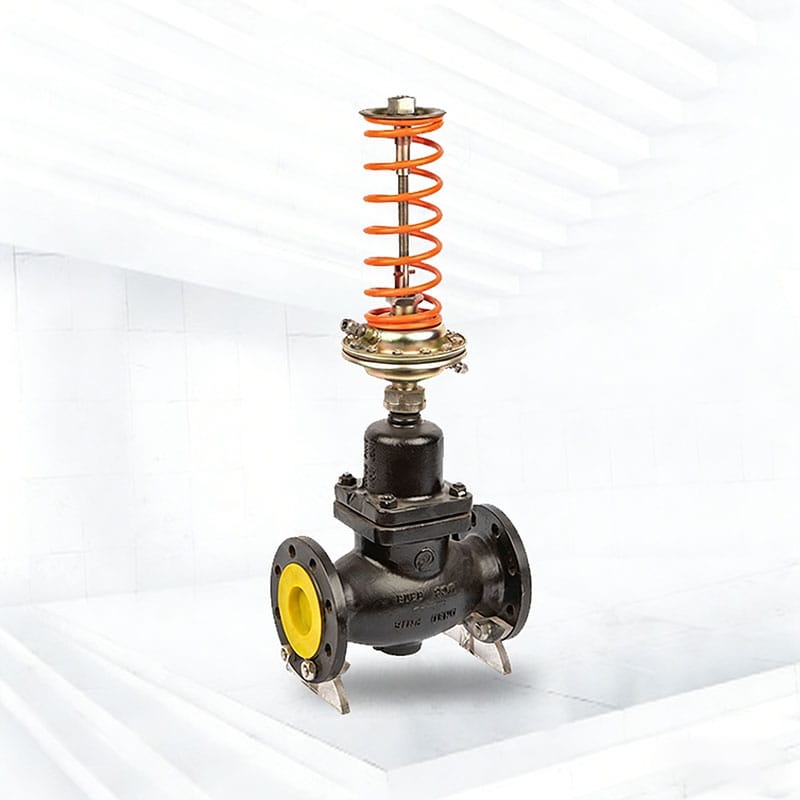
Establishing a comprehensive inspection program forms the foundation of effective electrical valve maintenance tips. Monthly visual inspections should check for external leakage through seals and gaskets, proper valve positioning indication, and any signs of physical damage or corrosion. Semi-annual inspections can include more detailed checks of actuator mounting integrity, cable connection security, and verification of proper operation through manual override functions. These regular inspections identify developing problems before they cause operational disruptions.
Lubrication plays a critical role in extending equipment life, particularly for valve stems, actuator linkages, and mechanical drive components. Follow manufacturer recommendations for lubrication intervals and use only approved lubricants compatible with process media and operating temperatures. Over-lubrication can be as problematic as under-lubrication, as excess grease can attract contaminants and interfere with proper operation. In food processing and pharmaceutical applications, use only NSF-approved food-grade lubricants that won’t contaminate the process media.
Actuator maintenance includes periodic inspection of electrical connections for corrosion or loose terminals, verification of proper grounding, and testing of safety circuits and limit switches. Many modern smart actuators provide self-test functions that can be initiated through the digital communication interface, automatically verifying proper operation of all internal components and reporting any abnormalities. These automated diagnostic capabilities significantly reduce the time required for comprehensive inspections while improving detection accuracy.
Cleaning and Preventing Corrosion
Regular cleaning procedures vary based on application requirements but typically include external cleaning to remove dirt, debris, and process residues that can interfere with proper operation and promote corrosion. In food processing and pharmaceutical applications, cleaning-in-place (CIP) procedures must be compatible with valve and actuator materials, while chemical plants may require specific cleaning agents compatible with process residues. Follow manufacturer recommendations regarding cleaning agents, temperatures, and procedures to avoid damaging seals, insulation, or protective coatings.
Corrosion prevention strategies begin with proper material selection during the initial valve specification process but continue throughout equipment service life. Implement cathodic protection for buried or submerged valves, apply protective coatings to exposed metal surfaces, and ensure proper drainage to prevent water accumulation around valve installations. In coastal or industrial environments with high salt or chemical content in the atmosphere, consider more frequent inspections and potentially upgraded materials for critical applications.
Environmental protection measures significantly extend valve life in harsh conditions. Protect actuators from direct exposure to sunlight, rain, and extreme temperatures with appropriate enclosures or covers when necessary. Ensure adequate ventilation around actuators to prevent heat buildup, and maintain proper clearances for maintenance access while protecting components from physical damage. These environmental protection measures are particularly important for outdoor installations and applications with aggressive atmospheric conditions.
Calibrating Actuators and Control Systems
Periodic calibration ensures that electrical control valves maintain accurate positioning and responsive control characteristics. Annual calibration typically includes verification of position feedback accuracy, linearity of control signal response, and verification of proper operation throughout the full travel range. More frequent calibration may be required for applications demanding exceptional precision or experiencing harsh operating conditions. Document calibration results in equipment history records to track performance trends and identify developing problems.
Control system integration requires verification that the valve responds appropriately to system commands and that feedback signals are accurately transmitted. Periodic testing of communication protocols, verification of alarm setpoints, and validation of emergency response functions ensure reliable integration with plant safety and control systems. Smart actuators with digital communication often provide comprehensive diagnostic functions that can verify system integration without requiring physical test equipment.
Valve performance monitoring using historical data from control systems and smart actuators enables optimization of maintenance strategies and early detection of developing problems. Track trends in response times, positioning accuracy, and actuator torque requirements to identify gradual deterioration before it causes operational issues. This data-driven approach to maintenance enables continuous improvement in equipment reliability and availability while reducing overall maintenance costs.
How to Select a Trusted Electrical Control Valve Manufacturer
Checking Certifications and Quality Standards
The foundation of any reliable electrical control valve manufacturer selection process should involve verification of comprehensive quality certifications. Look for manufacturers maintaining ISO 9001 quality management system certification as a minimum requirement, indicating consistent quality processes throughout design, manufacturing, and testing. For applications in regulated industries, additional certifications such as ATEX for hazardous areas, IECEx for international explosive atmosphere compliance, and SIL (Safety Integrity Level) ratings for safety instrumented systems provide essential verification of product capabilities.
Industry-specific certifications demonstrate manufacturer expertise and product suitability for specialized applications. For food and pharmaceutical applications, look for 3-A sanitary standards certification and EHEDG compliance indicating designs that meet rigorous hygiene requirements. Marine applications require Lloyd’s Register, DNV, or ABS certification, while nuclear applications demand compliance with ASME NQA-1 quality assurance standards. These specialized certifications indicate manufacturer commitment to serving specific market requirements with appropriate product solutions.
Testing and validation capabilities provide important insights into manufacturer quality commitment. Manufacturers with in-house testing laboratories can conduct comprehensive performance testing, environmental qualification, and lifetime testing to validate product claims. Ask for test reports, performance curves, and third-party validation results that substantiate manufacturer specifications. The best manufacturers maintain detailed documentation of testing results and are willing to share appropriate technical documentation to support customer confidence in product performance.
Customization Capabilities and Technical Support
Every industrial application presents unique challenges that may require customized valve solutions. Leading electrical control valve manufacturers maintain engineering capabilities for developing specialized solutions addressing specific customer requirements. Whether the need involves unusual flow characteristics, special materials for corrosive applications, or integration with proprietary control systems, manufacturers with customization expertise can develop tailored solutions that standard products cannot provide.
Technical support capabilities significantly impact project success and ongoing operational performance. The best manufacturers offer comprehensive engineering support throughout the project lifecycle—from initial specification assistance and sizing calculations through commissioning and ongoing operational support. This support should include application expertise, installation guidance, startup assistance, and responsive troubleshooting throughout equipment service life. Evaluate technical support capabilities by reviewing available resources, response time commitments, and customer service track record.
Training and knowledge transfer programs represent an important aspect of manufacturer support capabilities. Comprehensive product training for maintenance personnel, operators, and engineers ensures optimal installation, operation, and maintenance practices. Manufacturers offering training programs, technical documentation, and educational resources demonstrate commitment to customer success beyond initial product delivery. This knowledge transfer significantly reduces the learning curve for new equipment implementations and supports long-term operational excellence.
Global Delivery and Industrial References
Global delivery capabilities ensure reliable product availability regardless of project location. International manufacturing facilities, regional distribution centers, and established logistics networks enable timely delivery to sites worldwide while reducing shipping costs and lead times. For multinational organizations, consistent product quality and technical support across different regions provide significant operational advantages and simplify procurement processes.
Industry references and case studies provide valuable insights into manufacturer performance and product capabilities in applications similar to your requirements. Request references from customers in similar industries, comparable process applications, and comparable operating conditions. When contacting references, focus on product reliability, technical support quality, delivery performance, and overall satisfaction with the manufacturer relationship. Case studies demonstrating successful implementations provide concrete examples of manufacturer capabilities and problem-solving approach.
Financial stability and longevity considerations ensure manufacturer availability for long-term support throughout equipment service life. Evaluate manufacturer financial health, market position, and growth trajectory to assess long-term viability. Established manufacturers with stable financial position and proven track record are more likely to provide ongoing product support, spare parts availability, and warranty service throughout the extended operational life of industrial valve installations.
Electrical Control Valve Buying Guide and Cost Considerations
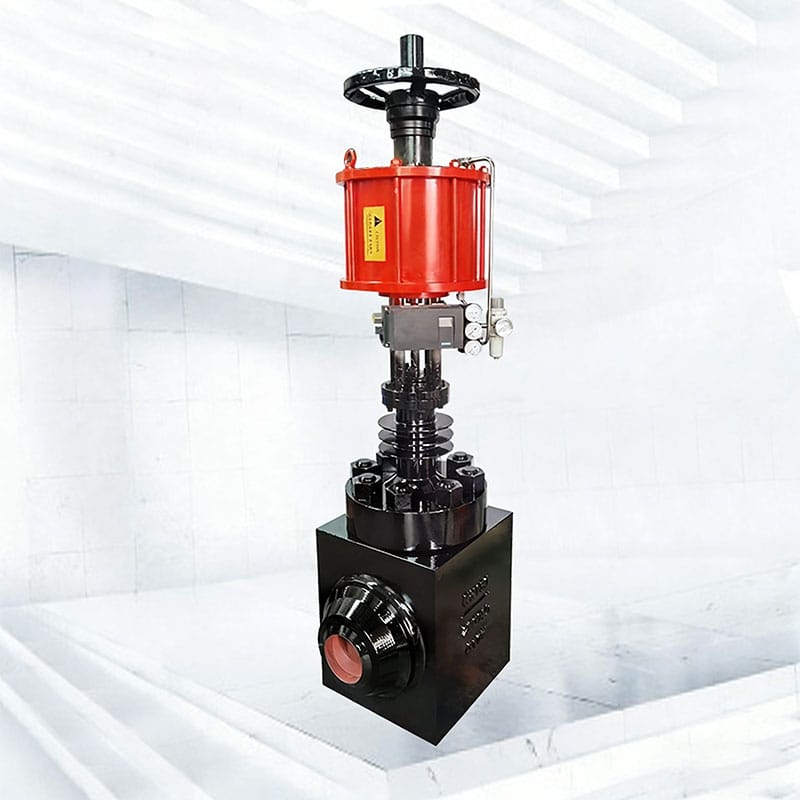
Comparing Brands, Materials, and Specifications
When evaluating electrical control valve options, brand reputation should be considered alongside technical specifications and pricing requirements. Established manufacturers with proven performance records typically command premium pricing but deliver superior reliability, technical support, and product longevity. However, smaller specialized manufacturers may offer excellent value in specific application areas where they focus their expertise. Consider total lifecycle costs rather than initial purchase price when comparing different brands and manufacturers.
Material selection significantly impacts both initial cost and long-term performance requirements. While stainless steel valves offer superior corrosion resistance, they typically cost 2-3 times more than carbon steel alternatives for the same size and pressure rating. Evaluate the specific corrosion resistance requirements for your application and select materials that provide adequate protection without unnecessary over-specification. In many applications, brass or carbon steel with appropriate coatings provides cost-effective solutions with acceptable service life.
Technical specifications should be carefully evaluated against actual application requirements rather than simply selecting the highest-rated options. Over-specifying pressure ratings, flow capacities, and performance characteristics adds unnecessary cost without improving operational performance. Conversely, under-specifying can lead to operational problems, safety issues, and premature equipment failure. Work with manufacturer application engineers to properly balance specifications with actual operating conditions to achieve optimal value.
Calculating Total Cost of Ownership
The total cost of ownership approach provides a comprehensive framework for evaluating electrical control valve investments beyond initial purchase price. This analysis should include:
Acquisition costs including purchase price, shipping, installation labor, and integration with existing control systems. Don’t forget ancillary costs like mounting hardware, electrical connections, and commissioning activities that can add 20-50% to the base equipment cost.
Operating costs including energy consumption, routine maintenance, consumable parts, and ongoing monitoring requirements. Energy efficient industrial valves may have higher initial costs but deliver substantial operating cost savings through reduced pumping, heating, or cooling requirements. Calculate potential energy savings using actual operating conditions to justify premium efficiency options.
Maintenance costs including scheduled preventive maintenance, unscheduled repairs, spare parts inventory, and labor requirements. Equipment with longer maintenance intervals and lower failure rates significantly reduces these ongoing costs even when initial purchase price is higher. Consider manufacturer warranty coverage and spare parts availability when evaluating long-term maintenance costs.
Decommissioning costs at end-of-life should also be considered, including disposal costs, replacement costs, and potential downtime during replacement. High-quality equipment with longer service life reduces the frequency of these end-of-life costs, providing significant long-term financial benefits.
When to Invest in High-End vs Standard Valves
The decision between high-end premium valves and standard alternatives should be based on criticality of the application rather than arbitrary budget constraints. Consider premium electrical control valves for:
- Safety-critical applications where failure could result in personnel injury, environmental damage, or significant equipment damage
- Process-critical positions where valve failure causes immediate production shutdowns and substantial financial losses
- Harsh operating conditions with extreme temperatures, high pressures, or aggressive chemical environments that challenge equipment reliability
- Remote or inaccessible locations where maintenance access is difficult and equipment failures are particularly disruptive
Standard valve options often provide excellent value for less critical applications including:
- Non-critical bypass or isolation applications where failures have minimal impact on overall process operation
- Comfort applications in HVAC systems where temporary failures cause minor comfort issues but no safety or production concerns
- Redundant systems where multiple parallel valves provide backup capability so individual failures don’t disrupt overall system operation
- Budget-constrained applications where cost sensitivity outweighs the benefits of premium features and extended reliability
Consider risk tolerance and the financial impact of potential failures when making valve specification decisions. The appropriate cost-performance balance varies widely depending on specific industry requirements, process criticality, and organizational risk management strategies. Document the rationale for valve selection decisions to support future optimization and budget justification activities.
Conclusion
Selecting the right electrical control valve requires careful consideration of multiple technical factors, application requirements, and business objectives throughout the entire equipment lifecycle. From understanding fundamental operating principles and valve types through detailed evaluation of specifications, materials, and control system compatibility, successful selection requires systematic analysis and manufacturer expertise. The benefits of choosing high-quality valves—including precise flow control, energy efficiency, remote operation capability, and extended service life—directly contribute to improved operational performance and reduced total cost of ownership.
The importance of working with a trusted electrical control valve manufacturer cannot be overstated. Manufacturers with comprehensive quality certifications, proven technical expertise, customization capabilities, and global support resources provide the foundation for successful implementation and long-term operational excellence. When evaluating manufacturers, look beyond initial purchase price to consider total lifecycle costs, technical support quality, and alignment with your specific application requirements.
Remember that the lowest-priced option often proves most expensive over the long term when maintenance costs, downtime, and premature replacement requirements are considered. Investing in quality electrical control valves from reputable manufacturers delivers substantial returns through improved reliability, reduced maintenance requirements, and enhanced operational performance throughout equipment service life.
As a trusted manufacturer, we provide industrial-grade electrical control valves tailored to your system needs. Contact us today for expert consultation and quotes.
FAQ
Q: What is the difference between an electrical control valve and a manual valve?
A: An electrical control valve operates automatically through electric actuators responding to control signals, providing precise flow regulation without manual intervention. Manual valves require human operation and cannot provide continuous automated control or remote monitoring capabilities.
Q: How do I determine the right size for an electrical control valve?
A: Calculate the required Cv (flow coefficient) based on your maximum flow rate, pressure differential, and fluid properties. Select a valve with a Cv rating 1.5 to 2 times your calculated minimum to ensure optimal performance and accommodate future capacity increases. Always consult manufacturer sizing guides for specific applications.
Q: What control signal types are compatible with electrical control valves?
A: Common signal types include 4-20mA analog (industry standard for process control), 0-10V DC (popular in HVAC and building automation), and digital protocols like MODBUS, Profibus, Ethernet/IP, and HART for smart actuators. Choose based on your existing control system infrastructure and future upgrade plans.
Q: How often should electrical control valves be maintained?
A: Perform visual inspections monthly, detailed semi-annual checks, and annual calibration. However, actual maintenance intervals should be based on operating conditions, cycle counts, and manufacturer recommendations. Smart actuators with diagnostic capabilities can help optimize maintenance schedules based on actual equipment condition.
Q: What materials are available for electrical control valves and how do I choose?
A: Common materials include stainless steel (304/316) for corrosive environments and sanitary applications, brass for water systems and HVAC, and carbon steel for non-corrosive industrial applications. Select based on process media chemical properties, temperature requirements, and corrosion resistance needs for your specific application.