Electric water control valves have become essential components in modern water management systems. These automated devices regulate flow, pressure, and direction with precision that manual valves simply cannot match. Whether you’re managing a residential irrigation system, industrial cooling operation, or municipal water distribution network, selecting the right electric water control valve is crucial for system efficiency, reliability, and longevity.
Table of Contents
Introduction
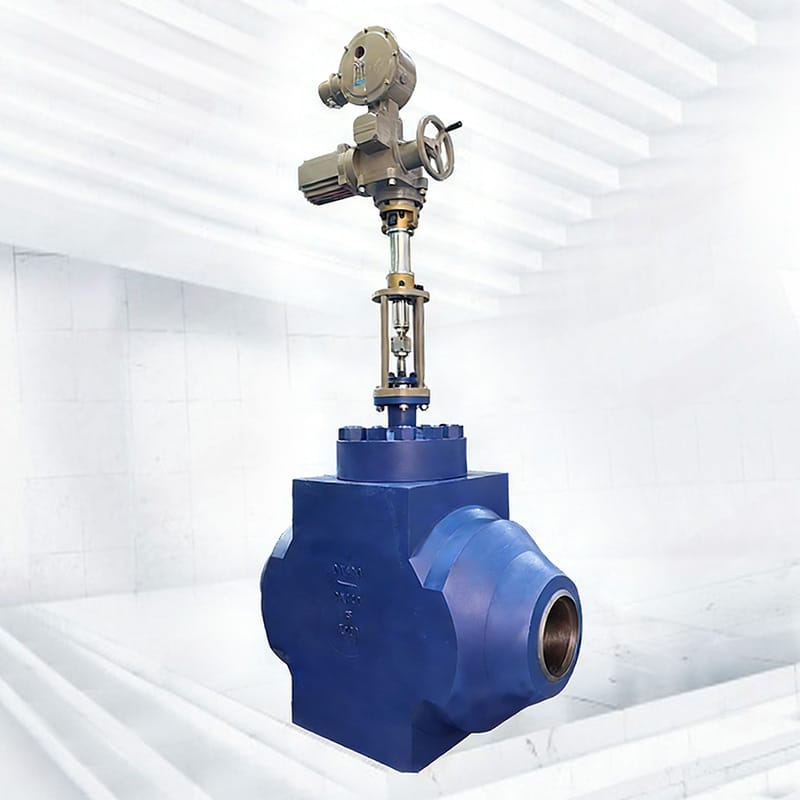
An electric water control valve operates through an electric actuator that moves a valve mechanism—such as a ball, butterfly, or globe—in response to control signals from automation systems like PLCs or SCADA. This automation enables precise regulation of water flow without constant manual intervention, making them indispensable in today’s smart water management systems.
The advantages over manual valves are substantial. Electric valves provide remote operation capabilities, programmable control sequences, and seamless integration with building automation systems. They eliminate the need for personnel to physically adjust valves, reducing labor costs and improving response times to changing system demands. In industrial and commercial settings, these efficiencies translate directly to operational savings and improved process control.
Types of Electric Water Control Valves
Understanding the different types of electric water control valves available helps match the right technology to your specific application requirements.
Solenoid Electric Water Control Valves
Solenoid valves use electromagnetic coils to move a plunger, opening or closing the valve almost instantaneously. These compact devices excel in applications requiring rapid response times and frequent cycling. Their simple design makes them cost-effective for smaller systems, particularly in residential irrigation, automatic faucets, and process industries needing precise chemical dosing. The fast operation (milliseconds) suits time-sensitive applications but can cause water hammer in large-diameter pipes if not properly controlled.
Motorized Electric Water Control Valves
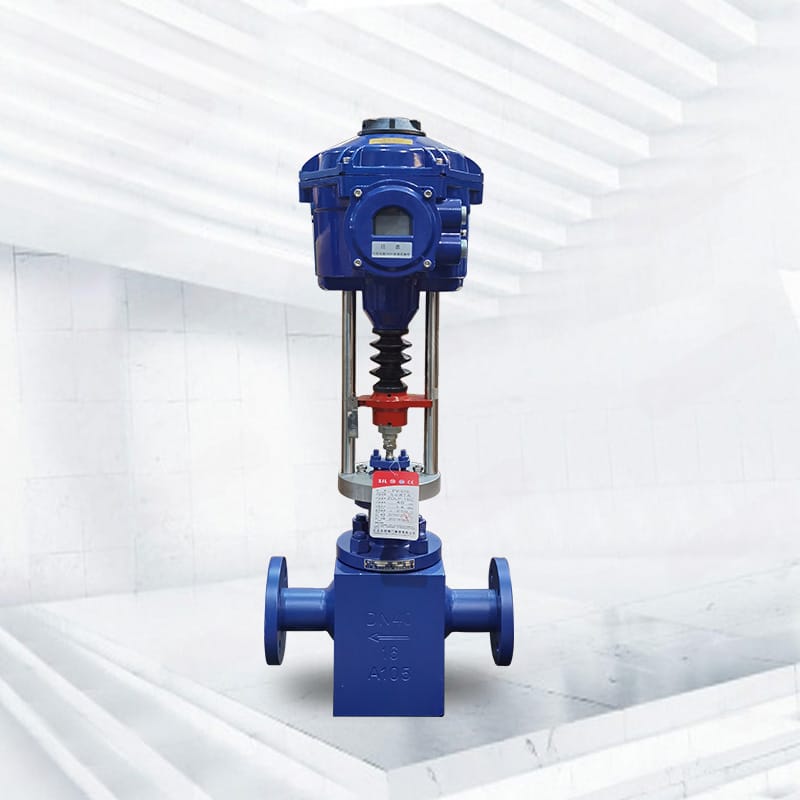
Motorized valves employ electric motors to drive actuators that position valve stems or rotate discs. These systems offer greater control versatility, including modulating capability for precise flow regulation. The slower, controlled actuation (typically 3-30 seconds depending on size) reduces water hammer risks and makes them suitable for larger pipe diameters and higher-pressure applications. Motorized ball valves provide reliable shutoff with low pressure drop, while motorized butterfly valves handle large-flow applications efficiently. Their robust construction withstands harsher conditions and provides longer service life in demanding industrial environments.
High-Pressure and Industrial Electric Water Control Valves
Industrial-grade electric water control valves are engineered for extreme conditions—pressures exceeding PN16, temperatures from -196°C to 650°C, and corrosive media environments. These valves feature reinforced construction with materials like stainless steel (304/316L), ductile iron with protective coatings, or specialized alloys. High-pressure designs incorporate multi-stage pressure reduction to prevent cavitation damage, while their larger flow capacities (up to DN800 and beyond) accommodate substantial water volumes in power plants, petrochemical facilities, and large-scale water treatment operations.
Table: Electric Water Control Valve Types and Applications
| Valve Type | Best Applications | Key Advantages | Common Sizes |
|---|---|---|---|
| Solenoid | Irrigation automation, chemical dosing, rapid-cycling systems | Fast response, compact design, cost-effective | DN8-DN50 |
| Motorized Ball | Main shutoffs, HVAC systems, high-flow applications | Full port design, low pressure drop, reliable sealing | DN15-DN300 |
| Motorized Butterfly | Large-diameter pipelines, cooling water systems, wastewater treatment | Lightweight, space-saving, cost-effective for large pipes | DN50-DN800+ |
| Electric Globe | Precise flow regulation, pressure control, throttling applications | Excellent flow accuracy, good for modulating control | DN15-DN300 |
| Electric Diaphragm | Chemical dosing, pressure regulation, clean water systems | No leakage, handles suspended solids, corrosion-resistant | DN15-DN150 |
Key Factors to Consider When Choosing an Electric Water Control Valve
Selecting the appropriate electric water control valve requires evaluating multiple technical and operational parameters to ensure optimal performance and reliability in your specific application.
Flow Rate and System Pressure Requirements
Calculate your maximum flow requirements and add a 20% safety margin to prevent undersizing. Undersized valves cause excessive pressure drop and can lead to cavitation damage. Conversely, oversized valves reduce control precision and increase costs. Match the valve’s pressure rating to your system’s maximum operating pressure, including transient pressure surges. High-pressure applications (above PN16) require specially designed valves with reinforced bodies and pressure-rated actuators.
Valve Material and Corrosion Resistance
Material selection significantly impacts valve longevity and maintenance requirements. Brass valves suit general water applications and offer good corrosion resistance at reasonable cost. Stainless steel (304 or 316L) provides superior corrosion resistance for aggressive environments, seawater applications, or food and pharmaceutical industries requiring hygienic conditions. PVC or CPVC materials work well for chemical resistance in corrosive media applications but have temperature limitations. Consider the total cost of ownership—higher initial material costs often reduce long-term maintenance and replacement expenses.
Compatibility with Water Type
Clean water systems demand different valve specifications than wastewater or process water. For clean water, standard sealing materials like EPDM provide reliable performance. Wastewater applications require valves that can handle solids, debris, and potentially corrosive chemicals. Larger flow paths and self-cleaning designs prevent clogging in sludge or debris-laden flows. Industrial process water containing chemicals or additives demands compatibility testing between valve materials and the specific media to prevent degradation and contamination.
Actuator Type and Response Time
Direct-current (DC 24V) actuators integrate seamlessly with PLC and SCADA systems, offering precise control and safety in industrial environments. Alternating-current (AC 220V) actuators suit standard commercial and residential applications with readily available power. Response time requirements vary by application—irrigation systems may need fast actuation for water conservation, while large industrial systems benefit from slower operation to prevent water hammer and system stress. Modulating actuators with 4-20mA or 0-10V control signals enable precise flow regulation in critical processes.
Energy Efficiency and Automation Compatibility
Modern electric water control valves incorporate energy-efficient designs that minimize power consumption. Some models consume power only during actuation and use mechanical positioning to maintain valve position, reducing operating costs dramatically compared to continuously-powered solenoids. Automation compatibility includes standard communication protocols (Modbus, Bacnet, etc.) for integration into building management systems. Smart valve technologies with position feedback and diagnostic capabilities enable predictive maintenance and remote monitoring, reducing unplanned downtime.
Longevity and Maintenance Needs
Consider total lifecycle costs when selecting valves. Quality electric water control valves often provide 15-20 years of service with proper maintenance, while economy options may require replacement every 3-5 years. Maintenance requirements vary by type—solenoid valves typically need coil and plunger maintenance, while motorized valves require periodic lubrication and seal replacement. Designs with manual override functionality allow emergency operation during power outages, adding system resilience. Selecting valves with readily available spare parts and manufacturer support reduces long-term ownership costs.
How Electric Water Control Valves Work
Electric water control valves operate through a straightforward yet sophisticated mechanism combining electrical signals with mechanical actuation to regulate water flow precisely and reliably.
Basic Operating Principle
The fundamental operation involves three key components: the valve body containing the flow control element, an electric actuator providing movement, and a control system sending commands. When a control signal activates the actuator, it moves the valve mechanism to the desired position—fully open, fully closed, or any intermediate position for modulating control. This automation enables precise regulation without manual intervention, critical for maintaining optimal system performance.
Actuation Methods: Solenoid vs Motorized
Solenoid actuation uses electromagnetic force generated when current flows through a coil. This magnetic field moves a plunger or armature, rapidly opening or closing a small orifice. The simplicity of this design provides fast operation but limits force output, making solenoids suitable for smaller valves and lower pressure applications. Motorized actuation employs electric motors driving gearboxes to generate substantial torque, enabling operation of larger valves against higher system pressures. The slower, controlled movement of motorized actuators provides better control and reduces mechanical stress on the valve and piping system.
Integration with Control Systems
Modern electric water control valves integrate seamlessly with automation systems through standard electrical connections and communication protocols. Simple on/off control uses basic voltage signals, while advanced modulating control accepts 4-20mA or 0-10V analog signals representing desired valve position. Smart valve technologies incorporate position feedback sensors that report actual valve position to the control system, enabling closed-loop control for precise flow regulation. Communication protocols like Modbus, Bacnet, or proprietary networks allow remote monitoring and control from central management systems, essential for large-scale water distribution networks.
Flow Regulation and Precision Control Advantages
The precision of electric water control valves enables sophisticated flow regulation strategies impossible with manual valves. Modulating control maintains constant flow rates regardless of system pressure variations, optimizing performance in HVAC systems and industrial processes. Pressure-reducing electric valves maintain stable downstream pressure despite upstream fluctuations, protecting sensitive equipment and ensuring consistent water delivery. The repeatability and accuracy of electric actuation—often within 1% of setpoint—significantly improves process control and reduces product waste in industrial applications.
Applications of Electric Water Control Valves
The versatility of electric water control valves makes them essential across diverse applications, from residential systems to large-scale industrial operations.
Residential Water Systems
Home automation increasingly incorporates electric water control valves for irrigation, plumbing automation, and water conservation. Smart irrigation systems use solenoid or small motorized valves controlled by weather-based controllers to optimize watering schedules and reduce water waste. Residential water management systems employ electric valves for leak detection, automatic shutoff during pipe failures, and temperature regulation in hydronic heating systems. These applications benefit from the reliability and automation capabilities of electric valves, reducing homeowner maintenance burdens while improving system efficiency.
Industrial Water Management
Industrial facilities rely on electric water control valves for critical processes in manufacturing, power generation, chemical processing, and food production. Cooling water systems use large motorized butterfly or ball valves to regulate flow to heat exchangers, maintaining optimal equipment temperatures. Boiler feedwater systems require precise flow control with high-pressure electric globe or ball valves to ensure safe and efficient operation. Chemical dosing applications employ electric diaphragm valves for accurate chemical injection, essential for water treatment and process control. The automation capabilities of these valves integrate with plant-wide control systems for coordinated operation and optimized resource utilization.
Agricultural Irrigation Systems
Modern agriculture increasingly adopts automated irrigation systems using electric water control valves to optimize water use and improve crop yields. Center pivot and drip irrigation systems employ solenoid or motorized valves controlled by soil moisture sensors and weather stations to deliver water precisely when and where needed. This automation reduces water consumption by 20-40% compared to manual irrigation while improving crop quality. Large agricultural operations use multiple zones controlled by electric valves, enabling efficient irrigation of diverse crop types with varying water requirements.
Commercial Building Applications
Commercial buildings incorporate electric water control valves throughout HVAC systems, plumbing infrastructure, and fire protection systems. Chilled and hot water distribution networks use motorized valves for temperature control and flow balancing, optimizing energy efficiency and comfort. Domestic water systems employ pressure-reducing electric valves to maintain consistent pressure throughout tall buildings. Fire protection systems utilize electric valves for automatic actuation when fire alarms trigger, ensuring rapid water delivery to sprinkler systems. Building automation systems integrate all these valves for centralized monitoring and control, improving operational efficiency and reducing energy consumption.
Installation and Maintenance Tips
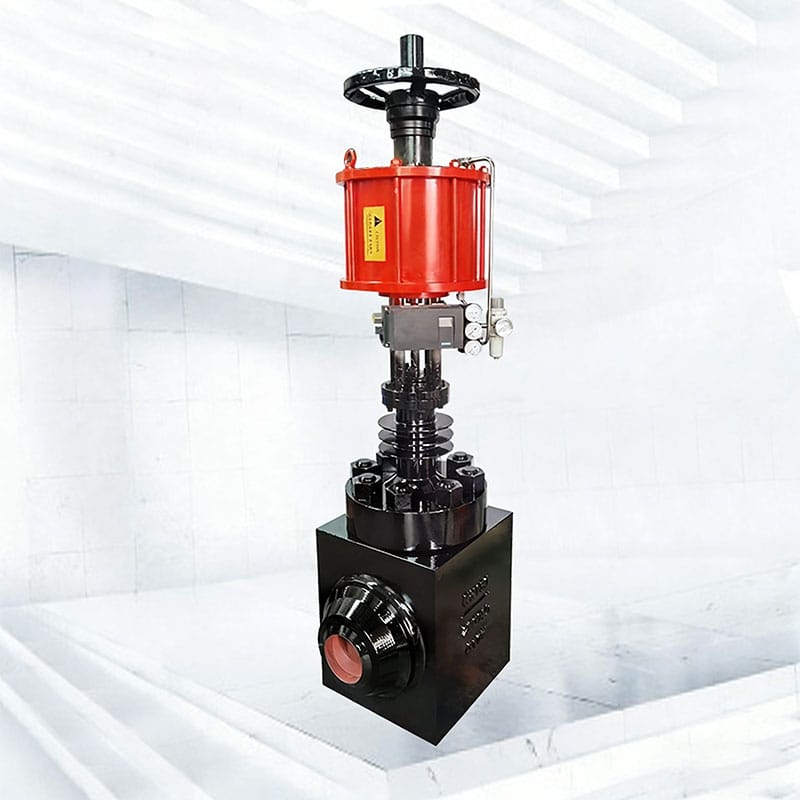
Proper installation and regular maintenance are essential for ensuring reliable operation and maximizing the service life of electric water control valves.
Step-by-Step Installation Guidelines
Begin by verifying the valve specification matches system requirements for pressure, temperature, flow, and electrical characteristics. Install the valve with flow direction arrows aligned with the intended water flow direction. Support the valve properly with brackets or hangers to prevent stress on piping connections. For flanged connections, tighten bolts evenly in a crisscross pattern to ensure uniform gasket compression. Threaded connections require appropriate thread sealant to prevent leaks while avoiding damage to threads. Electrical connections must follow the actuator manufacturer’s wiring diagram, with proper grounding and protection against moisture ingress. After installation, test the valve through full operation cycles to verify proper function before placing the system in service.
Wiring and Actuator Setup
Electrical installation requires attention to safety and proper configuration. Ensure power is disconnected before making any electrical connections. Verify voltage supply matches actuator requirements—AC 220V or DC 24V are common, but specifications vary. For modulating actuators, connect control signals according to the specified wiring configuration, observing proper polarity for analog signals. Install appropriate protection devices such as fuses or circuit breakers as recommended by the manufacturer. In outdoor or damp environments, use weatherproof enclosures and cable glands to protect electrical components. Configure limit switches and position feedback according to system requirements, and perform calibration procedures specified by the actuator manufacturer.
Regular Maintenance Practices to Ensure Longevity
Establish a preventive maintenance program based on the valve manufacturer’s recommendations and system operating conditions. Quarterly visual inspections identify leaks, corrosion, or physical damage. Semi-annual operation cycles prevent seals from taking a set and ensure moving parts remain free. Annual maintenance typically includes lubrication of moving parts per manufacturer specifications, inspection and replacement of seals if needed, verification of electrical connections, and testing of safety features. Keep maintenance logs to track valve performance and identify trends that might indicate developing problems. For critical applications, consider more frequent inspections or predictive maintenance strategies using smart valve diagnostic capabilities.
Troubleshooting Common Problems
Common issues include valves failing to respond to control signals, which often results from electrical problems such as power supply interruption, incorrect wiring, or actuator failure. Excessive noise or vibration typically indicates cavitation, excessive flow velocity, or mechanical issues like worn bearings. Slow response might stem from insufficient air supply for pneumatic actuators, low voltage for electric actuators, or mechanical binding. Leakage problems usually require seal replacement but may indicate damaged seats or improper installation. Systematic troubleshooting following manufacturer guidelines usually identifies the root cause, and many issues can be resolved through adjustment, repair, or component replacement without requiring complete valve replacement.
Common Problems and How to Solve Them
Understanding common electric water control valve problems and their solutions helps maintain system reliability and extend equipment life.
Valve Not Responding or Slow Actuation
When valves fail to respond to control signals, begin troubleshooting at the power source. Verify correct voltage reaches the actuator using a multimeter. Check control signal presence and strength for modulating applications. Inspect wiring connections for looseness, corrosion, or damage. For motorized actuators, listen for motor operation—if the motor runs but the valve doesn’t move, mechanical linkage problems or seized valve stems may be the cause. Solenoid valves not responding may have failed coils or plunger assemblies. Many actuators include manual override functionality that can temporarily restore operation while troubleshooting the electrical or control system issues.
Noise and Vibration Issues
Excessive noise during valve operation typically indicates cavitation—the formation and collapse of vapor bubbles in high-velocity flow areas. This problem occurs when pressure drops below the fluid’s vapor pressure, usually in partially-open valves or where system pressure exceeds valve ratings. Solutions include installing larger valves to reduce flow velocity, using multiple valves in series to share pressure drop, or selecting valves with anti-cavitation trim designs. Mechanical noise from loose components, worn bearings, or improper mounting can be addressed through repair or proper installation. Always identify the noise source before attempting repairs, as some operational noise is normal for certain valve types under specific conditions.
Flow Inconsistency and Pressure Drops
Inconsistent flow through electric water control valves often stems from control system tuning issues rather than valve problems. Check control system calibration, sensor accuracy, and control loop parameters for modulating applications. Sudden flow changes may indicate upstream issues like pump cycling or pressure fluctuations. Pressure drops exceeding specifications usually result from undersized valves or partial blockage. Calculate actual system conditions versus valve Cv ratings to identify sizing issues. Regular maintenance prevents gradual flow reduction due to scale buildup, debris accumulation, or seal degradation that gradually restricts flow over time.
Leakage and Corrosion Management
Leakage at valve connections typically requires re-seating or replacement of gaskets and O-rings. For packing leaks in stem-type valves, adjusting or replacing packing materials usually resolves the issue. Internal leakage past the seat often indicates seat damage or debris preventing proper sealing—disassembly and cleaning may restore sealing, but severely damaged seats require replacement. Corrosion requires material selection appropriate for the operating environment—consider upgrading to corrosion-resistant alloys for aggressive applications. Regular inspections catch corrosion early, allowing preventive measures before leaks develop. Proper installation, including alignment and adequate support, prevents mechanical stress that can accelerate corrosion and leakage problems.
Tips for Prolonging Valve Life and Ensuring Reliable Performance
Maximizing electric water control valve service life starts with proper selection for the application conditions—never exceed pressure, temperature, or flow specifications. Install valves correctly with adequate support, proper alignment, and suitable protection from environmental factors. Regular preventive maintenance addresses issues before they become failures. Keep detailed maintenance records to identify patterns and optimize maintenance intervals. For critical applications, maintain spare parts inventory to minimize downtime during repairs. When replacements become necessary, consider upgrading to newer technologies with improved efficiency or diagnostic capabilities. Partner with reputable manufacturers who provide technical support, quality components, and application expertise—these relationships prove invaluable when troubleshooting complex problems or designing new systems.
Choosing a Reliable Electric Water Control Valve Manufacturer
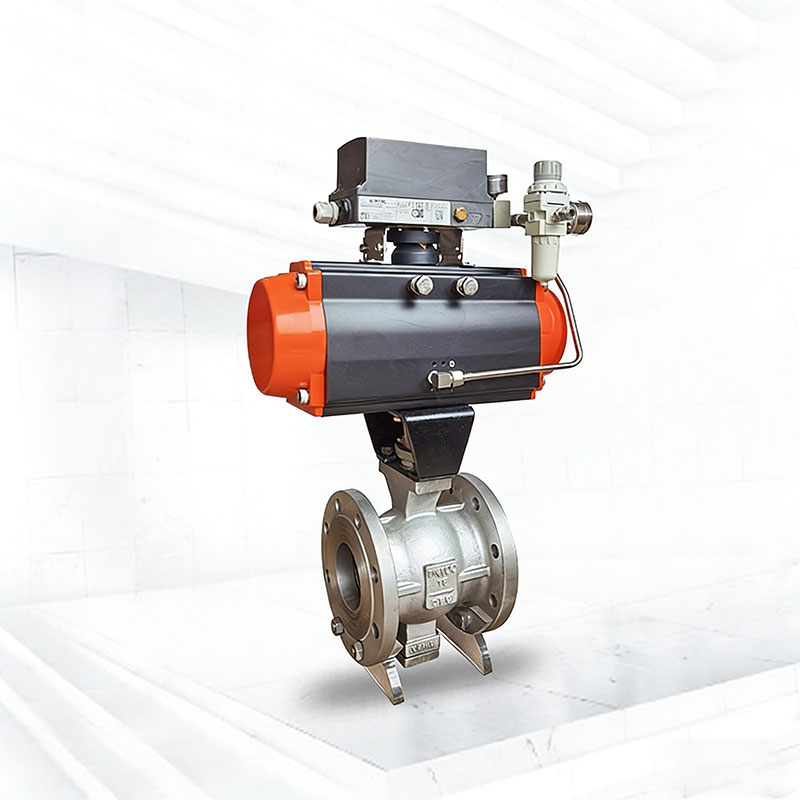
The manufacturer behind your electric water control valves significantly impacts product quality, reliability, and long-term satisfaction with your investment.
Why Choosing a Manufacturer Directly Matters
Working directly with manufacturers rather than through multiple distributors ensures you receive genuine products with full warranty coverage and technical support. Manufacturers understand their products’ capabilities and limitations better than third-party sellers, enabling better application guidance and technical assistance. Direct relationships often provide faster response times for urgent needs, access to customization options, and preferential pricing for volume purchases. When issues arise, manufacturers can quickly provide replacement parts, repair services, or technical troubleshooting support, minimizing system downtime and reducing total cost of ownership.
Quality Control, Certifications, and Warranty Considerations
Quality manufacturers implement rigorous testing protocols throughout the production process, including material verification, pressure testing, and functional testing of each valve. Look for manufacturers with ISO 9001 quality management certification and products certified by recognized organizations like API, ASME, CE, or other relevant industry standards for your application. These certifications demonstrate commitment to quality and compliance with international standards. Warranty terms indicate manufacturer confidence in product quality—longer warranties typically reflect superior design and manufacturing quality. Understand warranty terms completely, including coverage limitations, required maintenance procedures, and proper installation requirements to ensure warranty protection remains valid.
Customization Options for Specific Systems
Every water system presents unique challenges, and standard valve products don’t always provide optimal solutions. Manufacturers with customization capabilities can tailor valve designs, materials, actuator configurations, and control options to match specific application requirements precisely. Common customizations include special materials for corrosive environments, modified flow characteristics for precise control needs, custom mounting configurations for space constraints, and specialized electrical interfaces for unique control systems. Discuss your application requirements thoroughly with the manufacturer to identify potential improvements that standard products cannot provide. Custom solutions often deliver better performance, longer service life, and reduced total cost of ownership compared to compromises with off-the-shelf products.
How to Evaluate Manufacturer Support and Technical Assistance
Beyond product quality, manufacturer support significantly impacts long-term satisfaction. Evaluate technical assistance availability during design, installation, and operation phases. Comprehensive product documentation, including installation manuals, maintenance guides, and troubleshooting procedures, indicates manufacturer commitment to customer success. Training programs for engineers and maintenance technicians ensure proper valve selection, installation, and maintenance practices. Responsive technical support channels for urgent problems prevent costly system downtime. Consider manufacturers who offer value-added services like system audits, performance optimization recommendations, and upgrade path planning for future system expansions. These capabilities transform a simple supplier relationship into a valuable partnership that contributes to operational excellence.
Conclusion
Choosing the right electric water control valve requires careful consideration of system requirements, valve characteristics, and manufacturer capabilities. Start by understanding your application needs—flow rate, pressure, temperature, control requirements, and operating environment. Then select a valve type that matches these requirements while considering material compatibility, actuator specifications, and automation needs. Quality matters significantly in valve selection—reliable products from reputable manufacturers reduce total cost of ownership through longer service life, fewer failures, and better technical support.
Proper installation and regular maintenance are essential for achieving optimal performance and longevity from electric water control valves. Follow manufacturer guidelines precisely, implement preventive maintenance programs, and address issues promptly to prevent small problems from becoming major failures. When challenges arise, leverage manufacturer technical support and expertise rather than struggling alone—their product knowledge can often resolve issues quickly and effectively.
As water management systems continue evolving toward greater automation and efficiency, electric water control valves will play increasingly important roles in optimizing resource use, reducing energy consumption, and improving system reliability. Selecting the right valves today positions your system for future success while delivering immediate benefits in operational efficiency and control precision.
Contact us for expert guidance on selecting the optimal electric water control valve for your specific application. Our team of application engineers can analyze your requirements, recommend appropriate solutions, and provide the technical support you need throughout design, installation, and operation. Explore our comprehensive range of electric water control valves designed for reliable performance across diverse applications—we have the solutions you need to optimize your water management systems.
FAQ
How do I know which electric water control valve suits my system?
Start by identifying your specific application requirements: flow rate, pressure, temperature, water quality, and control needs (on/off versus modulating). Then consider operational factors like automation requirements, maintenance capabilities, and environmental conditions. Manufacturers provide selection guides and application engineers who can recommend appropriate valve types based on your specifications. When in doubt, consult with a technical representative who can analyze your system conditions and recommend the most suitable solution from their product range.
Can electric water control valves handle high-pressure water?
Yes, electric water control valves are available for high-pressure applications, with some models rated for pressures exceeding PN40 (approximately 580 PSI). High-pressure valves feature reinforced construction, pressure-rated actuators, and specialized designs to handle extreme conditions safely. However, not all electric valves suit high-pressure service—always verify the valve’s pressure rating exceeds your system’s maximum operating pressure, including transient surges. Industrial applications with pressures above PN16 typically require specially designed high-pressure valves from manufacturers with expertise in demanding applications.
What is the difference between solenoid and motorized valves?
The primary difference lies in actuation method and resulting performance characteristics. Solenoid valves use electromagnetic coils to move a plunger, providing fast operation (milliseconds) suitable for on/off control and rapid cycling applications. Motorized valves use electric motors to drive actuators, offering slower but more controlled movement (seconds to minutes) with greater force output for larger valves and higher pressures. Solenoid valves typically provide simple on/off control, while motorized valves often offer modulating capability for precise flow regulation. Solenoid valves excel in smaller sizes and cost-sensitive applications, while motorized valves dominate larger diameters and applications requiring precise control or high force.
How often should I maintain my electric water control valve?
Maintenance frequency depends on application severity, operating conditions, and manufacturer recommendations. Light-duty applications may require annual inspection, while severe conditions might need quarterly or monthly attention. At minimum, conduct visual inspections quarterly to identify leaks, corrosion, or physical damage. Semi-annual operational cycles prevent seals from taking a set. Annual maintenance typically includes lubrication, seal inspection, electrical connection verification, and functional testing. Critical applications may benefit from more frequent preventive maintenance or predictive maintenance strategies using smart valve diagnostic capabilities. Follow manufacturer guidelines and adjust frequency based on actual operating experience and valve performance history.
Are there cost-effective options for small residential systems?
Absolutely. Small residential systems can utilize cost-effective solenoid valves for irrigation automation and basic plumbing control. These valves offer reliable performance at reasonable prices, especially for straightforward on/off applications. Motorized ball valves in smaller sizes (DN15-DN25) provide excellent value for residential applications needing reliable shutoff and occasional operation. Consider total cost of ownership rather than just initial price—quality valves often last 10+ years with minimal maintenance, while economy options may require replacement every few years. For simple residential systems, standard catalog products from reputable manufacturers typically provide the best value without unnecessary features or oversizing.