Table of Contents
Introduction
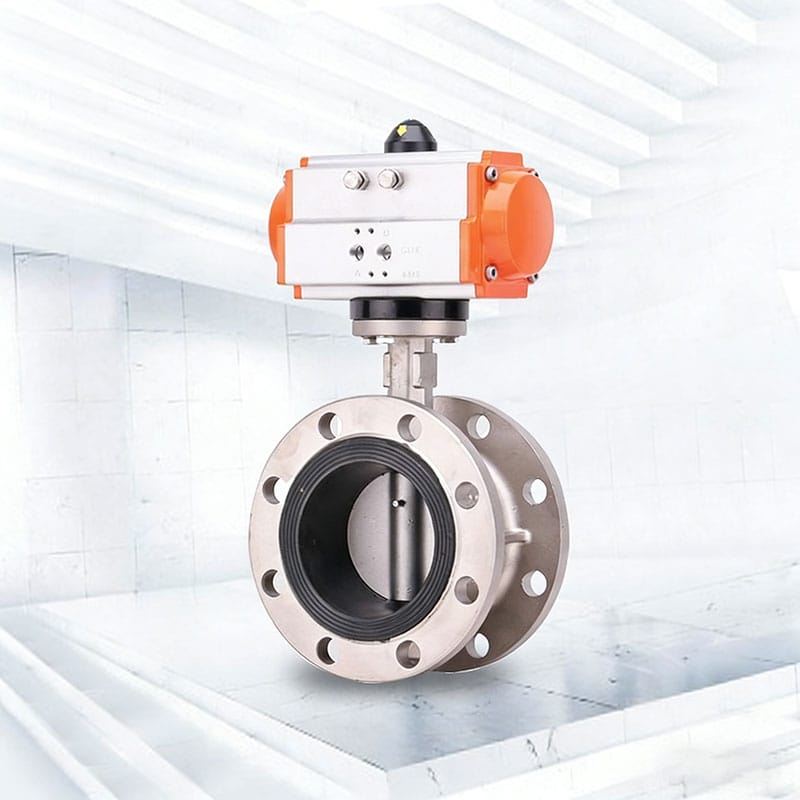
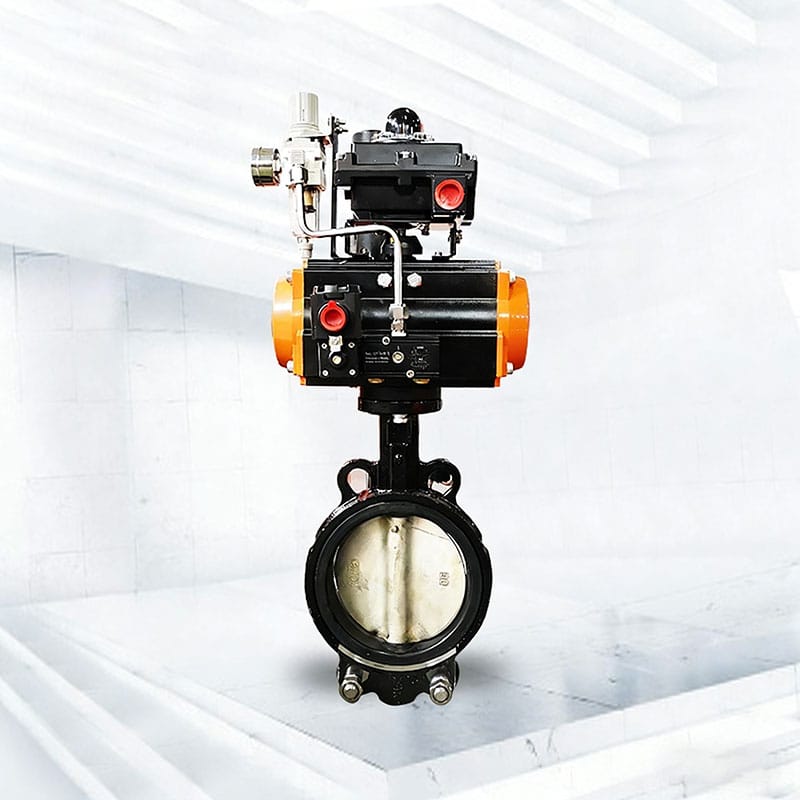
A high performance butterfly valve is a critical component in modern industrial flow control systems, designed to regulate, isolate, and control the flow of liquids, gases, and steam. Compared with standard butterfly valves, it offers enhanced sealing capability, higher pressure resistance, and improved operational stability in demanding environments.
These valves are widely used in industries such as oil and gas, chemical processing, water treatment, HVAC, and power generation. Their compact structure, fast operation, and cost efficiency make them a preferred solution for large-scale industrial pipelines.
From a manufacturer’s perspective, producing high performance butterfly valves is not just about assembly—it involves precision engineering, strict material selection, and compliance with international standards to ensure long-term reliability in real-world applications.
High Performance Butterfly Valve Manufacturer Perspective
As a professional high performance butterfly valve manufacturer, the focus is on engineering precision, durability, and performance consistency. Every stage—from casting to final testing—directly impacts valve reliability in industrial systems.
Manufacturing typically follows strict international standards such as API 609, ISO 9001, and ANSI specifications. These standards ensure dimensional accuracy, sealing performance, and pressure resistance across different applications.
Direct factory production also provides key advantages:
- Better cost control compared to trading companies
- Stable quality through in-house production systems
- Custom OEM solutions for specific engineering requirements
- Faster lead time and global export capability
For industrial buyers, working directly with a manufacturer ensures technical transparency and long-term supply stability.
Working Principle of High Performance Butterfly Valves
The operation of a high performance butterfly valve is based on a simple yet efficient rotating disc mechanism. When the disc rotates, it either allows or restricts fluid flow through the pipeline.
The key innovation lies in the offset design:
- Double offset reduces seat friction and improves sealing life
- Triple offset enhances metal-to-metal sealing for high-temperature applications
This design significantly reduces torque requirements while improving shut-off performance, making it suitable for automated actuator systems in industrial environments.
Key Components and Structural Design
The performance of a high performance butterfly valve depends heavily on its internal structure and material quality. Each component plays a specific role in ensuring durability and sealing efficiency.
| Component | Function | Common Materials |
|---|---|---|
| Valve Body | Main pressure housing | Carbon steel, stainless steel |
| Disc | Controls flow regulation | SS304, SS316, alloy steel |
| Seat | Ensures sealing performance | PTFE, RPTFE, metal seat |
| Stem | Transfers torque motion | Stainless steel |
| Bearing System | Reduces friction | Composite or metal alloy |
High precision machining ensures tight tolerances, which is essential for minimizing leakage and improving service life in high-pressure systems.
High Performance Butterfly Valve vs Standard Butterfly Valve
Not all butterfly valves are designed for industrial-grade performance. The difference between standard and high performance designs is significant in both structure and application.
High performance butterfly valves typically feature double or triple offset construction, while standard valves use a centered disc design. This results in major performance differences:
- Higher pressure and temperature resistance
- Improved sealing performance under extreme conditions
- Longer operational lifespan
- Better suitability for critical industrial systems
Standard butterfly valves are generally used for low-pressure water systems, while high performance versions are engineered for demanding industries such as oil, gas, and chemical processing.
Industrial Applications of High Performance Butterfly Valves
High performance butterfly valves are widely adopted across multiple industries due to their versatility and reliability.
Common applications include:
- Oil and gas transmission pipelines
- Chemical processing and corrosive fluid control
- Water treatment and desalination plants
- HVAC systems in commercial buildings
- Steam and power generation facilities
- Marine and offshore engineering systems
Their ability to maintain stable performance under varying pressure and temperature conditions makes them essential in modern industrial infrastructure.
Material Selection and Performance Optimization
Material selection is one of the most important factors in valve performance. Different industrial environments require different material combinations to ensure durability and corrosion resistance.
For example:
- Stainless steel is ideal for corrosive chemical environments
- Carbon steel is widely used in general industrial systems
- Alloy materials are preferred for high-temperature applications
Seat materials also play a critical role in sealing performance. PTFE and reinforced elastomers are commonly used for low-leakage requirements, while metal seats are used in high-temperature and high-pressure systems.
Pressure Ratings, Standards, and Technical Specifications
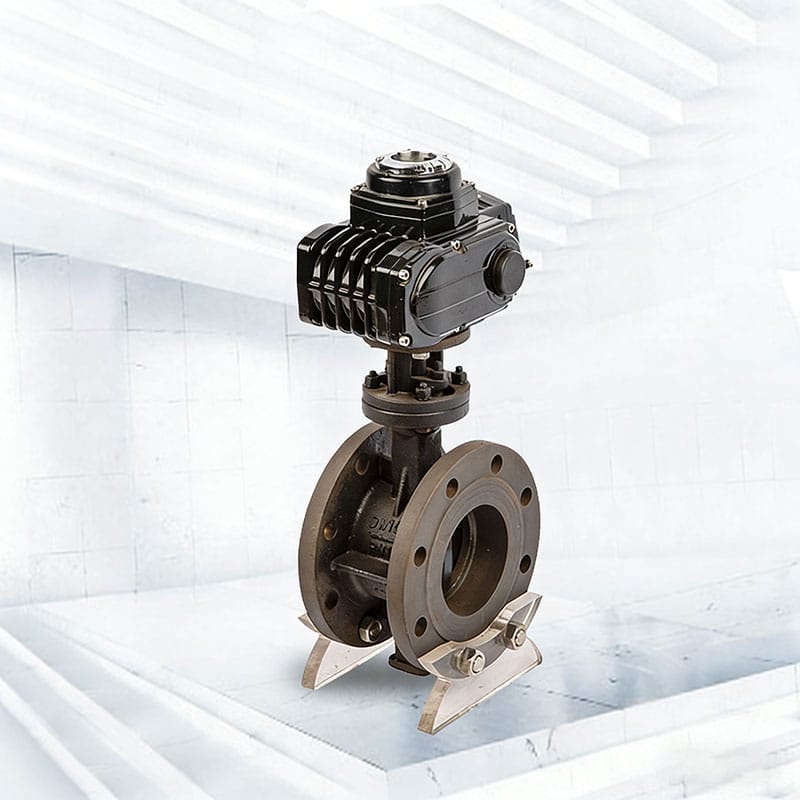
High performance butterfly valves are designed to meet strict industrial standards and pressure classifications. These specifications determine where and how the valve can be used safely.
Common pressure ratings include Class 150, Class 300, and higher configurations for specialized systems. International standards such as API 609 ensure consistency in design and performance across global markets.
Key technical factors include:
- Pressure-temperature limits
- Face-to-face dimensions
- Torque requirements
- Leakage classification (tight shut-off performance)
- Actuator compatibility
These parameters must be carefully matched to system requirements to ensure safe and efficient operation.
Buying Guide from a High Performance Butterfly Valve Manufacturer
Selecting the right supplier is critical for long-term system reliability. From a manufacturer’s standpoint, several factors should be considered when evaluating a high performance butterfly valve supplier.
Key considerations:
- Whether the supplier is a direct manufacturer or trading company
- Availability of OEM and customization services
- Compliance with international quality standards
- Production capacity and delivery stability
- Technical support and after-sales service
Buyers should also evaluate whether the manufacturer can provide tailored solutions for specific industries, especially in high-pressure or corrosive environments.
Quality Control and Manufacturing Process
A reliable high performance butterfly valve must go through strict quality control procedures throughout production.
Typical manufacturing process includes:
- Raw material inspection and certification
- Precision casting or forging
- CNC machining for dimensional accuracy
- Assembly of internal components
- Pressure testing and leak testing
- Final inspection before packaging
Each step ensures that the valve meets industrial performance requirements and can operate safely under demanding conditions.
Maintenance and Operational Best Practices
Although high performance butterfly valves are designed for long service life, proper maintenance is essential to ensure consistent performance.
Best practices include:
- Regular inspection of sealing surfaces
- Monitoring torque performance and actuator response
- Cleaning internal components in corrosive environments
- Replacing seat materials when wear is detected
- Ensuring correct installation alignment
Proper maintenance significantly extends valve lifespan and reduces system downtime.
Global Market Trends in High Performance Butterfly Valves
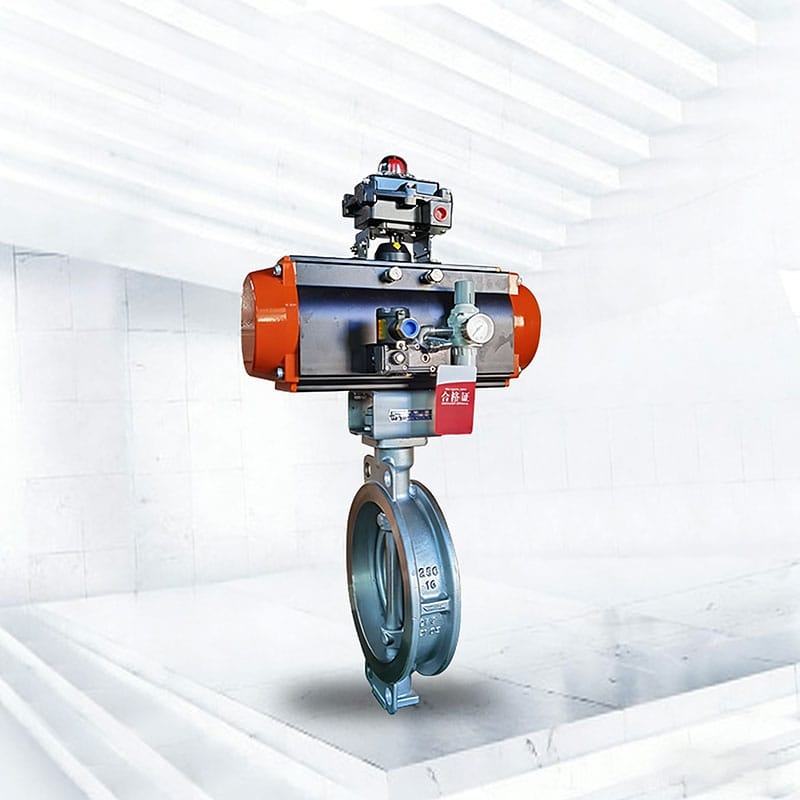
The global demand for high performance butterfly valves continues to grow, driven by industrial expansion and infrastructure development.
Key trends include:
- Increased demand in energy and water industries
- Rising adoption of automated valve systems
- Focus on energy efficiency and low-leakage designs
- Expansion of OEM manufacturing in global supply chains
- Technological improvements in sealing and control systems
Manufacturers are increasingly focusing on innovation and customization to meet evolving industrial requirements.
Conclusion
High performance butterfly valves are essential components in modern industrial flow control systems, offering reliable performance, strong sealing capability, and adaptability across a wide range of applications.
As a dedicated manufacturer, the focus is not only on production but also on delivering engineering precision, material reliability, and consistent quality control. These factors directly influence system efficiency and long-term operational stability.
For industries seeking efficient flow control solutions, selecting a trusted manufacturer ensures better performance, lower maintenance costs, and improved system safety. As global industrial demand continues to grow, high performance butterfly valves will remain a key technology in advanced fluid control systems.
FAQ
What is a high performance butterfly valve used for?
It is used for regulating and isolating flow in industrial pipelines such as oil, gas, chemical, water treatment, and HVAC systems.
What makes a high performance butterfly valve different from a standard valve?
It uses double or triple offset design, providing better sealing, higher pressure resistance, and longer service life compared to standard butterfly valves.
What industries commonly use high performance butterfly valves?
They are widely used in oil & gas, chemical processing, power plants, marine systems, and water treatment facilities.
Can a high performance butterfly valve handle high pressure and temperature?
Yes. It is engineered with advanced sealing and material structures to perform reliably under high-pressure and high-temperature conditions.
How do I choose the right high performance butterfly valve?
Selection depends on pressure rating, temperature, fluid type, material requirements, and whether you need manual or automated actuator control.