Table of Contents
Introduction
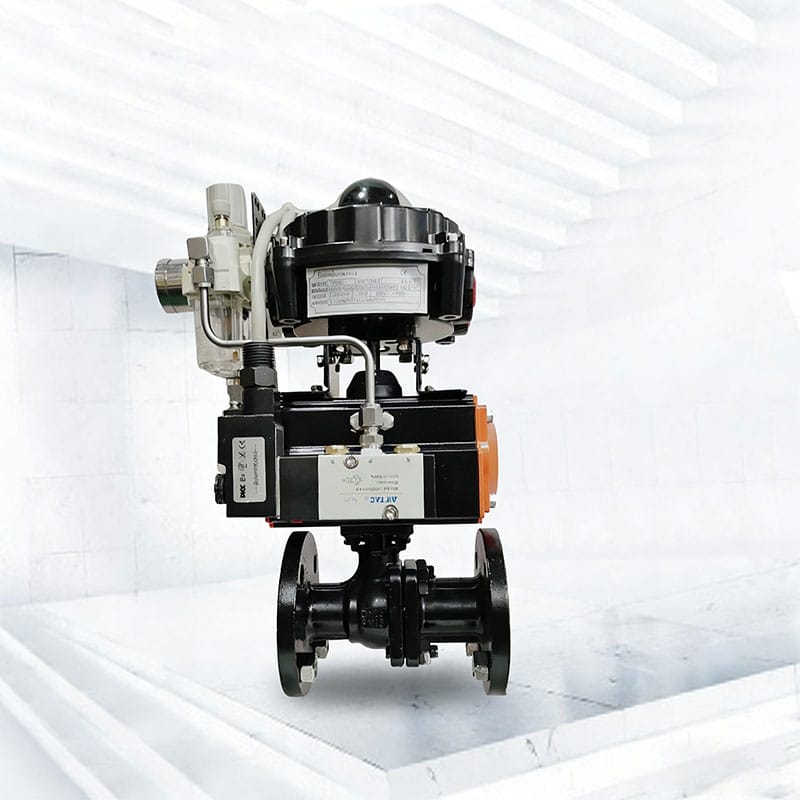
High pressure ball valves are essential components in modern industrial fluid control systems, especially in environments where safety, sealing performance, and durability are critical. As a professional high pressure ball valve manufacturer, our focus is not only on producing reliable valves but also on helping buyers understand how to select the right product for their applications.
From oil and gas pipelines to chemical processing plants, demand for high pressure ball valve solutions continues to grow. This is driven by increasing industrial automation, stricter safety requirements, and the need for long-term operational stability. Choosing the right supplier directly impacts system performance, maintenance cost, and overall project safety.
What Is a High Pressure Ball Valve?
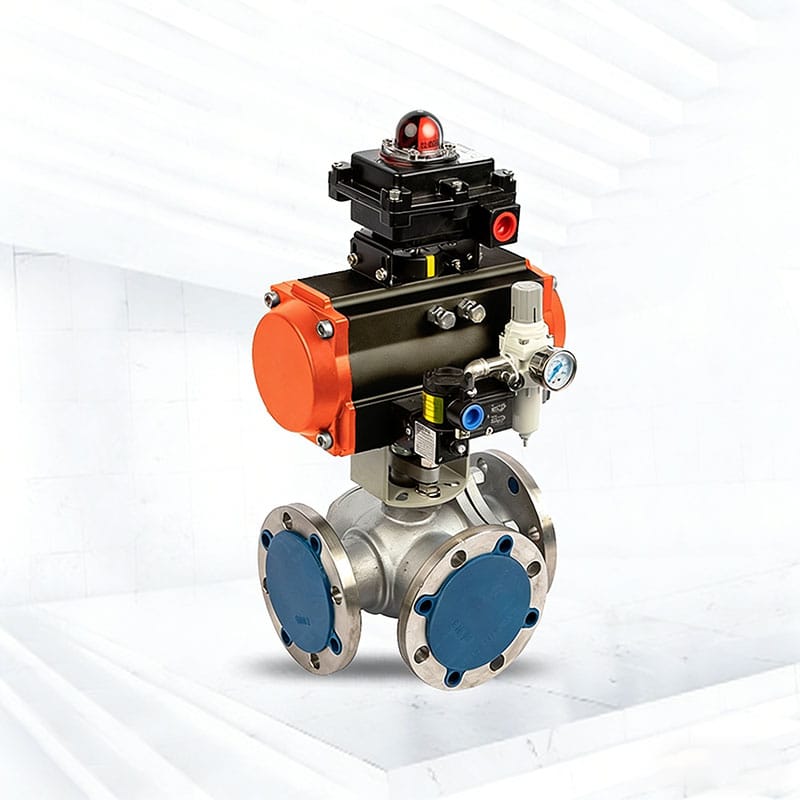
A high pressure ball valve is a type of industrial valve designed to control fluid flow under extremely high pressure conditions. It uses a rotating ball with a bore to open or close the flow path.
Key structural elements include:
- Valve body
- Ball (flow control element)
- Seat sealing system
- Stem and actuator connection
Compared with standard valves, high pressure ball valves are engineered to handle significantly higher pressure ratings, often ranging from 1000 PSI up to 10000 PSI depending on design and material.
High Pressure Ball Valve Working Principle
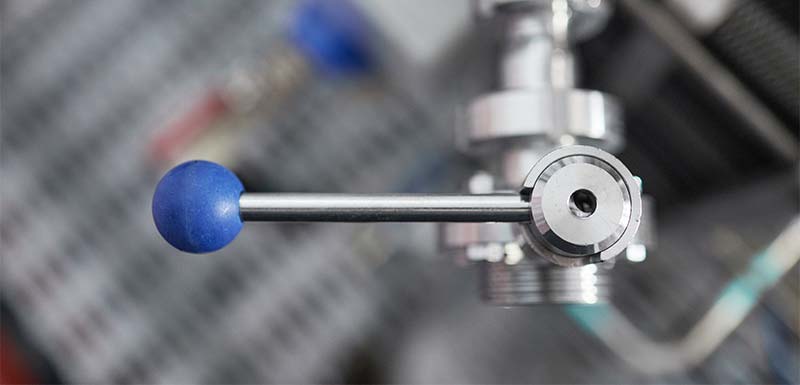
The operating principle is straightforward but highly effective. When the handle or actuator rotates the stem, the ball rotates 90 degrees:
- When the bore aligns with the pipeline → flow is open
- When the ball rotates perpendicular → flow is fully blocked
This quarter-turn mechanism provides fast shut-off capability, which is critical in emergency and high-risk industrial environments. Advanced sealing technology ensures zero leakage under high pressure conditions.
Key Materials Used in Ball Valve Production
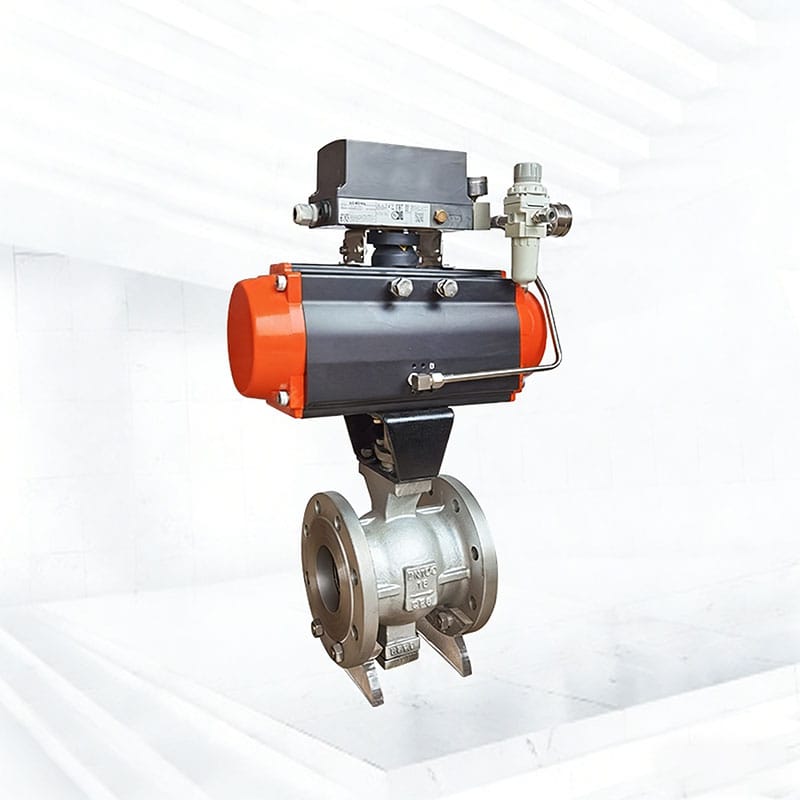
Material selection plays a crucial role in performance and durability. Different industries require different configurations.
Common materials include:
- Stainless steel (304 / 316 / 316L)
- Forged carbon steel
- Alloy steel for extreme conditions
- PTFE / RPTFE / metal-to-metal sealing materials
Stainless steel ball valves are widely used due to their corrosion resistance and mechanical strength, especially in chemical and marine applications.
High Pressure Rating and Performance Standards
High pressure ball valves must comply with strict international standards to ensure safety and reliability. Below is a simplified overview:
| Standard Type | Description | Application |
|---|---|---|
| API 6D | Pipeline valve standard | Oil & gas pipelines |
| API 608 | Metal ball valve standard | Industrial systems |
| ISO 5208 | Pressure testing standard | Leakage testing |
| ASME B16.34 | Pressure-temperature ratings | Design validation |
Pressure testing methods typically include hydrostatic and pneumatic testing to ensure sealing integrity under operational conditions.
Types of Ball Valves
Different industrial applications require different valve structures.
Common types include:
- 2-piece ball valve
- 3-piece ball valve
- Floating ball valve design
- Trunnion mounted ball valve
- Threaded, flanged, and welded connections
- High pressure hydraulic ball valve
Each type is selected based on pressure level, pipeline size, and media characteristics.
Industrial Applications of High Pressure Ball Valve
High pressure ball valves are widely used across multiple industries where flow control precision and safety are essential.
Main applications include:
- Oil and gas transportation systems
- Chemical processing plants
- Hydraulic machinery systems
- Power generation facilities
- Offshore drilling platforms
- High-pressure water and steam systems
In these environments, valve failure is not an option, which is why selecting a reliable manufacturer is critical.
How to Choose a Reliable High Pressure Ball Valve Manufacturer
Choosing the right supplier is more important than just comparing price. A professional manufacturer ensures consistency, safety, and long-term performance.
Key evaluation factors:
- Factory production capability
- CNC machining precision level
- Material traceability system
- Quality control and pressure testing process
- OEM and customization ability
- Export experience and certifications
- Technical support and after-sales service
Working directly with a factory-level supplier often provides better cost control and technical reliability compared to trading companies.
High Pressure Ball Valve Installation and Maintenance Guide
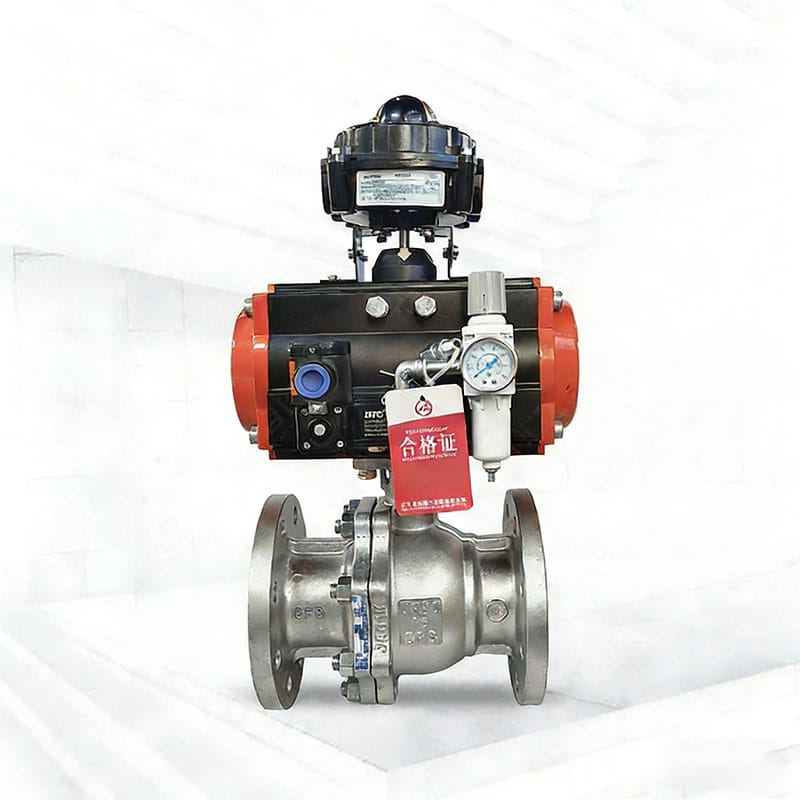
Proper installation and maintenance significantly extend valve service life.
Installation best practices:
- Ensure pipeline is clean before installation
- Avoid over-tightening threaded connections
- Align pipeline to reduce mechanical stress
- Use correct torque specifications
Maintenance recommendations:
- Regular sealing inspection
- Lubrication of moving components
- Pressure testing during scheduled shutdowns
- Immediate replacement of worn seats or seals
Proper maintenance reduces leakage risks and improves long-term performance.
Advantages of Buying Directly from a Manufacturer
Purchasing directly from a ball valve manufacturer provides several strategic advantages:
- Lower procurement cost without middlemen
- Customized OEM/ODM solutions
- Stable production quality control
- Faster technical communication
- Flexible order quantity support
- Reliable long-term supply chain
This approach is especially beneficial for engineering contractors and industrial distributors.
Common Problems in High Pressure Ball Valves and Solutions
| Problem | Cause | Solution |
|---|---|---|
| Leakage | Seat wear or improper sealing | Replace sealing components |
| High torque operation | Dirt or corrosion buildup | Clean and lubricate valve |
| Body corrosion | Aggressive media exposure | Use corrosion-resistant materials |
| Pressure drop | Internal blockage | Inspect and clean flow path |
Understanding these issues helps reduce downtime and maintenance costs.
Why Choose Us as Your High Pressure Ball Valve Supplier
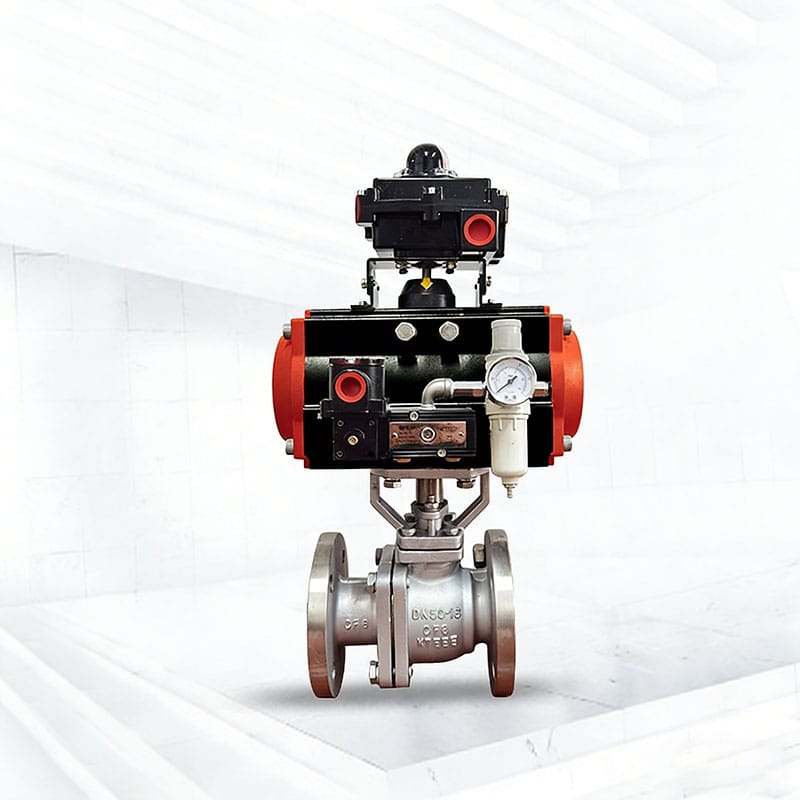
As a dedicated high pressure ball valve manufacturer, we focus on delivering reliable industrial valve solutions tailored to demanding applications.
Our advantages include:
- Advanced CNC machining production lines
- Strict material inspection and traceability
- API and ISO compliant manufacturing system
- OEM and custom engineering support
- Export experience in global industrial markets
- Stable quality control from raw material to finished product
We aim to provide not just valves, but complete fluid control solutions for industrial clients worldwide.
Conclusion
High pressure ball valves are critical components in modern industrial systems where safety, precision, and durability are essential. Selecting a professional high pressure ball valve manufacturer ensures better product reliability, improved system efficiency, and long-term cost savings.
By working directly with a qualified factory supplier, businesses can achieve higher customization flexibility, stable product quality, and stronger technical support. Whether used in oil and gas, chemical processing, or hydraulic systems, the right valve selection plays a key role in operational success.
FAQ
What is a high pressure ball valve used for?
A high pressure ball valve is used to control flow in systems with extreme pressure conditions, such as oil & gas pipelines, hydraulic systems, and chemical processing industries.
What pressure can a high pressure ball valve handle?
Depending on design and material, high pressure ball valves typically handle pressure ranges from 1000 PSI up to 10000 PSI in industrial applications.
What materials are used in high pressure ball valves?
Common materials include stainless steel (304/316), forged carbon steel, and alloy steel, with sealing materials such as PTFE or metal seats for high durability.
How do I choose a reliable ball valve manufacturer?
Look for factory certification, production capability, pressure testing standards (API/ISO), OEM support, and proven export experience in industrial markets.
What industries use ball valves most?
They are widely used in oil and gas, chemical processing, power generation, hydraulic systems, and offshore engineering industries.