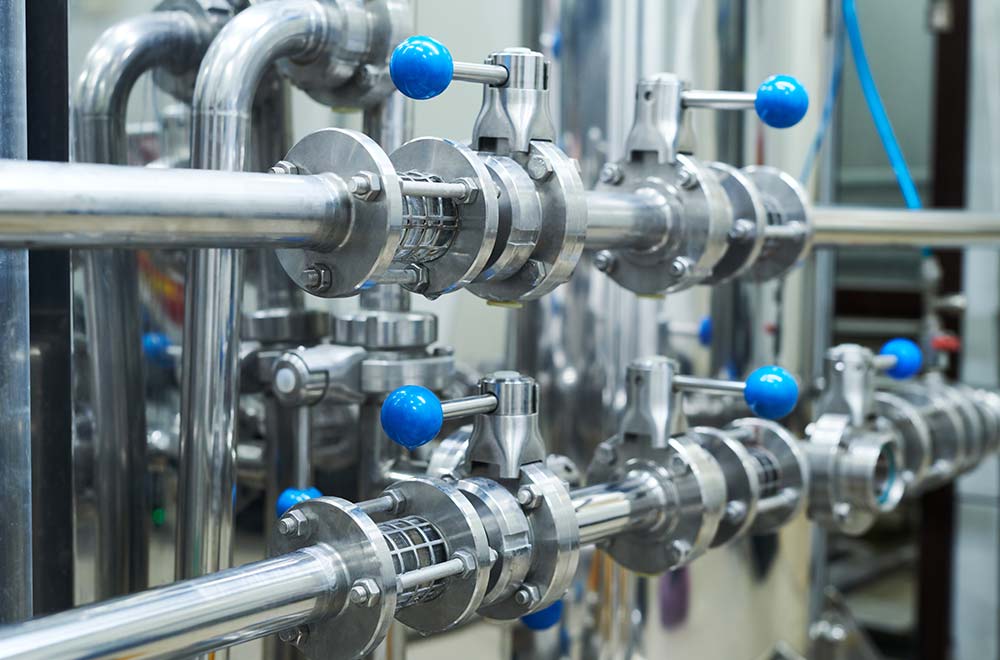
Industrial piping systems rarely fail because of a single weak point. More often, issues come from small design decisions that look acceptable on paper but behave differently once the system is running under real pressure, temperature changes, and continuous operation.
The wafer style butterfly valve is a good example of this. It looks simple, compact, and easy to install—but in industrial use, performance depends heavily on details like seat selection, media compatibility, and actuation method. This is where many projects quietly run into trouble later.
As a manufacturer working with industrial valve applications across water treatment, HVAC, and process pipelines, the focus should not only be “which valve fits the pipe,” but “which valve actually works long-term in this system.”
Table of Contents
Why Wafer Style Butterfly Valves Are Still Widely Used In Industrial Systems
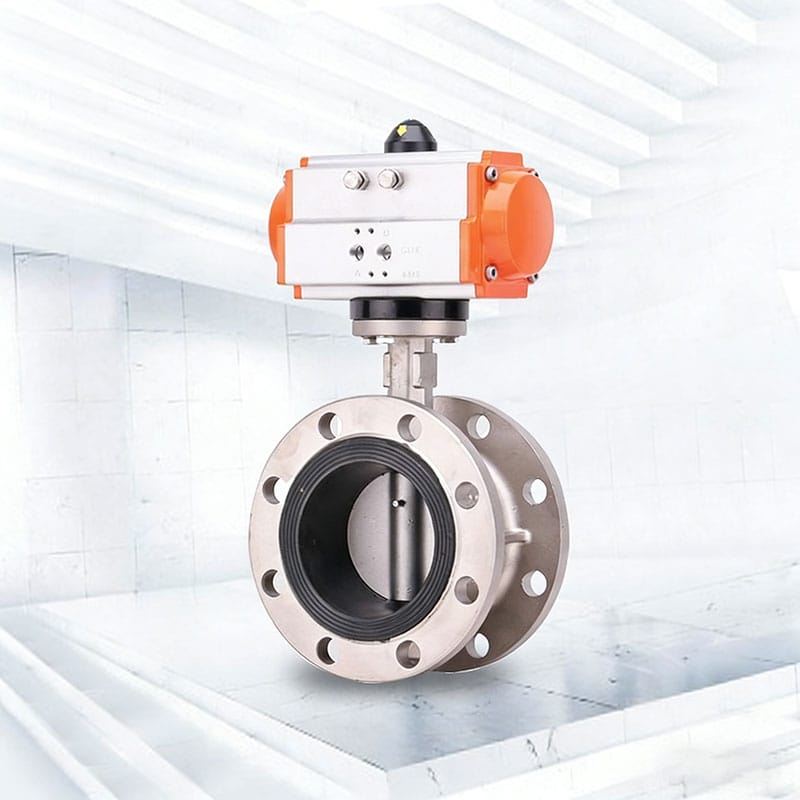
If you look at modern pipeline design, the trend is clear: systems are becoming more compact, more modular, and more automation-ready. That is exactly where wafer style butterfly valves continue to stay relevant.
They are not chosen because they are the simplest option—they are chosen because they solve three practical problems at once:
- Space limitation in pipeline layouts
- Fast installation between flanges
- Stable shut-off performance in large-diameter systems
In real projects, especially in water treatment plants or HVAC stations, engineers often prefer a valve that does not require long installation clearance. Wafer design fits this constraint without complicating the pipeline structure.
Another overlooked reason is system weight. In large pipelines, reducing valve weight helps reduce stress on supports and alignment issues over time. This becomes more important in long-run industrial operation than many buyers initially expect.
What Actually Defines A Wafer Style Butterfly Valve
At a basic level, the structure is simple: body, disc, stem, and seat. But in industrial use, “simple structure” does not mean “simple behavior.”
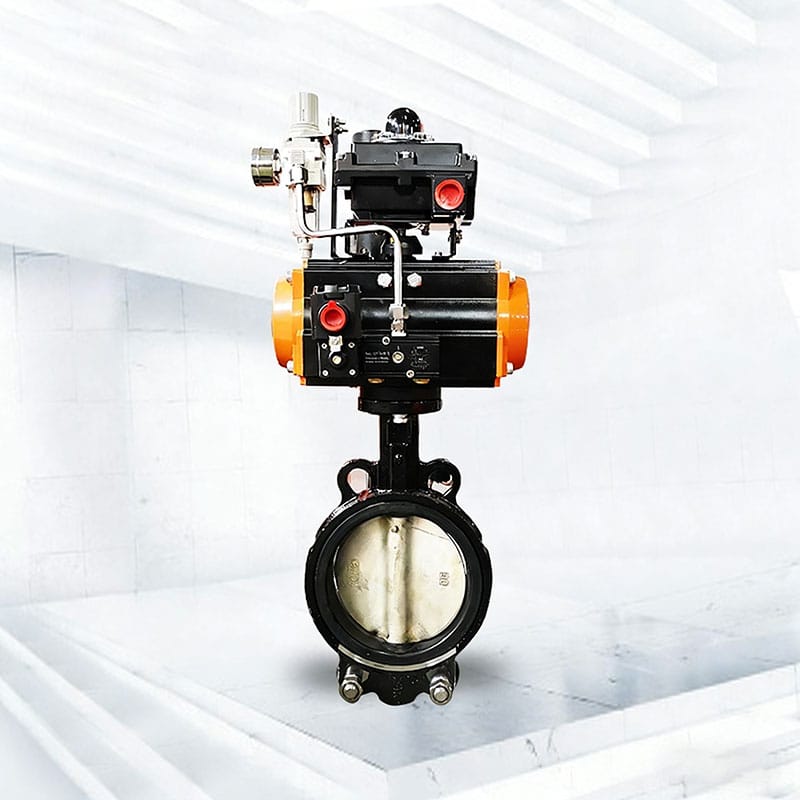
A wafer style butterfly valve works by rotating a disc inside the pipeline flow path. A quarter turn moves it from fully open to fully closed. The sealing happens when the disc presses against the seat material.
What matters more than the mechanism is how that mechanism behaves under different conditions:
- Does the seat recover after repeated cycles
- Does the disc maintain alignment under pressure changes
- Does the stem sealing remain stable under vibration
- Does the valve maintain torque consistency over time
These are the details that determine whether a valve performs well for years or starts showing leakage issues early in operation.
The Real Reason Valve Selection Fails In Projects
In many industrial systems, valve selection is based on pipe size and pressure rating alone. That is usually where problems begin.
A wafer butterfly valve used in clean water behaves very differently from one used in chemical media or high-temperature HVAC systems. The mistake is assuming that “same size = same performance.”
In practice, performance depends on:
- Media type (clean water, corrosive fluid, gas, slurry)
- Operating temperature range
- Frequency of operation
- Pressure fluctuation behavior
- Installation alignment quality
Two valves with identical dimensions can behave completely differently in the same pipeline if material selection is not aligned with the system conditions.
Material Selection Matters More Than Most Engineers Expect
One of the most critical decisions is valve body and seat material. This is where long-term performance is actually determined.
Common body materials include cast iron, ductile iron, stainless steel, and carbon steel. Each behaves differently depending on the application environment.
Seat materials are even more sensitive. EPDM, NBR, PTFE, and metal seats are not interchangeable choices—they are designed for different media behaviors.
For example:
- EPDM performs well in water systems but may not suit oil-based media
- PTFE offers better chemical resistance but behaves differently under mechanical stress
- Metal seated designs are used where temperature and abrasion become dominant factors
In real industrial environments, incorrect seat selection is one of the most common reasons for early leakage problems.
Why Pressure Rating Alone Is Not Enough
Many procurement decisions stop at pressure class. But pressure rating only describes static capability, not dynamic behavior.
Industrial pipelines rarely operate under constant conditions. Pressure spikes, valve cycling, and flow changes all create stress that is not reflected in basic ratings.
A wafer style butterfly valve must handle:
- Sudden pressure changes
- Reverse flow conditions
- Frequent open-close cycles
- Long-term sealing compression
This is why two valves with the same rating can still perform differently in real systems.
Where Wafer Style Butterfly Valves Are Actually Used
Instead of listing industries in theory, it is more useful to look at how they are applied in real systems.
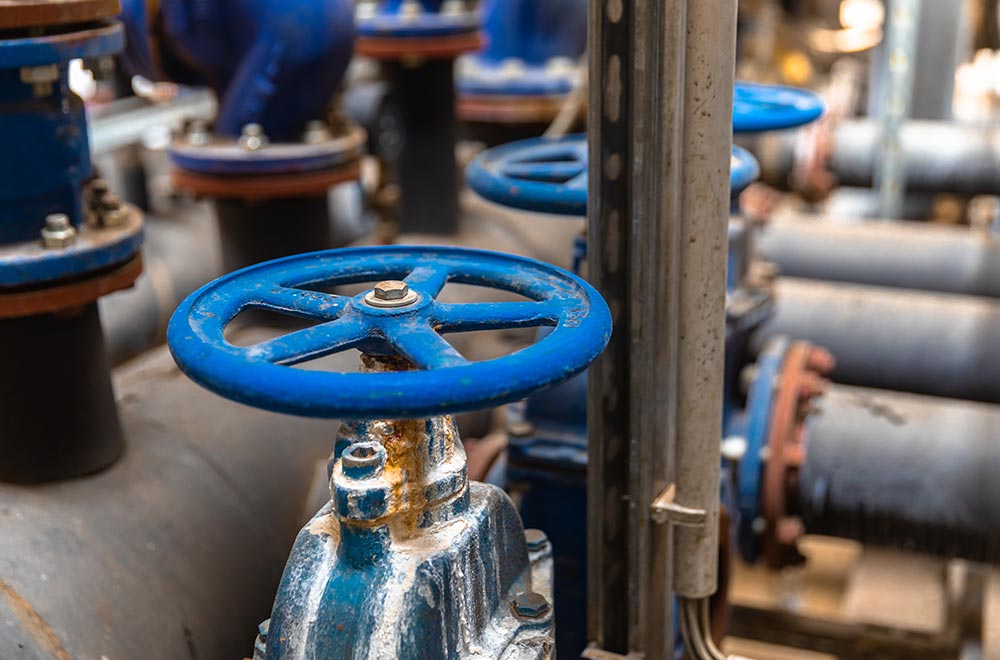
In water treatment systems, they are often used for isolation and flow regulation in distribution pipelines. Stability and sealing consistency matter more than aggressive performance.
In HVAC systems, the focus is on flow balance and energy efficiency. Pressure drop and smooth operation become key considerations.
In chemical processing environments, corrosion resistance and seat compatibility become the primary concern.
In fire protection systems, reliability under long standby periods is more important than frequent operation.
In oil and gas or industrial processing lines, the valve is often part of a larger control system where automation compatibility becomes essential.
Each application changes what “good performance” actually means.
Wafer Vs Lug Butterfly Valve: The Practical Difference
The comparison between wafer and lug style butterfly valves is not just structural—it is operational.
Wafer style valves are designed to sit between flanges and rely on full flange compression for stability. They are compact and efficient but depend on pipeline integrity.
Lug style valves, on the other hand, allow independent section isolation and are often used where pipeline segments need to be removed without affecting the entire system.
In practice:
- Wafer style is preferred for standard industrial flow systems
- Lug style is preferred for sectional isolation and maintenance flexibility
Neither is better universally. The decision depends on how the pipeline is maintained, not just how it is installed.
Manual, Pneumatic, And Electric Operation: What Changes In Real Use
The actuation method changes how the valve behaves in operation more than many users expect.
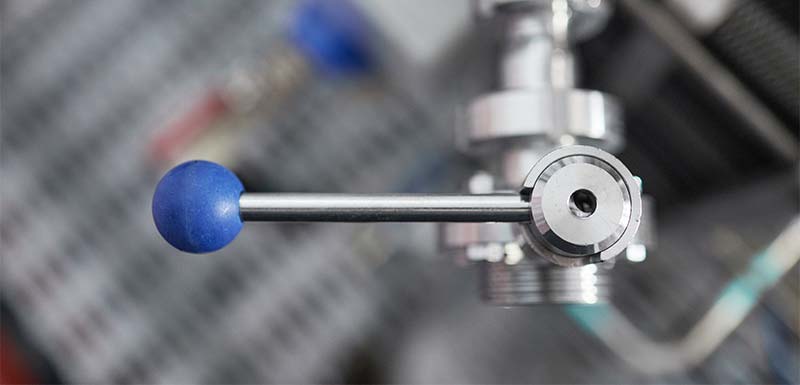
Manual valves are still widely used in systems with low switching frequency. They are simple and reliable but require physical access.
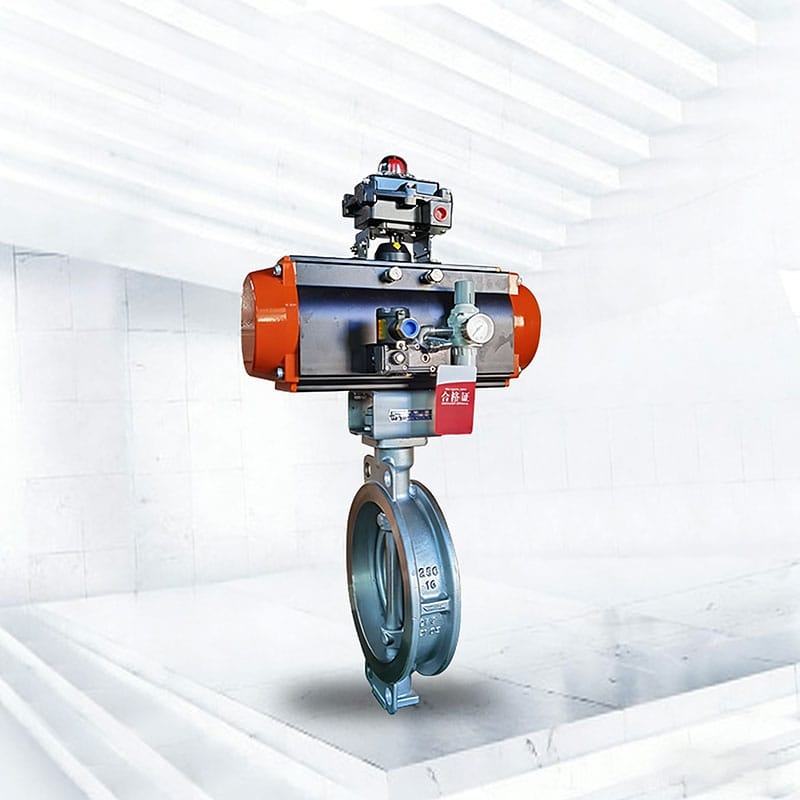
Pneumatic actuators are common in industrial automation systems where fast response is required. They are often used in plants with centralized air supply systems.
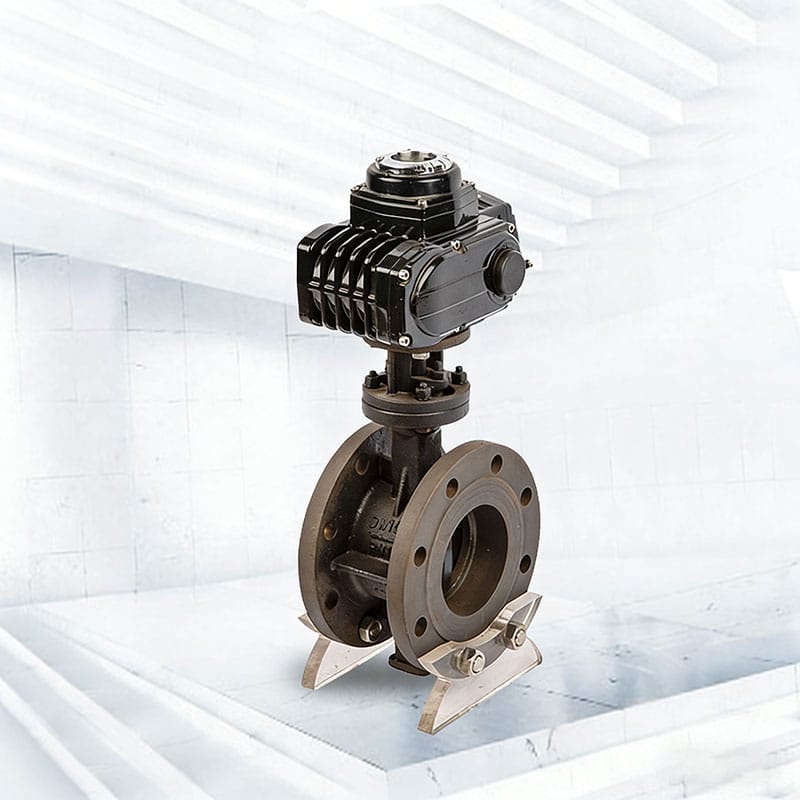
Electric actuators are increasingly used in smart industrial environments where remote control and monitoring are needed.
What matters is not just automation level, but system integration. A poorly matched actuator can create torque issues, slow response, or even sealing misalignment over time.
Common Issues Seen In Real Industrial Applications
Most valve problems do not appear immediately. They develop gradually.
Typical issues include:
- Gradual seat wear leading to minor leakage
- Disc misalignment caused by installation stress
- Corrosion in media-contact surfaces
- Torque increase due to sediment or buildup
- Seal fatigue after repeated cycling
In most cases, the root cause is not manufacturing failure but mismatch between valve specification and operating conditions.
How Manufacturers Actually Influence Valve Performance
In industrial valves, manufacturing consistency is not a background detail—it directly determines field performance.
Key factors include:
- Casting quality stability
- Machining precision of disc and seat interface
- Coating uniformity for corrosion protection
- Pressure testing consistency
- Assembly alignment accuracy
Small deviations in any of these areas can affect sealing behavior under pressure.
This is why experienced industrial buyers often evaluate manufacturing capability, not just product specifications.
Why Long-Term Thinking Matters In Valve Selection
Industrial valve selection is often treated as a procurement task, but in practice it is a lifecycle decision.
A valve is not judged at the time of installation—it is judged after years of operation.
Long-term performance depends on:
- Maintenance frequency
- System compatibility
- Material durability
- Operating stability
- Spare part availability
A well-selected wafer style butterfly valve reduces unplanned downtime and keeps system performance stable over time. A poorly matched one creates repeated maintenance cycles that were never planned in the original design.
Conclusion
Selecting a wafer style butterfly valve for industrial systems is less about choosing a product and more about matching real operating conditions.
Size, pressure rating, and basic specifications only define part of the picture. The actual performance comes from material selection, seat compatibility, actuator configuration, and how the valve interacts with the pipeline system over time.
In modern industrial applications, reliability is not achieved by chance. It comes from understanding how each component behaves under real working conditions—not just under catalog conditions.
For engineers and system designers, the goal is simple: choose a valve that remains stable not only on day one, but after thousands of cycles, pressure variations, and long-term operation.
That is where real system performance is defined.
FAQ
What Is A Wafer Style Butterfly Valve Used For?
A wafer style butterfly valve is mainly used for isolating and regulating flow in pipeline systems such as water treatment, HVAC, chemical processing, and industrial fluid transport. It is designed to fit between two flanges and provides compact, efficient flow control.
What Is The Difference Between Wafer And Lug Butterfly Valve?
A wafer type valve is installed between flanges and relies on full pipeline support, while a lug type valve has threaded inserts that allow one-sided disassembly. Wafer valves are more compact, while lug valves offer better pipeline isolation flexibility.
How Do You Choose The Right Material For A Wafer Butterfly Valve?
Material selection depends on the media and operating environment. Cast iron or ductile iron is common for water systems, stainless steel is used for corrosive environments, and PTFE or EPDM seats are selected based on temperature and chemical compatibility.
Can Wafer Style Butterfly Valves Be Used For Flow Control?
Yes, they can be used for flow regulation, but their performance depends on the disc position and system design. They are more commonly used for on/off isolation, but also provide moderate throttling capability in industrial pipelines.
What Causes Leakage In Wafer Butterfly Valves?
Leakage is usually caused by seat wear, improper installation, misalignment between flanges, or incompatible material selection for the working media. Regular maintenance and correct specification selection can significantly reduce leakage risks.