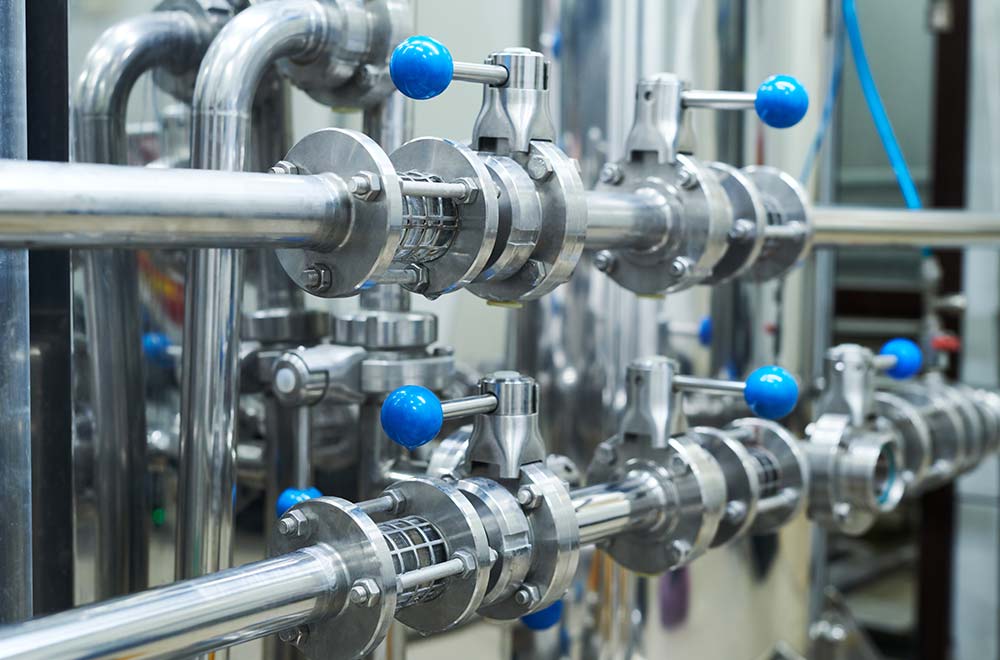
Industrial systems have changed dramatically over the past decade. In many factories, manual valves are gradually disappearing from critical process lines, replaced by automated solutions that can react faster, operate more accurately, and integrate directly with centralized control systems.
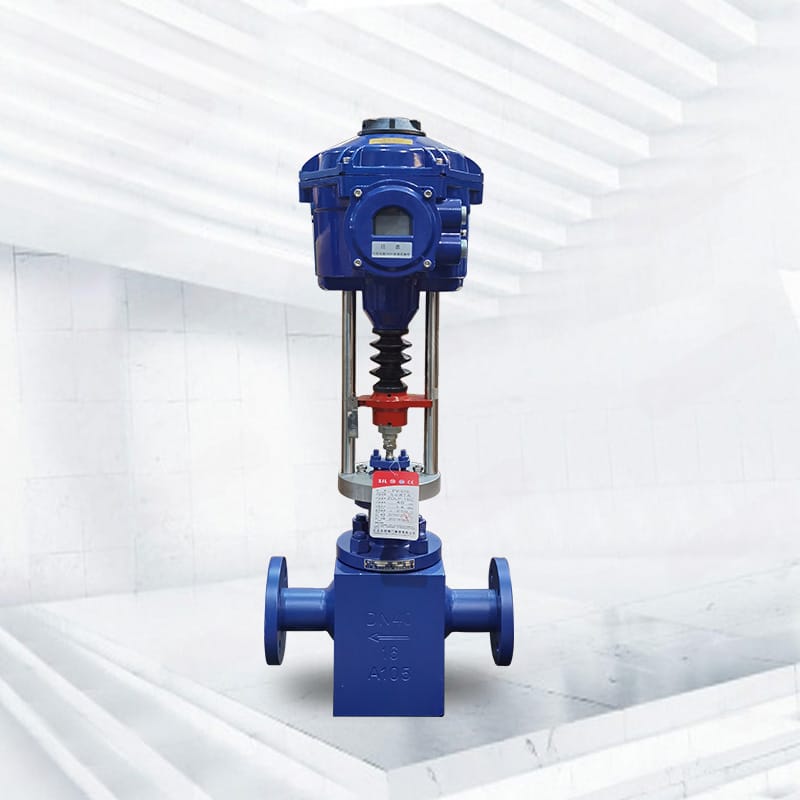
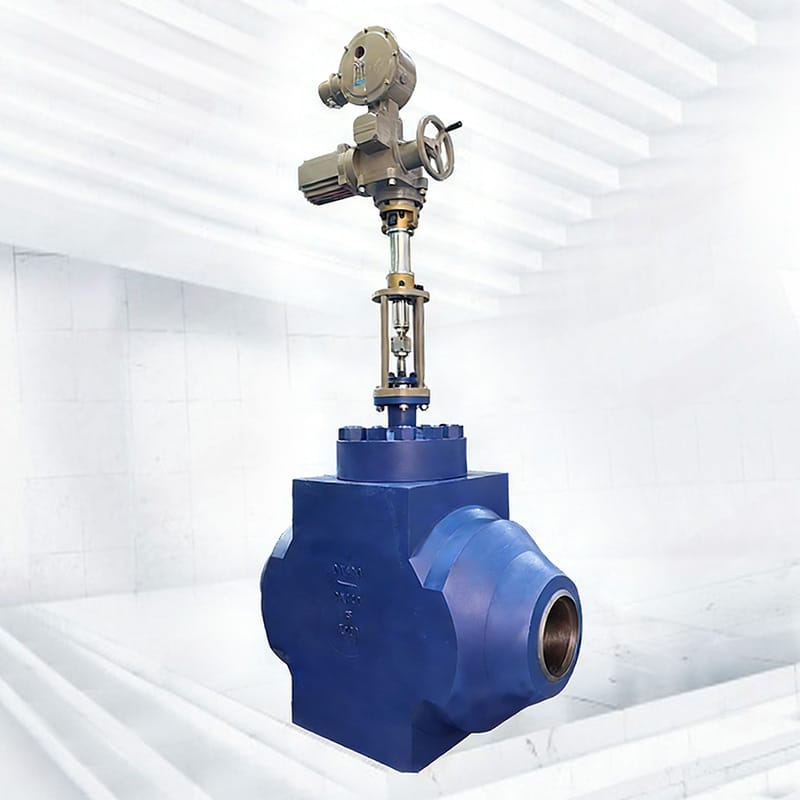
Among these solutions, the electrically operated control valve has become one of the most widely adopted components in modern process automation.
What makes this type of valve increasingly important is not just automation itself. Manufacturers today are dealing with tighter efficiency targets, stricter environmental requirements, rising labor costs, and more complex production systems. Under these conditions, stable flow control is no longer optional.
Whether in HVAC systems, water treatment plants, steam pipelines, or chemical processing facilities, electric actuated control valves are now used to improve operational consistency while reducing manual intervention.
Table of Contents
Why More Industrial Facilities Are Replacing Traditional Valve Systems
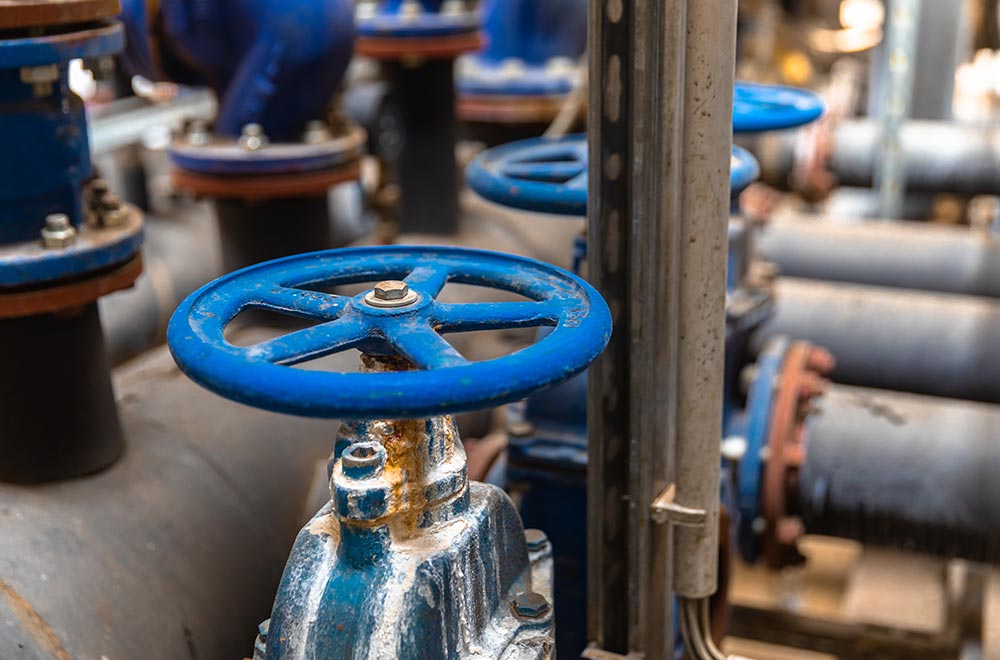
In older industrial setups, flow regulation often depended heavily on manual adjustment or compressed-air systems. While those solutions still exist, they create several long-term operational limitations:
- Inconsistent adjustment accuracy
- Delayed response time
- Increased maintenance workload
- Higher system complexity
- Difficulty integrating with digital automation systems
An electrically operated control valve solves many of these issues because the actuator responds directly to electrical control signals. This allows the valve to make continuous and accurate adjustments based on system demand.
In practical applications, this means operators can maintain more stable temperatures, pressure levels, and flow rates without constant manual correction.
For facilities moving toward industrial automation, this level of control has become increasingly valuable.
The Biggest Advantage: Precise Flow Regulation
One of the main reasons industries upgrade to electric control valves is precision.
In process industries, even small flow fluctuations can affect:
- Product quality
- Equipment lifespan
- Production efficiency
- Energy consumption
- Operational safety
This is especially important in systems where fluid conditions change frequently throughout the production cycle.
Unlike simple on-off valves, many electrically operated control valves support modulating control. Instead of fully opening or fully closing, the valve can continuously adjust its position based on real-time operating conditions.
That capability is critical in applications such as:
| Application | Why Precision Matters |
|---|---|
| HVAC systems | Stable temperature control |
| Steam systems | Pressure balancing |
| Water treatment | Accurate flow management |
| Chemical processing | Consistent dosing and mixing |
| Industrial cooling | Energy optimization |
In automated facilities, stable process control often translates directly into lower downtime and improved production consistency.
Electric Actuated Control Valves Help Reduce Energy Waste
Energy efficiency has become a major focus across industrial sectors.
Many facilities are reviewing older systems to identify unnecessary energy loss caused by inefficient flow regulation or outdated automation equipment.
Electric control valves help optimize energy usage in several ways.
More Accurate System Adjustment
When flow control becomes more precise, pumps, boilers, and cooling systems do not need to work harder than necessary.
Reduced Compressed Air Dependency
Pneumatic systems require compressed air infrastructure, which adds energy consumption and maintenance requirements. Electrically operated systems eliminate much of that dependency.
Improved Process Stability
Stable process conditions reduce unnecessary cycling and system fluctuations, helping equipment operate more efficiently over time.
For industries focused on sustainable manufacturing and energy optimization, these operational improvements are becoming increasingly important.
Remote Operation Is No Longer a Luxury
In large industrial environments, operators may need to monitor hundreds of valves across multiple production areas.
Manual operation slows response time and increases labor requirements.
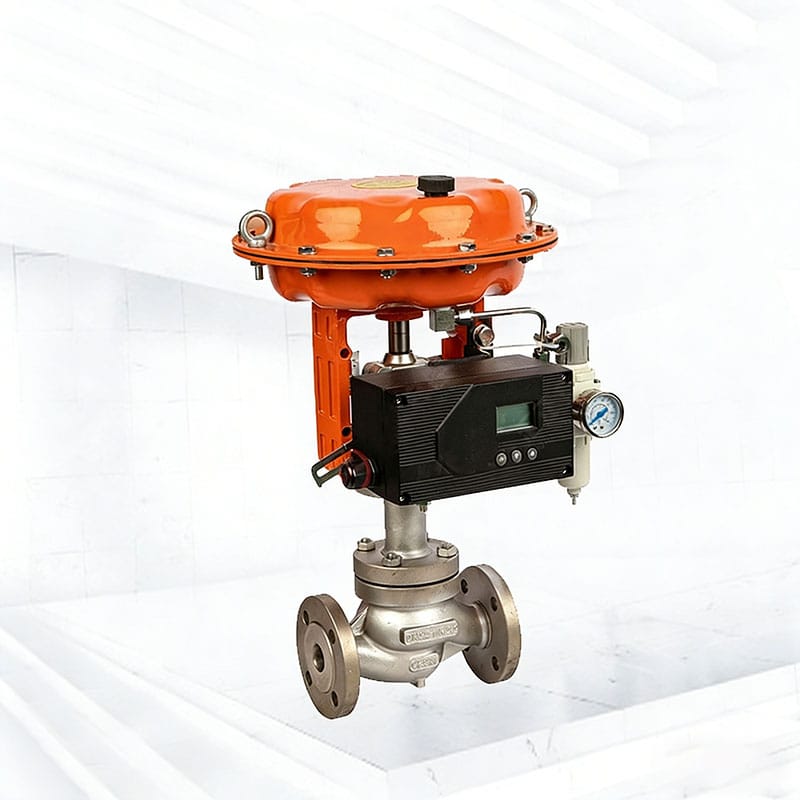
Modern electrically operated control valves support integration with:
- PLC systems
- SCADA platforms
- Building automation systems
- Industrial IoT networks
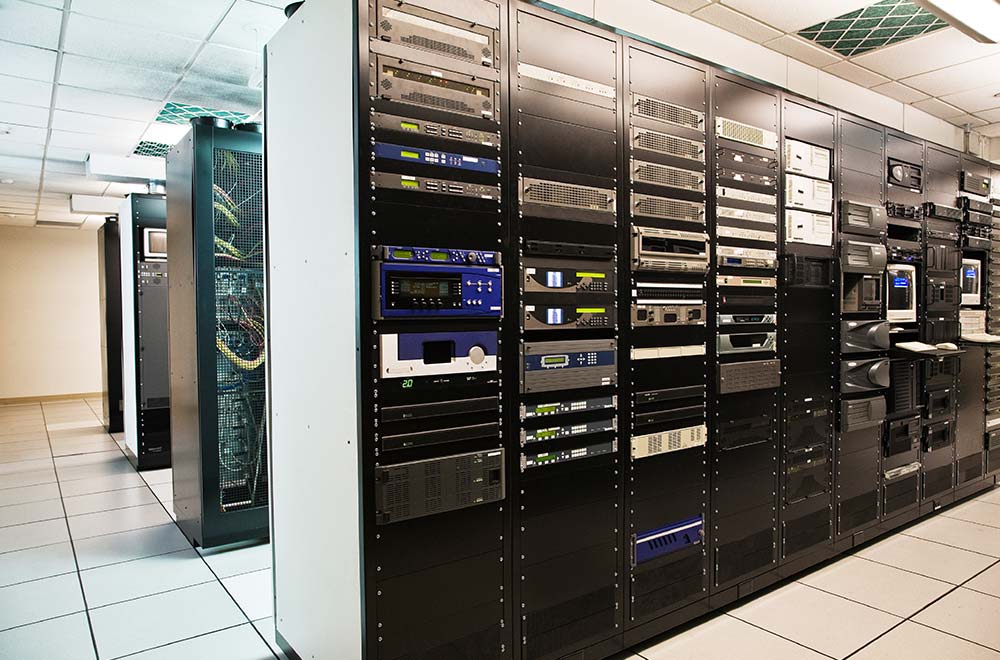
This allows operators to monitor and adjust valve performance remotely from a centralized control room.
In some industries, remote operation is now considered essential rather than optional.
For example:
Water Treatment Facilities
Remote monitoring improves operational efficiency across distributed infrastructure.
Oil and Gas Pipelines
Operators can manage flow conditions without sending personnel into difficult environments.
HVAC Automation
Building management systems can automatically regulate temperature and flow based on occupancy or environmental conditions.
As industrial automation continues evolving, remote accessibility is becoming a standard requirement in many projects.
Electric Control Valves Simplify Automation Upgrades
One challenge many facilities face is upgrading older systems without completely redesigning the entire process infrastructure.
Electrically operated control valves are often easier to integrate into automation projects because they connect directly with digital control systems.
This compatibility supports:
- Automated process regulation
- Data monitoring
- Alarm management
- Predictive maintenance
- Centralized system control
Facilities planning long-term automation upgrades often prioritize components that can support future expansion without requiring major system modifications later.
That flexibility is one reason electric actuated valves are seeing broader adoption across industrial sectors.
Comparing Electric and Pneumatic Control Valves
The debate between electric and pneumatic valve systems continues across many industries.
Both technologies have strengths depending on the application.
However, the shift toward digital manufacturing is increasing demand for electrically operated systems.
Here is a simplified comparison:
| Feature | Electrically Operated Control Valve | Pneumatic Control Valve |
|---|---|---|
| Control Accuracy | High | Moderate |
| Automation Integration | Excellent | Good |
| Remote Monitoring | Easy | More complex |
| Compressed Air Requirement | No | Yes |
| Maintenance Complexity | Lower | Higher |
| Energy Efficiency | Higher in many applications | Depends on air system efficiency |
For facilities prioritizing smart manufacturing and digital integration, electric control valves often provide better long-term scalability.
Industries Where Electrically Operated Control Valves Are Commonly Used
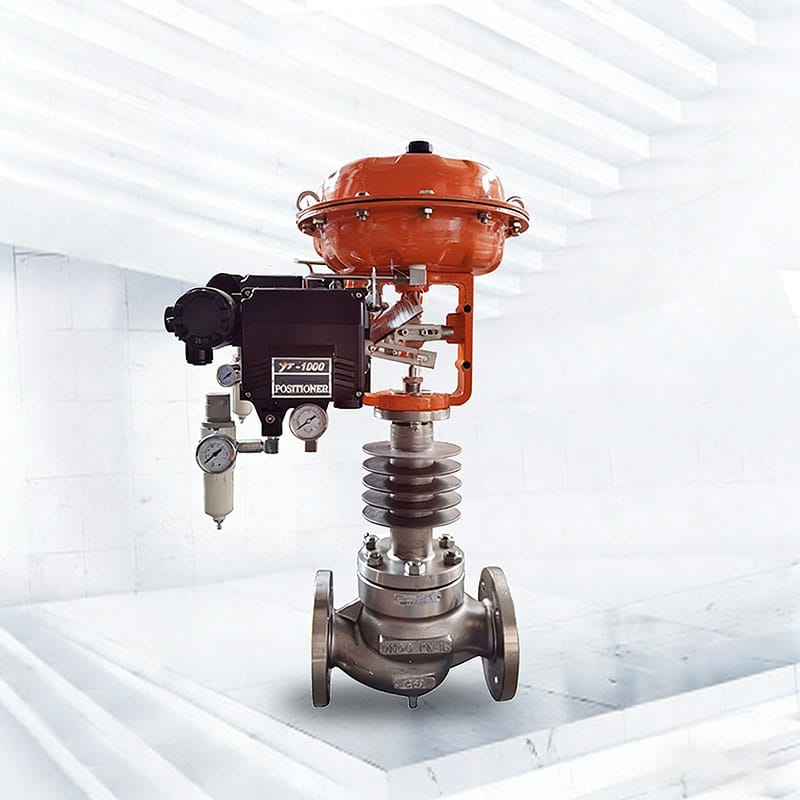
Electric control valves are now used in a wide range of industrial applications because they support both precision control and automation integration.
HVAC Systems
In commercial and industrial HVAC applications, electric valves regulate chilled water, hot water, and air handling systems to maintain stable environmental conditions.
Water Treatment Plants
Flow regulation and pressure control are critical for filtration, dosing, and distribution systems.
Chemical Processing
Chemical production often requires highly accurate flow control to maintain process consistency and safety.
Steam and Boiler Systems
Electric actuated valves help stabilize steam pressure and temperature in industrial heating systems.
Food and Beverage Processing
Automated valve systems help maintain hygiene standards while improving process repeatability.
Common Problems That Affect Valve Performance
Even high-quality industrial valves require proper installation and maintenance.
Some common issues include:
Incorrect Actuator Sizing
If actuator torque does not match operational requirements, valve response may become unstable.
Poor Signal Calibration
Improper calibration can lead to inaccurate positioning.
Seal Wear
Over time, sealing components may degrade depending on operating conditions and media type.
Environmental Exposure
Outdoor or corrosive environments require appropriate material selection and protection ratings.
Preventive maintenance remains one of the most effective ways to improve long-term valve reliability.
What Buyers Often Overlook When Selecting an Electrically Operated Control Valve
Many purchasing decisions focus only on valve size or actuator type. In reality, several additional factors strongly influence long-term performance.
Material Compatibility
Different media require different valve materials. Corrosive applications may require stainless steel or specialized alloys.
Automation Compatibility
Not all electric actuators support the same communication protocols or control systems.
Operating Environment
Outdoor installations may require waterproof or dustproof protection.
Future Expansion
Facilities planning future automation upgrades should consider compatibility with smart monitoring systems and remote diagnostics.
Selecting the correct valve configuration from the beginning can significantly reduce operational complications later.
The Shift Toward Smarter Valve Technology
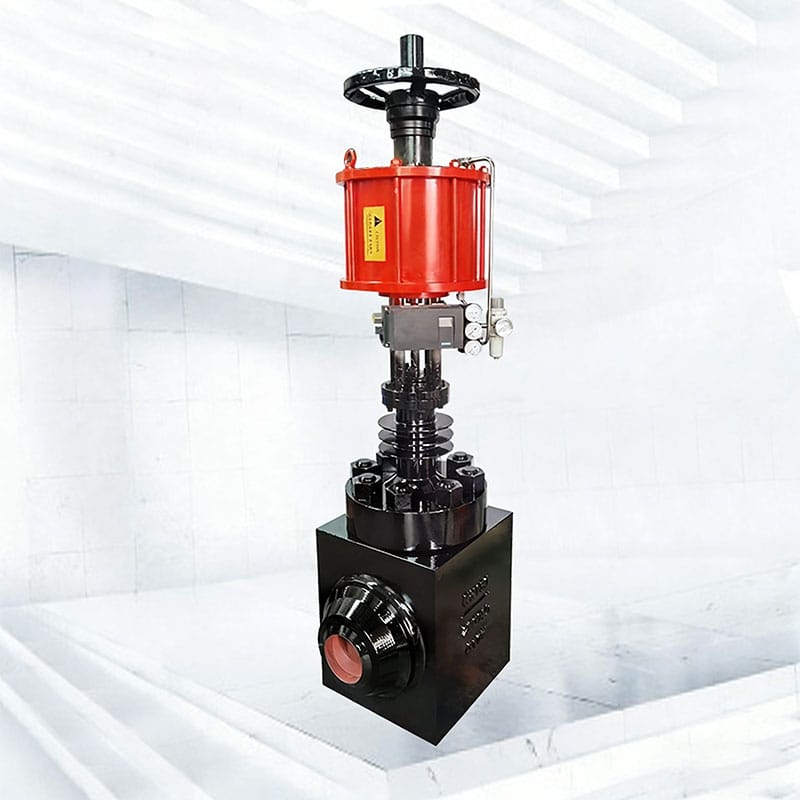
Industrial automation is moving toward more connected and data-driven systems.
Modern electric valve actuators increasingly support:
- Real-time diagnostics
- Position feedback
- Predictive maintenance alerts
- Remote configuration
- Intelligent monitoring
Instead of functioning as isolated mechanical devices, valves are becoming part of larger digital process ecosystems.
For manufacturers focused on Industry 4.0 strategies, intelligent valve technology is becoming an important part of long-term operational planning.
Conclusion
The growing adoption of electrically operated control valves reflects a larger shift happening across industrial automation.
Facilities today need more than basic flow regulation. They require systems that support precision control, remote operation, energy efficiency, and long-term automation compatibility.
From HVAC applications and water treatment systems to steam control and chemical processing, electric actuated control valves are helping industries improve operational stability while reducing manual intervention.
As automation requirements continue increasing, electrically operated control valves are expected to play an even larger role in modern industrial infrastructure.
For companies planning automation upgrades or improving process efficiency, choosing the right electric control valve solution is no longer just a technical decision. It has become part of broader operational strategy.
FAQ
What is an electrically operated control valve used for?
An electrically operated control valve is used to automatically regulate flow, pressure, or temperature in industrial systems such as HVAC, water treatment, steam pipelines, and chemical processing plants.
How does an electrically operated control valve work?
The valve uses an electric actuator to open, close, or adjust the valve position based on control signals from an automation system, allowing precise fluid control.
What are the advantages of electrically operated control valves?
Key advantages include accurate flow control, remote operation, lower maintenance requirements, energy efficiency, and easy integration with industrial automation systems.
What industries commonly use electric actuated control valves?
Electric actuated control valves are widely used in HVAC systems, water treatment facilities, oil and gas pipelines, food processing plants, chemical industries, and industrial manufacturing systems.
How do I choose the right electrically operated control valve?
You should consider factors such as fluid type, pressure rating, temperature range, valve material, actuator compatibility, and automation system requirements before selecting a valve.