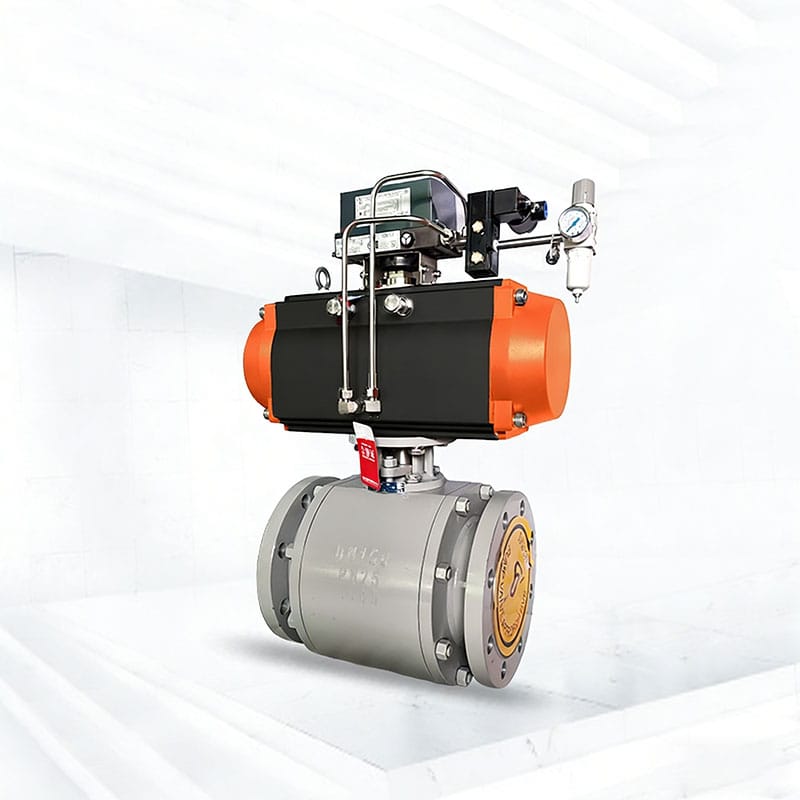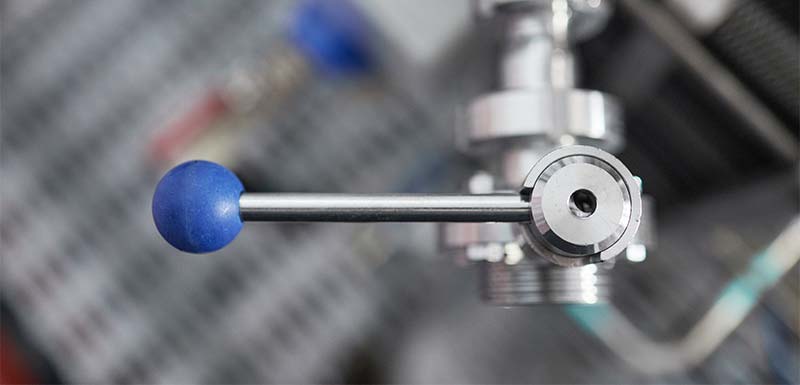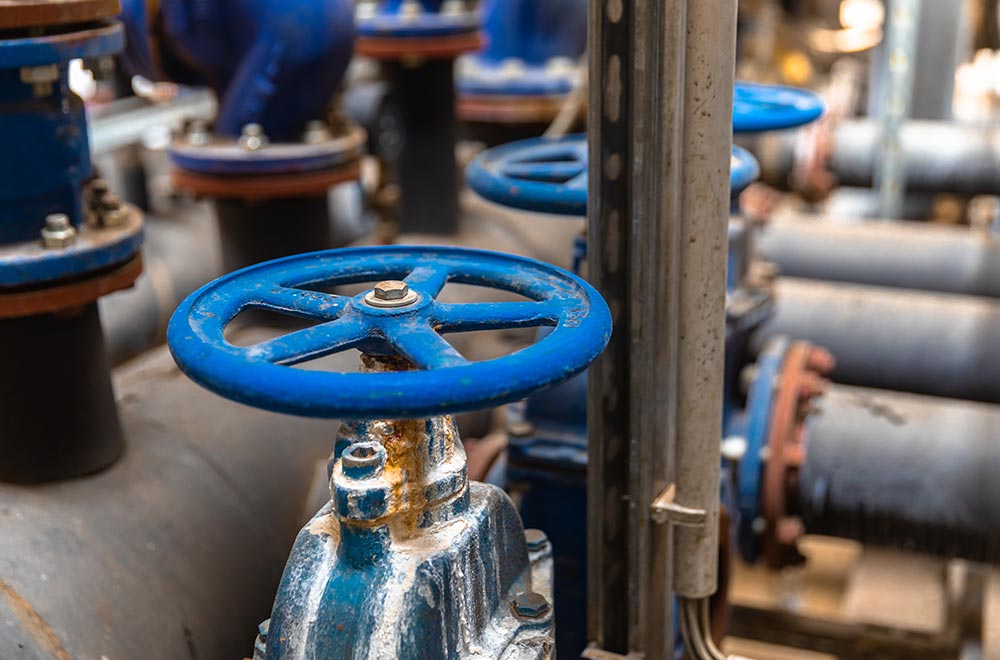
Industrial systems don’t fail because of one obvious mistake—they fail because of small design and manufacturing details that were underestimated. In flow control networks, the industrial ball valve often sits quietly in the background, but it plays one of the most critical roles: isolating, regulating, and protecting entire pipeline systems under pressure.
This article takes a practical manufacturing perspective rather than a textbook explanation. It breaks down how industrial ball valves are actually built, what determines their performance in real-world applications, and what engineers typically overlook during selection.
Table of Contents
Defining the Industrial Ball Valve in Real Engineering Terms
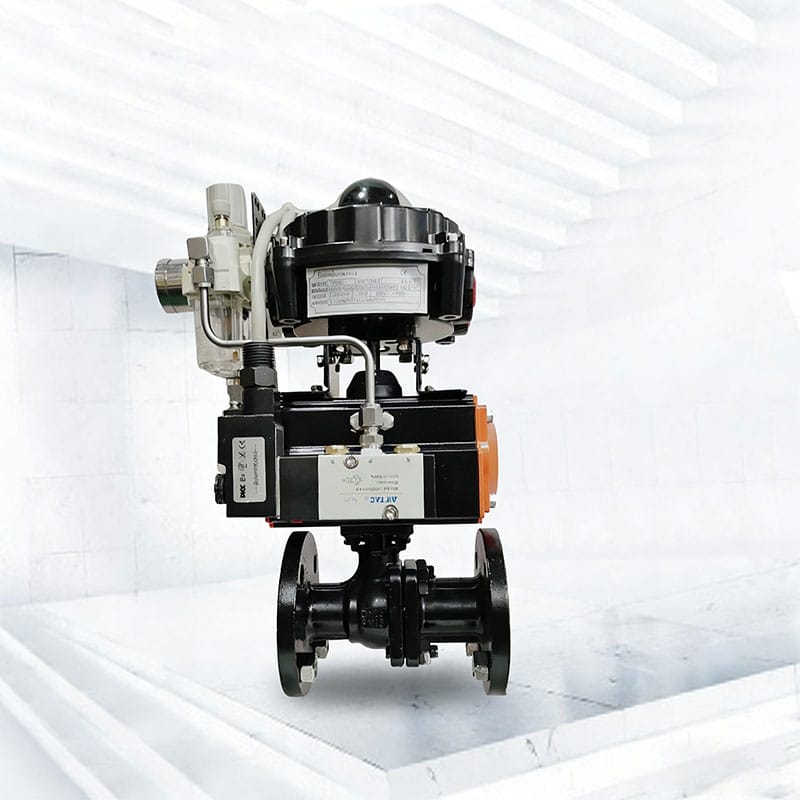
In theory, a ball valve is simple: rotate a sphere with a hole to start or stop flow. In practice, its behavior inside a pressurized system is far more complex.
An industrial ball valve is designed to:
- Maintain sealing integrity under dynamic pressure conditions
- Handle continuous thermal expansion and contraction
- Support different media types, from clean water to corrosive chemicals
- Operate reliably after thousands of cycles without performance loss
In industrial pipelines, it is typically used as an isolation component rather than a throttling device, especially where fast shut-off is required.
Why Industrial Systems Still Rely Heavily on Ball Valve Design
Across oil pipelines, chemical plants, and water infrastructure systems, engineers continue to choose industrial ball valves for one main reason: predictable performance under stress.
Unlike multi-turn valves, the quarter-turn mechanism reduces mechanical complexity. Fewer moving parts generally mean fewer failure points.
However, reliability is not guaranteed by design alone. It is strongly influenced by:
- Material selection consistency
- Machining precision
- Seat design stability under pressure
- Assembly alignment accuracy
This is where manufacturing discipline becomes more important than the valve type itself.
Material Engineering: The Foundation of Performance Stability
Every industrial ball valve begins with material decisions that define its lifespan.
In industrial production, commonly used materials include:
- Stainless steel for corrosion resistance environments
- Carbon steel for structural strength applications
- Alloy-based materials for high-temperature or chemical exposure systems
Material selection is not only about resistance. It also affects:
- Thermal deformation behavior
- Friction between sealing surfaces
- Long-term fatigue resistance under repeated operation
A small deviation in material quality can lead to sealing degradation long before the expected lifecycle ends.
Manufacturing Flow: How an Industrial Ball Valve Is Actually Produced
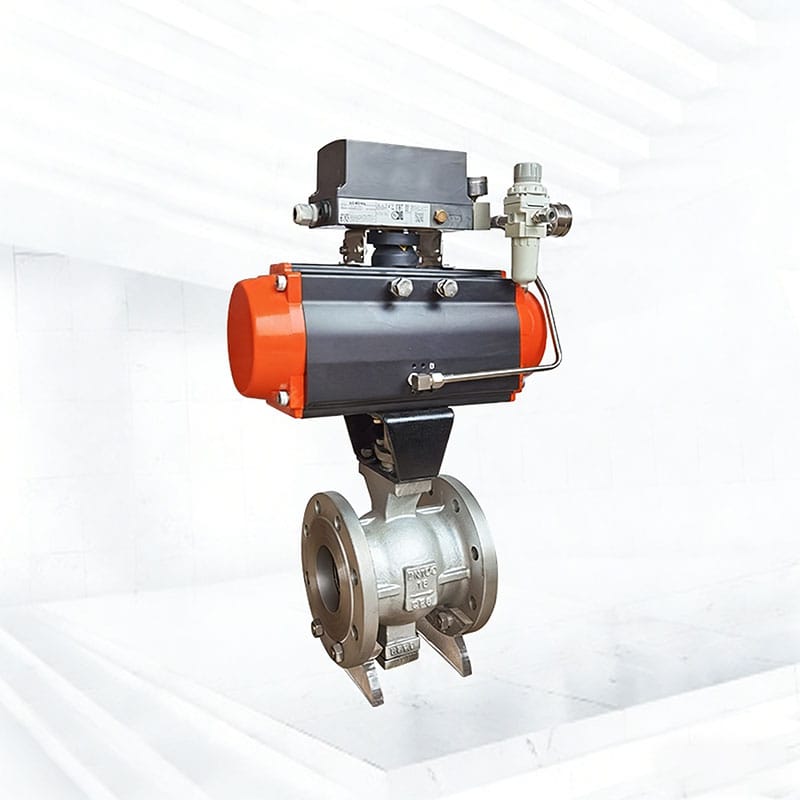
Instead of a linear factory narrative, it is more accurate to view manufacturing as a sequence of precision checkpoints.
Material verification before production
Incoming raw materials are not assumed to be compliant. Chemical composition and mechanical properties are verified before machining begins.
CNC machining and dimensional control
The valve body and internal components are shaped using controlled machining processes. At this stage, tolerance control is more important than speed.
Even minor dimensional deviation can result in:
- Seat leakage under pressure
- Increased operating torque
- Uneven wear on sealing surfaces
Surface finishing and friction control
Polishing and coating processes are not cosmetic. They directly influence sealing behavior and long-term corrosion resistance.
Assembly under alignment constraints
The ball, stem, and seat must align precisely. Misalignment leads to uneven sealing pressure distribution, which is one of the most common long-term failure causes.
Functional validation
Before leaving production, each unit is typically subjected to pressure and sealing verification under simulated operating conditions.
Where Industrial Ball Valves Fail in Real Applications
Most failures are not sudden—they develop gradually due to operating conditions.
Common failure patterns include:
- Seat wear caused by abrasive media
- Leakage due to thermal expansion mismatch
- Stem fatigue under frequent cycling
- Corrosion in chemically aggressive environments
- Improper torque leading to incomplete sealing
What is important here is not just identifying failures, but understanding that most of them originate from system mismatch rather than product defect alone.
Types of Industrial Ball Valve Designs and Why They Exist
Different valve structures are not variations for marketing—they solve different engineering constraints.
Floating ball structure
Relies on system pressure to improve sealing contact. Common in moderate pressure applications.
Trunnion mounted structure
Designed for high-pressure pipelines where mechanical support reduces operational stress on the sealing system.
Multi-piece valve body design
Allows easier maintenance and internal access, often used in systems requiring periodic inspection.
Welded body configuration
Used in installations where leakage risk must be minimized over long-term buried or inaccessible pipelines.
Each structure exists because industrial conditions are rarely uniform.
Pressure, Temperature, and Flow Behavior in System Design
Industrial ball valve selection is not only about size. It is about how the valve behaves under changing system conditions.
Key engineering considerations include:
- Pressure class compatibility with pipeline design
- Temperature fluctuation tolerance across operation cycles
- Flow stability under fully open conditions
- Torque variation during actuation under load
In many real systems, valve performance issues appear only when operating conditions shift beyond initial design assumptions.
Industrial Applications Where Design Details Matter Most
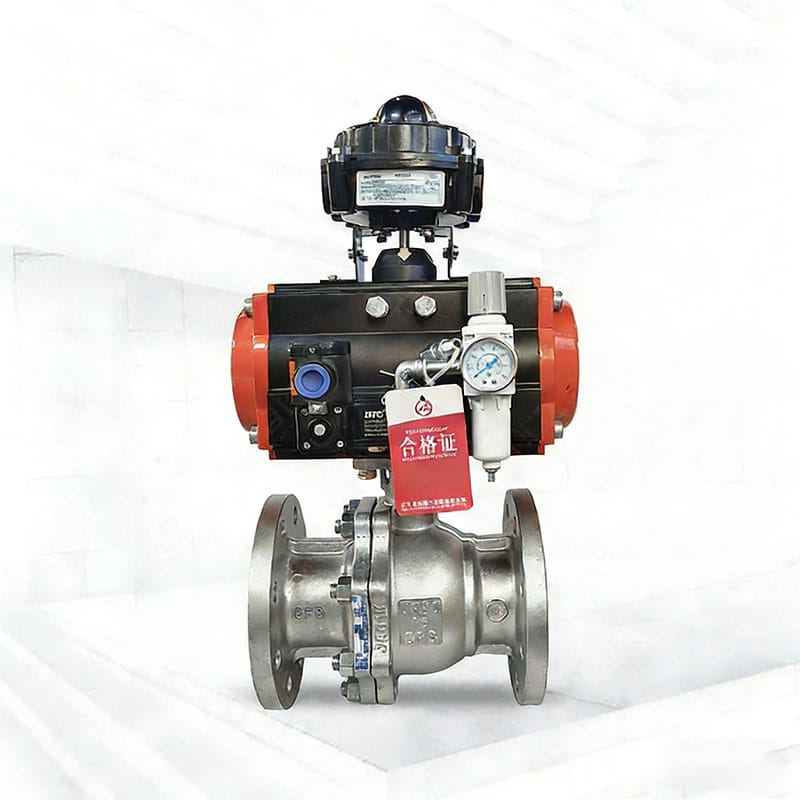
Industrial ball valves are widely used, but not all applications stress them in the same way.
Typical demanding environments include:
- High-pressure oil and gas transmission systems
- Corrosive chemical processing pipelines
- Continuous-flow water treatment plants
- Steam and thermal power generation systems
- Offshore and marine engineering systems
Each environment introduces different failure risks, which is why material and sealing design must be application-specific.
Selection Logic Used by Engineers (Not Just Product Specs)
Experienced engineers rarely choose valves based on a single parameter. The selection process is usually layered:
- System media compatibility
- Pressure and temperature stability range
- Expected cycle frequency
- Maintenance accessibility
- Installation constraints
- Automation or manual operation requirements
The most overlooked factor is lifecycle behavior, not initial performance.
Manufacturing Perspective: Why Direct Production Control Matters
When production is controlled at the manufacturing level rather than assembled from multiple sources, consistency improves significantly.
From a technical standpoint, direct manufacturing control allows:
- Better traceability of material batches
- Stable machining tolerances across production runs
- Controlled assembly standards
- More predictable performance outcomes
This is especially important in large-scale industrial projects where system consistency matters more than individual component performance.
Industry Direction: Where Industrial Ball Valve Technology Is Heading
The evolution of industrial ball valves is closely linked to infrastructure modernization.
Current development trends include:
- Increased use of corrosion-resistant engineered materials
- Integration with automated flow control systems
- Higher emphasis on leakage prevention standards
- Improved performance under variable load conditions
- Better compatibility with digital monitoring systems
Rather than replacing traditional valve systems, these improvements are refining how they perform inside complex industrial networks.
Maintenance Reality: What Extends Service Life in Practice
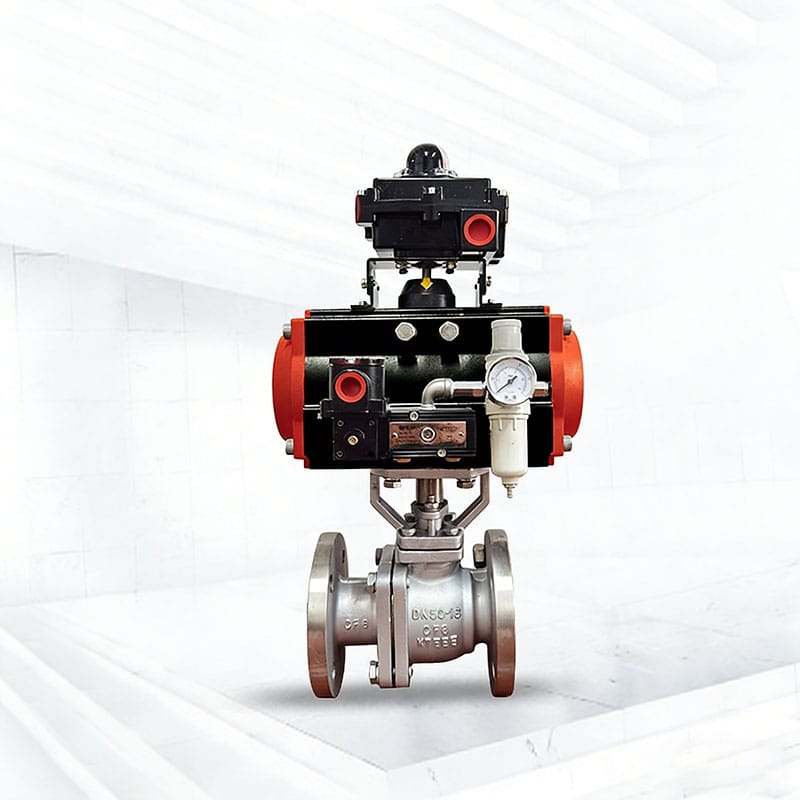
Maintenance is often treated as a secondary topic, but in real systems it determines operational stability.
Practical maintenance considerations include:
- Monitoring sealing wear over time
- Ensuring stable torque operation during cycles
- Preventing media buildup inside the valve chamber
- Periodic functional testing under operating pressure
- Early replacement of critical sealing elements when needed
Most long-term performance issues can be traced back to delayed maintenance rather than design limitations.
Conclusion
An industrial ball valve is not just a flow control component—it is a mechanical system that interacts continuously with pressure, temperature, and media conditions inside industrial pipelines.
Its performance is shaped far more by manufacturing precision, material selection, and application matching than by design concept alone.
For engineers and procurement teams, understanding how these valves are built provides a more reliable foundation for selection decisions than relying solely on product specifications.
In industrial environments where system downtime carries significant risk, the difference between average and high-performance valve systems is rarely visible at first—it becomes clear only over time, under real operating conditions.
FAQ
What is an industrial ball valve used for?
An industrial ball valve is used to control the flow of liquids or gases in pipeline systems, mainly for shut-off and isolation applications in industries such as oil, gas, water treatment, and chemical processing.
What are the main types of industrial ball valves?
The most common types include floating ball valves, trunnion mounted ball valves, and multi-piece ball valve structures. Each type is designed for different pressure levels and operating conditions.
What materials are commonly used in industrial ball valve manufacturing?
Typical materials include stainless steel, carbon steel, and alloy steel, selected based on corrosion resistance, temperature tolerance, and system pressure requirements.
How does an industrial ball valve work?
It operates through a rotating ball with a central bore. When the bore aligns with the pipeline, fluid flows through; when rotated 90 degrees, the flow is completely blocked.
How do I choose the right industrial ball valve for my system?
Selection depends on factors such as pressure rating, temperature conditions, media type, valve size, and whether the system requires manual or automated operation.