Industrial butterfly valves are often treated as “standard components” in pipeline systems, but in real engineering practice they are anything but standard. When systems fail, it is rarely the valve type itself that is the issue—it is usually a mismatch between pressure rating, material selection, and operating conditions.
This guide takes a practical, engineering-focused approach from a manufacturing perspective, with emphasis on real-world selection logic rather than textbook definitions. The goal is simple: help you understand how industrial butterfly valves actually behave in working systems and how to avoid common design mistakes that lead to leakage, wear, or early failure.
Table of Contents
System Reality: Why Pressure and Material Decide Everything
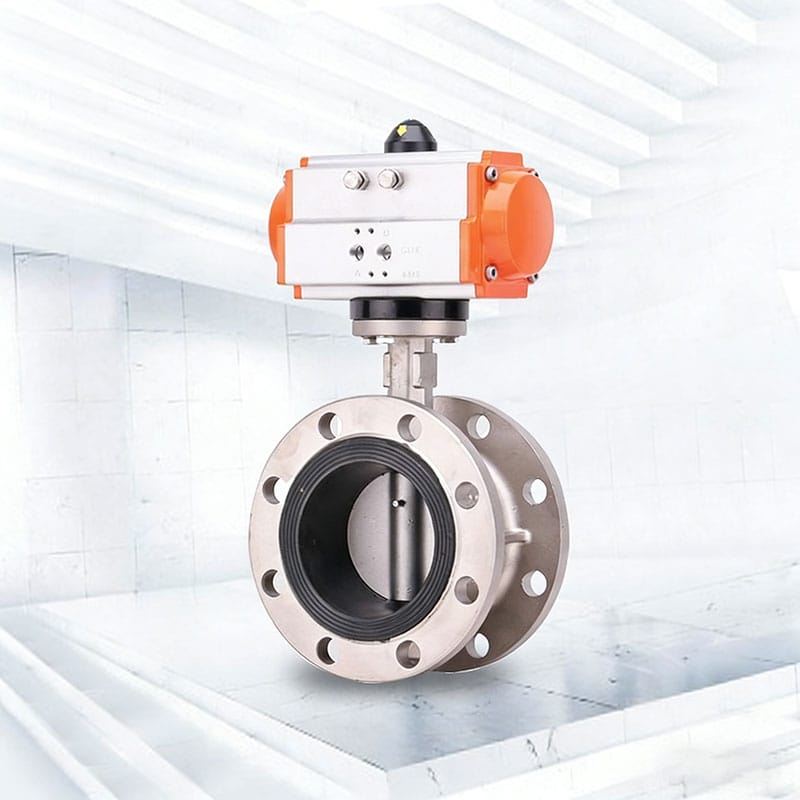
In pipeline design, butterfly valves are usually selected for compact structure and fast operation. But once the system is pressurized and running continuously, the real performance is defined by two factors:
- How much pressure the valve body can safely handle
- How stable the sealing system remains under temperature and media changes
A valve that looks suitable on paper can still fail in practice if the material grade or pressure class is not aligned with the system curve.
From a manufacturing standpoint, this is where most performance issues originate—not from design flaws, but from incorrect selection at the system level.
Understanding Pressure Ratings Without Overcomplication
Pressure rating is often presented in technical tables, but in real applications, it is better understood as a safety boundary under operating stress.
Industrial butterfly valves typically follow two global systems:
- PN classification used widely in industrial water and utility systems
- ANSI class system used in more complex industrial and energy applications
Instead of memorizing numbers, what matters more is how pressure behaves in a pipeline:
- Pressure is not static; it fluctuates during startup and shutdown
- Temperature shifts reduce the effective pressure tolerance of materials
- Flow turbulence creates localized stress points inside the valve body
This is why pressure rating should never be treated as a standalone selection factor.
Pressure Standards in Real Industrial Use
Different systems tend to favor different pressure frameworks, not because one is better, but because they reflect different engineering traditions.
PN-based systems are commonly found in:
- Water distribution networks
- Municipal infrastructure
- HVAC circulation systems
ANSI-based systems are more common in:
- Oil and gas transmission
- Chemical processing pipelines
- High-demand industrial systems
In real engineering work, compatibility between flange system, valve structure, and pipeline design matters more than the label itself.
Material Selection: Where Most Long-Term Failures Begin
If pressure rating defines the “limit,” then material defines how close you can safely operate to that limit over time.
Industrial butterfly valve bodies are usually built from:
Ductile iron structures
This material is widely used because it performs consistently under moderate pressure conditions. It absorbs mechanical stress well and is often used in large-diameter systems where stability is more important than extreme resistance.
It is generally preferred in water and utility systems where operating conditions remain relatively stable.
Stainless steel construction
Stainless steel behaves differently. Instead of focusing on strength alone, it is selected for resistance against chemical interaction and corrosion over time.
It is typically used in environments where the fluid is not just water or air, but contains reactive or corrosive elements that gradually degrade standard materials.
Carbon steel applications
Carbon steel is usually chosen when systems require higher structural resistance. However, it is sensitive to environmental exposure, which means surface treatment and coating quality become just as important as the base material itself.
It is more common in energy-related pipelines and industrial processing environments.
Sealing materials and why they matter more than expected
While body material often gets most of the attention, sealing material is usually the real determinant of leakage performance.
Common sealing materials include:
- EPDM for stable water and steam conditions
- NBR for oil-related media
- PTFE for chemically aggressive environments
A mismatch between seal type and medium is one of the most frequent causes of field issues, even when the valve body is correctly selected.
How Pressure and Material Interact in Real Operation
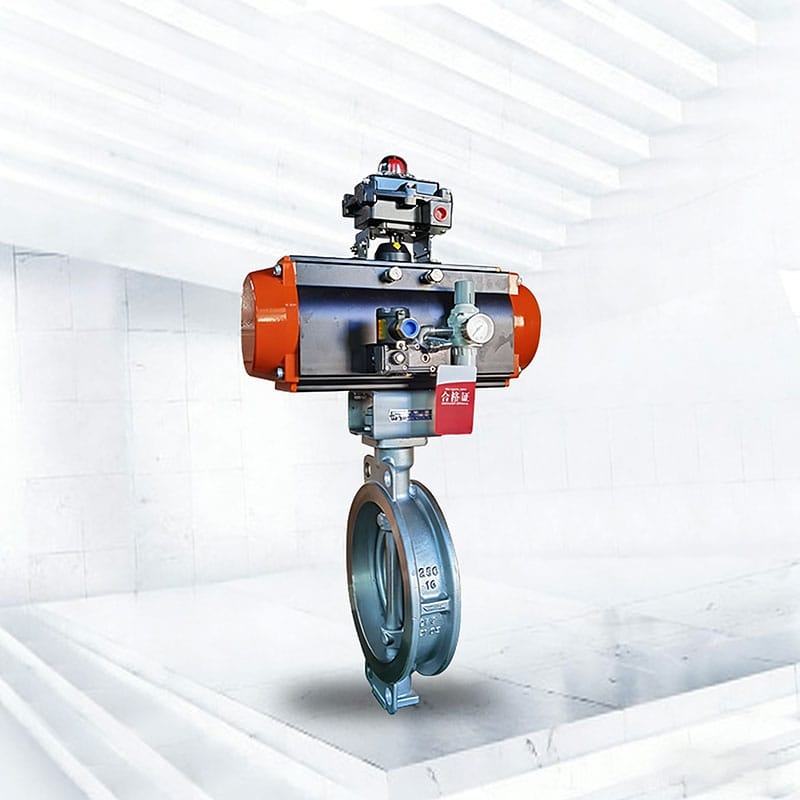
This is where theory meets practice.
A valve does not operate under isolated conditions. It operates under a combination of:
- Pressure fluctuation
- Temperature variation
- Flow velocity changes
- Media chemistry
These factors interact continuously. For example:
- Higher temperature reduces sealing compression stability
- Corrosive media weakens internal surface integrity over time
- Pressure spikes stress both body and sealing interfaces simultaneously
This is why experienced engineers rarely evaluate pressure rating alone—they always consider material behavior under dynamic conditions.
Structural Design Differences That Affect Performance
Butterfly valves generally come in three main structural configurations, and each behaves differently under pressure conditions.
Wafer-style design is compact and works well in stable, low to medium pressure systems where space is limited.
Lug-style design allows partial isolation of pipeline sections, which makes it more flexible for maintenance scenarios.
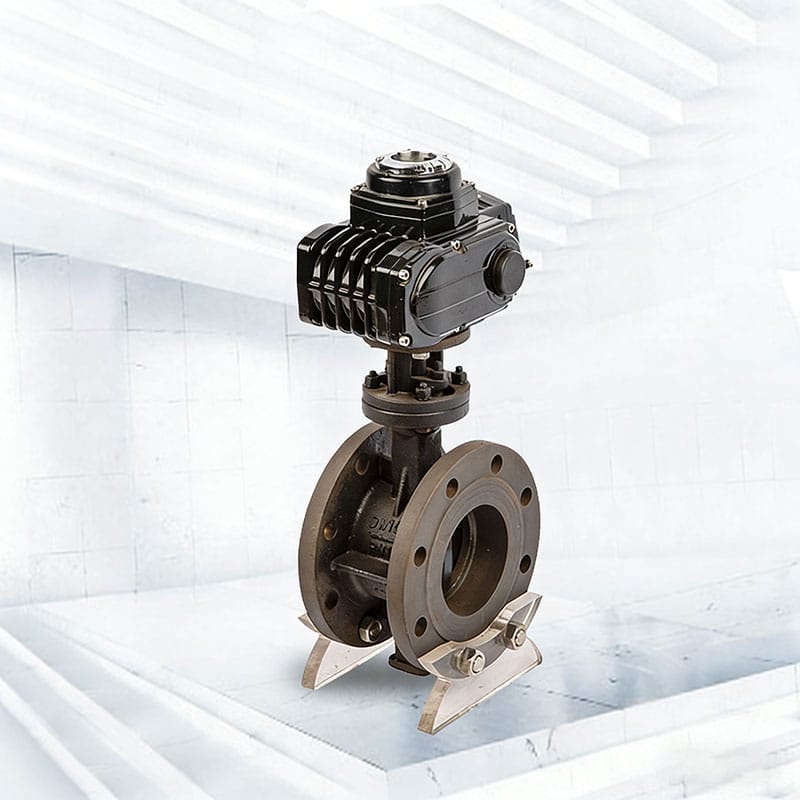
Flanged configurations provide the most rigid connection and are often used where system stability and pressure resistance are priorities.
The choice is not about which is better, but which system behavior you are designing for.
Where Industrial Butterfly Valves Are Actually Used
Instead of listing industries in theory, it is more useful to understand the functional roles these valves play in systems:
- In water treatment systems, they regulate large-volume flow with minimal pressure loss
- In HVAC networks, they balance circulation across multiple loops
- In chemical environments, they isolate reactive media safely
- In energy systems, they manage flow under variable pressure conditions
- In pipeline networks, they serve as fast isolation and control points
Each application places different stress patterns on the valve structure, which is why selection cannot be generalized.
Selection Thinking: What Engineers Actually Look At
When engineers select an industrial butterfly valve, the decision is rarely based on a single specification. It usually follows a layered logic:
First comes pressure condition, then temperature range, followed by media type, and finally installation constraints.
A typical evaluation process includes:
- System pressure stability over time
- Chemical compatibility of internal components
- Thermal expansion behavior
- Maintenance accessibility
- Actuation requirements (manual or automated control)
Mistakes usually happen when one factor is prioritized while others are ignored.
Manufacturing Quality and Why It Matters in Practice
From a production perspective, consistency is more important than isolated performance claims.
Reliable industrial butterfly valves are produced under controlled systems that include:
- Dimensional precision checks
- Pressure testing under controlled conditions
- Leakage verification across operating ranges
- Material traceability during casting and machining
The goal is not just compliance with standards, but predictable behavior in real systems.
Maintenance Reality: What Actually Extends Service Life
Maintenance is often discussed in general terms, but in practice it comes down to a few critical actions:
- Monitoring seal wear before leakage becomes visible
- Ensuring torque stability in actuated systems
- Preventing buildup of deposits inside the valve body
- Replacing sealing components based on condition, not only schedule
Most long-term failures are gradual, not sudden, which makes early detection more important than reactive repair.
Why Direct Manufacturing Support Changes the Outcome
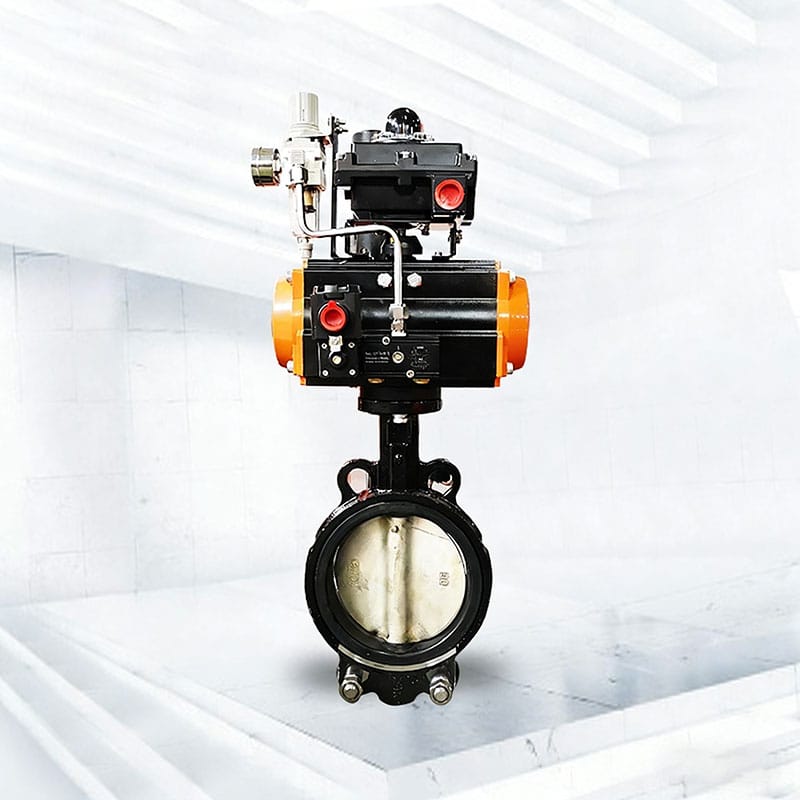
Working directly with a manufacturer is not only about supply chain efficiency. It also affects technical alignment.
In many cases, system performance improves when:
- Valve specifications are adjusted to actual operating conditions
- Material combinations are optimized for specific media
- Pressure ratings are matched more precisely to system fluctuations
- Structural design is adapted for installation constraints
This level of adjustment is difficult when working with standardized, non-customized supply chains.
Conclusion
Industrial butterfly valve performance is not defined by a single specification sheet. It is the result of how pressure rating, material selection, sealing design, and real operating conditions interact over time.
In practice, systems rarely fail because of one obvious mistake. They fail because multiple small mismatches accumulate—often starting with incorrect assumptions during selection.
A well-designed valve system is not about choosing the highest rating or the strongest material, but about matching engineering reality with operational behavior. That is where reliability is actually built.
FAQ
Q1: What determines the pressure rating of an industrial butterfly valve?
A1: Pressure rating is determined by the valve body design, material strength, temperature conditions, and intended operating pressure. It ensures the valve can operate safely without leakage or deformation.
Q2: How do I choose the right material for a butterfly valve?
A2: Material selection depends on the fluid type, system temperature, and corrosion risk. Common options include ductile iron for general water systems, stainless steel for corrosive environments, and carbon steel for high-pressure applications.
Q3: What are the main types of industrial butterfly valve structures?
A3: The most common designs are wafer, lug, and flanged types. Wafer is compact and space-saving, lug allows end-of-line isolation, and flanged provides maximum structural stability for high-pressure systems.
Q4: How can I extend the service life of an industrial butterfly valve?
A4: Proper maintenance, such as regular seal inspections, monitoring actuator torque, cleaning internal surfaces, and timely replacement of worn components, significantly improves valve lifespan.
Q5: Why is working with a direct manufacturer beneficial?
A5: A direct manufacturer can provide custom engineering support, material optimization, and precise pressure rating alignment, ensuring valves perform reliably under actual system conditions.