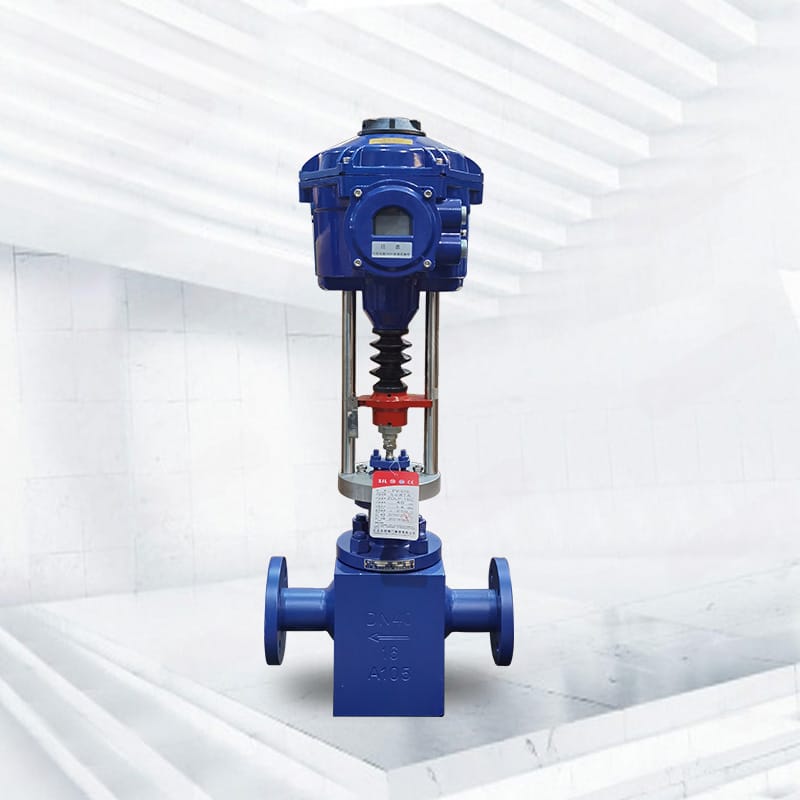
In many industrial systems, pressure control does not always need a complex actuator, air supply, controller, or electrical signal. Sometimes the most reliable solution is a valve that uses the energy of the process medium itself. That is where a self operated pressure control valve becomes a practical and efficient choice.
A self operated pressure control valve automatically regulates pressure without external power, compressed air, or an electronic control loop. It senses pressure changes through the medium and adjusts the valve opening mechanically to keep pressure near the required set point. This makes it especially useful in steam, gas, water, heating, utility, and industrial pipeline systems where stable pressure control is needed but full automation is unnecessary.
For industrial buyers, the key question is not simply “Can this valve reduce pressure?” The better question is: “Is this the most reliable, safe, and economical way to control pressure under my operating conditions?”
This guide explains how a self operated pressure control valve works, where it performs best, how to select the right type, and what information to provide when requesting a technical recommendation from a manufacturer.
Table of Contents
What Is a Self Operated Pressure Control Valve?
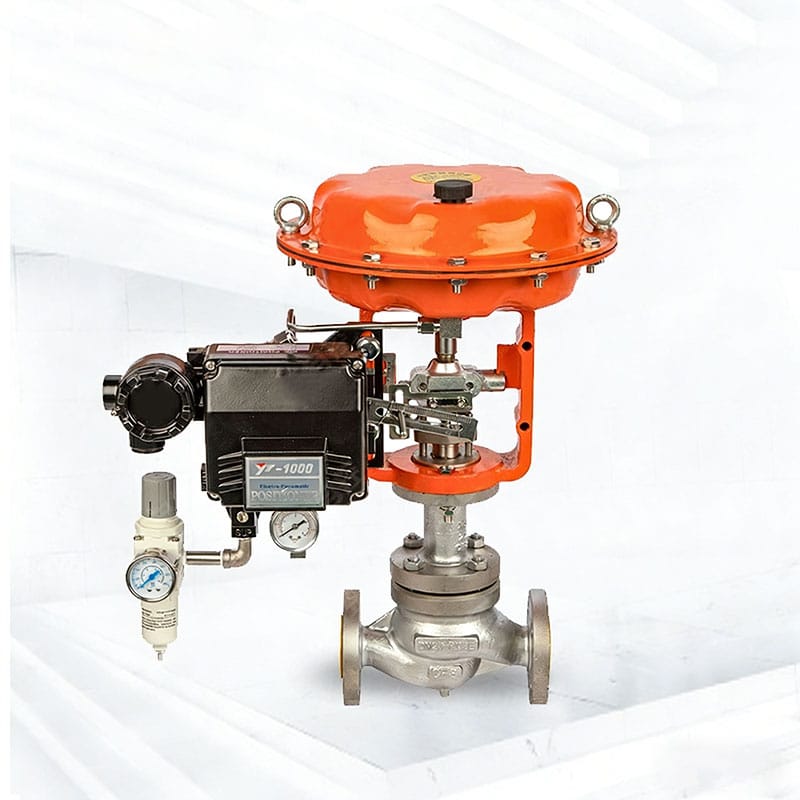
A self operated pressure control valve is an automatic regulating valve that controls pressure by using the pressure energy of the process medium itself. Unlike pneumatic control valves or electric control valves, it does not require an external actuator power source.
In a typical system, the valve senses upstream or downstream pressure through an internal or external sensing line. When the pressure changes, the sensing element reacts against a spring or diaphragm mechanism. The valve then opens or closes automatically to maintain the desired pressure range.
For example, the Self Operated Pressure Control Valve from Phileda is designed for automatic pressure or differential pressure regulation in pipeline systems without external power or air supply.
A self operated pressure control valve is commonly used for:
| Application Goal | Typical Function |
|---|---|
| Pressure reduction | Keeps downstream pressure stable |
| Pressure maintaining | Maintains upstream pressure |
| Differential pressure control | Stabilizes pressure difference between two points |
| System protection | Helps prevent pressure fluctuation from affecting equipment |
| Utility regulation | Controls steam, water, air, gas, or heating networks |
For general background, a pressure regulator is a device used to control pressure in a fluid system, and self operated pressure control valves belong to this broader family of pressure regulating equipment.
How a Self Operated Pressure Control Valve Works
The working principle is based on force balance. The valve compares process pressure with a set spring force. When the pressure changes, the balance changes, and the valve moves to correct the pressure.
A simplified process looks like this:
| Step | What Happens |
|---|---|
| 1. Pressure is sensed | The valve detects upstream, downstream, or differential pressure |
| 2. Sensing element reacts | Diaphragm, bellows, or piston receives pressure force |
| 3. Spring force balances pressure | The spring provides the adjustable set point force |
| 4. Valve plug moves | The valve opens or closes according to pressure change |
| 5. Pressure stabilizes | The system returns near the required set pressure |
This self-regulating structure makes the valve suitable for systems where the set point remains relatively stable and pressure changes need to be corrected automatically.
Compared with a complete control loop using transmitter, controller, positioner, and actuator, a self operated valve is simpler. However, it is not a universal replacement for every control valve. It is best suited for stable pressure regulation rather than highly dynamic process control.
Why Choose a Self Operated Pressure Control Valve?
The main advantage is independence from external energy. In plants where instrument air is limited, electrical wiring is difficult, or automation is unnecessary, a self operated pressure control valve can reduce complexity.
Key benefits include:
| Benefit | Practical Value |
|---|---|
| No external power required | Useful for remote or utility systems |
| Simple structure | Lower dependence on control accessories |
| Automatic pressure regulation | Adjusts according to process pressure changes |
| Stable operation | Suitable for long-term pressure control duties |
| Lower installation complexity | No need for actuator wiring or air supply lines |
| Good reliability | Fewer external components that may fail |
| Energy-saving operation | Uses medium pressure as the driving force |
The ZZY Series Self Operated Pressure Regulating Valve is a typical example for stable inlet pressure, outlet pressure, or system pressure control in heating, water supply, steam, and industrial pipeline systems.
Where Self Operated Pressure Control Valves Are Commonly Used
Self operated pressure control valves are widely used in industrial and utility systems where pressure needs to remain stable without complex automation.
Typical applications include:
| Industry or System | Common Use |
|---|---|
| Steam systems | Pressure reduction before equipment or process lines |
| Heating systems | Pressure control in heat exchange stations |
| Water supply | Stable pressure in municipal or industrial pipelines |
| Gas systems | Pressure regulation for safe and steady supply |
| Chemical processing | Utility pressure control and process protection |
| Power plants | Auxiliary steam, water, or gas pressure regulation |
| HVAC and building utilities | Pressure control in heating and cooling networks |
| Industrial equipment | Pressure stabilization before sensitive equipment |
For steam and pressure control learning, resources from industrial steam engineering education provide useful background on self-acting pressure control concepts and application types.
Self Operated Pressure Control Valve vs Pneumatic Control Valve
A self operated valve and a pneumatic control valve can both regulate pressure, but they are designed for different control philosophies.
A pneumatic control valve usually works as part of a control loop. It receives a signal from a controller, and the pneumatic actuator moves the valve according to that signal. This is suitable for precise, dynamic, and integrated automation systems.
A self operated pressure control valve works mechanically through process pressure. It is better for stable pressure regulation where a fixed set point is required and frequent remote adjustment is not necessary.
| Comparison Point | Self Operated Pressure Control Valve | Pneumatic Control Valve |
|---|---|---|
| Power source | Process medium pressure | Compressed air |
| Control signal | Not required | Usually requires control signal and positioner |
| System complexity | Lower | Higher |
| Best use | Stable pressure regulation | Dynamic flow, pressure, temperature, or level control |
| Remote adjustment | Limited | Stronger automation capability |
| Installation | Simpler | Requires air supply and accessories |
| Maintenance focus | Mechanical sensing and sealing parts | Actuator, positioner, air system, valve body |
For plants that need dynamic process control, a pneumatic control valve may be more suitable. For simple, reliable, and energy-independent pressure regulation, a self operated valve may be the smarter choice.
Self Operated Pressure Control Valve vs Electric Control Valve
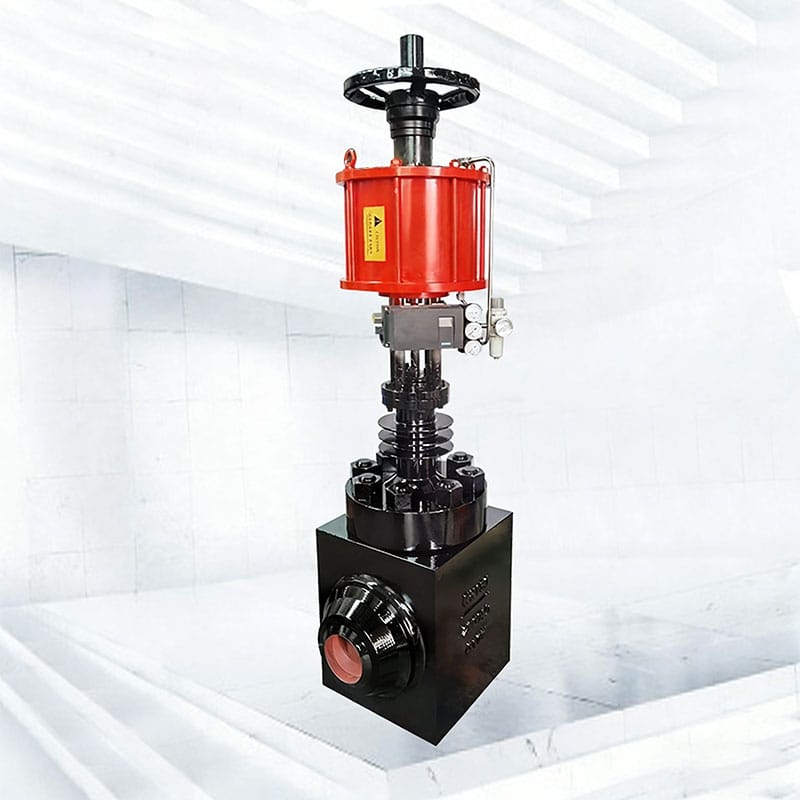
Electric control valves are often selected when remote operation, intelligent control, and digital system integration are required. A self operated pressure control valve is selected when automatic pressure regulation can be achieved mechanically without external power.
| Selection Factor | Self Operated Valve | Electric Control Valve |
|---|---|---|
| External energy | Not required | Requires electricity |
| Remote control | Limited | Strong |
| PLC/DCS integration | Not typical | Suitable |
| Control precision | Good for stable pressure regulation | Better for automated process control |
| Installation cost and complexity | Usually lower | Usually higher |
| Best application | Utility pressure regulation | Intelligent automation and remote control |
If a project requires remote set point control, signal feedback, or integration into a plant automation system, an electric control valve may be a better option. If the goal is stable local pressure regulation without external energy, a self operated pressure control valve is often more practical.
Main Types of Self Operated Pressure Control Valves
Self operated pressure control valves can be classified by control purpose and sensing method.
Pressure Reducing Type
This type controls downstream pressure. When downstream pressure rises above the set point, the valve closes partially. When downstream pressure drops, the valve opens to restore pressure.
It is commonly used in steam, gas, water, and utility systems where high upstream pressure must be reduced before entering equipment.
Pressure Maintaining Type
This type controls upstream pressure. It opens when upstream pressure becomes too high and closes when upstream pressure falls below the required value.
It is used where a system needs to maintain minimum upstream pressure or release excess pressure to another line.
Differential Pressure Type
This type controls the pressure difference between two points. It is often used in heating systems, heat exchangers, circulating water systems, and process networks.
Micro Pressure Regulating Type
This type is designed for low-pressure or sensitive pressure regulation. The Self Operated Micro Pressure Regulating Valve is suitable for applications where small pressure changes need stable control.
How to Select the Right Self Operated Pressure Control Valve
A correct selection should start with process conditions, not only pipe size. The valve must be able to regulate pressure under real operating conditions.
Before selecting the valve, confirm these parameters:
| Required Data | Why It Matters |
|---|---|
| Medium | Determines material, seal, diaphragm, and corrosion resistance |
| Inlet pressure | Defines upstream pressure condition |
| Outlet pressure | Determines required set pressure |
| Flow range | Helps size valve capacity correctly |
| Temperature | Affects material, sealing, and diaphragm selection |
| Pressure difference | Influences valve force, noise, and stability |
| Pipe size and connection | Determines installation compatibility |
| Control purpose | Pressure reducing, maintaining, or differential pressure control |
| Installation orientation | Affects sensing line layout and maintenance access |
| Leakage requirement | Determines sealing structure |
| Site environment | Influences material and protection requirements |
A self operated pressure control valve should not be selected by nominal diameter alone. Oversizing can cause unstable control, hunting, noise, and poor pressure regulation. Undersizing can prevent the valve from meeting required flow demand.
For industrial valve pressure-temperature rating principles, buyers can refer to recognized valve design and pressure-temperature rating standards.
Flow Capacity and Valve Sizing Considerations
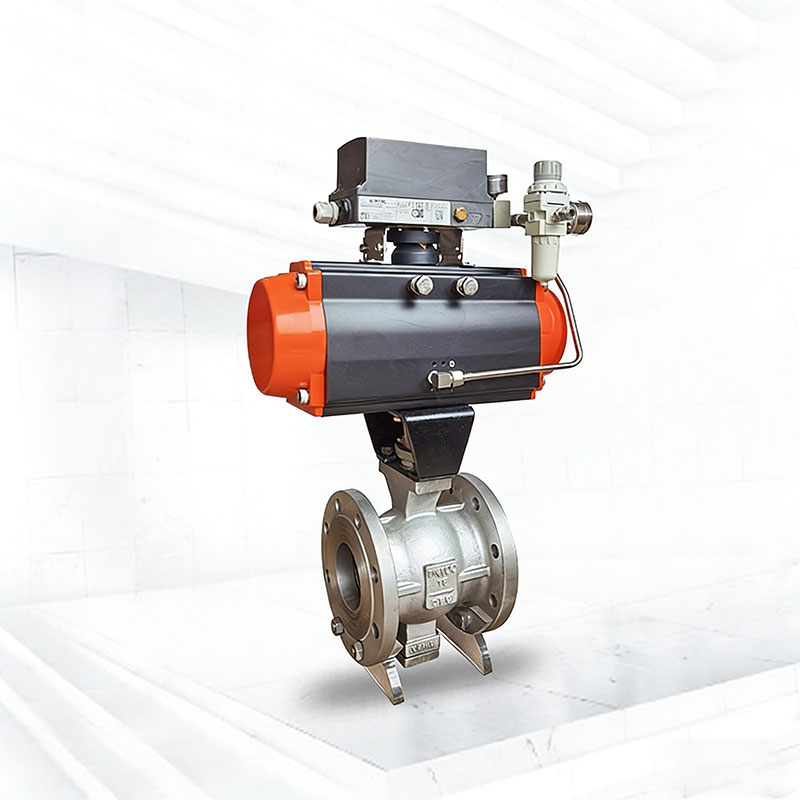
Valve sizing determines whether the valve can maintain pressure while delivering the required flow. A valve that is too large may open only slightly during normal operation, making pressure control unstable. A valve that is too small may create excessive pressure loss or fail to supply enough flow.
Important sizing factors include:
| Sizing Factor | Selection Impact |
|---|---|
| Minimum flow | Prevents instability at low demand |
| Normal flow | Main basis for stable operation |
| Maximum flow | Ensures the system can meet peak demand |
| Pressure drop | Determines required valve capacity |
| Medium density | Affects flow calculation |
| Temperature | Influences steam, gas, or liquid behavior |
| Required set pressure | Determines spring and actuator force balance |
For control valve sizing principles, industrial valve sizing standards provide useful reference for understanding how flow capacity and pressure drop affect valve selection.
Material Selection for Self Operated Pressure Control Valves
Material selection affects safety, durability, and maintenance frequency. A valve used in clean water does not need the same material configuration as a valve used in steam, corrosive gas, chemical media, or high-temperature service.
Key material selection areas include:
| Valve Component | Selection Focus |
|---|---|
| Valve body | Pressure rating, temperature, corrosion resistance |
| Valve plug and seat | Erosion resistance and sealing performance |
| Diaphragm or bellows | Sensitivity, temperature resistance, medium compatibility |
| Spring | Set pressure range and long-term stability |
| Packing | Stem sealing and temperature resistance |
| Gasket | Pressure sealing and chemical compatibility |
| Surface treatment | Corrosion or erosion resistance in harsh service |
For corrosive or abrasive media, standard materials may not be enough. The manufacturer should review the medium composition and recommend suitable body, trim, and sealing materials.
Installation Details That Affect Valve Performance
Even a correctly selected self operated pressure control valve can perform poorly if installed incorrectly. Installation layout affects sensing accuracy, pressure stability, noise, and maintenance access.
Important installation recommendations include:
| Installation Factor | Why It Matters |
|---|---|
| Straight pipe length | Reduces turbulence before and after the valve |
| Correct flow direction | Ensures valve operates as designed |
| Sensing line position | Improves pressure feedback accuracy |
| Strainer installation | Protects valve seat and trim from debris |
| Bypass line | Helps maintenance without full shutdown |
| Drain or vent points | Useful in steam, gas, and condensate systems |
| Support and alignment | Prevents pipeline stress on the valve body |
| Maintenance space | Allows inspection and adjustment |
For steam systems, condensate management is especially important. Incorrect installation may cause water hammer, unstable pressure, or premature valve damage.
Common Problems and How to Avoid Them
Self operated pressure control valves are simple compared with full automation valves, but improper selection or installation can still cause problems.
| Problem | Possible Cause | Prevention |
|---|---|---|
| Pressure hunting | Oversized valve or unstable sensing | Proper sizing and correct sensing line layout |
| Outlet pressure too high | Incorrect set point or seat leakage | Adjust spring and inspect sealing surface |
| Outlet pressure too low | Undersized valve or clogged strainer | Recheck flow capacity and clean pipeline |
| Noise or vibration | Excessive pressure drop or high velocity | Review pressure drop and valve size |
| Slow response | Blocked sensing line or damaged diaphragm | Inspect sensing line and actuator parts |
| Leakage | Seat wear, debris, or wrong seal material | Use strainer and choose proper trim material |
| Short service life | Wrong material for medium | Confirm material compatibility before ordering |
Many performance issues are not caused by valve quality alone. They often come from incomplete process data, incorrect sizing, poor installation, or lack of pipeline cleaning before commissioning.
When a Self Operated Pressure Control Valve Is Not the Best Choice
A self operated pressure control valve is useful, but it is not the right answer for every system.
It may not be ideal when:
| Condition | Better Alternative |
|---|---|
| Frequent remote set point changes are required | Electric or pneumatic control valve |
| Complex control logic is needed | Automated control valve with controller |
| Very high precision dynamic control is required | Pneumatic or electric control loop |
| Flow, temperature, and pressure must be coordinated | Full automation system |
| Real-time feedback to PLC/DCS is required | Electric or pneumatic control valve with transmitter |
In these situations, buyers can review Phileda’s broader control valve products to compare pneumatic, electric, self operated, ball, butterfly, shut-off, and other valve options.
Buyer Checklist Before Sending an Inquiry
To get a fast and accurate technical recommendation, provide complete operating data. A good inquiry should include more than the valve name.
Use this checklist:
| Inquiry Information | Example |
|---|---|
| Medium | Steam, water, air, gas, oil, chemical liquid |
| Inlet pressure | Normal and maximum upstream pressure |
| Outlet pressure | Required downstream set pressure |
| Flow rate | Minimum, normal, and maximum flow |
| Temperature | Normal and maximum operating temperature |
| Pipe size | DN or NPS |
| Connection | Flanged, threaded, welded |
| Valve material | Carbon steel, stainless steel, special alloy |
| Control purpose | Pressure reducing, pressure maintaining, differential pressure |
| Installation position | Horizontal or vertical pipeline |
| Special requirements | Low noise, corrosion resistance, high temperature, low leakage |
For customized working conditions, you can contact Phileda with your process data and ask the engineering team to recommend the correct self operated pressure control valve model and configuration.
Why Work With a Manufacturer for Self Operated Pressure Control Valve Selection
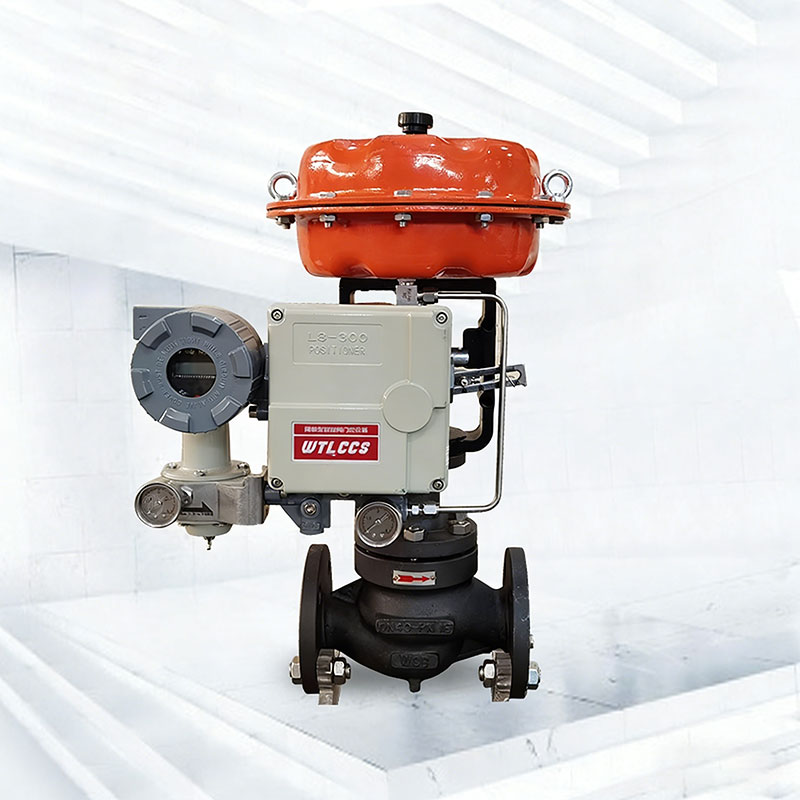
Self operated valves appear simple, but correct selection still requires engineering knowledge. The manufacturer must understand pressure balance, valve sizing, spring range, diaphragm area, material compatibility, leakage requirements, and installation conditions.
Working directly with a control valve manufacturer helps buyers avoid common problems such as incorrect spring range, unstable pressure regulation, oversized valves, unsuitable materials, or wrong valve structure.
Phileda supplies Self Operated Control Valve solutions for industrial pressure regulation applications, including pressure control, pressure regulating, and micro pressure regulating valve options. For projects requiring different automation methods, Phileda also provides pneumatic control valves, electric control valves, butterfly valves, ball valves, shut-off valves, and customized control valve solutions.
Conclusion
A self operated pressure control valve is a smart solution when stable pressure regulation is needed without external power, compressed air, or complex control systems. It is especially valuable in steam, gas, water, heating, utility, and industrial pipeline applications where reliability, simplicity, and energy independence matter.
The right valve must be selected based on medium, pressure range, flow rate, temperature, pressure drop, material compatibility, installation layout, and control purpose. It should not be chosen by pipe size alone.
For buyers planning a new project or replacing an unstable pressure regulating valve, the best approach is to provide complete process data and work with an experienced manufacturer. Review Phileda’s Self Operated Control Valve range or send your operating conditions for technical selection support.