High-temperature process systems place much greater stress on valves than normal water, air, or low-temperature liquid pipelines. In steam lines, heat transfer oil systems, hot gas pipelines, thermal equipment, chemical reactors, and power plant auxiliary systems, a valve must do more than regulate flow. It must maintain control accuracy while resisting thermal expansion, sealing fatigue, packing failure, pressure fluctuation, erosion, and long-term material degradation.
A high temperature control valve is designed to regulate flow, pressure, temperature, or liquid level under elevated temperature conditions. When selected correctly, it helps stabilize process output, improve equipment protection, reduce leakage risk, and support safer industrial automation.
However, high-temperature valve selection is often misunderstood. A valve that has the correct nominal diameter and pressure rating may still fail if the material, trim, actuator, packing, flow characteristic, and installation layout are not suitable for the actual thermal condition.
This guide explains how to select a high temperature control valve for demanding industrial systems, especially steam, heat transfer oil, and hot gas applications.
Table of Contents
What Is a High Temperature Control Valve?
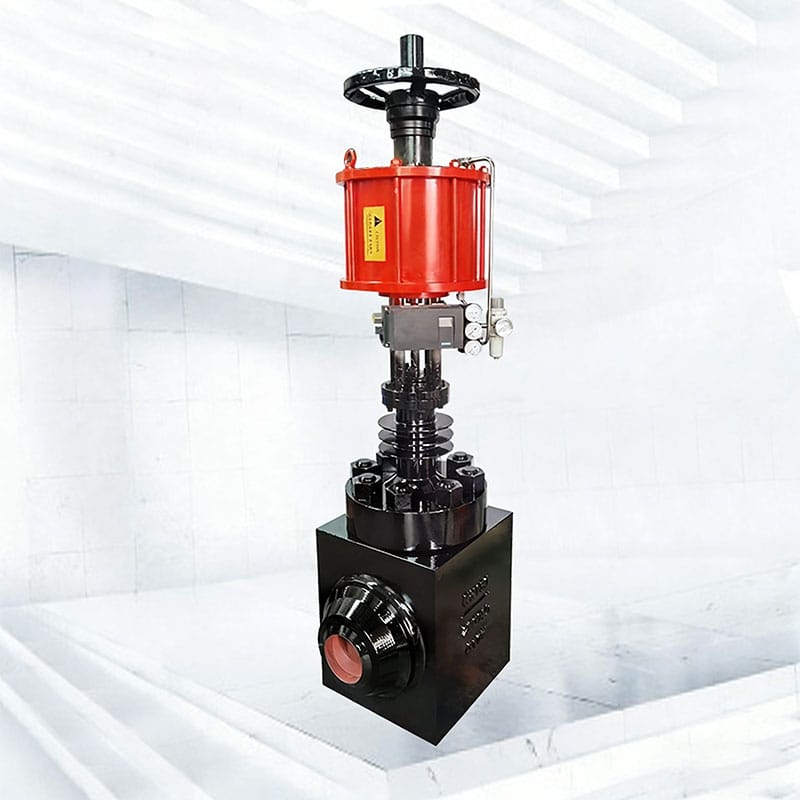
A high temperature control valve is an automated regulating valve designed for process media operating at elevated temperatures. It can be used to control flow rate, pressure, temperature, or liquid level by changing the valve opening according to a control signal.
In many industrial systems, the valve is connected to a pneumatic actuator, electric actuator, positioner, controller, and related accessories. When the process variable changes, the control system sends a signal to the actuator, and the valve adjusts its opening to keep the process stable.
A general control valve is used as a final control element in process systems. In high-temperature applications, the valve must also be engineered for thermal stress, high-temperature sealing, stem movement stability, and material strength at operating temperature.
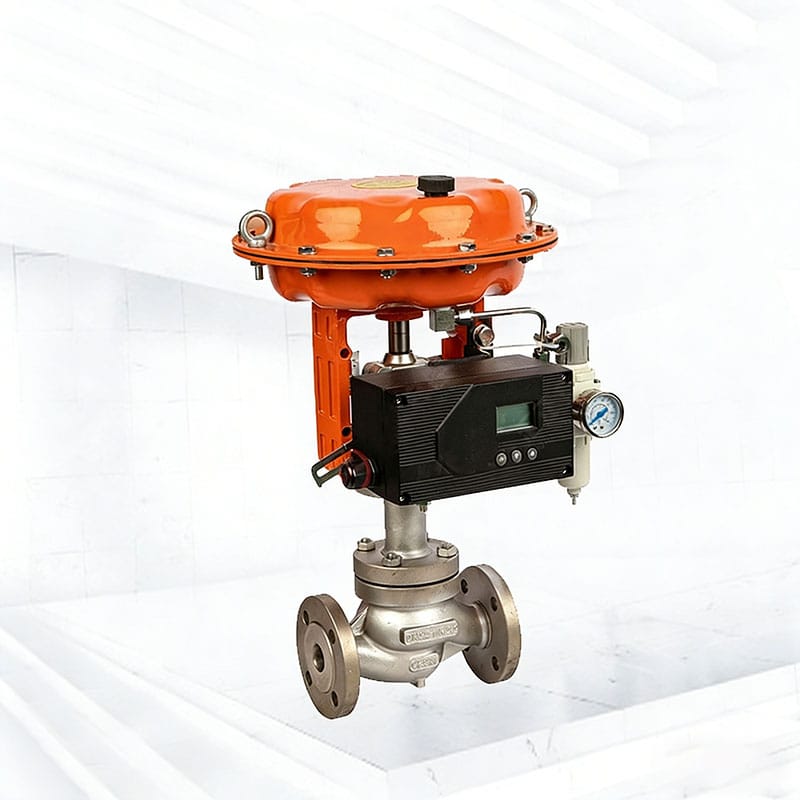
For severe thermal applications, Phileda’s Pneumatic Diaphragm High Temperature Control Valve is designed for continuous regulation of high-temperature steam, heat transfer oil, and high-temperature gas systems.
Why High-Temperature Service Requires Special Valve Selection
High-temperature systems create problems that may not appear in ordinary service. Heat changes material strength, expands valve components, affects sealing surfaces, increases packing stress, and may reduce actuator accessory life if thermal isolation is poor.
A high temperature control valve must handle both the process medium and the mechanical effects of heat.
| High-Temperature Challenge | Impact on Valve Performance |
|---|---|
| Thermal expansion | May affect stem movement, sealing, and alignment |
| Packing degradation | Can cause stem leakage and maintenance issues |
| Gasket stress | May lead to flange or body joint leakage |
| Trim erosion | High velocity steam or gas can damage internal parts |
| Pressure fluctuation | Can cause unstable control or vibration |
| Heat transfer to actuator | May shorten actuator or accessory service life |
| Material strength reduction | Requires suitable body and trim material |
| Start-stop thermal cycling | Can fatigue sealing parts over time |
This is why a high temperature control valve should not be selected only by pipe size. The complete working condition must be reviewed before confirming the valve model.
Common Applications of High Temperature Control Valves
High temperature control valves are used in industries where heat transfer, process heating, thermal regulation, and high-temperature media control are critical.
| Industry or System | Typical Application |
| Chemical processing | Reactor heating, distillation, thermal oil circulation |
| Petrochemical | Hot gas, steam, process fluid, and heat exchange control |
| Power generation | Steam regulation, auxiliary thermal systems, heating loops |
| Pharmaceutical | Sterilization, clean steam, jacketed vessel heating |
| Food processing | Cooking, drying, sterilization, heat exchanger control |
| Textile production | Dyeing, drying, and steam temperature control |
| Paper manufacturing | Steam drying, pulp processing, temperature regulation |
| Rubber and plastics | Vulcanization, molding, and thermal process control |
| Metallurgy | Hot gas, cooling control, and high-temperature auxiliary lines |
For systems requiring continuous and precise regulation, the HTS Single Seat Pneumatic Control Valve can be considered when the application requires stable control of flow, pressure, temperature, or liquid level.
High Temperature Steam Control Valve Selection
Steam is one of the most common high-temperature media. It is also one of the most demanding. Steam is compressible, fast-moving, and often sensitive to pressure drop. Poor valve selection can cause noise, vibration, unstable temperature control, erosion, leakage, or water hammer.
For steam systems, confirm the following before selecting the valve:
| Steam Parameter | Why It Matters |
| Saturated or superheated steam | Affects temperature, density, and sizing method |
| Inlet pressure | Determines upstream operating condition |
| Outlet pressure | Determines pressure drop across the valve |
| Steam temperature | Affects body, trim, packing, and gasket selection |
| Minimum, normal, and maximum flow | Prevents oversizing or undersizing |
| Control purpose | Flow, pressure, temperature, or heat exchanger control |
| Failure position | Important for process safety |
| Noise limitation | Important for high pressure drop steam systems |
Steam control valves often require careful sizing because the flow condition can become complex under high pressure drop. For general valve sizing principles, the ISA control valve sizing standards committee provides useful engineering reference for control valve sizing methods.
Heat Transfer Oil Control Valve Selection
Heat transfer oil systems are widely used where stable heating is required without using direct steam. These systems are common in chemical plants, textile production, plastics processing, asphalt equipment, and thermal oil heating units.
Compared with steam, heat transfer oil is usually a liquid medium, but it can operate at very high temperatures. Valve selection must consider temperature resistance, oil compatibility, leakage control, and thermal cycling.
| Selection Factor | Heat Transfer Oil Consideration |
| Operating temperature | Determines packing, gasket, and body material |
| Oil viscosity | Affects flow resistance and valve sizing |
| Thermal stability | Helps avoid media degradation and deposits |
| Leakage control | Hot oil leakage may create safety and maintenance risks |
| Valve opening range | Important for stable heat transfer |
| Material compatibility | Prevents seal damage and corrosion |
| Maintenance access | Useful because thermal oil systems may require periodic cleaning |
A heat transfer oil control valve should offer stable modulation, reliable sealing, and a structure suitable for long-term thermal operation. If the system requires very precise temperature control, the valve, actuator, temperature sensor, and controller must work together as a complete control loop.
Control Valve for Hot Gas Systems
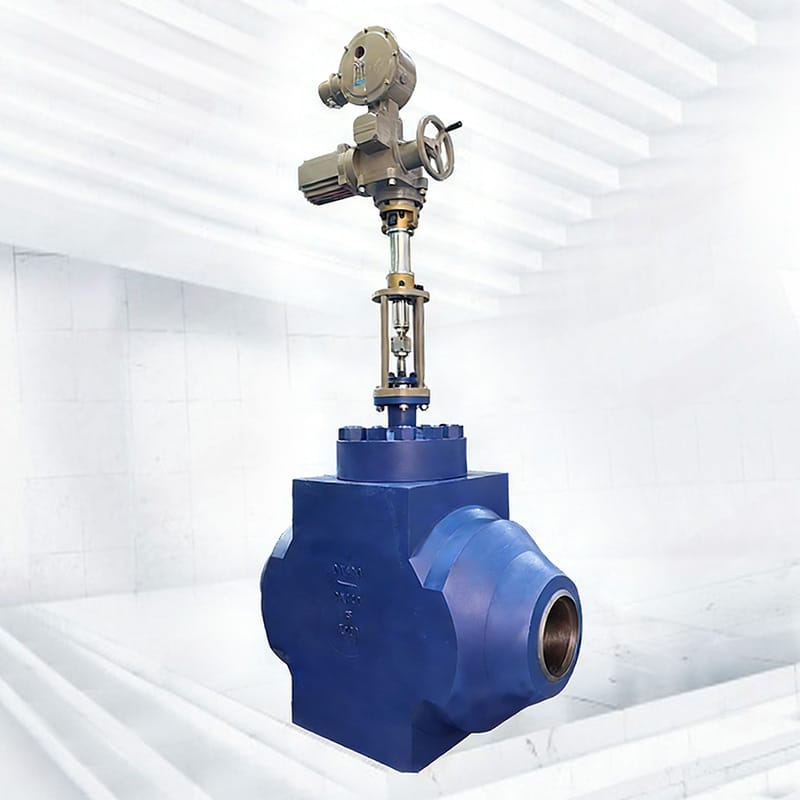
Hot gas systems can be difficult because gas density, pressure, velocity, and temperature all influence valve performance. High-temperature gas may also create noise, vibration, and erosion, especially under high pressure drop.
Typical hot gas applications include furnace systems, drying equipment, chemical exhaust lines, high-temperature air systems, and process gas pipelines.
Important selection points include:
| Hot Gas Factor | Selection Impact |
| Gas composition | Determines corrosion and material compatibility |
| Temperature | Affects body, trim, packing, and actuator protection |
| Pressure drop | Influences noise, velocity, and control stability |
| Flow range | Determines valve size and control accuracy |
| Dust or particles | May require erosion-resistant trim |
| Leakage requirement | Important for safety and process efficiency |
| Installation position | Affects actuator protection and maintenance space |
For harsh operating conditions involving high pressure and high temperature, Phileda’s Electric Ultra High Pressure Control Valve may be considered when electric automation and high-pressure regulation are required.
Pneumatic vs Electric Actuation for High Temperature Control Valves
High temperature control valves may use pneumatic or electric actuators. The actuator should be selected according to response speed, control signal, site utilities, safety requirements, and installation environment.
| Comparison Point | Pneumatic High Temperature Control Valve | Electric High Temperature Control Valve |
| Power source | Compressed air | Electricity |
| Response speed | Usually fast | Depends on actuator type |
| Modulating control | Strong with positioner | Strong with modulating actuator |
| Fail-safe options | Common with spring-return actuator | Depends on actuator configuration |
| Site requirement | Needs instrument air | Needs electrical power |
| Maintenance focus | Air quality, diaphragm, positioner | Motor, gear, wiring, control module |
| Suitable applications | Steam, hot gas, fast process control | Remote electric automation, sites without air supply |
Pneumatic actuation is commonly selected for steam and fast process regulation because it offers quick response and practical fail-safe options. Electric actuation may be preferred where compressed air is not available or where the plant requires electric remote operation.
For different automation options, the complete Control Valve product category can be reviewed to compare pneumatic, electric, and other control valve structures.
Material Selection for High Temperature Control Valves
Material selection is one of the most important parts of high-temperature valve design. At elevated temperature, the mechanical properties of materials can change. Packing and gasket materials may age faster. Trim surfaces may wear due to high velocity or pressure drop.
Key valve parts to review include:
| Valve Component | Selection Focus |
| Valve body | Temperature resistance, pressure rating, corrosion resistance |
| Bonnet | Thermal extension, heat dissipation, packing protection |
| Trim | Erosion resistance, throttling stability, thermal strength |
| Seat | Leakage control and temperature compatibility |
| Stem | Strength, smooth movement, anti-galling performance |
| Packing | High-temperature sealing and low-friction operation |
| Gasket | Long-term sealing under heat and pressure cycling |
| Actuator bracket | Heat isolation and mechanical stability |
For general industrial valve pressure-temperature requirements, ASME B16.34 is a useful reference for valves with flanged, threaded, and welding-end connections.
Extended Bonnet and Thermal Protection
One key design feature in many high-temperature control valves is thermal protection around the stem, packing, and actuator connection. If heat transfers directly from the valve body to the packing and actuator, sealing reliability and accessory life may be reduced.
An extended bonnet or heat-dissipation structure may be used to move the packing area farther away from the hottest part of the valve body. This helps protect the packing and actuator accessories from excessive temperature.
| Thermal Protection Method | Purpose |
| Extended bonnet | Moves packing farther from high-temperature valve body |
| Heat sink structure | Helps dissipate heat before it reaches accessories |
| High-temperature packing | Maintains stem sealing under heat |
| Insulation management | Controls heat loss without overheating actuator parts |
| Proper actuator orientation | Reduces direct heat exposure |
| Accessory protection | Protects positioners, switches, and wiring |
Insulation should also be applied carefully. Covering the wrong part of the valve may trap heat near the actuator or packing area. The valve manufacturer should provide guidance based on the product structure.
Pressure Drop, Noise, and Erosion Risks
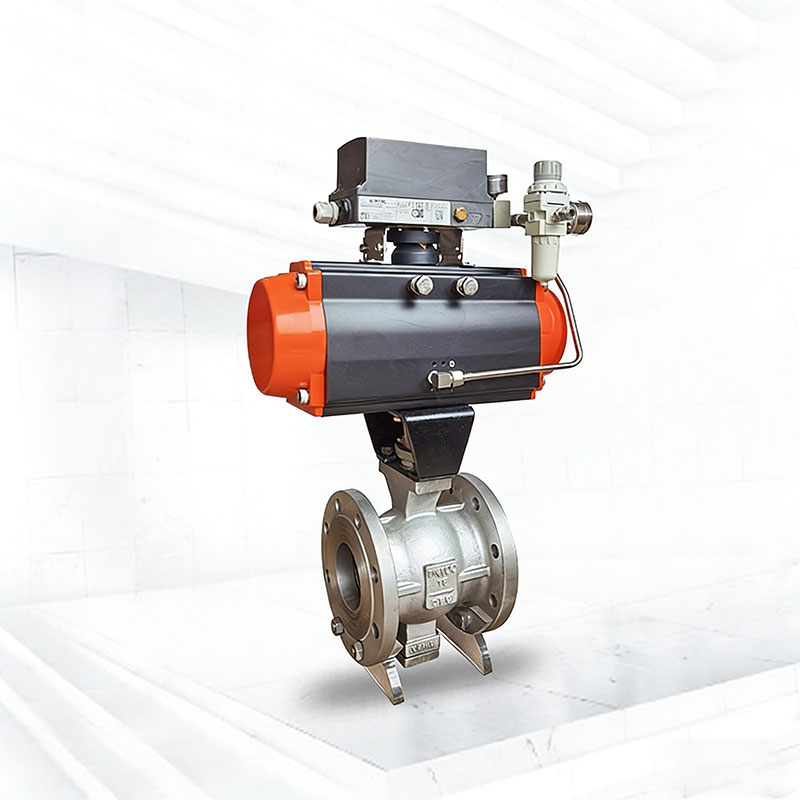
High temperature often appears together with high pressure or high flow velocity. In these conditions, the pressure drop across the valve becomes critical. Excessive pressure drop can cause noise, vibration, trim erosion, poor control, and shortened service life.
| Risk | Possible Cause |
| High noise | High velocity gas or steam through the valve |
| Vibration | Oversizing, unstable flow, or poor pipeline support |
| Trim erosion | High-speed steam, hot gas, or particles |
| Seat leakage | Thermal stress, erosion, or unsuitable sealing design |
| Poor control | Wrong valve size or flow characteristic |
| Actuator overload | Insufficient thrust or torque under pressure differential |
For severe conditions, the valve may need special trim, hardened sealing surfaces, multi-stage pressure reduction, or a different valve body structure. These details should be confirmed during selection, not after installation.
Flow Characteristic Selection
Flow characteristic determines how the flow changes as the valve opens. In high-temperature control systems, the correct flow characteristic helps stabilize temperature, pressure, and flow regulation.
| Flow Characteristic | Behavior | Typical Use |
| Linear | Flow changes evenly with valve travel | Stable pressure drop systems |
| Equal percentage | Flow change increases gradually as valve opening increases | Steam, heat exchangers, systems with changing pressure drop |
| Quick opening | Large flow change at small opening | On/off service or fast filling, not precise modulation |
For many steam and heat exchanger systems, equal percentage trim is commonly considered because pressure drop changes as system demand changes. Linear trim may be suitable where pressure conditions remain stable. Quick opening trim is usually not preferred for precise high-temperature process control.
High Temperature Valve Sizing: Avoid Oversizing
Oversizing is a common problem in control valve selection. A larger valve may seem safer, but it can make control worse. If the valve operates too close to the closed position during normal service, small stem movements can create large flow changes. This may cause hunting, temperature fluctuation, noise, and seat wear.
A correct sizing process should consider:
| Sizing Data | Why It Is Needed |
| Minimum flow | Ensures stable control at low demand |
| Normal flow | Main basis for regular operation |
| Maximum flow | Confirms peak capacity |
| Inlet pressure | Determines upstream condition |
| Outlet pressure | Defines pressure drop |
| Temperature | Affects medium properties and material selection |
| Medium state | Steam, gas, liquid, or thermal oil |
| Required control range | Prevents poor modulation performance |
The valve should be sized for actual operating conditions, not only maximum design values. A high temperature control valve must regulate smoothly through the normal working range.
Installation Details That Affect High Temperature Valve Life
Correct installation is essential for long-term performance. High temperature can amplify the effect of poor alignment, pipeline stress, vibration, condensate, and thermal expansion.
| Installation Factor | Recommendation |
| Flow direction | Follow the valve body arrow and technical drawing |
| Pipeline support | Prevent pipe stress from loading the valve body |
| Thermal expansion | Use proper expansion compensation where needed |
| Straight pipe length | Improve flow stability before and after the valve |
| Condensate drainage | Important for steam systems |
| Strainer installation | Protects trim from welding slag and debris |
| Actuator clearance | Allows maintenance and calibration |
| Accessory protection | Reduces heat exposure to positioner and wiring |
| Startup procedure | Warm up the system gradually |
In steam systems, condensate should be removed properly. Water hammer may occur when condensate or fluid movement creates a sudden pressure surge, which can damage valves and pipelines.
Common Failure Causes in High Temperature Control Valves
Many high-temperature valve problems are caused by incomplete process data, incorrect material selection, or poor installation conditions.
| Failure Symptom | Possible Cause |
| Stem leakage | Packing not suitable for temperature or stem friction too high |
| Seat leakage | Erosion, thermal deformation, or wrong sealing material |
| Unstable control | Oversized valve, wrong trim, or poor actuator response |
| Excessive noise | High pressure drop or high velocity |
| Actuator problems | Heat transfer to actuator or accessory failure |
| Valve sticking | Thermal expansion, deposits, or poor stem alignment |
| Short packing life | High temperature, vibration, or frequent cycling |
| Trim damage | Erosion from steam, hot gas, or particles |
A reliable solution starts with process review. Replacing the same valve model without identifying the real failure cause may repeat the same problem.
Selection Checklist for High Temperature Control Valve Projects
Before confirming a high temperature control valve, prepare the following information:
| Required Information | Example |
| Medium | Steam, heat transfer oil, hot gas, chemical fluid |
| Medium state | Gas, liquid, saturated steam, superheated steam |
| Operating temperature | Normal and maximum temperature |
| Inlet pressure | Normal and maximum upstream pressure |
| Outlet pressure | Required downstream pressure |
| Flow rate | Minimum, normal, and maximum |
| Pipe size | DN or NPS |
| Connection type | Flanged, welded, threaded, or customized |
| Control purpose | Flow, pressure, temperature, or level control |
| Actuator type | Pneumatic or electric |
| Control signal | 4–20 mA, pneumatic signal, open/close signal |
| Failure position | Fail open, fail closed, or fail in place |
| Material requirement | Carbon steel, stainless steel, alloy, special trim |
| Leakage requirement | Soft seal, metal seal, or specified leakage level |
| Accessories | Positioner, solenoid valve, limit switch, air filter regulator |
Complete process data helps the manufacturer recommend the correct valve body, actuator, trim, packing, and accessory configuration.
Need Help Choosing the Right High Temperature Control Valve?
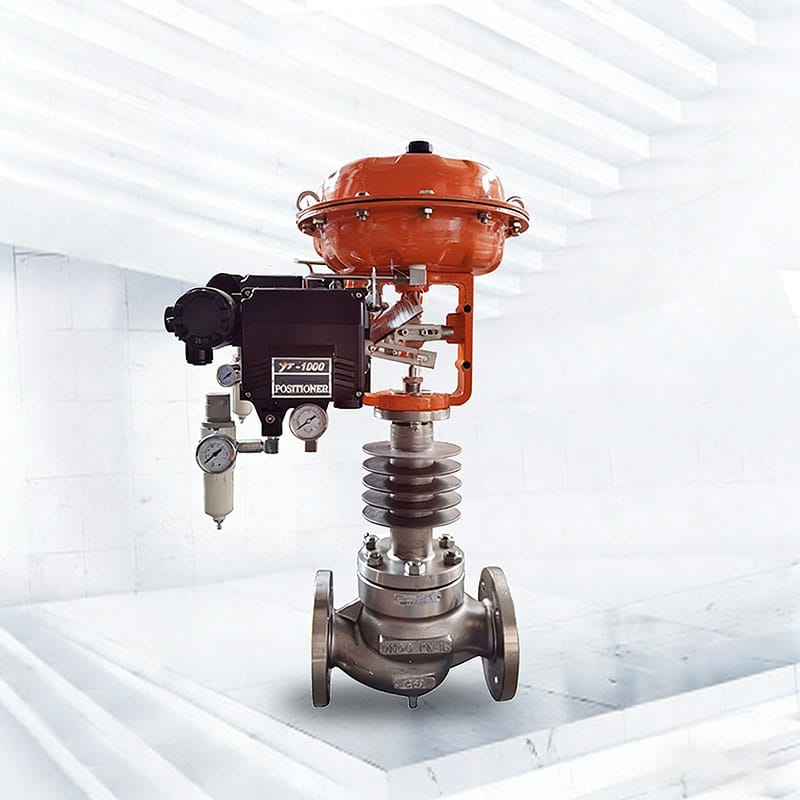
High-temperature systems often involve more risk than standard pipelines. Steam pressure drop, thermal oil leakage, hot gas velocity, high-temperature packing, and actuator protection all need engineering attention.
Phileda provides industrial automatic control valve solutions for steam, heat transfer oil, hot gas, chemical processing, power generation, and other demanding applications. Project teams can review the control valve product range or contact Phileda with operating conditions for technical selection support.
Conclusion
A high temperature control valve is a critical component in steam, heat transfer oil, hot gas, and thermal process systems. Correct selection affects control stability, leakage prevention, energy efficiency, process safety, and long-term equipment reliability.
The right valve should be selected based on medium type, operating temperature, pressure drop, flow range, valve body material, trim design, packing structure, actuator type, control signal, failure position, and installation conditions. A valve selected only by nominal size or pressure rating may not perform reliably in real high-temperature service.
For applications involving high-temperature steam, thermal oil, or hot gas, Phileda’s Pneumatic Diaphragm High Temperature Control Valve and HTS Single Seat Pneumatic Control Valve can be considered depending on the working conditions. For customized selection, send your process data to confirm the most suitable high temperature control valve configuration.