Finding a reliable ball valve supplier is often one of the most critical decisions in industrial procurement. Beyond simply delivering products, a trusted supplier can shape the efficiency, safety, and longevity of your operations. But with countless suppliers available, how do you separate the ones that deliver consistent quality from those that fall short?
Here, we dive into key insights from a manufacturer’s perspective, offering guidance that goes beyond generic advice—helping you make informed choices that truly impact your industrial projects.
Table of Contents
Why Your Supplier Matters More Than You Think
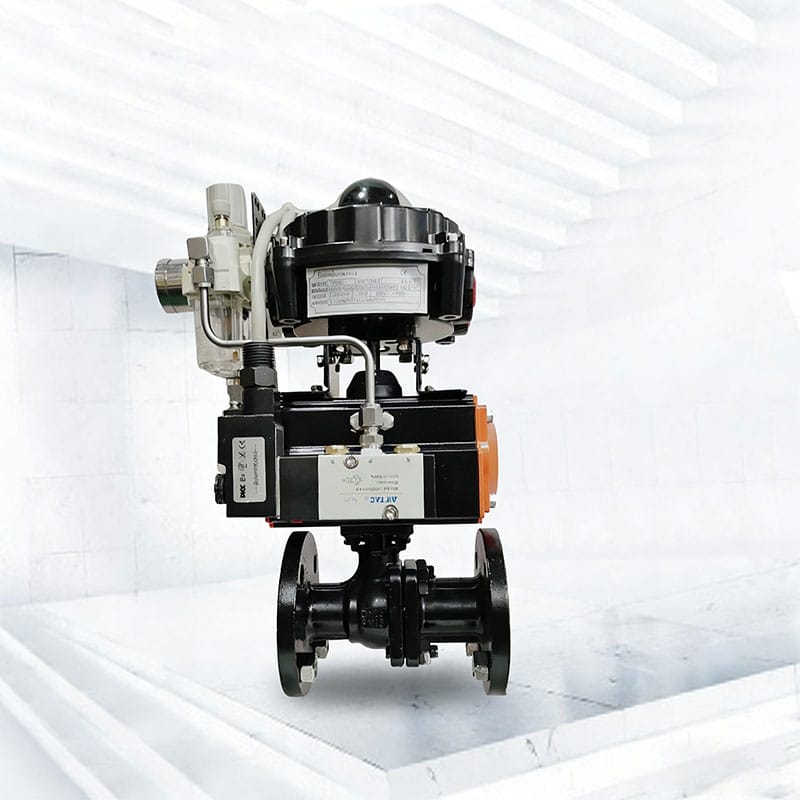
In many industries, the valve you choose can be the difference between smooth operations and unexpected downtime. A ball valve supplier is not just a source of inventory—they are a strategic partner. Consider these points:
- Technical Expertise: A manufacturer understands production limits, material behavior, and design standards.
- Consistency: Quality control ensures every valve meets stringent industrial requirements.
- Customization: Direct manufacturers can adapt valve dimensions, materials, or pressure ratings to suit specific applications.
Working with a manufacturer rather than a middleman ensures these advantages are realized—reducing the risk of performance issues and compliance gaps.
Signs of a Reliable Ball Valve Supplier
Not every supplier is created equal. Reliable suppliers share these core characteristics:
- Certifications You Can Trust: ISO 9001, API, and CE certifications indicate a commitment to quality and process integrity.
- Transparent Production: Clear insight into manufacturing processes, from material sourcing to pressure testing.
- Proven Experience Across Industries: Familiarity with chemical plants, water systems, HVAC, or food processing adds confidence.
- Support Beyond Delivery: Technical guidance, installation assistance, and after-sales support are essential for smooth operations.
Think of it as choosing a partner who can troubleshoot and advise, not just deliver valves.
The Ball Valve Spectrum: Types You Should Know
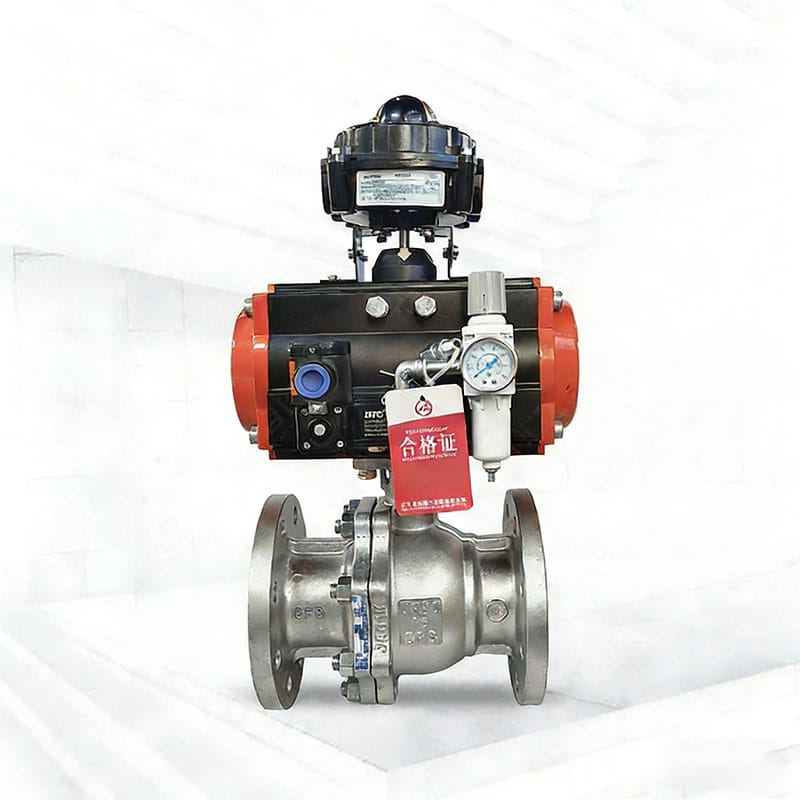
Industrial projects demand versatility. Suppliers typically offer:
- Stainless Steel Valves: Suited for high-temperature, high-pressure, and corrosive environments.
- Brass Valves: Ideal for low-pressure systems, HVAC, and potable water networks.
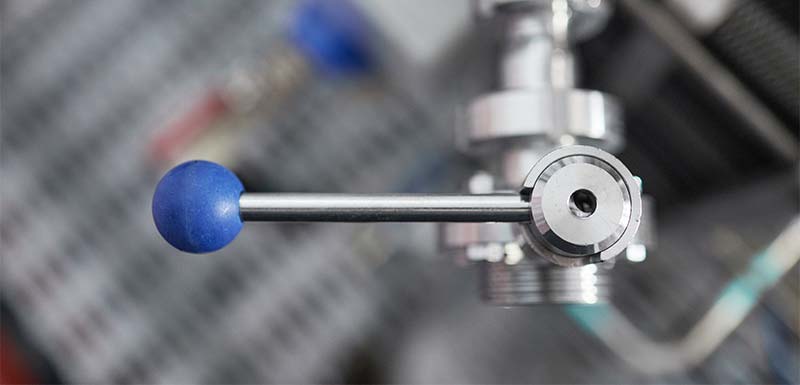
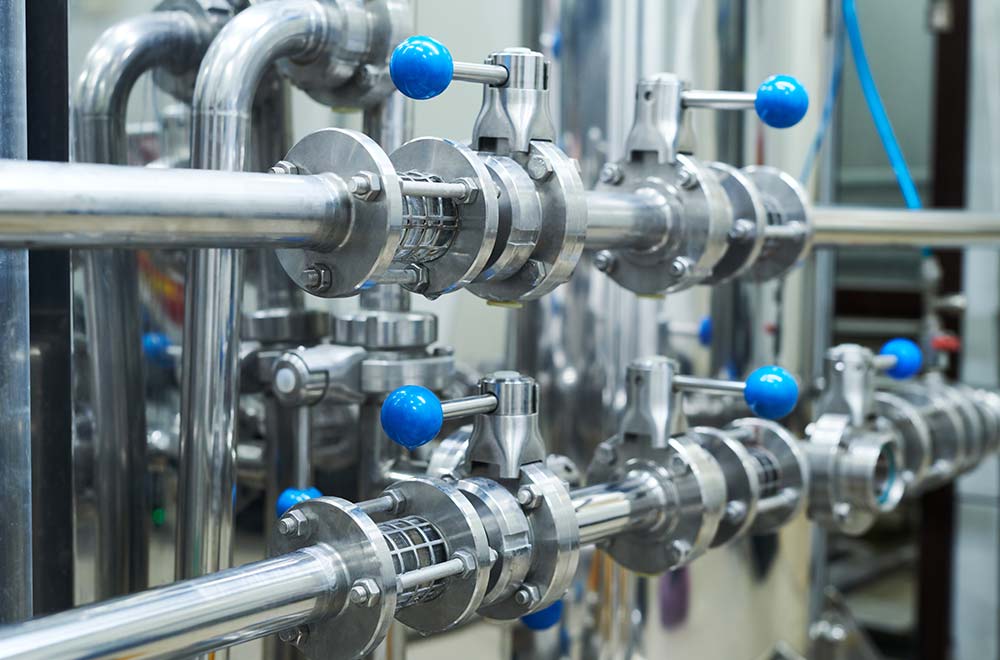
- Sanitary Valves: Essential for food, beverage, and pharmaceutical applications.
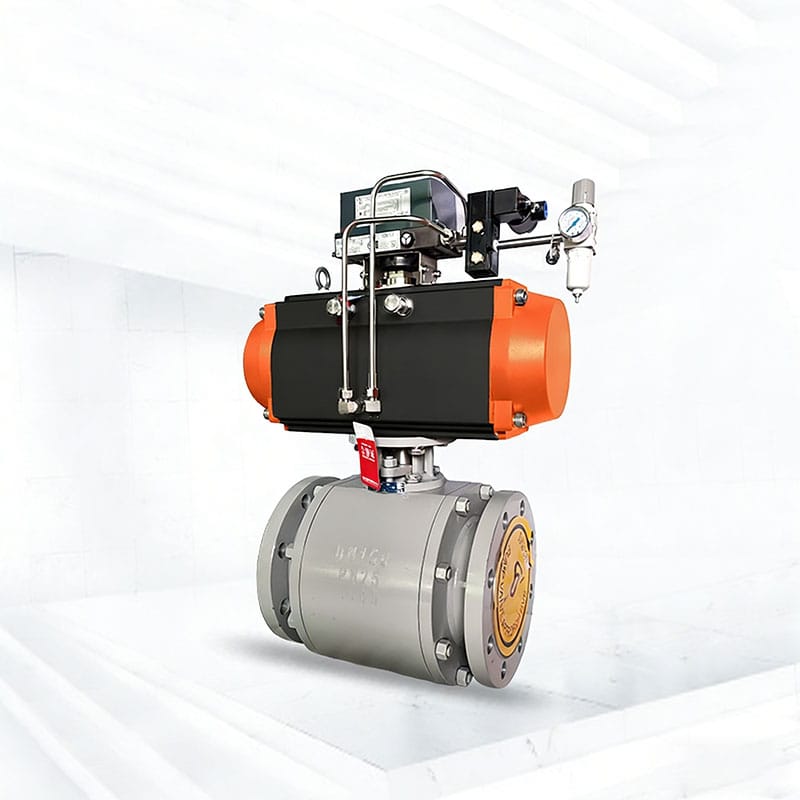
- Specialized Valves: High-pressure or chemical-resistant valves tailored to unique industrial demands.
When evaluating suppliers, ensure they cover the types relevant to your operations. Flexibility and technical range matter more than catalog size.
Evaluating Your Supplier: The Checklist
Rather than relying on price alone, consider these factors:
- Material Compatibility: Valves must match the medium and operating conditions.
- Delivery Reliability: Confirm lead times and inventory capabilities.
- Technical Advisory: Can the supplier recommend valve types, installation practices, or maintenance tips?
- Long-Term Viability: Are they capable of supporting future projects or expansions?
A supplier that checks these boxes becomes a partner in efficiency, not just a vendor.
Why Manufacturer Partnerships Give You an Edge
Direct collaboration with a manufacturer transforms the procurement process. The benefits include:
- Higher Quality Assurance: Every valve is traceable and meets defined standards.
- Enhanced Customization: Tailored designs are easier to achieve without intermediary restrictions.
- Better Communication: Technical clarifications and design tweaks happen faster.
- Operational Confidence: Knowing your valves are backed by the producer reduces risks of failure.
In short, manufacturers are invested in your success, whereas intermediaries may prioritize quantity over quality.
Real-World Applications: Where Ball Valves Make a Difference
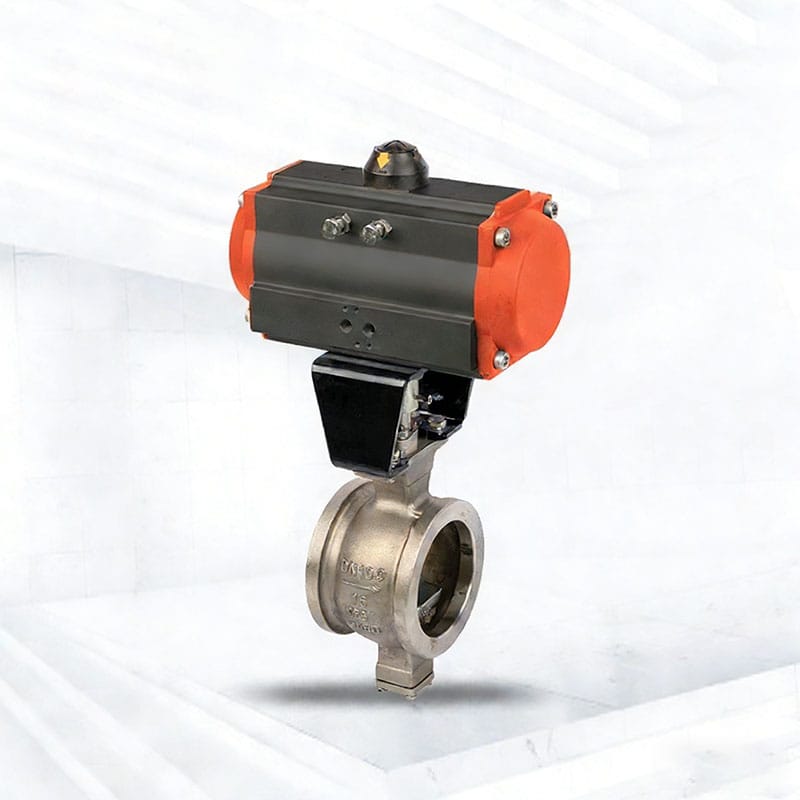
From petrochemical facilities to water treatment plants, ball valves are everywhere. Notable applications include:
- Chemical and Petrochemical Plants: Managing corrosive, high-pressure flows.
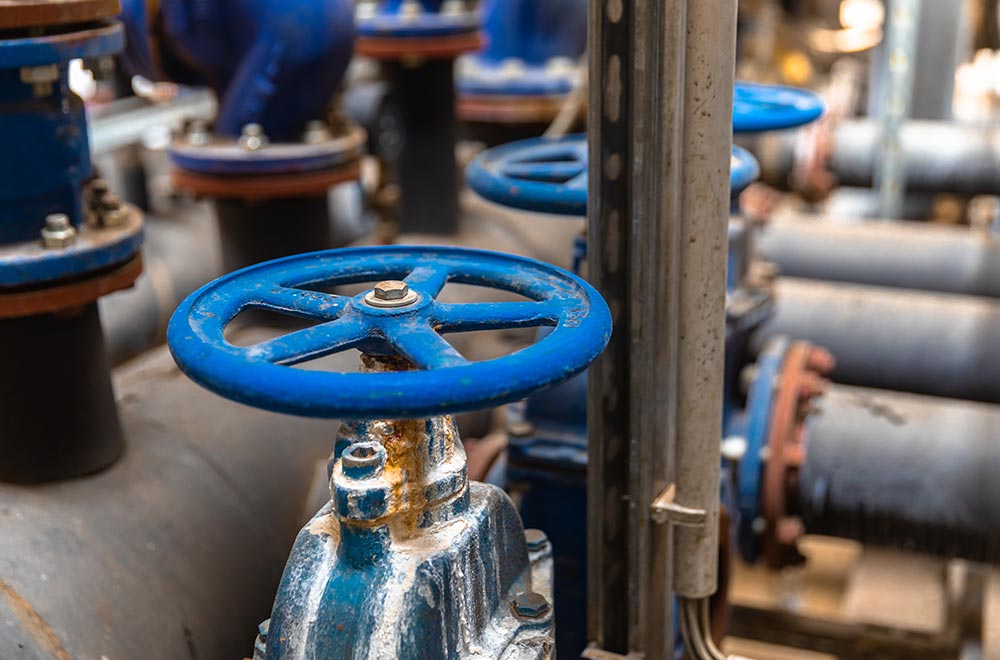
- Water Treatment Systems: Ensuring safe and continuous water supply.
- Food and Pharmaceutical Lines: Maintaining hygiene and regulatory compliance.
- Power Generation and HVAC: Controlling fluid and air flows reliably.
Each application carries unique requirements, reinforcing the importance of a supplier who understands your industry.
Common Pitfalls and How to Avoid Them
Even seasoned buyers face challenges with ball valve suppliers:
- Misaligned Specifications: Ensure the supplier fully understands your project needs.
- Delivery Bottlenecks: Confirm production capacity before committing to deadlines.
- Limited Technical Support: Prioritize suppliers who offer engineering assistance.
Mitigation starts with clear communication, thorough vetting, and long-term relationship building.
Building a Long-Term Supplier Relationship
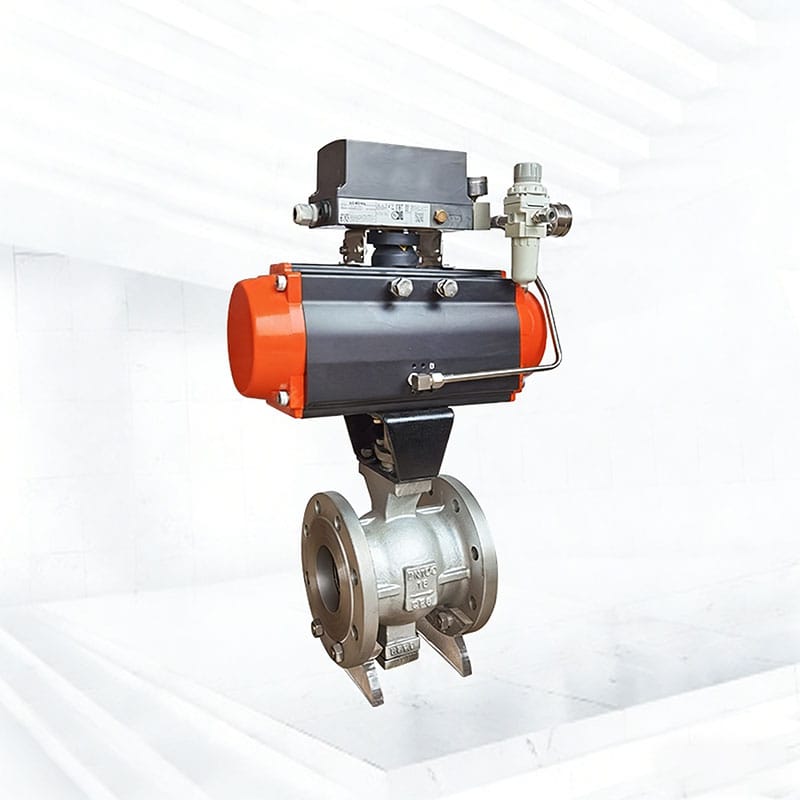
A successful partnership extends beyond the first order. Consider these strategies:
- Regular Quality Audits: Verify ongoing compliance with specifications and standards.
- Clear Communication: Maintain open lines for updates, technical questions, and feedback.
- Collaborative Planning: Work together on future projects and system improvements.
Long-term partnerships reduce operational risk and increase efficiency, ultimately saving time and resources.
Conclusion
Choosing the right ball valve supplier is more than a purchasing decision—it’s a strategic choice that affects reliability, safety, and efficiency across your industrial operations. By focusing on certified manufacturers with proven quality, customization capabilities, and technical expertise, you can secure valves that perform consistently in demanding environments. Direct collaboration with a manufacturer ensures traceability, reduces risk, and strengthens your operational outcomes.
For industrial projects where precision and reliability are non-negotiable, selecting a manufacturer-focused supplier is an investment in your long-term success.
FAQ
What should I look for in a reliable ball valve supplier?
A reliable supplier should offer certified products, consistent quality, technical support, and customization options to match your industrial needs.
Why is it better to work directly with a ball valve manufacturer?
Direct manufacturers provide better quality assurance, customization capabilities, traceability, and faster technical communication compared to intermediaries.
What types of ball valves are commonly available from suppliers?
Suppliers typically offer stainless steel, brass, high-pressure, low-pressure, and sanitary ball valves suitable for various industrial applications.
How can I ensure the ball valves I order are compatible with my system?
Check material compatibility, pressure ratings, temperature limits, and intended application with the supplier before placing an order.
What industries commonly use ball valves?
Ball valves are widely used in chemical plants, water treatment systems, food and pharmaceutical production, power generation, and HVAC applications.