Table of Contents
Introduction
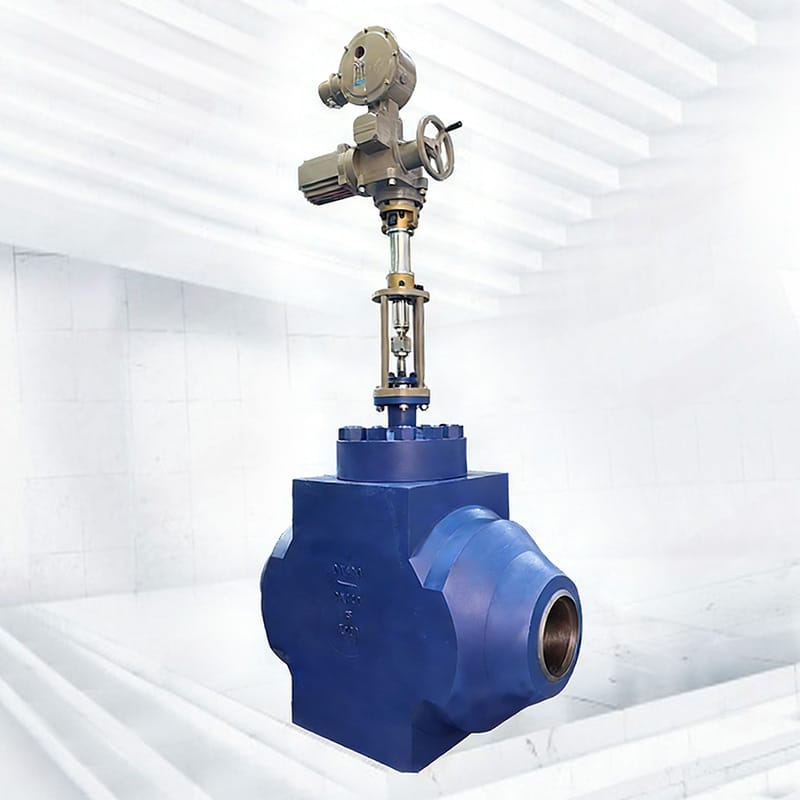
Electrically controlled valves are essential components in modern manufacturing and industrial automation systems. These valves regulate the flow of liquids and gases with precision, responding to electrical signals from control systems. By integrating electrically controlled valves into production lines, manufacturers can achieve more accurate flow control, reduce downtime, and optimize overall operational efficiency.
As a leading manufacturer of high-quality electrically controlled valve, we design and produce valves suitable for a variety of industrial applications, including chemical processing, water treatment, and HVAC systems. Understanding the functionality and advantages of these valves is crucial for industries aiming to improve productivity and reduce energy costs.
Types of Electrically Controlled Valve
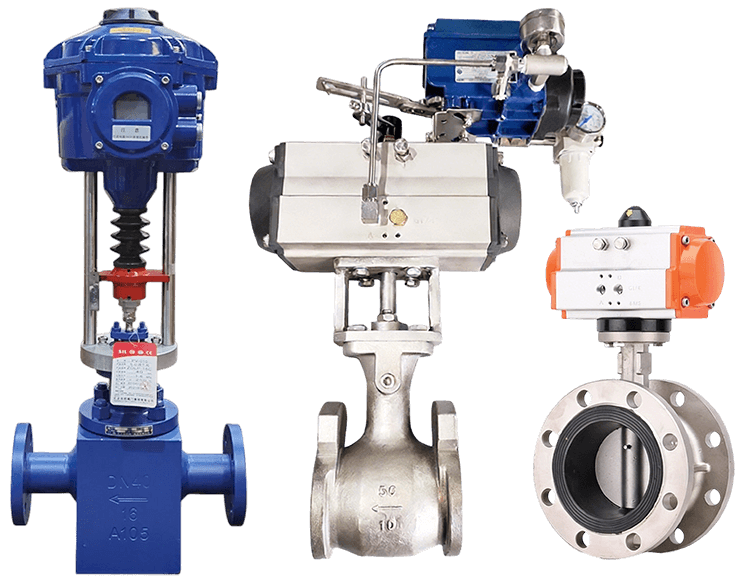
Electrically controlled valves come in multiple types, each designed for specific operational needs. The most common types include:
- Solenoid Valves – Fast-acting and ideal for precise control in automated systems.
- Motorized Ball Valves – Provide robust performance for larger pipelines and higher pressures.
- Proportional Electrically Controlled Valve – Allow variable flow adjustments for systems requiring fine-tuned control.
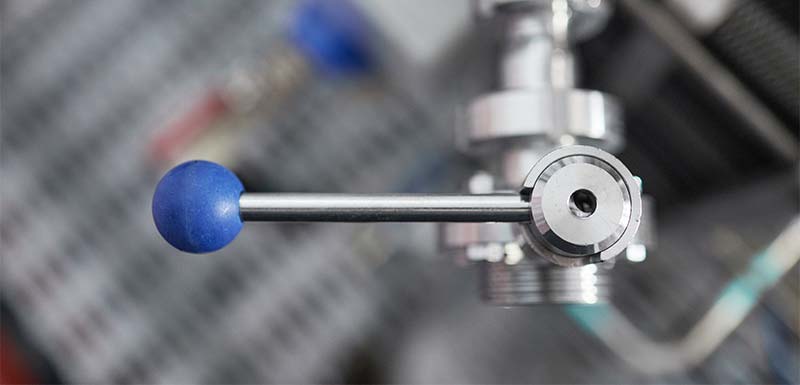
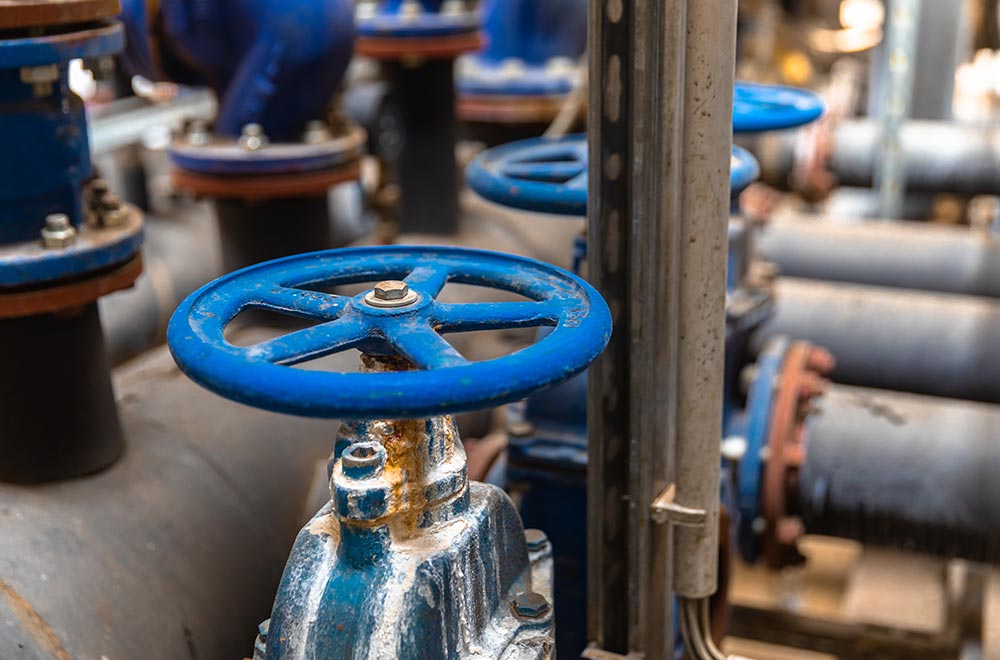
Compared to manual valves, electrically controlled valve offer automated operation, reduced human error, and more consistent performance, making them a preferred choice for modern manufacturing environments.
Benefits of Using Electrically Controlled Valves
Incorporating electrically controlled valve into industrial systems offers multiple advantages:
- Increased Operational Efficiency: Automated control reduces response time and improves production flow.
- Precise Flow Control: Ensures accurate delivery of fluids or gases according to system requirements.
- Reduced Maintenance Costs: Less wear and tear due to controlled actuation.
- Energy Efficiency: Optimized valve operation reduces unnecessary energy consumption.
The combination of these benefits results in higher system reliability and lower operational costs over the valve’s lifecycle.
Applications of Electrically Controlled Valves in Manufacturing
Electrically controlled valve is widely used across diverse industries:
- Chemical and Petrochemical Processing: Accurate dosing and flow control for chemical reactions.
- Water and Wastewater Treatment: Automated flow regulation for pumps and filtration systems.
- Food and Beverage Industry: Hygienic and precise control for liquids in production lines.
- Power Generation and HVAC Systems: Efficient flow management to maintain optimal energy usage.
These applications demonstrate the versatility of electrically controlled valves and their critical role in maintaining industrial process efficiency.
Common Challenges and Troubleshooting Tips
While electrically controlled valves are highly reliable, some common challenges can occur:
- Actuation Issues: Delayed response or failure to open/close properly.
- Leakage or Corrosion: Especially in harsh chemical environments.
- Maintenance Needs: Periodic inspection of seals, actuators, and wiring.
Preventive maintenance, proper installation, and selecting valves compatible with the working media can significantly extend their service life.
How Electrically Controlled Valve Compare to Pneumatic and Manual Valves
Electrically controlled valves provide distinct advantages over pneumatic and manual valves. The comparison is summarized below:
| Valve Type | Precision Control | Maintenance Frequency | Energy Consumption | Automation Capability |
|---|---|---|---|---|
| Electrically Controlled Valve | High | Low | Moderate | High |
| Pneumatic Valve | Medium | Medium | High | Medium |
| Manual Valve | Low | High | Low | None |
As seen in the table, electrically controlled valves combine precision, lower maintenance, and automation potential, making them ideal for industries pursuing efficiency and consistency.
Choosing the Right Electrically Controlled Valve for Your System
Selecting the appropriate valve depends on several key factors:
- Pressure and Flow Requirements: Ensure the valve can handle system demands.
- Media Type: Compatibility with liquids, gases, or corrosive fluids.
- Valve Type: Choose between solenoid, motorized, or proportional valves based on automation needs.
- Customization: Manufacturers like us can provide tailor-made solutions for specialized applications.
By carefully evaluating these factors, companies can maximize the performance and lifespan of their electrically controlled valve.
Innovations and Future Trends in Electrically Controlled Valve
The future of electrically controlled valve is closely linked to smart manufacturing and IoT integration. Innovations include:
- Smart Valves: Equipped with sensors and communication modules for real-time monitoring.
- Advanced Materials: Resistant to corrosion, wear, and high-pressure environments.
- Energy-Efficient Designs: Optimized for minimal power consumption without sacrificing performance.
These trends indicate a shift toward more intelligent, durable, and eco-friendly industrial automation solutions.
Case Studies / Real-World Success Stories
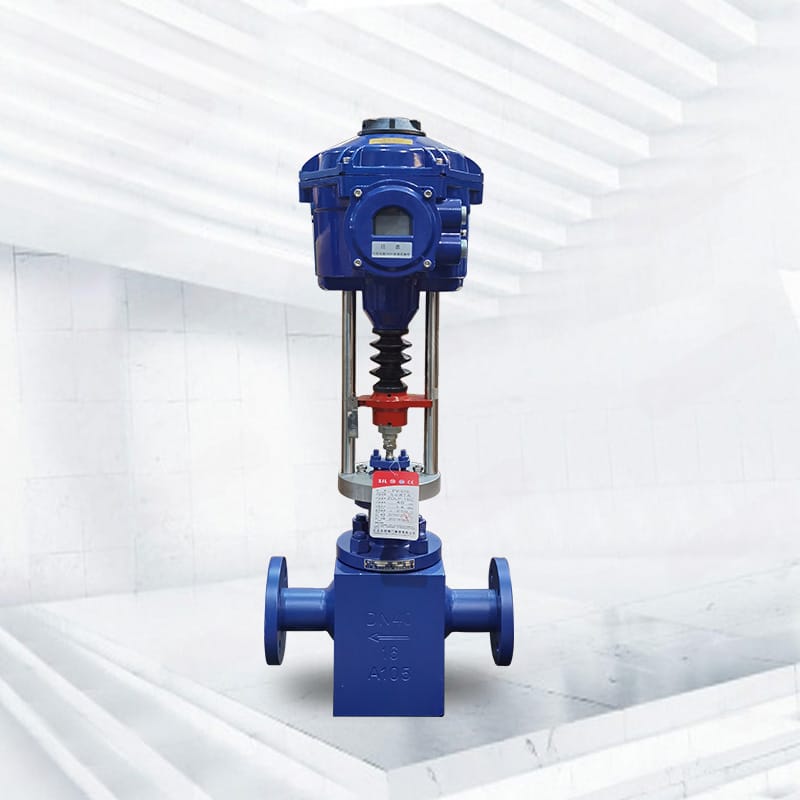
Our clients have successfully implemented electrically controlled valves across multiple industries:
- Chemical Plant: Reduced system downtime by 25% using motorized ball valves.
- Municipal Water Treatment: Automated flow control led to 15% energy savings.
- Food Processing Line: Enhanced production consistency with proportional electrically controlled valves.
These examples highlight how investing in high-quality electrically controlled valves can deliver measurable efficiency improvements.
Conclusion
Electrically controlled valves play a pivotal role in modern manufacturing systems, offering precision, automation, and energy efficiency. As a manufacturer, we are committed to delivering reliable, high-performance valves tailored to your industry needs. Investing in the right electrically controlled valves not only improves operational efficiency but also supports sustainable and cost-effective production practices.
Explore our catalog or contact us today to find the perfect solution for your manufacturing system.
FAQ
What are electrically controlled valves and how do they work?
Electrically controlled valves are valves that open, close, or regulate flow based on electrical signals. They use actuators such as solenoids or motors to control the valve position automatically, allowing precise flow control in industrial systems.
How do electrically controlled valves compare to pneumatic or manual valves?
Compared to pneumatic and manual valves, electrically controlled valves provide higher precision, lower maintenance frequency, and better automation capability, making them ideal for modern manufacturing systems.
What are the main benefits of using electrically controlled valves?
Electrically controlled valves offer:
- Improved operational efficiency and flow precision
- Reduced maintenance costs
- Energy savings
- Enhanced automation for manufacturing and industrial processes
Are there innovations or smart options available for electrically controlled valve?
Yes. Modern electrically controlled valve can include IoT-enabled smart sensors, advanced materials for durability, and energy-efficient designs to optimize industrial automation and monitoring.