Table of Contents
Introduction
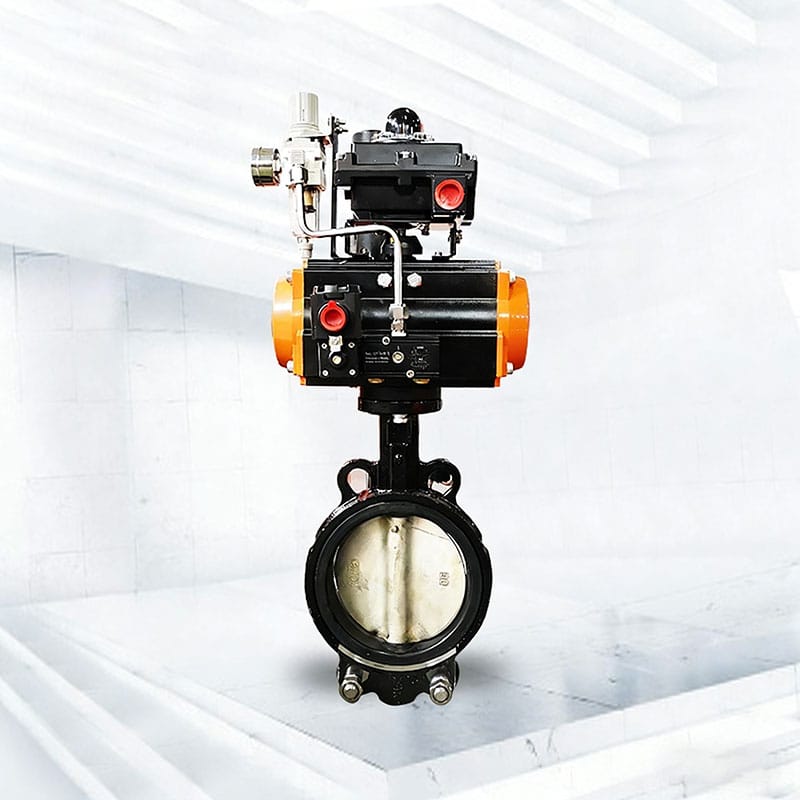
Pneumatic butterfly valves are essential components in modern industrial systems, offering precise control over fluid flow in pipelines. As a manufacturer of high-quality pneumatic butterfly valves, we understand the importance of efficiency, durability, and ease of operation. This guide provides a comprehensive overview of pneumatic butterfly valves, including their structure, working principles, applications, maintenance, and selection criteria. Whether you are an engineer, technician, or industrial buyer, this article will help you make informed decisions while highlighting the advantages of choosing our premium valves.
What is a Pneumatic Butterfly Valve?
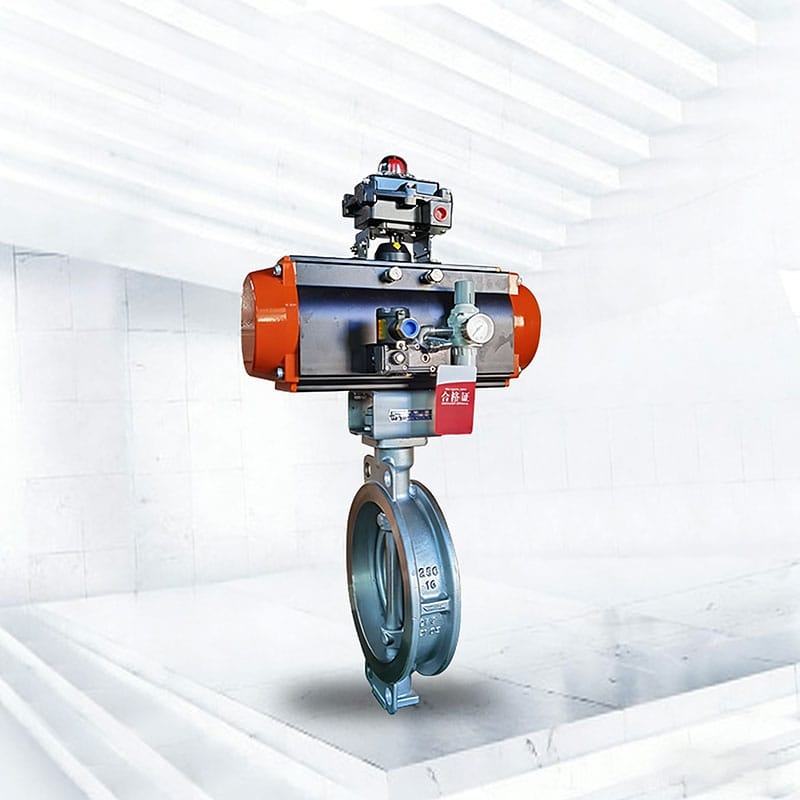
A pneumatic butterfly valve is a quarter-turn valve that uses a disc to regulate the flow of liquids or gases. Unlike manual or electric valves, it relies on compressed air to actuate the valve, allowing fast and reliable operation in automated systems. Pneumatic butterfly valves are widely used in industries such as chemical processing, water treatment, food and beverage, and HVAC systems.
Key Components of a Pneumatic Butterfly Valve
- Valve Body: Provides structural support and withstands pressure.
- Disc: Rotates 90 degrees to open or close the valve.
- Actuator: Pneumatic actuator drives the disc using air pressure.
- Seal: Ensures a leak-free operation under various pressures and temperatures.
Types of Pneumatic Butterfly Valves
- Wafer Type: Lightweight and easy to install between flanges.
- Flanged Type: Provides stronger connection for higher pressure applications.
- Lug Type: Allows one-side removal for maintenance without disconnecting the pipeline.
How a Pneumatic Butterfly Valve Works
The working principle of a pneumatic butterfly valve is straightforward yet highly effective. Compressed air enters the actuator, which then rotates the valve disc 90 degrees to either allow or block fluid flow. Pneumatic valves are available in single-acting (spring-return) or double-acting (air-to-open/air-to-close) configurations, providing flexibility for different industrial requirements.
Working Mechanism Explained Step by Step
- Air Supply: Compressed air enters the actuator.
- Actuation: The actuator converts air pressure into mechanical motion.
- Disc Rotation: The valve disc rotates to open or close the flow path.
- Control Feedback: Many pneumatic butterfly valves include positioners to provide feedback for automated systems.
Advantages of Using Pneumatic Butterfly Valves
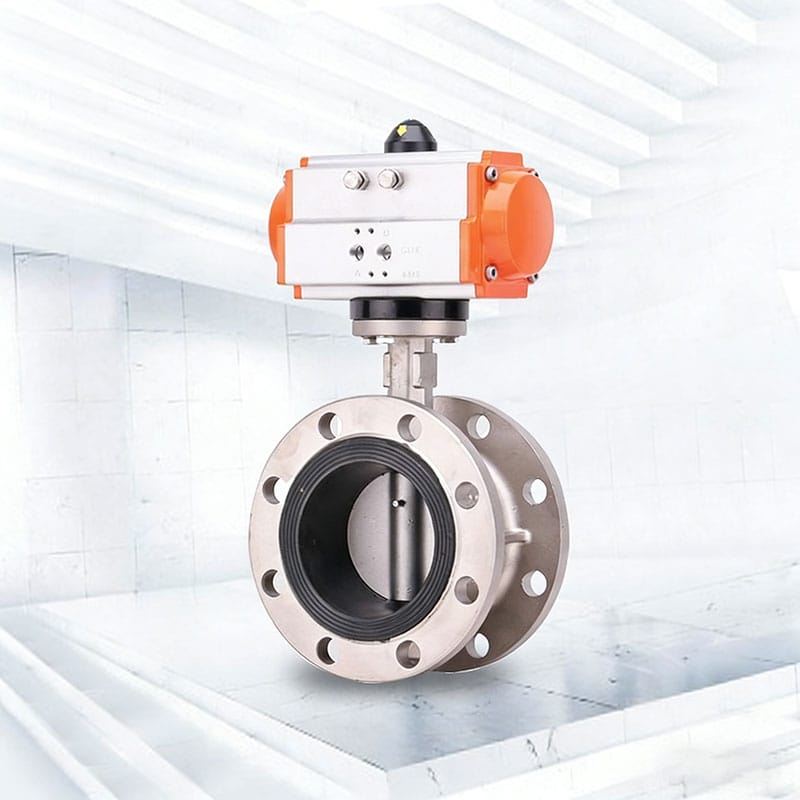
- Fast Operation: Quick 90-degree rotation ensures rapid flow control.
- Compact Design: Lightweight and space-saving, ideal for tight pipelines.
- Low Maintenance: Minimal moving parts reduce wear and tear.
- Durable Materials: Stainless steel, carbon steel, and special alloys allow use with corrosive or high-temperature fluids.
- Automation Friendly: Easily integrated into modern industrial control systems.
Common Applications of Pneumatic Butterfly Valves
Pneumatic butterfly valves are versatile and used across multiple industries:
- Industrial automation and production lines
- Water treatment and wastewater systems
- Chemical and pharmaceutical processing
- Food and beverage pipelines
- HVAC systems and ventilation
How to Select the Right Pneumatic Butterfly Valve
Choosing the right pneumatic butterfly valve ensures long-term efficiency and safety. Consider the following factors:
- Fluid Type and Temperature: Compatibility with liquids, gases, or slurries.
- Pressure Rating: Ensure the valve can handle system pressures.
- Valve Material: Stainless steel for corrosion resistance, carbon steel for general use, or cast steel for high pressure.
- Actuator Type: Single-acting for fail-safe applications, double-acting for precise control.
- Connection Type: Wafer, flanged, or lug style depending on pipeline setup.
Comparison Table of Common Pneumatic Butterfly Valves:
| Valve Type | Material Options | Pressure Range | Common Applications | Actuator Type |
|---|---|---|---|---|
| Wafer | Stainless Steel, Carbon Steel | 0–16 bar | Water treatment, HVAC | Single / Double Acting |
| Flanged | Stainless Steel, Cast Steel | 0–25 bar | Chemical processing, Food & Beverage | Single / Double Acting |
| Lug | Stainless Steel, Carbon Steel | 0–20 bar | Industrial pipelines, Maintenance access | Single / Double Acting |
Installation and Maintenance Tips
Proper installation and maintenance are essential for optimal performance:
- Ensure the valve is correctly aligned between flanges.
- Tighten bolts evenly to avoid leaks.
- Inspect seals and lubricate moving parts periodically.
- Monitor actuator function and control signals regularly.
- Replace worn parts promptly to avoid operational downtime.
Troubleshooting Common Issues
Even high-quality pneumatic butterfly valves may face occasional issues:
- Slow or Unresponsive Valve: Check actuator air supply and lubrication.
- Leakage: Inspect seals and disc seating.
- Actuator Failure: Verify compressed air pressure and control signals.
- Flow Instability: Ensure proper sizing and check for blockages.
Why Choose Our Pneumatic Butterfly Valves
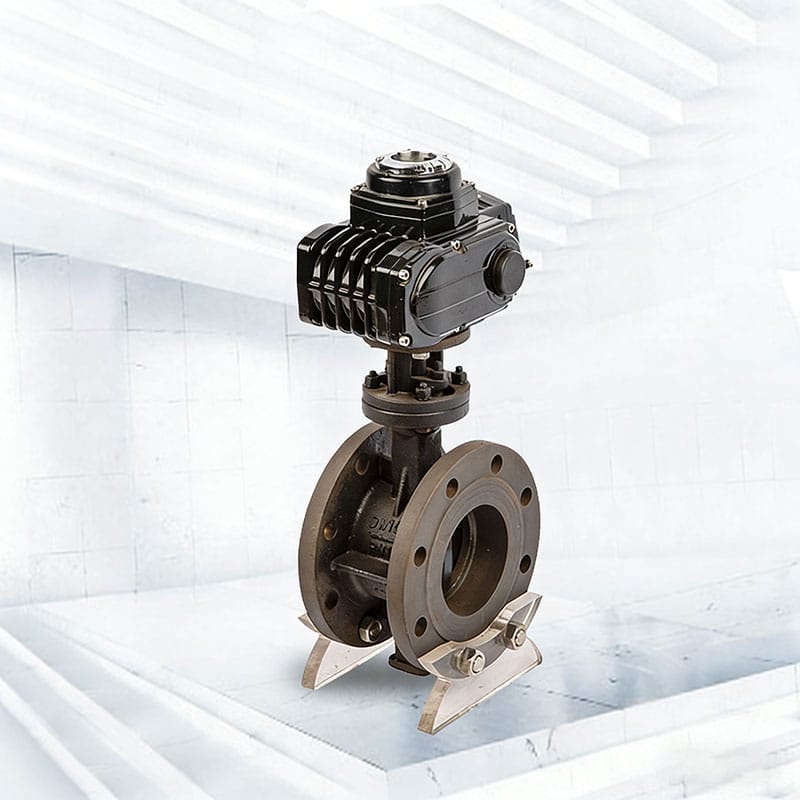
As a leading manufacturer, we provide valves designed for high performance, long service life, and reliability. Key advantages of our products include:
- Full in-house R&D and quality control
- Wide range of materials and pressure ratings
- Customizable actuator and connection options
- Comprehensive technical support and after-sales service
Our valves meet the highest industry standards, ensuring efficiency in industrial automation, chemical processing, and water management systems.
Conclusion
Pneumatic butterfly valves are vital components for precise fluid control in modern industrial systems. Understanding their working principle, advantages, applications, and maintenance ensures optimal performance and longevity. As a manufacturer, we are committed to providing high-quality pneumatic butterfly valves that combine durability, reliability, and automation compatibility. Choosing the right valve and maintaining it properly can significantly enhance operational efficiency, reduce downtime, and protect your investment. For more information or personalized consultation, explore our product catalog and contact our technical team.
FAQ
Q1: What is a pneumatic butterfly valve?
A: A pneumatic butterfly valve is a quarter-turn valve that uses compressed air to rotate a disc, controlling the flow of liquids or gases in pipelines.
Q2: How does a pneumatic butterfly valve work?
A: Compressed air enters the actuator, causing the disc to rotate 90 degrees to open or close the valve, enabling fast and precise flow control.
Q3: What are the common applications of pneumatic butterfly valves?
A: They are widely used in water treatment, chemical processing, food and beverage, HVAC systems, and industrial automation pipelines.
Q4: How do I maintain a pneumatic butterfly valve?
A: Regularly inspect seals, lubricate moving parts, check actuator function, and replace worn components to ensure optimal performance.
Q5: How do I choose the right pneumatic butterfly valve?
A: Consider fluid type, temperature, pressure rating, valve material, actuator type, and connection method to select a valve that meets your system requirements.