Table of Contents
Introduction
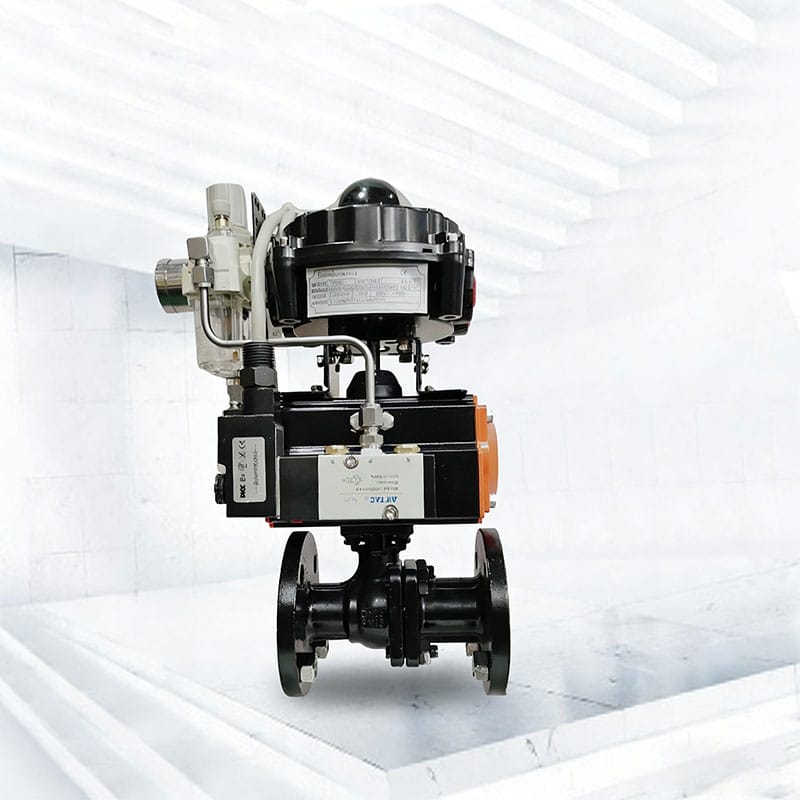
High pressure globe valves are essential components in industrial piping systems, designed to control fluid flow with precision and reliability. Unlike other valve types, globe valves provide excellent throttling capabilities, making them suitable for applications that require precise flow regulation. As a manufacturer of high pressure globe valves, we ensure that every product meets stringent quality standards, offering durability and performance in demanding industrial environments.
Materials play a crucial role in valve performance. Common options include stainless steel, carbon steel, and alloy steel, each offering different levels of corrosion resistance, temperature tolerance, and mechanical strength. Selecting the right material is vital for ensuring longevity and safe operation in applications ranging from steam systems to oil and gas pipelines.
Types of High Pressure Globe Valves
High pressure globe valves come in a variety of types, tailored for specific applications:
- Rising Stem vs Non-Rising Stem Globe Valves: Rising stem valves allow visible stem movement for easier monitoring, while non-rising stems are compact and suitable for limited space.
- Forged Steel vs Cast Steel Valves: Forged steel valves offer higher mechanical strength and durability, ideal for high-pressure applications. Cast steel valves are cost-effective for moderate pressure systems.
- Industry-Specific Variants: Different industries demand specific valve characteristics. For example, steam systems require valves with high-temperature tolerance, while chemical plants prioritize corrosion-resistant materials.
Key Factors to Consider When Choosing a High Pressure Globe Valve
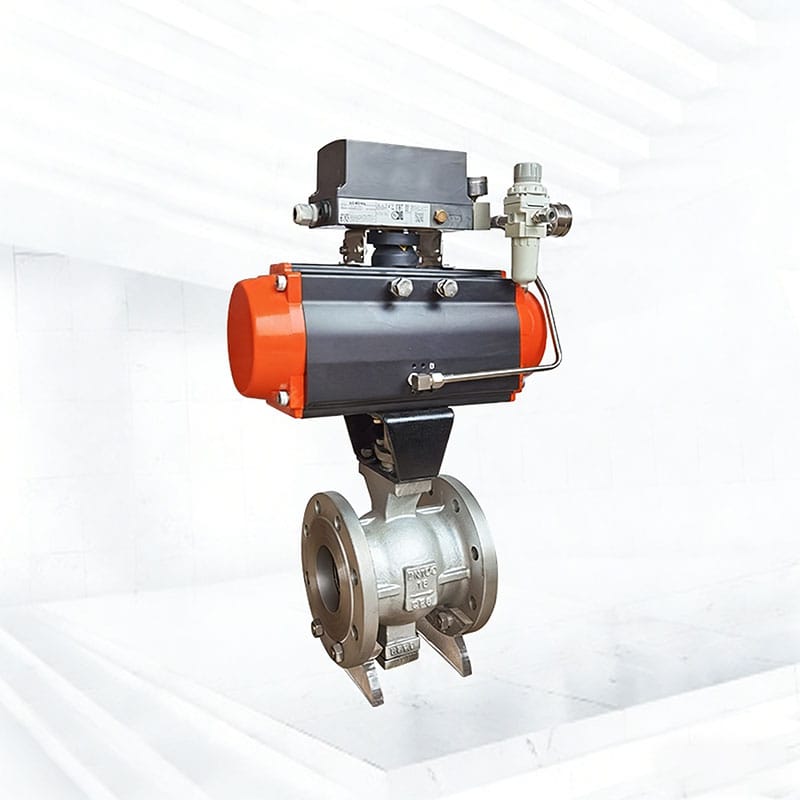
Selecting the right globe valve involves evaluating several critical factors:
- Pressure Rating and Class: Common classes include 1500 lb, 3000 lb, and beyond, depending on system requirements.
- Valve Size and Port Configuration: Ensuring proper sizing is essential for maintaining system efficiency.
- Material Selection: Stainless steel is ideal for corrosive environments, carbon steel provides cost-effective strength, and alloy steel suits extreme temperature applications.
- End Connections: Flanged, threaded, or welded ends must match your piping system to ensure a secure fit and leak-free operation.
| Feature | Stainless Steel | Carbon Steel | Alloy Steel |
|---|---|---|---|
| Corrosion Resistance | High | Medium | High |
| Temperature Tolerance | High | Medium | Very High |
| Cost | Higher | Moderate | High |
| Suitable Applications | Chemicals, Water Treatment | General Industrial | Oil & Gas, Steam |
High Pressure Globe Valve Applications
High pressure globe valves are used across a variety of industrial sectors:
- Steam and Thermal Systems: Provide precise flow control under high temperatures.
- Oil and Gas Pipelines: Ensure safe regulation of fluids under high pressure.
- Chemical and Water Treatment Plants: Resist corrosion while maintaining reliable performance.
- Power Generation and Industrial Machinery: Enhance efficiency and protect equipment through controlled flow.
Maintenance and Longevity of High Pressure Globe Valves
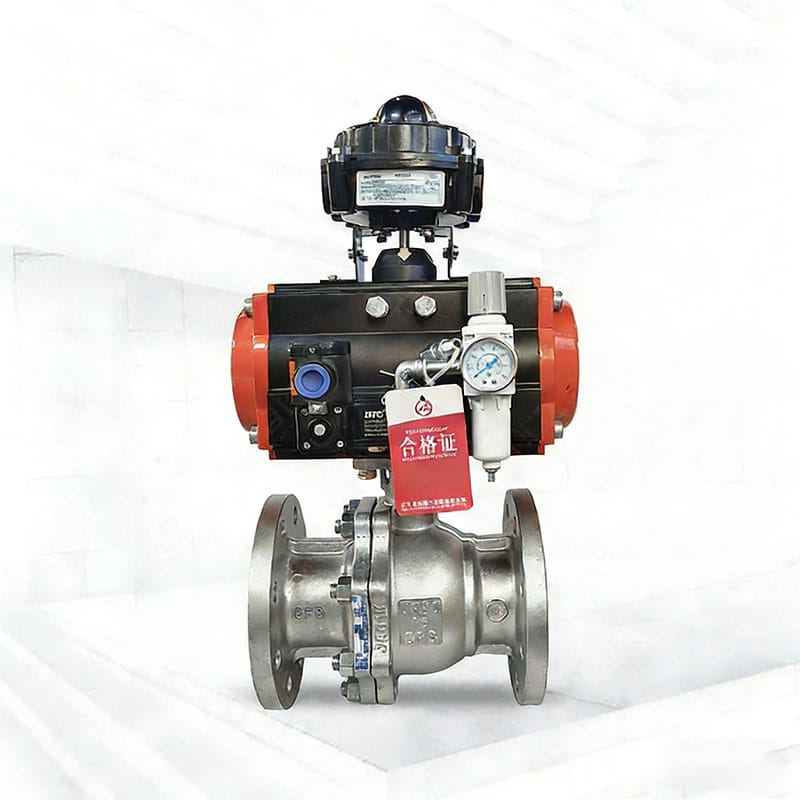
Proper maintenance is crucial for maximizing the lifespan of globe valves:
- Regular Inspection: Check for leaks, wear, and corrosion to prevent unexpected failures.
- Lubrication and Stem Care: Ensure smooth operation and prevent binding.
- Troubleshooting Common Problems: Identify and fix issues such as seat leakage or stem misalignment.
- Protective Coatings and Environment Considerations: Applying paint or special coatings can prevent corrosion, especially in coastal or chemical environments.
High Pressure Globe Valve vs Other Valve Types
When comparing globe valves to other common industrial valves:
- Globe Valve vs Gate Valve: Globe valves provide better flow control, while gate valves are better suited for on/off applications.
- Globe Valve vs Ball Valve: Ball valves offer faster operation but less precise throttling.
- Why Globe Valves Are Preferred for Precise Flow Control: In processes where controlling flow rate accurately is essential, globe valves remain the top choice.
Innovations and Modern Trends in Globe Valve Manufacturing
Advances in valve manufacturing continue to improve performance and safety:
- Advanced Materials and Alloy Technology: High-performance alloys increase durability under extreme pressure and temperature.
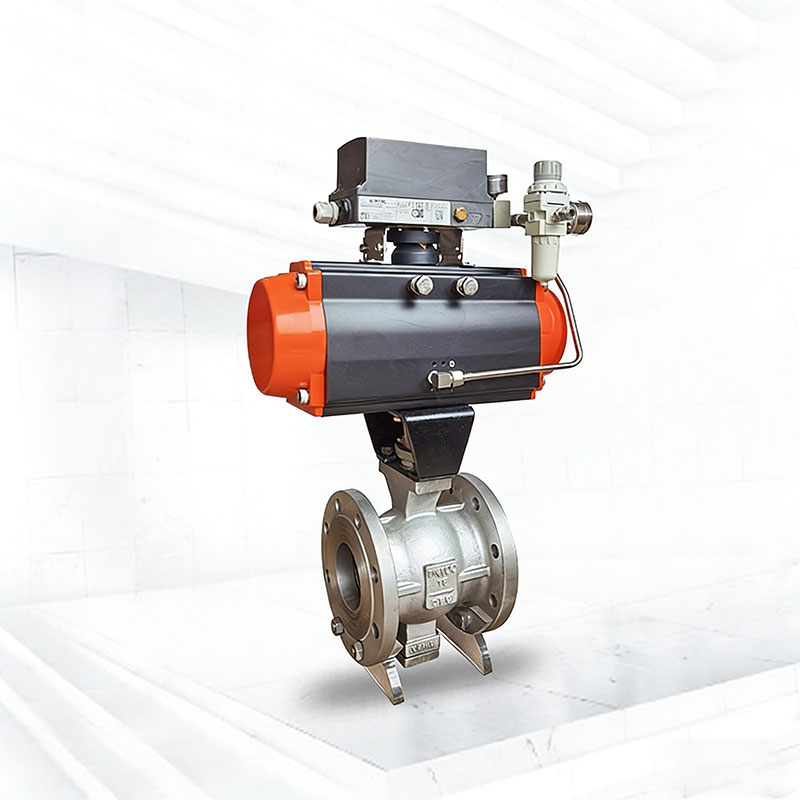
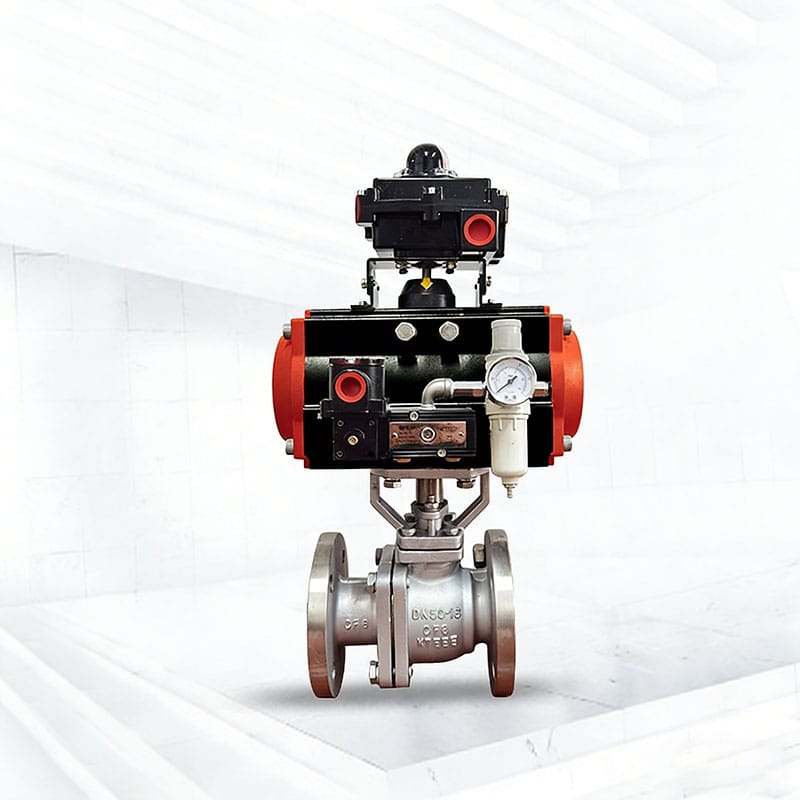
- Automated and Actuated Valves: Integration with actuators allows remote operation and enhanced system control.
- Compliance with International Standards: API, ANSI, and ISO standards ensure consistent quality across industrial applications.
How to Source Reliable High Pressure Globe Valves
As a manufacturer, we recommend the following when sourcing globe valves:
- Choosing a Trusted Manufacturer: Ensure the supplier provides product certifications and detailed technical specifications.
- Evaluating Product Certifications: Look for compliance with international standards to guarantee quality.
- Understanding Supply Chains for Industrial Applications: Verify material sourcing, production quality, and delivery reliability.
Conclusion
Selecting the best high pressure globe valve for your industrial project requires careful consideration of pressure class, material, size, and application. By understanding valve types, applications, and maintenance practices, you can ensure long-term performance and system safety. As a trusted manufacturer, we provide high-quality high pressure globe valves tailored to meet the demanding needs of industries such as oil and gas, chemical processing, steam systems, and power generation. For consultation or to request a quote, contact us today to ensure your industrial system operates efficiently and reliably.
FAQ
Q1: What is a high pressure globe valve used for?
A1: High pressure globe valves are used to regulate fluid flow in industrial systems, including steam, oil & gas, chemical, and water treatment applications.
Q2: How do I choose the right high pressure globe valve?
A2: Consider pressure class, valve size, material (stainless steel, carbon steel, or alloy steel), and the specific application to ensure optimal performance.
Q3: What materials are commonly used for high pressure globe valves?
A3: Common materials include stainless steel for corrosion resistance, carbon steel for general industrial use, and alloy steel for high-temperature or extreme pressure environments.
Q4: How often should a high pressure globe valve be maintained?
A4: Regular inspection every 6–12 months is recommended, including checking for leaks, lubricating the stem, and inspecting seat and sealing surfaces.
Q5: Can globe valves be automated?
A5: Yes, many globe valves can be equipped with actuators for automated operation, allowing remote control and integration into industrial systems.