A valve can fit the pipe, meet the pressure rating and still be a poor choice for the process.
The problem often shows up after commissioning. Flow becomes difficult to control at low loads. The actuator struggles to close the valve. A valve selected for normal operation becomes noisy when the pressure drop increases.
A useful selection review catches these issues before the order is placed. It starts with the operating conditions, then works through the valve body, trim, actuator and accessories.
Here’s what to check when specifying a pneumatic control valve for an industrial process.
Table of Contents
Start with the conditions the valve will actually see
A request for a “DN50 pneumatic control valve, PN16” leaves most of the selection work unresolved. It identifies the connection size and pressure designation, but says little about the duty.
The supplier also needs to know what is flowing, how much flow is required and how the pressure changes across the valve.
Provide minimum, normal and maximum operating cases. For each case, include the corresponding inlet and outlet pressures. Don’t combine maximum flow with pressures taken from a different operating condition.
Valin’s discussion of control valve sizing makes this point particularly well: accurate process data, including pressures at the required flow rates, is essential to a sound selection. It also describes how separate design allowances can accumulate and lead to oversizing. Read the engineering discussion.
Before requesting a quotation, gather the following:
| Item | Information to provide |
|---|---|
| Medium | Fluid name, composition and concentration |
| Flow | Minimum, normal and maximum flow, with units |
| Pressure | Inlet and outlet pressure for each flow case |
| Temperature | Operating range and design temperature |
| Fluid properties | Density, viscosity and vapor pressure, where relevant |
| Solids | Particle size, concentration and abrasive characteristics |
| Connections | Pipe size, flange standard and pressure designation |
| Control duty | Flow, pressure, temperature or level control |
| Shut-off | Required leakage performance and test basis |
| Air supply | Minimum and maximum available pressure |
| Control interface | Input signal, position feedback and communication requirements |
State whether pressures are gauge or absolute. For gas flow, identify the reference conditions. These details are easy to overlook and can change the sizing result.
Look beyond maximum flow
Meeting maximum flow is one part of the sizing review. The valve also has to control the process at normal and minimum loads.
Ask for the predicted valve travel at all three operating points. If the valve spends much of its working life close to the seat, the selection deserves another look.
This is also the time to check any allowance for future capacity. Make that allowance explicit so it isn’t added again elsewhere in the selection process.
The sizing report should show the required flow coefficient, selected trim capacity and assumptions used. If the report only lists a valve size, ask for the supporting calculation.
Check the flow characteristic in the system
Linear and equal-percentage characteristics describe how valve capacity changes with travel under defined conditions. The response in the installed system also depends on how the pressure drop across the valve changes as flow changes.
That distinction matters when selecting trim. An equal-percentage characteristic may suit one duty, while a linear characteristic suits another. The choice should follow the system behavior rather than a general preference for a particular trim. Spirax Sarco explains inherent and installed flow characteristics here.
Choose the body style for the duty
“Pneumatic” describes how the valve is actuated. It doesn’t tell you which valve body will work best.
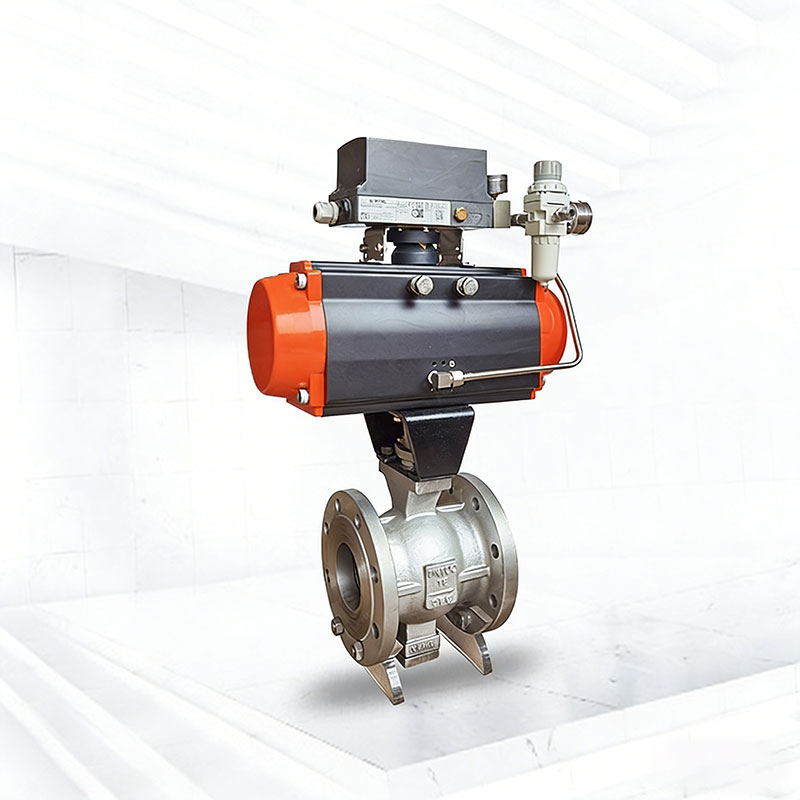
A single-seat globe-style valve, a V-port ball valve and a butterfly valve can all be fitted with pneumatic actuators. Their control behavior, capacity and mechanical requirements differ.
Use the following questions to narrow the options:
| Body style | What to review |
|---|---|
| Single-seat globe-style valve | Available trim sizes, flow characteristic, shut-off requirement and actuator thrust |
| V-port ball valve | Usable control range, seat design, required torque and suitability for the medium |
| Butterfly valve | Control performance across the required travel range, torque and leakage requirements |
| Eccentric rotary valve | Trim geometry, materials, pressure-drop limits and maintenance access |
Compare specific designs rather than relying on the body-style name alone. A valve intended mainly for on/off service should not be assumed suitable for continuous throttling.
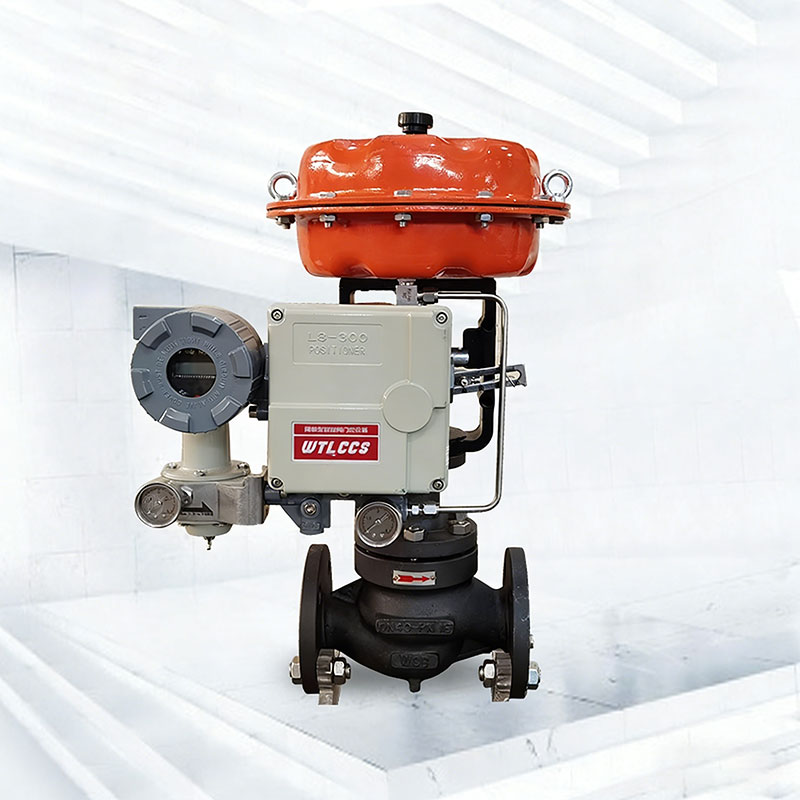
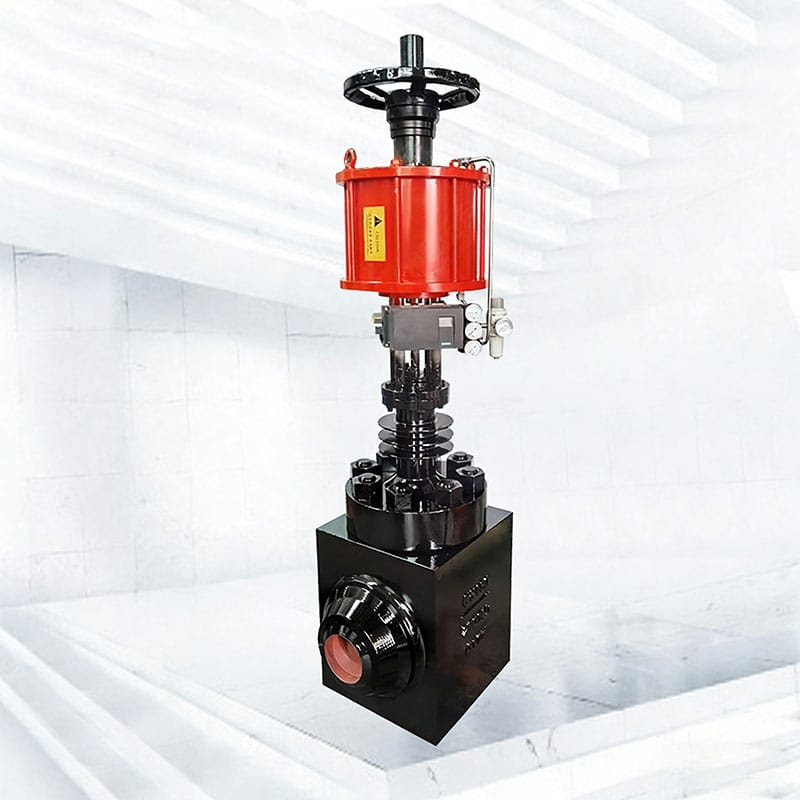
Phileda’s control valve range includes single-seat pneumatic valves, high-pressure and high-temperature options, and pneumatic V-port control ball valves. The final choice should be checked against the application datasheet.
Be specific about materials and shut-off
“Stainless steel” is not a complete material specification.
The body, trim, seat, stem packing and gaskets may use different materials. Each needs to suit the medium and operating temperature. Include cleaning fluids and occasional operating conditions if they expose the valve to a different service.
The shut-off requirement needs similar care. Specify the required leakage class or acceptance criterion and the applicable test method. Avoid using “zero leakage” as a substitute for a defined requirement.
For liquid service with a substantial pressure drop, ask whether cavitation or flashing needs further review. Material selection is only part of that assessment. Valve geometry, velocity and process conditions also affect the potential for damage. Emerson’s guidance on flashing explains why the complete application needs to be considered.
Check the actuator against the available air supply
The actuator needs enough force or torque to move and seat the valve under the specified conditions.
Ask which air pressure was used for sizing. A selection based on nominal plant pressure may need revisiting if the pressure available at the actuator can fall below that value.
For linear control valves, actuator sizing considers the forces acting on the valve and actuator, including spring characteristics and effective diaphragm or piston area. These are among the factors addressed by ISA’s actuator sizing and selection work.
Also define what the assembly must do when it loses:
- Instrument air.
- Electrical power.
- The control signal.
Review these events separately. The required response should come from the process design, then be checked against the proposed actuator and accessory arrangement.
Make sure the quotation covers the complete assembly
Two quotations can look similar while including different equipment.
One may include a positioner, filter regulator and feedback devices. Another may cover only the valve and actuator. Those differences affect both the purchase price and the work required before installation.
For a modulating valve, confirm the positioner model, input signal and feedback requirements. Positioners are used to control valve position relative to the input signal, so compatibility with the actuator and control system needs to be checked. Spirax Sarco’s positioner overview describes this function.
Before comparing prices, put the quotation scope side by side:
- Valve body, trim and selected capacity.
- Actuator type and sizing basis.
- Required failure behavior.
- Positioner and control interface.
- Air preparation and other accessories.
- Connection dimensions and assembly drawing.
- Testing, documentation and spare-parts scope.
Resolve any exceptions before placing the order. It is easier to clarify a missing accessory on a quotation than to discover it during commissioning.
What to send with your RFQ
A complete datasheet helps the supplier make a recommendation you can assess.
Send the operating cases, connection requirements, control signal and required failure behavior. Add any project specifications, installation restrictions or documentation requirements.
In return, request the sizing calculation, completed valve datasheet, assembly drawing and a clear list of included accessories. Where the supplier has made an assumption, have it recorded for review.
If you are shortlisting a pneumatic control valve, browse Phileda’s available valve designs and contact the team with your process conditions. Include the medium, flow range, inlet and outlet pressures, temperature and control requirements so the selection can be reviewed against the actual duty.