Table of Contents
What Is a Stainless Ball Valve and Why It Matters
Definition and Basic Structure of a Stainless Steel Ball Valve
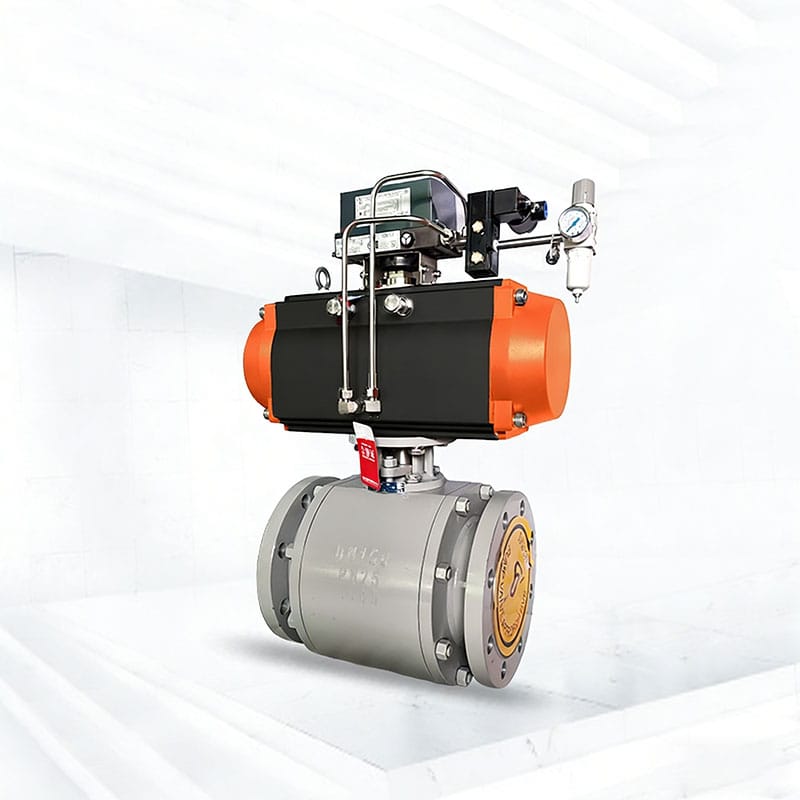
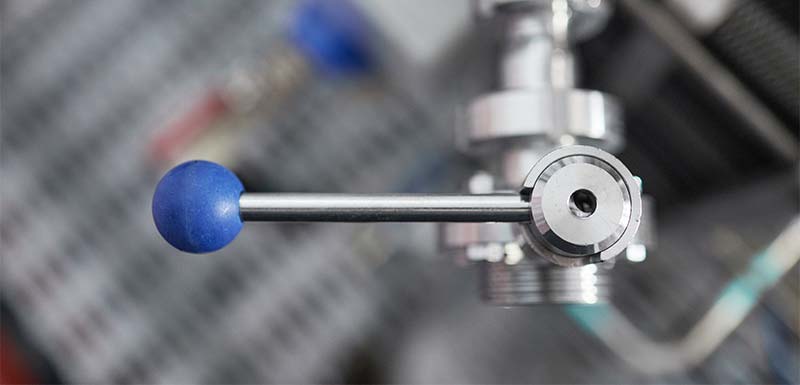
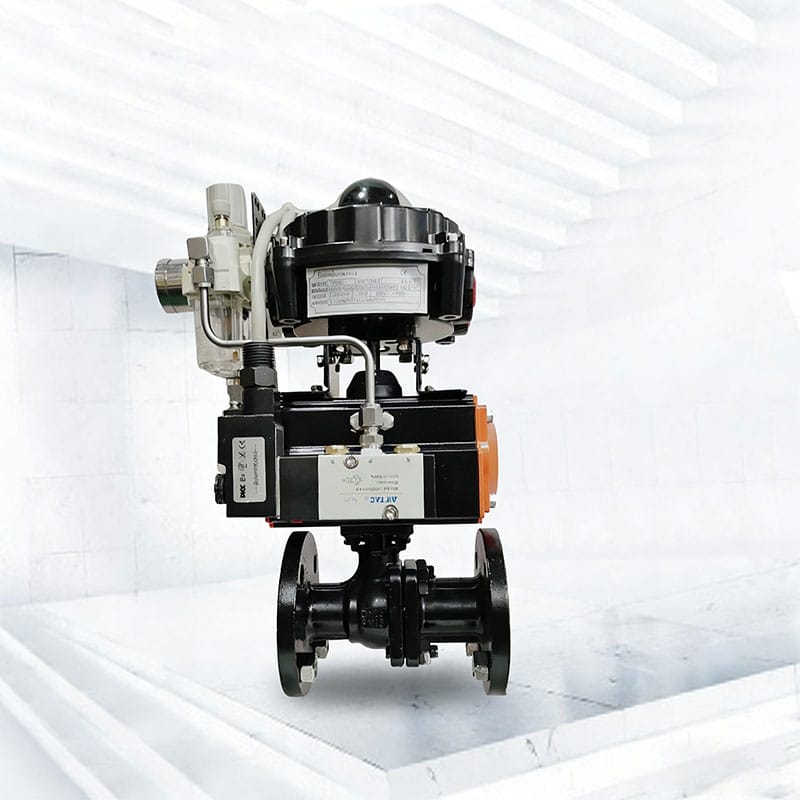
A stainless ball valve is a quarter-turn valve that uses a hollow, perforated, and pivoting ball to control flow through it. When the ball’s hole is in line with the flow, the valve is open; when it’s pivoted 90 degrees, the valve is closed. This simple yet effective design has made stainless steel ball valves one of the most popular choices for industrial and commercial applications worldwide.
The genius of the stainless ball valve lies in its straightforward operation and robust construction. Unlike gate valves that require multiple turns to open or close, a stainless steel ball valve provides quick shut-off with just a quarter turn. This efficiency, combined with exceptional durability, explains why these valves have become indispensable in modern fluid control systems.
Key Components (Ball, Seat, Stem, Body Materials)
Every high-quality stainless ball valve consists of several critical components working together:
- Ball: The heart of the valve, typically made from stainless steel with precision-machined ports. The ball’s surface finish and dimensional accuracy directly impact sealing performance.
- Seat: Often made from PTFE, RPTFE, or other advanced polymers, the seat provides the sealing surface against the ball. Premium stainless ball valves feature seats that maintain integrity under extreme pressure and temperature conditions.
- Stem: Connects the handle or actuator to the ball, transmitting rotational motion. Quality stems are designed with anti-blowout features for safety.
- Body: The main housing containing all internal components. Stainless steel bodies (304 or 316 grade) provide excellent corrosion resistance and structural strength.
Manufacturers who understand the importance of each component can produce stainless ball valves that deliver decades of reliable service, even in harsh environments.
Common Applications in Industrial and Plumbing Systems
The versatility of stainless steel ball valves makes them suitable for countless applications:
- Chemical processing plants handling corrosive fluids
- Oil and gas pipelines requiring reliable shut-off
- Water treatment facilities managing potable and wastewater
- Pharmaceutical manufacturing where hygiene is paramount
- Food and beverage processing requiring clean-in-place systems
- HVAC systems controlling heating and cooling fluids
- Residential plumbing for main water shut-off and zone control
The corrosion resistance of a stainless ball valve makes it particularly valuable in applications where exposure to moisture, chemicals, or saltwater would quickly degrade lesser materials.
Types of Stainless Ball Valves Explained
2-Way vs 3-Way Stainless Ball Valves
Understanding the difference between 2-way and 3-way configurations is crucial for selecting the right stainless ball valve for your application:
2-Way Stainless Ball Valves: The most common type, featuring one inlet and one outlet. Available in two configurations:
- 2-way ball valves with straight-through flow path (L-port)
- 2-way stainless ball valves with diverting flow pattern (T-port)
These valves are ideal for simple on/off control or flow regulation in straight pipe runs.
3-Way Stainless Ball Valves: More complex, with one inlet and two outlets (or two inlets and one outlet). Three main configurations:
- L-port: Diverts flow from one inlet to either of two outlets
- T-port: Mixes flows from two inlets or distributes flow to two outlets
- 3 way ball valves with multiport configurations for specialized applications
Manufacturers typically offer both 2 way stainless ball valve and 3 way stainless ball valve options to meet diverse system requirements.
Full Port vs Reduced Port Ball Valves
The port size selection significantly impacts flow characteristics and system performance:
| Feature | Full Port Stainless Ball Valve | Reduced Port Ball Valve |
|---|---|---|
| Flow Path | Ball port same size as pipe diameter | Ball port smaller than pipe diameter |
| Flow Rate | Maximum flow with minimal pressure drop | Slightly reduced flow, higher pressure drop |
| Cost | Higher due to larger ball and body | More economical option |
| Applications | High-flow requirements, pump systems, critical processes | Standard applications, space-constrained installations |
| Pressure Drop | Minimal | Noticeable but acceptable for most uses |
For applications demanding maximum flow capacity, a full port stainless ball valve is the preferred choice. However, reduced port valves offer cost savings while still delivering excellent performance in many standard applications.
Floating Ball vs Trunnion Mounted Ball Valves
The ball mounting design affects valve performance and application suitability:
Floating Ball Design: The ball is not fixed in position but floats between two seats. Line pressure forces the ball against the downstream seat, creating a tight seal. Floating ball stainless valves are:
- Ideal for smaller sizes (typically up to 2 inches)
- Cost-effective for standard pressure applications
- Simpler in design and maintenance
Trunnion Mounted Design: The ball is anchored at top and bottom by trunnions, reducing operating torque. These industrial ball valves feature:
- Lower operating torque for larger sizes
- Better sealing at high pressures
- Suitable for larger diameters (typically 2 inches and above)
- Enhanced reliability in critical applications
Manufacturers typically offer both designs to address different application needs and operating conditions.
Threaded, Flanged, and Welded End Connections
The connection type determines installation method and maintenance considerations:
- Threaded connections: Most common for smaller stainless steel ball valves (up to 2 inches). Available in NPT, BSP, and other thread standards. Easy to install but may require sealing compounds.
- Flanged connections: Preferred for larger sizes and high-pressure applications. Provide secure, leak-proof connections and allow easy maintenance. Available in various flange standards (ANSI, DIN, JIS).
- Welded connections: Offer permanent, leak-free installations ideal for high-pressure or critical applications. Include butt weld and socket weld options.
When selecting connection types, consider installation environment, maintenance requirements, and system pressure ratings.
Key Factors to Consider When Buying a Stainless Ball Valve
Pressure Rating and Temperature Range
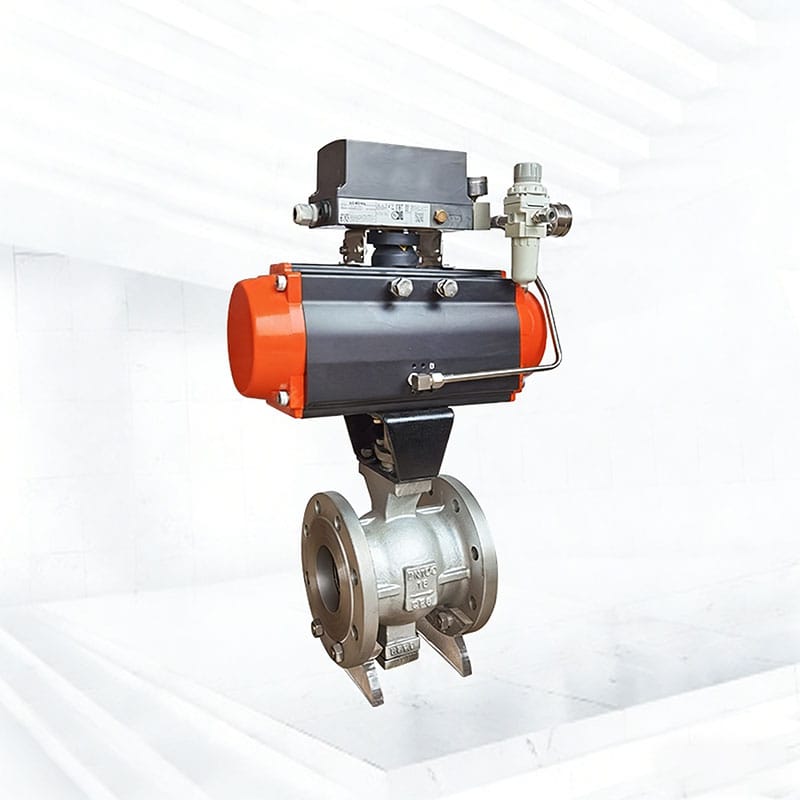
Selecting a stainless ball valve with appropriate pressure and temperature ratings is critical for safety and performance:
Pressure Ratings:
- Standard industrial ball valves: typically rated for 150-600 PSI
- High pressure stainless ball valve options: available up to 10,000+ PSI
- Consider both maximum operating pressure and pressure drop across the valve
Temperature Considerations:
- Standard PTFE seats: -20°F to 450°F (-29°C to 232°C)
- Enhanced seat materials: -65°F to 500°F (-54°C to 260°C)
- Metal-seated valves: handle temperatures up to 1000°F+ (538°C)
Always select a stainless ball valve with ratings exceeding your system’s maximum expected conditions. This safety margin ensures reliable operation under normal and occasional surge conditions.
Valve Size and Flow Requirements
Proper sizing involves balancing flow needs with system constraints:
Flow Coefficient (Cv) : Indicates the valve’s flow capacity. Higher Cv values mean greater flow potential. Calculate required Cv based on:
- Desired flow rate
- Allowable pressure drop
- Fluid characteristics (viscosity, specific gravity)
Size Selection Guidelines:
- Match valve size to pipe size for reduced port valves
- Consider full port options when minimizing pressure drop is critical
- Oversizing can lead to control issues; undersizing causes excessive pressure drop
Quality manufacturers provide detailed Cv charts and sizing calculators to help customers select the optimal stainless ball valve size for their specific application.
Material Grade (304 vs 316 Stainless Steel)
The stainless steel grade significantly affects corrosion resistance and valve longevity:
304 Stainless Steel Ball Valve:
- Excellent general-purpose corrosion resistance
- Suitable for most indoor applications and non-corrosive environments
- More economical than 316 grade
- Common in water systems and food processing
316 Stainless Ball Valve:
- Superior corrosion resistance, especially against chlorides
- Ideal for marine environments, chemical processing, and coastal installations
- Contains molybdenum for enhanced pitting resistance
- Preferred for 316 stainless ball valve applications in harsh environments
Material Selection Considerations:
- Fluid type and chemical compatibility
- Operating environment (indoor, outdoor, marine, chemical exposure)
- Required service life and maintenance intervals
- Budget constraints vs. performance requirements
Most industrial stainless ball valve manufacturers offer both grades to address different application needs and cost considerations.
Sealing Materials (PTFE, RPTFE, etc.)
Seat material selection affects sealing performance and chemical resistance:
- PTFE (Teflon) : Standard material offering excellent chemical resistance and low friction. Suitable for most general applications.
- RPTFE (Reinforced PTFE) : Enhanced strength and wear resistance. Ideal for applications with frequent cycling or higher pressures.
- PEEK: High-performance option for extreme temperatures and aggressive chemicals.
- Metal seats: Provide fire-safe operation and handle abrasive fluids but have higher operating torque.
When selecting a stainless ball valve, consider chemical compatibility with the sealing materials, operating temperature range, and required cycle life.
How to Choose the Right Stainless Ball Valve for Your Application
Industrial Use vs Residential Plumbing
Application context heavily influences stainless ball valve selection:
Industrial Applications typically require:
- Higher pressure ratings and more robust construction
- Materials certified for specific chemical compatibility
- Documentation including material traceability and certification
- Enhanced safety features like anti-blowout stems and locking devices
- Options for actuation (electric, pneumatic, hydraulic)
Residential Plumbing applications often favor:
- Simpler, more cost-effective designs
- Standard sizes (1/2″ to 2″ most common)
- Easy-to-use manual operation
- Basic corrosion resistance sufficient for potable water
- Compliance with plumbing codes and standards
While industrial stainless ball valves offer superior performance, residential applications can often achieve adequate performance with less expensive options designed specifically for home use.
Chemical, Oil & Gas, Water Treatment Applications
Each industry presents unique challenges requiring specialized stainless ball valve solutions:
Chemical Processing:
- Chemical compatibility is paramount
- May require special alloys beyond standard 304/316 stainless
- Often needs fire-safe certification
- Frequent cleaning cycles may affect seal selection
Oil & Gas:
- High-pressure ratings essential
- Extreme temperature variations common
- API specification compliance often required
- May need special coatings for sour service (H2S environments)
Water Treatment:
- Corrosion resistance to chloramines and other treatment chemicals
- Materials approved for potable water contact
- Often requires special testing and certification
- Environmental regulations may dictate material choices
Experienced industrial stainless ball valve manufacturers understand these industry-specific requirements and can guide customers to appropriate solutions.
Corrosion Resistance and Durability Considerations
Environmental factors significantly impact stainless ball valve selection and expected service life:
Corrosion Resistance Factors:
- Chemical composition of handled fluids
- Operating temperature (accelerates corrosion)
- Presence of chlorides, acids, or bases
- Exposure to atmospheric conditions (marine, industrial)
- Potential for galvanic corrosion with other system metals
Durability Enhancement Strategies:
- Select appropriate stainless steel grade (316 for harsh environments)
- Consider protective coatings for extreme environments
- Implement regular inspection and maintenance programs
- Use high-quality sealing materials compatible with process fluids
- Ensure proper installation to avoid stress concentrations
For critical applications, investing in premium-grade stainless ball valves with enhanced corrosion resistance often provides the lowest total cost of ownership over the valve’s service life.
Advantages of Stainless Steel Ball Valves
Corrosion Resistance and Longevity
The exceptional corrosion resistance of stainless steel ball valves provides several key benefits:
Long Service Life: Unlike carbon steel or brass alternatives, a well-maintained stainless ball valve can last 20+ years in appropriate applications. This longevity reduces replacement frequency and associated costs.
Minimal Degradation: Stainless steel maintains its structural integrity even after years of exposure to moisture and many chemicals. This ensures consistent performance throughout the valve’s service life.
Reduced Maintenance: The corrosion-resistant properties mean less frequent maintenance interventions. When maintenance is required, stainless steel cleans easily and shows minimal degradation.
Hygienic Properties: The smooth, non-porous surface of stainless steel inhibits bacterial growth and is easy to clean. This makes stainless ball valves ideal for food, beverage, pharmaceutical, and water treatment applications.
The initial investment in a quality stainless ball valve typically pays dividends through extended service life and reduced maintenance requirements.
High Strength Under Extreme Conditions
Stainless steel’s material properties enable stainless ball valves to perform reliably in demanding applications:
Pressure Capacity: Stainless steel’s high tensile and yield strength allows valves to withstand high internal pressures. Many high pressure stainless ball valves exceed 1000 PSI ratings while maintaining full functionality.
Temperature Tolerance: Stainless steel maintains its mechanical properties across a wide temperature range. Combined with appropriate seat materials, these valves can handle cryogenic applications as well as high-temperature steam service.
Shock and Vibration Resistance: The inherent strength and ductility of stainless steel allow valves to withstand system shocks, water hammer, and vibration without damage. This is particularly valuable in pump systems and industrial processes with frequent pressure fluctuations.
Impact Resistance: Stainless steel ball valves resist damage from accidental impacts during installation or maintenance, unlike more brittle materials such as cast iron or certain plastics.
These strength characteristics make durable stainless ball valves the preferred choice for critical applications where failure is not an option.
Low Maintenance and Reliable Sealing Performance
The design and material properties of stainless ball valves contribute to minimal maintenance requirements:
Self-Cleaning Action: The wiping action of the ball against the seats during operation helps remove deposits and maintain sealing surfaces. This reduces fouling and extends maintenance intervals.
Predictable Performance: When properly sized and selected, a stainless ball valve provides consistent operation over thousands of cycles. Regular monitoring can predict when maintenance will be required, enabling planned interventions rather than emergency repairs.
Easy Repair: When maintenance is required, most stainless ball valves feature modular designs allowing replacement of individual components (seats, stems, seals) without replacing the entire valve.
Versatile Mounting: Many designs allow installation in any orientation, providing flexibility in system layout and simplifying maintenance access.
The combination of low maintenance requirements and reliable sealing performance makes stainless ball valves an excellent choice for applications where downtime is costly or accessibility for maintenance is limited.
Common Problems and Troubleshooting Tips
Why Stainless Ball Valves Leak and How to Fix It
Understanding leak causes and solutions helps prevent and address common issues with stainless ball valves:
External Leaks:
- Causes: Damaged seals, improper installation, over-tightened packing, damaged threads
- Solutions: Replace O-rings and seals, reinstall with proper torque, ensure thread sealing compound is appropriate
- Prevention: Regular inspection, proper installation procedures, using appropriate tools
Internal Leaks:
- Causes: Worn seats, damaged ball surface, debris between ball and seat, improper seat material selection
- Solutions: Clean valve internals, replace seats, reseal ball surface, upgrade to more suitable seat material
- Prevention: Proper filtration upstream, regular cycling to prevent sticking, selecting appropriate seat materials
Seat Degradation:
- Causes: Chemical incompatibility, temperature extremes, excessive cycling, abrasive fluids
- Solutions: Replace with compatible seat material, reduce operating temperature, consider metal seats for severe service
- Prevention: Chemical compatibility assessment, temperature monitoring, selecting appropriate seat material for application
Most stainless ball valve leaking issues can be resolved through proper diagnosis and component replacement. When leaks persist, consider consulting with the manufacturer for application-specific recommendations.
Valve Stiffness or Operation Issues
Operational problems with stainless ball valves typically have identifiable causes:
Difficult Operation:
- Causes: High pressure drop, cold temperatures affecting seat materials, debris accumulation, inadequate lubrication
- Solutions: Reduce pressure drop if possible, allow system to warm gradually, clean valve internals, lubricate stem if applicable
- Prevention: Proper valve sizing, regular maintenance, filtration upstream, appropriate seat material selection
Incomplete Closure:
- Causes: Debris preventing full closure, worn seats, damaged ball, handle misalignment
- Solutions: Clean valve, replace seats, inspect and replace ball if damaged, realign handle
- Prevention: Regular inspection, proper installation, avoiding operation with debris present
Handle or Stem Issues:
- Causes: Stripped handle connections, damaged stem, excessive torque applied
- Solutions: Replace handle assembly, repair or replace stem, avoid applying excessive force
- Prevention: Proper operation techniques, not using pipe wrenches on handles, regular inspection
Regular maintenance and proper operation practices prevent most operational issues with stainless ball valves. When problems occur, systematic troubleshooting typically identifies the root cause quickly.
When to Repair vs Replace a Ball Valve
Deciding between repair and replacement involves multiple factors:
Repair Considerations:
- Cost: Repair typically costs 20-50% of replacement for most components
- Valve Size: Larger valves are more cost-effective to repair
- Availability: Replacement parts availability and lead times
- Condition: Valve body and other major components must be in good condition
- Criticality: Non-critical applications may tolerate repaired components
Replacement Considerations:
- Age: Valves over 15-20 years old may have better value in replacement
- Extent of Damage: Body damage or severe corrosion may necessitate replacement
- Technology Upgrades: Newer valve designs may offer improved performance
- Cost-Benefit: When repair costs approach replacement cost, replacement often provides better value
- Downtime Considerations: Quick replacement may be more economical than extended repair time
For most standard applications, replacing seats and seals is routine maintenance. However, extensive damage or very old valves often justify replacement rather than repair.
Installation and Maintenance Best Practices
Step-by-Step Installation Guide
Proper installation ensures optimal stainless ball valve performance and longevity:
Pre-Installation Preparation:
- Verify valve specifications match system requirements
- Inspect valve for shipping damage
- Ensure system is clean and free of debris
- Gather appropriate tools and materials
- Review manufacturer’s installation instructions
Installation Procedure:
- Alignment: Position valve to minimize stress on connections
- Threading (for threaded connections): Apply appropriate thread sealant, hand-tighten, then use wrench to snug (avoid over-tightening)
- Flanging (for flanged connections): Install gaskets properly, tighten bolts in crisscross pattern to specified torque
- Welding (for welded connections): Follow welding procedure specifications, use heat sink if required
- Support: Provide proper support to prevent stress on valve body
- Actuator Installation (if applicable): Mount actuator according to manufacturer specifications
Post-Installation Checks:
- Test for leaks under system pressure
- Verify valve operates smoothly through full range
- Check actuator alignment and operation (if applicable)
- Document installation for maintenance records
Following proper installation procedures prevents many common problems and ensures the stainless ball valve performs as designed.
Routine Inspection and Maintenance Tips
Regular maintenance extends stainless ball valve service life and ensures reliable operation:
Inspection Frequency:
- Critical applications: Monthly or quarterly inspections
- Standard industrial applications: Semiannual inspections
- Less critical applications: Annual inspections
Inspection Checklist:
- External condition and corrosion assessment
- Leak checks around seals and connections
- Operation smoothness and handle/actuator condition
- Pressure readings and flow verification
- Temperature monitoring
- Seating and packing condition
Maintenance Tasks:
- Clean valve exterior and remove corrosion deposits
- Lubricate stems if applicable and manufacturer recommends
- Replace leaking seals and packing
- Verify handle position indicators are accurate
- Document maintenance activities and findings
Common Maintenance Items:
- Seats and seals: Every 2-5 years depending on application
- Packing/stem seals: Every 3-7 years
- Handle assemblies: As needed based on condition
- Actuators: Per manufacturer recommendations
Implementing a structured maintenance program prevents unexpected failures and extends stainless ball valve service life.
Extending the Lifespan of Stainless Ball Valves
Practical strategies maximize the return on your stainless ball valve investment:
Proper Selection: The foundation of long service life is selecting the right valve for the application. Consider pressure, temperature, chemical compatibility, and flow requirements during selection.
Appropriate Operation:
- Avoid rapid cycling that causes thermal shock
- Don’t exceed pressure and temperature ratings
- Operate valves smoothly, not abruptly
- Use appropriate force on handles—don’t over-tighten
- Ensure valves are fully open or closed, not left in intermediate positions when not intended
Environmental Protection:
- Protect valves from physical damage
- Provide shelter for outdoor installations when possible
- Consider insulation for temperature-sensitive applications
- Install in accessible locations for maintenance access
Water Hammer Prevention: Install proper surge protection devices and avoid rapid valve closure that can cause damaging pressure spikes.
Filtration: Install appropriate strainers upstream to prevent debris from damaging seats and seals.
Professional Service: For complex applications or critical systems, engage qualified technicians for maintenance and repairs.
With proper selection, installation, and maintenance, a quality stainless ball valve can provide decades of reliable service, offering excellent return on investment.
Why Buy Directly from a Stainless Ball Valve Manufacturer
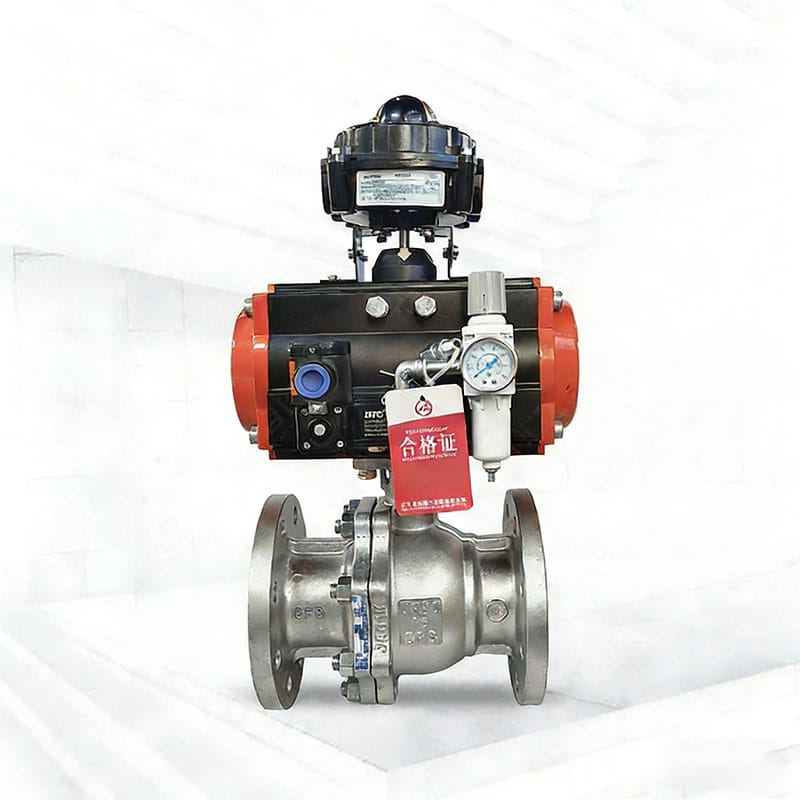
Better Quality Control and Material Traceability
Purchasing directly from a stainless ball valve manufacturer provides significant quality advantages:
Direct Quality Oversight:
- Full control over material selection and sourcing
- In-house testing and quality assurance processes
- Direct responsibility for product performance
- Ability to address quality issues immediately
Material Traceability:
- Complete material certification documentation
- Batch tracking for critical applications
- Compliance with industry standards and specifications
- Verification of material properties and composition
Manufacturing Expertise:
- In-depth understanding of valve design and performance
- Ability to optimize designs for specific applications
- Continuous improvement based on field experience
- Access to latest manufacturing technologies
When sourcing a stainless ball valve, dealing directly with the manufacturer ensures you receive the quality and documentation required for critical applications.
Customization Options for Industrial Needs
Direct manufacturer relationships unlock customization capabilities:
Design Modifications:
- Custom port sizes and flow characteristics
- Special end connections and face-to-face dimensions
- Unique materials and coatings for specific applications
- Integration of specialized monitoring or control features
Performance Specifications:
- Custom pressure and temperature ratings
- Specialized seat materials for unique chemical environments
- Fire-safe designs for specific industries
- Noise reduction features for sensitive applications
Application-Specific Solutions:
- Valves designed for unique operating conditions
- Integration with existing systems and equipment
- Specialized actuation and control options
- Compliance with industry-specific standards and regulations
OEM ball valve partnerships allow customers to obtain precisely what they need rather than settling for off-the-shelf compromises.
Competitive Pricing and Bulk Supply Advantages
Direct relationships offer economic benefits beyond product quality:
Cost Savings:
- Elimination of distributor markups
- Volume pricing for larger orders
- Reduced administrative overhead
- Direct communication reduces misunderstandings and errors
Supply Chain Efficiency:
- Direct control over production schedules and lead times
- Consolidated shipments reducing logistics costs
- Inventory management support for larger customers
- Priority production for urgent requirements
Value-Added Services:
- Technical support during design and specification phases
- Installation and maintenance training
- Warranty support handled directly by manufacturer
- Upgrade and retrofit programs as technology improves
For organizations requiring significant quantities of stainless ball valves, establishing direct relationships with manufacturers typically provides both quality and economic advantages.
How to Find a Reliable Stainless Ball Valve Supplier
Certifications (ISO, CE, API Standards)
Certifications demonstrate commitment to quality and industry compliance:
ISO 9001: Indicates implementation of quality management systems, consistent quality control processes, and focus on customer satisfaction. Essential for any serious stainless ball valve manufacturer.
API 607/API 6FA: Fire testing certifications critical for oil, gas, and chemical processing applications where fire safety is paramount.
CE Marking: Demonstrates compliance with European Union safety, health, and environmental protection requirements for stainless ball valve products sold in European markets.
PED (Pressure Equipment Directive) : Essential certification for valves operating under pressure in European markets, demonstrating compliance with essential safety requirements.
Material Certifications: EN 10204 3.1 or 3.2 certificates provide material traceability and verification of chemical and mechanical properties.
When selecting a stainless valve supplier, verify they hold relevant certifications for your target market and application requirements.
Production Capacity and Lead Time
Evaluating manufacturing capability ensures reliable supply:
Production Capacity:
- Monthly/annual production volume capabilities
- Size range and types of valves manufactured
- CNC machining and testing capabilities
- Quality control capacity and processes
Lead Time Considerations:
- Standard production lead times for different valve types
- Expedited options for urgent requirements
- Inventory availability for common configurations
- Production scheduling flexibility
Scalability:
- Ability to ramp up production for large projects
- Consistency across production volumes
- Quality maintenance at different production levels
- Capacity for custom or specialized orders
Geographic Considerations:
- Manufacturing locations relative to project sites
- Logistics capabilities and partnerships
- Import/export experience for international requirements
- Local service and support presence
A reliable stainless ball valve supplier demonstrates both capacity and flexibility to meet changing requirements.
After-Sales Support and Technical Assistance
Quality support extends beyond product delivery:
Technical Support:
- Application engineering assistance
- Selection and sizing guidance
- Installation support and troubleshooting
- Maintenance and repair guidance
Warranty and Service:
- Clear warranty terms and conditions
- Responsive warranty claim processing
- Repair and replacement services
- Field service options when needed
Training and Education:
- Product training for maintenance teams
- Installation workshops and certification
- Technical documentation and manuals
- Regular product updates and improvements
Long-Term Partnership:
- Continuous improvement based on customer feedback
- Proactive notification of product changes
- Supply planning and inventory management support
- Joint development opportunities for specialized needs
When evaluating a stainless ball valve supplier, consider the total value proposition including support capabilities, not just initial product cost.
Stainless Ball Valve Price Factors and Cost Considerations
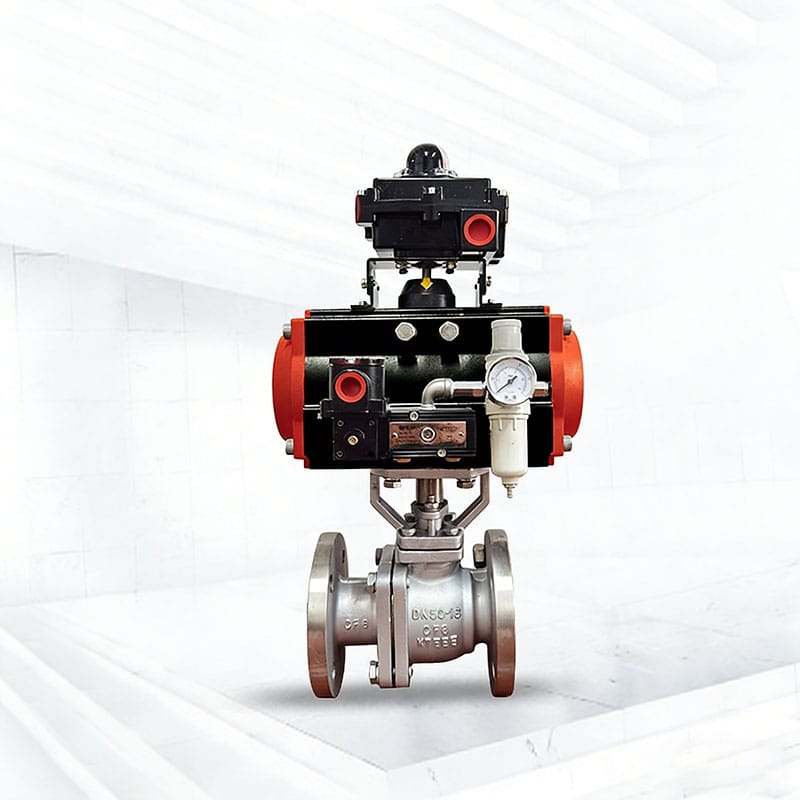
What Affects the Price (Material, Size, Pressure Class)
Multiple factors influence stainless ball valve pricing:
Material Factors:
- Stainless Steel Grade: 316 stainless ball valves typically cost 20-30% more than 304 grade due to molybdenum content
- Special Alloys: Hastelloy, Monel, or duplex stainless steel options command premium pricing
- Seat Materials: PTFE seats are standard, but RPTFE, PEEK, or metal seats increase cost
- Coatings: Specialized coatings for corrosion or wear resistance add to cost
Size Considerations:
- Valve Size: Larger valves require more material and machining, increasing cost proportionally
- Port Configuration: Full port designs cost more than reduced port options
- Connection Types: Special end connections or multiple connection options increase pricing
Pressure and Performance:
- Pressure Rating: High pressure stainless ball valves with ratings above 1500 PSI command premium pricing
- Temperature Range: Extended temperature capabilities require special materials and designs
- Fire-Safe Features: API 607 or similar certifications add to base cost
- Special Testing: Additional testing requirements increase price
Additional Cost Factors:
- Actuation (manual vs. electric vs. pneumatic)
- Special certifications and documentation
- Quality assurance requirements
- Quantity and delivery schedule
Understanding these factors helps in evaluating quotes and selecting the appropriate stainless ball valve for your budget and requirements.
Bulk Purchasing vs Single Unit Cost
Volume considerations significantly affect stainless ball valve economics:
Bulk Purchasing Advantages:
- Volume Discounts: Progressive discount structures for larger quantities
- Production Efficiency: Larger runs reduce per-unit manufacturing costs
- Logistics Savings: Consolidated shipping reduces transportation costs per unit
- Inventory Benefits: Reduced administrative overhead per unit
Single Unit Considerations:
- Higher Per-Unit Cost: Smaller quantities have higher per-unit pricing
- Availability: Immediate availability may be limited for uncommon configurations
- Customization: Greater flexibility for single-unit special requirements
- Testing: More feasible to perform special testing on individual units
Optimal Ordering Strategies:
- Annual Contracts: Lock in pricing and schedule deliveries for predictable needs
- Just-in-Time: Coordinate with manufacturer for staged deliveries
- Minimum Order Quantities: Understand minimums and pricing breaks
- Consolidation: Combine orders for multiple sites or projects when possible
For wholesale stainless ball valve purchases, developing ongoing relationships with manufacturers typically yields better pricing and service than transactional purchasing.
Balancing Cost and Quality
The lowest price isn’t always the best value when selecting stainless ball valves:
Total Cost of Ownership Considerations:
- Initial Price: Purchase price of the valve
- Installation Costs: Special tools, labor requirements
- Maintenance Costs: Frequency and cost of maintenance interventions
- Downtime Costs: Impact of valve failure on production or operations
- Replacement Frequency: How often valves need replacement
- Energy Costs: Pressure drop affects pumping energy requirements
Quality Indicators Worth Paying For:
- Material Certifications: Verified material properties
- Testing Documentation: Evidence of quality verification
- Warranty Terms: Manufacturer confidence in product
- Technical Support: Available assistance for application issues
- Reputation: Proven track record in similar applications
Application-Specific Value:
- Critical Applications: Premium for quality and reliability is justified
- Harsh Environments: Superior materials prevent premature failure
- Safety-Critical Systems: Never compromise on quality for price
- High-Cycle Applications: Durable construction reduces replacement frequency
When evaluating stainless ball valve price, consider the total lifecycle cost rather than just initial purchase price. In many applications, paying 20-30% more for a premium valve provides substantially lower total cost of ownership through extended service life and reduced maintenance requirements.
Conclusion
Choosing the right stainless ball valve is essential for ensuring system efficiency, safety, and long-term performance. From understanding valve types and material grades to evaluating pressure ratings and application requirements, every detail plays a critical role in your decision-making process.
As a professional stainless ball valve manufacturer, we understand the challenges buyers face when selecting the right valve for industrial or commercial use. The optimal selection requires careful consideration of technical requirements, operating conditions, and economic factors. Whether you need a 2 way stainless ball valve for simple shut-off, a 3 way stainless ball valve for complex flow control, or a high pressure stainless ball valve for demanding applications, matching product capabilities to application needs is essential.
By sourcing directly from a trusted manufacturer, you gain access to consistent quality, competitive pricing, and tailored solutions that meet your exact needs. Direct relationships provide material traceability, customization capabilities, and technical support that add significant value beyond the initial purchase. When evaluating suppliers, look for relevant certifications, proven production capacity, and comprehensive after-sales support.
Whether you are looking for a corrosion resistant ball valve for harsh environments, a durable stainless ball valve for high-cycle applications, or a cost-effective solution for large-scale projects, making an informed choice will help maximize your investment and system reliability.
Remember that the lowest initial price doesn’t always represent the best value. Consider total cost of ownership, including maintenance requirements, expected service life, and the impact of potential downtime on your operations. Quality stainless ball valves from reputable manufacturers typically deliver superior lifecycle economics through extended service intervals and reduced failure rates.
For organizations requiring ongoing valve procurement, developing partnerships with established manufacturers provides both quality assurance and economic benefits. These relationships enable better communication, improved technical support, and more responsive service throughout the product lifecycle.
Invest the time to properly evaluate your requirements, understand the available options, and select a stainless ball valve that meets both your technical needs and budget constraints. The right choice will provide decades of reliable service, ensuring your systems operate safely and efficiently for years to come.
FAQ
Q: What is a stainless ball valve?
A: A stainless ball valve is a quarter-turn valve that uses a hollow, perforated, and pivoting ball to control flow through it. It provides quick shut-off with just a 90-degree turn and is made from corrosion-resistant stainless steel.
Q: What’s the difference between 2-way and 3-way stainless ball valves?
A: 2-way valves have one inlet and one outlet for simple on/off control, while 3-way valves have either one inlet with two outlets or two inlets with one outlet, allowing for flow diversion or mixing.
Q: Should I choose 304 or 316 stainless steel for my ball valve?
A: 304 is economical and suitable for most indoor applications, while 316 offers superior corrosion resistance, especially in marine environments or applications with chlorides. Choose based on your operating environment and chemical exposure.
Q: What causes a stainless ball valve to leak?
A: Common causes include worn seats or seals, debris between the ball and seat, damaged ball surface, or improper installation. Most leaks can be resolved by cleaning or replacing seats and seals.
Q: How do I know if I need a full port or reduced port valve?
A: Full port valves have the same size opening as the pipe, providing maximum flow with minimal pressure drop—ideal for high-flow applications. Reduced port valves are more economical and work well for standard applications where some pressure drop is acceptable.