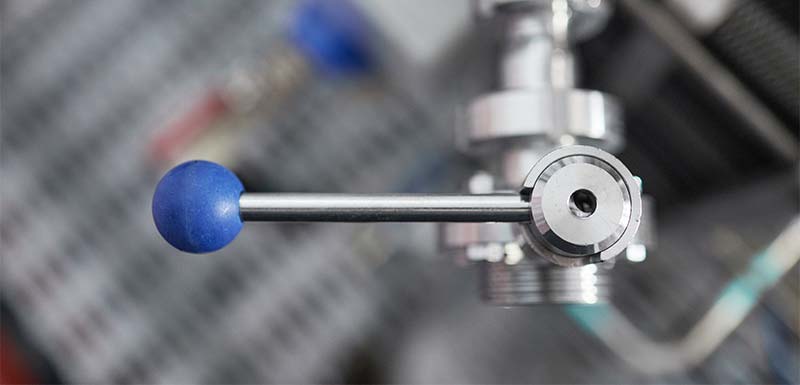
Control Valve Deadband can look straightforward on a datasheet, but field performance depends on the complete process and valve assembly. modulating loops where the controller output changes but valve travel does not respond immediately. A reliable review connects process conditions, mechanical design, actuator behavior, accessories, installation, and maintenance capability instead of treating one catalog value as the answer.
The practical risk is that lost motion, backlash, friction, and pneumatic limitations can create cycling, slow correction, and poor product consistency. When valve engineering is specified without complete operating cases, suppliers may use different assumptions and return offers that cannot be compared on a common technical basis.
This guide gives engineers, maintenance teams, and industrial buyers a repeatable way to evaluate control valve deadband. The objective is a requirement that can be checked, documented, tested, and discussed in an RFQ without unsupported promises or unnecessary complexity.
Table of Contents
What valve engineering Means in a Real System
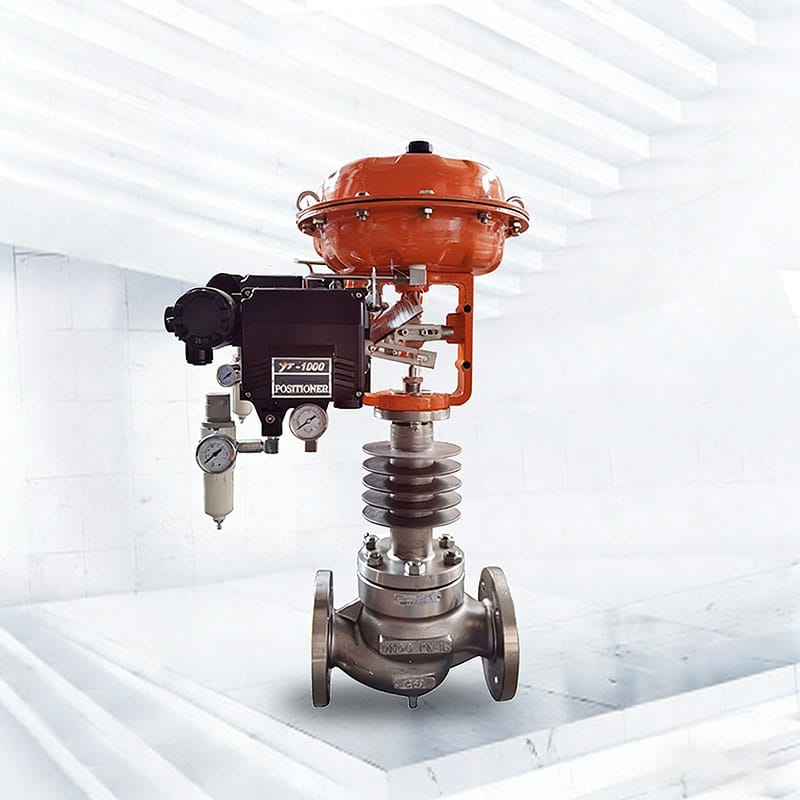
In practice, valve engineering is a system relationship rather than a component label. Process demand, valve mechanics, available energy, control signals, and conditions during startup, production, turndown, shutdown, and credible upset cases all affect the final control element.
A useful control valve deadband review separates verified facts from assumptions. Process data, drawings, materials, failure consequences, and tests should be recorded. Uncertain inputs should be clarified rather than hidden inside an oversized margin or a vague request for heavy-duty construction.
Why valve engineering Must Start with Operating Duty
The operating envelope determines whether control valve deadband remains stable and maintainable. Minimum flow may set controllability, maximum differential pressure may set force or torque, and startup may be more severe than normal service. Reviewing only the design maximum can miss the condition that causes repeated trouble.
Document the control objective as well as capacity. Pressure, temperature, level, flow, mixing, diverting, and protective service can use similar valve bodies, but acceptable response, leakage, fail action, and maintenance differ. Good valve engineering decisions begin with process function and consequence.
Data Required Before Evaluating Control Valve Deadband
Before selecting valve engineering, collect the following inputs and state the units, source, and operating case for every value:
- Control Valve Deadband input 1: verify command-to-travel relationship and record the condition under which it applies.
- valve engineering input 2: verify linkage backlash and record the condition under which it applies.
- valve engineering input 3: verify packing friction and record the condition under which it applies.
- Control Valve Deadband input 4: verify positioner sensitivity and record the condition under which it applies.
- valve engineering input 5: verify actuator pressure response and record the condition under which it applies.
- Control Valve Deadband input 6: verify measurement resolution and record the condition under which it applies.
Check these inputs against the P&ID, process datasheet, control narrative, line class, and layout. If documents disagree, resolve the conflict before finalizing valve engineering. A clear data trail is more valuable than features that do not address the real uncertainty.
Control Valve Deadband Options and Trade-Offs
| Decision area | Lower-risk approach | When more engineering is needed |
|---|---|---|
| Process data | Use verified minimum, normal, maximum, startup, and upset cases | Properties or pressure conditions change widely |
| Equipment scope | Evaluate the valve, actuator, accessories, piping, and signal as one system | Several suppliers divide responsibility |
| Acceptance | Use measurable travel, leakage, and response criteria | The consequence of failure is high |
Adjust the comparison to the service rather than treating it as a universal ranking. Simpler valve engineering may suit clean, accessible, noncritical duty. More engineering is justified when forces vary, failure consequences are high, or maintenance access is limited.
Compare offers line by line. Confirm that every bidder used the same process cases, scope boundary, test basis, and accessory assumptions. Otherwise a lower scope may look attractive while excluding items required for functioning valve engineering after installation.
Engineering Criteria for Control Valve Deadband
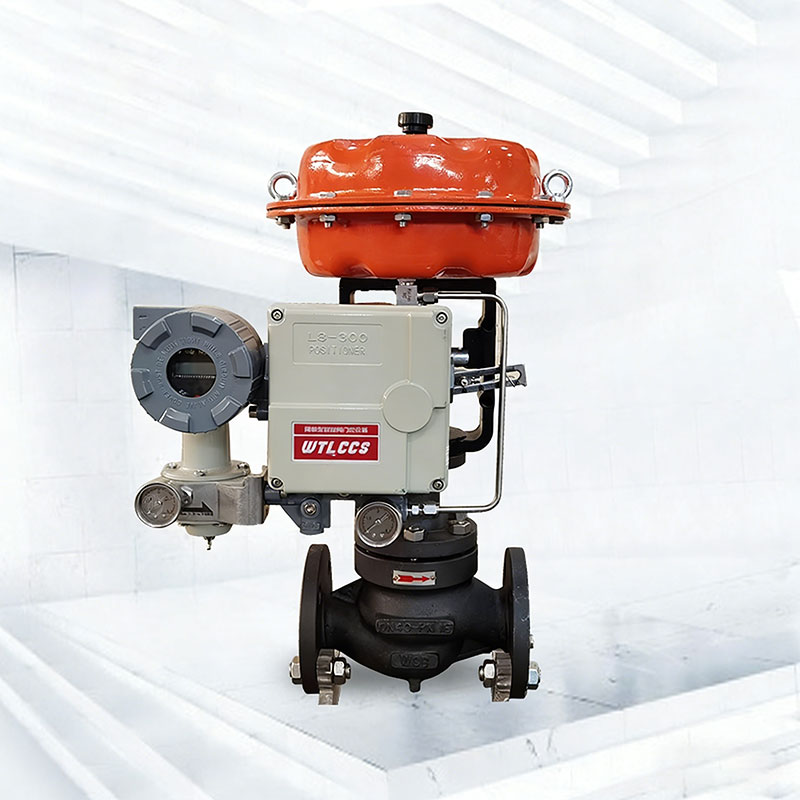
Start with command-to-travel relationship, then review linkage backlash and packing friction. These factors interact; changing one input can alter actuator demand, material suitability, operating travel, or maintenance strategy for valve engineering.
Next evaluate positioner sensitivity, actuator pressure response, and measurement resolution. The aim is not to maximize every specification. It is to create balanced control valve deadband that meets process duty without avoidable friction, pressure loss, weight, or configuration burden.
Where uncertainty remains, document a conservative assumption and request confirmation. For critical valve engineering, use an assembled-valve test or traceable calculation instead of a component-only statement. Acceptance criteria should be measurable and tied to the operating purpose.
Common Control Valve Deadband Failure Modes
- Failure mode 1 for valve engineering: tuning the controller before testing the valve.
- Failure mode 2 for control valve deadband: confusing process lag with mechanical deadband.
- Failure mode 3 for valve engineering: checking only large step changes.
- Failure mode 4 for valve engineering: overlooking worn rotary linkages.
- Failure mode 5 for control valve deadband: accepting inconsistent test conditions.
Failure analysis should begin with evidence. Trend data, travel feedback, pressure, inspection findings, leakage results, and as-found settings can separate a process fault from a mechanical or control fault. Replacing parts before recording evidence removes information needed to improve valve engineering.
Avoid correcting symptoms alone. A recurring control valve deadband problem may originate in sizing, piping, utilities, contamination, configuration, or operating practice. A repair is complete only when the underlying cause is addressed and required function is demonstrated.
A Practical valve engineering Workflow

- Define the process objective, operating cases, and consequence of failure for control valve deadband.
- Confirm data, units, properties, and the source of each input for valve engineering.
- Review valve, actuator, accessories, piping, signal, and utilities as one system.
- Compare technical options against the engineering criteria in this guide.
- Document assumptions, exceptions, and supplier deviations before purchase.
- Specify inspection, calibration, testing, drawings, and configuration records.
- Verify installed direction, travel, fail action, leakage, and response before handover.
This sequence creates a decision record for process, piping, mechanical, instrumentation, operations, maintenance, and procurement teams. Cross-functional review is especially useful when valve engineering affects both control performance and a safety or environmental function.
For connected calculations, use the cavitation and flashing guide and control valve noise guide. These resources connect control valve deadband to sizing, actuation, and installed behavior.
Testing and Verifying valve engineering
Verification should match risk. Basic control valve deadband may require document review, visual inspection, calibration, travel confirmation, and a fail-state test. Critical service may justify witnessed testing, dynamic response measurement, material verification, valve signatures, or an integrated control-system test.
Record as-found and as-left results. The final valve engineering package should identify test conditions, instruments, limits, configuration values, and deviations. A pass statement is less useful than results that become a baseline for maintenance and troubleshooting.
Control Valve Deadband RFQ Checklist
A complete RFQ for valve engineering defines process duty, operating cases, valve and actuator scope, materials, end connections, pressure class, fail action, leakage, signals, utilities, environment, hazardous-area requirements, testing, documents, and delivery boundaries.
- State minimum, normal, maximum, startup, shutdown, and upset conditions for control valve deadband.
- Identify mandatory standards, alternatives, and deviation reporting.
- Define who supplies mounting hardware, tubing, regulators, solenoids, switches, and interfaces.
- Request calculations and drawings needed to verify valve engineering.
- List required inspection, calibration, pressure, leakage, and response tests.
- Require final datasheets, material records, configuration files, manuals, and spares lists.
Review available equipment such as the control valve rangeability guide and pneumatic control valve product. The goal is enough context for suitable valve engineering, not forcing a catalog item into an unsuitable duty.
Standards and Documentation to Review
Applicable requirements depend on jurisdiction, valve type, and service. Starting references include ISA-75 control valve standards, ASME B16.34 valve requirements, ISO 5208 pressure testing, OSHA process safety management requirements, IECEx equipment scheme overview. Confirm exact editions and contractual applicability before using any reference for control valve deadband.
Standards provide definitions, construction rules, or test methods, but project teams must still define duty and acceptance. Also review the compact single seat control valve and high pressure control valve before finalizing valve engineering.
Frequently Asked Questions
What information is most important for control valve deadband?
The operating envelope, process objective, failure consequence, valve and actuator arrangement, utilities, and measurable acceptance criteria are essential. valve engineering should not be selected from nominal line size or one normal operating point.
Can control valve deadband be standardized across a plant?
Standardization can reduce spares, training, and configuration effort, but exceptions must remain possible. valve engineering should be standardized around compatible duties and interfaces rather than forced into every pressure, material, response, or environment.
How should suppliers be compared for control valve deadband?
Use the same datasheet, cases, scope, and deviation format for every supplier. Compare calculations, materials, tests, accessories, documents, maintainability, and delivery scope. Complete valve engineering is easier to evaluate than a low initial scope with hidden assumptions.
What should be checked during commissioning?
Confirm identity, direction, mechanical travel, signal direction, utilities, fail state, accessories, leakage, and response. Record final configuration and baseline results so future valve engineering troubleshooting starts with reliable reference data.
When is additional testing justified?
Additional testing is justified when control valve deadband serves a critical loop, severe service, hazardous process, unusual operating range, or inaccessible location. Testing should reproduce the performance concern and use agreed acceptance limits.
Conclusion
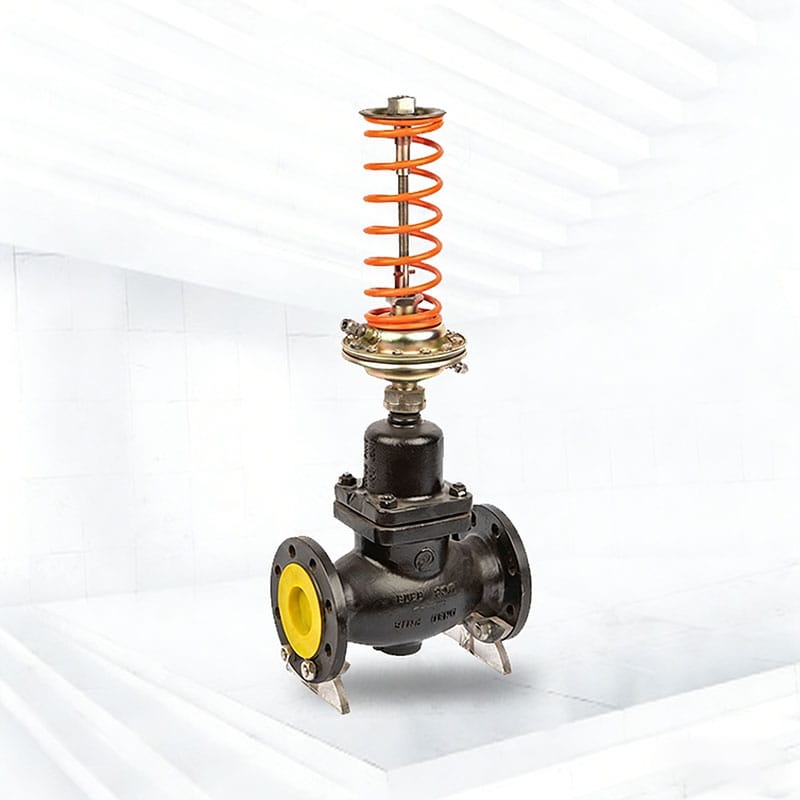
Successful valve engineering connects process duty to the complete final control element and documents the decision. Verify operating cases, review interfaces, compare options on a common basis, and test the assembled function at a level appropriate to failure consequence.
For a project-specific control valve deadband review, provide Phileda with process data, valve and actuator requirements, signals, utilities, materials, fail action, environment, and tests. Use the contact page to request an engineering discussion.