Choosing a globe valve supplier is not only about finding a company that can deliver valves. For industrial projects, the supplier you choose can affect pipeline safety, flow control accuracy, maintenance costs, delivery schedules, and long-term system reliability.
A globe valve is widely used in industrial pipelines where flow regulation, throttling, and shutoff performance are required. Compared with many simple on/off valves, válvulas de globo are often selected when the system needs better control over flow rate, pressure drop, or operating stability. This makes supplier selection especially important for projects involving steam, oil, gas, water treatment, chemical processing, boiler systems, and power plant pipelines.
For buyers, contractors, distributors, and engineering companies, a reliable globe valve supplier should do more than provide a catalog. The right supplier should understand working conditions, valve standards, pressure classes, body materials, trim design, testing requirements, and project documentation.
This guide explains how to evaluate a globe valve manufacturer from a practical industrial purchasing perspective, so you can reduce selection risks and choose valves that match your project requirements.
Tabla de contenidos
Why Globe Valve Supplier Selection Matters in Industrial Projects
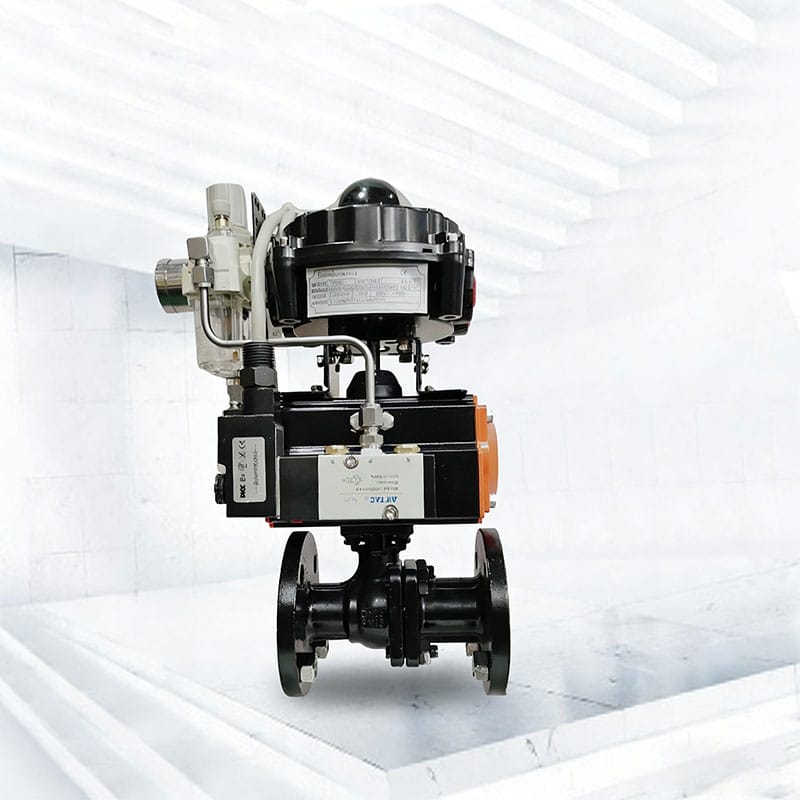
A globe valve may look like a standard pipeline component, but its performance depends on many technical details. Valve body material, seat design, stem structure, sealing surface, pressure rating, end connection, and testing process all influence how the valve performs in service.
In many industrial systems, válvulas de globo are used where the media must be controlled rather than simply opened or closed. This includes steam flow regulation, cooling water control, oil and gas pipelines, chemical dosing lines, boiler feed systems, and utility pipelines.
A low-quality or incorrectly selected globe valve can cause several problems:
| Potential Problem | Possible Result |
|---|---|
| Wrong material selection | Corrosion, cracking, or shortened service life |
| Incorrect pressure class | Leakage or safety risk under operating pressure |
| Poor trim quality | Seat damage and poor shutoff performance |
| Wrong flow direction | Unstable operation or reduced service life |
| Weak testing process | Hidden defects before installation |
| Incomplete documentation | Project approval or inspection delays |
A reliable globe valve supplier helps buyers avoid these problems by confirming the application before production. Instead of only asking for valve size and quantity, an experienced globe valve manufacturer will usually ask about pressure, temperature, medium, connection type, applicable standard, and required certificates.
This is the first sign of a serious industrial valve supplier.
Start With the Working Conditions Before Choosing the Valve
Before contacting a globe valve supplier, buyers should prepare the basic working conditions of the pipeline. This step is more important than many buyers realize because the same valve size may require different materials, pressure ratings, and sealing structures in different applications.
A globe valve used for clean water does not face the same service conditions as a valve used for high-temperature steam, corrosive chemical fluids, or oil and gas pipelines. If the working condition is unclear, the supplier may only quote a general model, which may not be suitable for the actual project.
Key information buyers should confirm includes:
| Selection Factor | What Buyers Should Provide |
|---|---|
| Medio | Water, steam, oil, gas, chemical fluid, or other media |
| Working pressure | Normal operating pressure and possible pressure fluctuation |
| Working temperature | Minimum and maximum operating temperature |
| Valve size | DN size or NPS size |
| Pressure class | PN rating, Class 150, Class 300, Class 600, or higher |
| Connection type | Flanged, threaded, socket weld, or butt weld |
| Operation method | Manual, electric, pneumatic, or gear operation |
| Standard requirement | API, ASME, ANSI, BS, DIN, or project specification |
| Quantity | Sample order, project order, or bulk order |
| Documents | Datasheet, test report, material certificate, or drawing |
A professional globe valve supplier should be able to review this information and recommend a suitable valve type. If a supplier does not ask about these conditions, the buyer should be cautious.
For industrial projects, correct selection always starts with the application, not with the catalog photo.
Check Whether the Supplier Is a Real Globe Valve Manufacturer
One of the most important questions buyers should ask is whether the supplier is a real globe valve manufacturer or only a trading company.
A trading company may be able to source valves, but a factory-direct globe valve supplier usually offers stronger technical communication, better quality traceability, and more flexible customization. This matters when the project requires special materials, pressure classes, testing documents, OEM markings, or repeated bulk orders.
A real globe valve manufacturer should usually have the ability to control these production steps:
- Material purchasing and material inspection
- Casting or forging supply control
- mecanizado CNC
- Seat and sealing surface processing
- Valve assembly
- Pruebas de presión
- Seat leakage testing
- Surface treatment
- Marking and packaging
- Final inspection before shipment
The difference becomes clear when buyers compare long-term project support.
| Buyer Concern | Ordinary Sourcing Supplier | Factory-Direct Globe Valve Manufacturer |
|---|---|---|
| Technical communication | Often indirect | Direct engineering support |
| Personalización | Limited flexibility | More practical for OEM or project needs |
| Material traceability | Harder to verify | Easier to trace by batch and certificate |
| Quality feedback | Slower response | Faster issue analysis |
| Bulk order stability | Depends on external factory | Better production planning |
| Drawing confirmation | May require extra coordination | More direct technical review |
For buyers who need long-term cooperation, choosing a válvula globo manufacturer and supplier is often more reliable than choosing a supplier based only on a product list.
Compare Globe Valve Materials Based on Media and Temperature
Material selection is one of the biggest factors in globe valve performance. A suitable body material can improve corrosion resistance, pressure endurance, temperature stability, and service life. A wrong material may lead to leakage, body damage, or early replacement.
For SEO and buyer education, this section is also valuable because many industrial buyers search for material-specific terms such as cast steel globe valve supplier, stainless steel globe valve supplier, forged steel globe valve supplier, and carbon steel globe valve supplier.
Cast Steel Globe Valves
Cast steel globe valves are commonly used in industrial pipelines where strength, durability, and broad application compatibility are required. They are often selected for steam, oil, water, gas, and general industrial service.
A cast steel globe valve is a practical option when the project requires medium to large valve sizes, flanged ends, and stable performance under demanding conditions. Buyers should pay attention to body material grade, wall thickness, pressure rating, and test requirements before ordering.
Common search terms naturally related to this section include:
- cast steel globe valve
- cast steel globe valve supplier
- cast steel flanged globe valve
- industrial cast steel globe valve
Stainless Steel Globe Valves
Stainless steel globe valves are often used where corrosion resistance is important. They are suitable for chemical processing, corrosive media, clean industrial fluids, and environments where carbon steel may not provide enough resistance.
When choosing a stainless steel globe valve, buyers should confirm the specific stainless steel grade, medium compatibility, temperature range, and sealing requirements. Not all stainless steel materials perform the same in every chemical environment.
Useful related terms include:
- stainless steel globe valve
- stainless steel globe valve supplier
- stainless steel flanged globe valve
- corrosion resistant globe valve
Forged Steel Globe Valves
Forged steel globe valves are commonly used in compact, high-pressure, or high-temperature applications. They are often selected for steam systems, power plants, petrochemical pipelines, and high-pressure industrial service.
Compared with cast structures, forged steel valves are usually preferred when compact design, strength, and pressure resistance are major concerns. Buyers should confirm whether the valve follows the required standard and whether the supplier can provide testing and material documentation.
Useful related terms include:
- forged steel globe valve
- forged steel globe valve supplier
- high pressure globe valve
- API globe valve supplier
Carbon Steel Globe Valves
Carbon steel globe valves are widely used in general industrial service where corrosion conditions are not severe. They can be suitable for water, oil, gas, and steam applications depending on material grade, pressure rating, and temperature range.
For carbon steel globe valves, buyers should pay attention to surface treatment, coating quality, internal trim material, and pressure-temperature limits. A carbon steel globe valve should not be selected only because it is common; it still needs to match the operating environment.
Useful related terms include:
- carbon steel globe valve
- carbon steel globe valve supplier
- carbon steel flanged globe valve
- industrial globe valve supplier
Review Standards, Pressure Classes, and Project Specifications
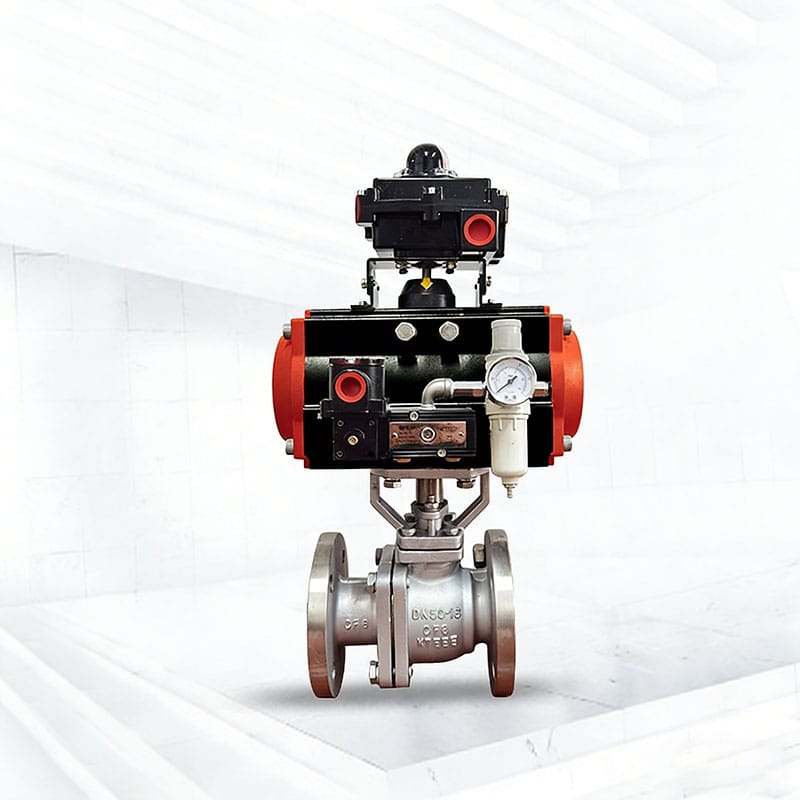
Industrial valve buyers often search for API válvula globo supplier, ANSI globe valve supplier, ASME globe valve, API 602 globe valve, and Class 300 globe valve because standards and pressure classes are central to project approval.
A reliable globe valve supplier should understand the standards required for your market or project. In industrial procurement, standards are not decorative words. They help define design requirements, material requirements, pressure-temperature ratings, inspection rules, marking, and testing expectations.
Commonly discussed standards and ratings include:
| Standard / Rating | Why Buyers Care |
|---|---|
| ASME B16.34 | Covers important valve design, material, pressure-temperature rating, testing, and marking considerations |
| API 602 | Often associated with compact steel gate, globe, and check valves in smaller sizes |
| BS 1873 | Often referenced for steel globe valves in industrial service |
| ANSI Class 150 | Common low-to-medium pressure class depending on material and temperature |
| ANSI Class 300 | Used when higher pressure rating is needed |
| ANSI Class 600 and above | Often selected for more demanding pressure or temperature conditions |
| PN ratings | Common in markets using metric pressure designations |
Buyers should remember that a pressure class is not the same as actual working pressure under every temperature. The allowable pressure depends on body material and operating temperature. This is why a supplier should not recommend a pressure class without asking about service temperature.
For example, a Class 300 globe valve and a Class 600 globe valve are not selected only by pipeline size. They are selected based on project pressure, temperature, medium, material, and safety requirements.
A good globe valve manufacturer should help buyers read the project specification correctly before confirming production.
Match the Globe Valve Design to the Pipeline Layout
Different globe valve designs serve different pipeline needs. A supplier that only offers one general model may not be suitable for more complex industrial projects.
Flanged Globe Valves
Flanged globe valves are widely used in industrial pipelines because they are easier to install, remove, inspect, and maintain. They are suitable for medium and large pipeline systems where maintenance access is important.
Buyers often search for:
- flanged globe valve supplier
- cast steel flanged globe valve
- stainless steel flanged globe valve
- industrial flanged globe valve
When choosing a flanged globe valve, buyers should confirm flange standard, face-to-face dimension, pressure class, gasket surface, bolt compatibility, and project drawing requirements.
Threaded Globe Valves
Threaded globe valves are usually used for smaller pipeline sizes and compact systems. They can be practical where installation space is limited and operating conditions are not extremely severe.
However, buyers should carefully confirm pressure and temperature conditions before choosing a threaded connection. For critical high-pressure or high-temperature systems, welded or flanged connections may be more suitable.
Socket Weld and Butt Weld Globe Valves
Socket weld and butt weld globe valves are often used where stronger connections are required. These valves can be selected for steam lines, power plant systems, petrochemical pipelines, and other demanding industrial applications.
A high pressure globe valve supplier should be able to explain whether socket weld or butt weld ends are more suitable for the project. Buyers should also confirm welding standards, valve material, wall thickness, and test requirements.
Bellows Sealed Globe Valves
Bellows sealed globe valves are often selected where leakage control is especially important. They can be used in applications involving steam, thermal oil, toxic media, flammable fluids, or valuable process media.
For buyers concerned about fugitive emissions or external leakage, a bellows sealed globe valve may be worth evaluating. The supplier should be able to explain bellows material, sealing structure, lifecycle considerations, and inspection method.
Understand Válvula globo Performance: Flow Control and Pressure Drop
One reason globe valves remain widely used is their strong flow regulation capability. The movement between the disc and seat allows the flow area to change gradually. This makes globe valves suitable for throttling and controlled flow adjustment.
However, buyers should also understand the trade-off. Globe valves usually create a higher pressure drop than some other valve types because the flow path changes direction inside the valve body. This is not always a problem, but it must be considered during system design.
A buyer should ask:
- Is the valve mainly used for throttling or shutoff?
- Is pressure drop acceptable in this pipeline?
- Is the valve frequently operated?
- Does the system require manual or automated control?
- Is the media clean, corrosive, high-temperature, or erosive?
- Will the valve trim resist long-term flow impact?
For frequent throttling service, trim design becomes especially important. The seat, disc, stem, and sealing surface must be suitable for the media and operating condition. Poor trim material can lead to erosion, vibration, leakage, or unstable control.
This is where an experienced globe valve manufacturer can add real value. Instead of only supplying the body, the manufacturer should help confirm trim material and disc design based on the application.
Compare Globe Valves With Other Industrial Valves Before Buying
Many buyers search for globe valve vs gate valve or globe valve vs ball valve before choosing a supplier. This shows that comparison content has strong SEO potential and real buyer value.
A globe valve is not always the best valve for every pipeline. It is best used where flow regulation, throttling, or controlled shutoff is important.
| Tipo de válvula | Main Strength | Common Limitation |
|---|---|---|
| Globe valve | Better for flow control and throttling | Higher pressure drop |
| Gate valve | Good for full open or full close service | Not ideal for regular throttling |
| Válvula de bola | Fast shutoff and compact operation | Less suitable for precise manual flow regulation |
| Check valve | Prevents backflow | Not used for manual flow control |
| Válvula mariposa | Compact and suitable for large pipelines | Depends heavily on sealing and application conditions |
Válvula de globo versus válvula de compuerta
A gate valve is usually selected for isolation service where the valve remains fully open or fully closed. A globe valve is better when the system needs flow regulation.
If a buyer needs to control steam flow, adjust cooling water, or regulate process fluid, a globe valve may be more suitable. If the buyer only needs low-resistance isolation, a gate valve may be considered.
Válvula de globo versus válvula de bola
A ball valve is often used for quick shutoff. It is compact, fast to operate, and useful in many pipeline systems. However, for gradual flow regulation, a válvula globo is usually more appropriate because its disc and seat structure provides better control over flow opening.
Globe Valve vs Control Valve
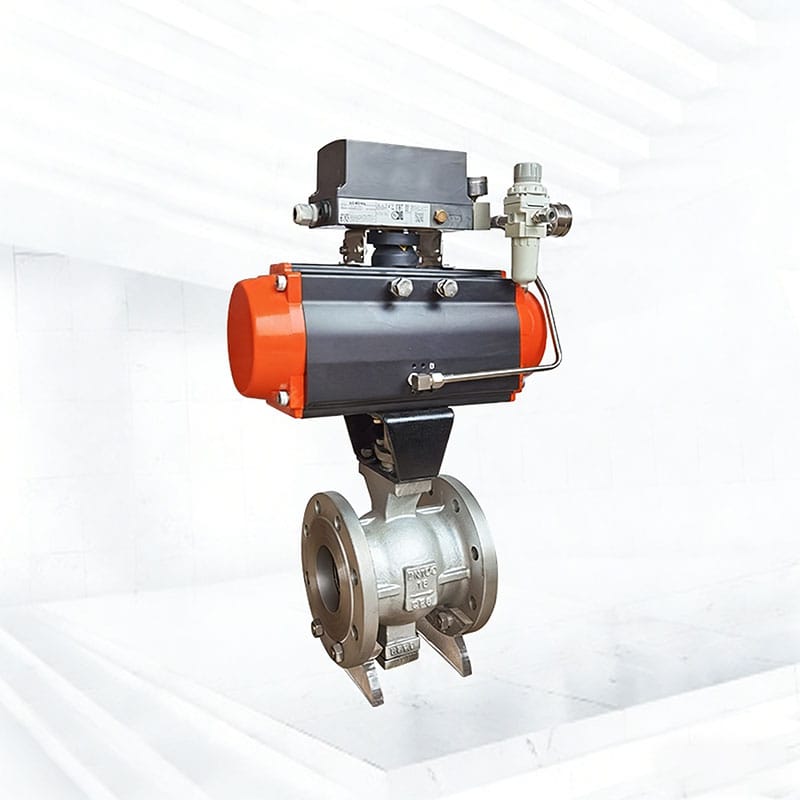
A manual globe valve can regulate flow, but a control valve is usually designed for automated process control. If the project requires remote or automatic operation, buyers may consider electric globe valves or pneumatic globe valves depending on the system design.
A qualified globe valve supplier should not force one valve type for every application. The better approach is to help buyers choose the right valve based on actual working conditions.
Evaluate Quality Control Before Placing an Order
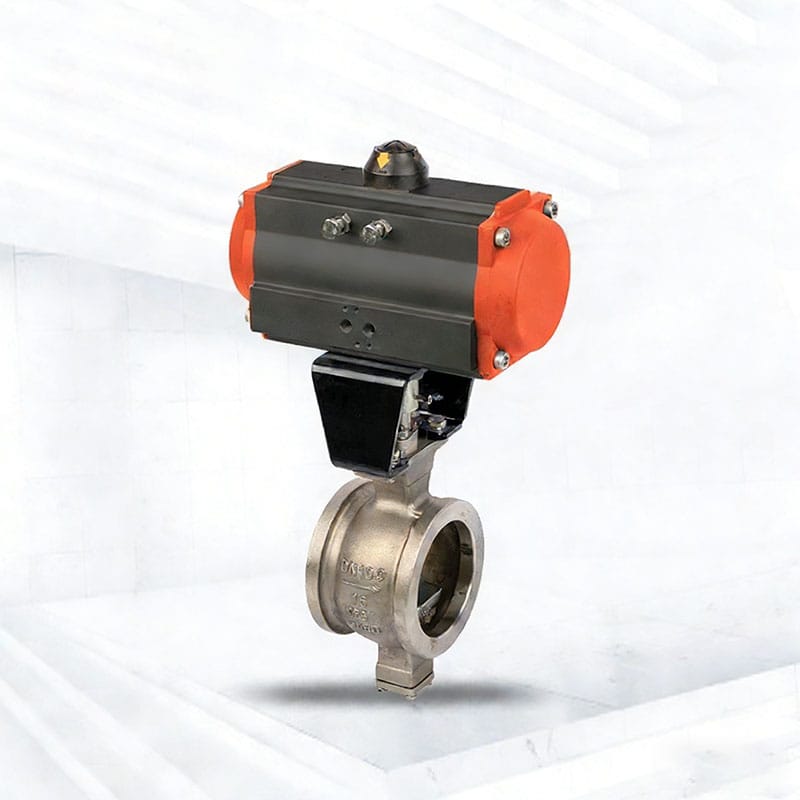
Quality control is one of the strongest indicators of a reliable globe valve supplier. Industrial valves must be inspected and tested before delivery because hidden defects may only appear after installation.
A professional globe valve manufacturer should have a clear inspection process from raw material to final shipment.
| Inspection Stage | What Should Be Checked |
|---|---|
| Material inspection | Material grade, heat number, certificate, chemical composition |
| Machining inspection | Dimensions, flange surface, seat surface, thread accuracy |
| Assembly inspection | Stem operation, gasket, packing, bonnet connection |
| Pruebas de presión | Shell strength and pressure resistance |
| Seat testing | Leakage performance and shutoff reliability |
| Coating inspection | Surface preparation and coating appearance |
| Final inspection | Nameplate, marking, packaging, documents |
Buyers should ask the supplier what tests are performed and what documents can be provided. Depending on the project, useful documents may include:
- Material certificate
- Pressure test report
- Seat leakage test report
- Dimensional inspection report
- Valve datasheet
- Drawing
- Packing list
- Quality inspection record
A supplier that can provide complete documentation is usually more suitable for engineering projects, distributors, and repeat industrial procurement.
Ask About Customization and OEM Globe Valve Supply
For many industrial buyers, standard valves are not always enough. Projects may require special body materials, trim materials, end connections, operation methods, coatings, markings, or packaging.
A custom globe valve supplier should be able to support project-based requirements such as:
- Custom valve size
- Custom pressure class
- Custom body material
- Custom trim material
- Custom flange standard
- Custom face-to-face dimension
- Custom coating
- Electric or pneumatic actuator options
- OEM marking
- Private label packaging
- Project drawing confirmation
- Special documentation requirements
For distributors and long-term buyers, OEM globe valve supply can help build a stable product line. For contractors, customization can help match project specifications more accurately.
The key is not customization for decoration. The purpose is to make sure the globe valve fits the real pipeline, media, pressure, temperature, and installation environment.
Choose a Supplier That Understands Your Industry Application
A reliable globe valve supplier should understand how different industries use valves. This allows the supplier to recommend more suitable materials, structures, and testing requirements.
Steam Systems
Steam systems require careful attention to temperature, pressure, sealing performance, and material stability. Globe valves are commonly selected for steam flow regulation because they can control flow more precisely than simple isolation valves.
For steam service, buyers should confirm:
- Body material
- Pressure-temperature rating
- Seat and disc material
- Packing material
- Connection type
- Test requirements
- Flow direction
Useful search terms include steam globe valve supplier, globe valve for steam system, and high temperature globe valve.
Oleoductos y Gasoductos
Oil and gas applications often require strong pressure resistance, reliable sealing, traceable materials, and project documentation. Buyers should pay close attention to standards, inspection records, pressure class, and material compatibility.
Useful search terms include globe valve for oil and gas, oil and gas globe valve supplier, and pipeline globe valve supplier.
Procesamiento químico
Chemical pipelines require careful material selection. Stainless steel, alloy steel, or special trim materials may be needed depending on media corrosiveness, concentration, and operating temperature.
For chemical applications, buyers should not choose a valve only by size. They should confirm whether the valve body, trim, gasket, and packing are compatible with the medium.
Useful search terms include globe valve for chemical industry, stainless steel globe valve supplier, and chemical pipeline globe valve.
Water Treatment and Utility Systems
Water treatment and utility systems may use globe valves for flow control, pipeline balancing, or process adjustment. Flanged globe valves are often practical because they are easier to maintain and replace.
Useful search terms include globe valve for water treatment, industrial water globe valve, and flanged globe valve supplier.
Power Plants and Boiler Systems
Power plants and boiler systems may involve high temperature, high pressure, and frequent operation. In these applications, valve reliability directly affects system safety and maintenance planning.
Buyers should confirm pressure class, material grade, sealing design, and testing documents before ordering. For demanding service, forged steel globe valves, pressure seal structures, or special trim materials may be considered.
Prepare the Right Information Before Requesting a Quote
A clear inquiry helps a globe valve supplier provide a faster and more accurate quotation. It also reduces communication time and lowers the risk of wrong selection.
Before sending an inquiry, buyers should prepare the following:
| Information Needed | Example Format |
|---|---|
| Valve type | Globe valve |
| Tamaño | DN50, DN100, 2 inch, 4 inch |
| Pressure class | PN16, PN40, Class 150, Class 300, Class 600 |
| Body material | WCB, stainless steel, forged steel, carbon steel |
| Trim material | According to media or project specification |
| Connection | Flanged, threaded, socket weld, butt weld |
| Medio | Steam, water, oil, gas, chemical fluid |
| Temperature | Working temperature range |
| Pressure | Normal and maximum working pressure |
| Standard | API, ASME, ANSI, BS, DIN, or project standard |
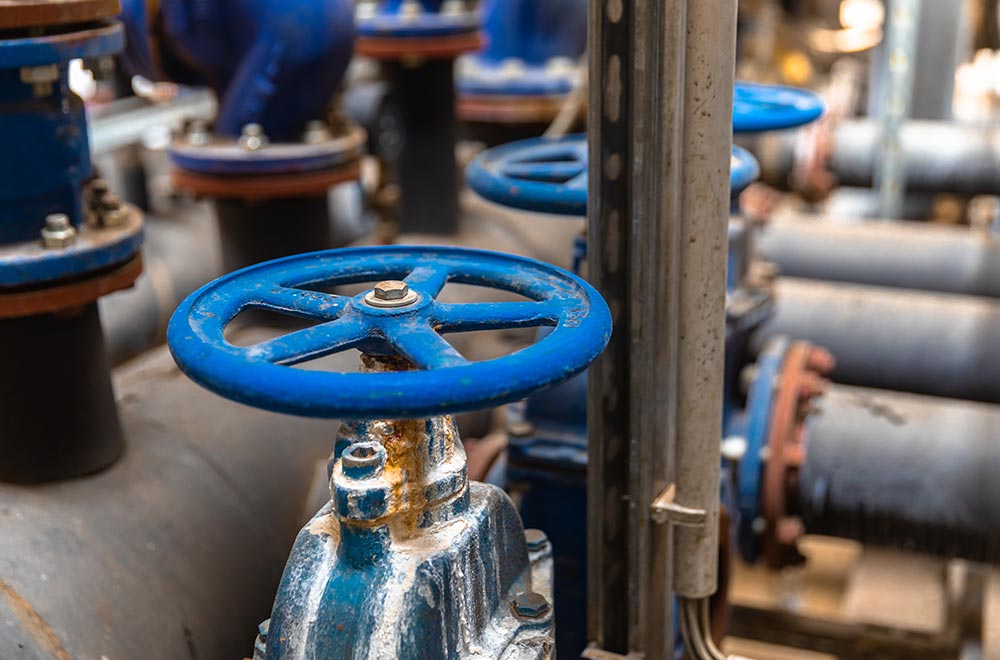
| Operation | Handwheel, gear, electric, pneumatic |
| Quantity | Sample order or bulk order |
| Documents | Datasheet, drawing, test report, certificate |
A professional válvula globo supplier can review this information and provide a more suitable recommendation.
If you only send “need globe valve price,” the supplier cannot judge the correct material, pressure class, or connection type. But if you send working conditions and specifications, the supplier can respond with a more accurate technical solution.
Common Mistakes Buyers Should Avoid
Many purchasing problems happen not because the buyer chose a bad product, but because key technical details were not confirmed before ordering.
Here are common mistakes to avoid:
Choosing Only by Valve Size
Valve size is important, but it is not enough. A DN100 globe valve can have different pressure classes, body materials, end connections, and testing requirements.
Ignoring Pressure-Temperature Ratings
A valve’s pressure rating changes with temperature and material. Buyers should confirm both working pressure and working temperature before final selection.
Using the Wrong Body Material
A carbon steel globe valve may work well in general industrial service, but it may not be suitable for corrosive media. A stainless steel globe valve may be better for some chemical applications, but the exact grade still matters.
Forgetting Trim Material
The trim controls shutoff and regulation performance. For throttling service, poor trim selection can lead to erosion, leakage, or unstable control.
Not Confirming Flow Direction
Globe valves usually have a defined flow direction. Incorrect installation may affect performance, sealing, and service life.
Not Asking for Test Reports
For industrial projects, buyers should ask what tests are performed before shipment. Pressure testing and seat testing are especially important.
Choosing a Supplier Without Technical Support
If a supplier cannot discuss standards, materials, pressure classes, or applications, it may not be the right partner for industrial projects.
Why Factory-Direct Supply Can Improve Project Reliability
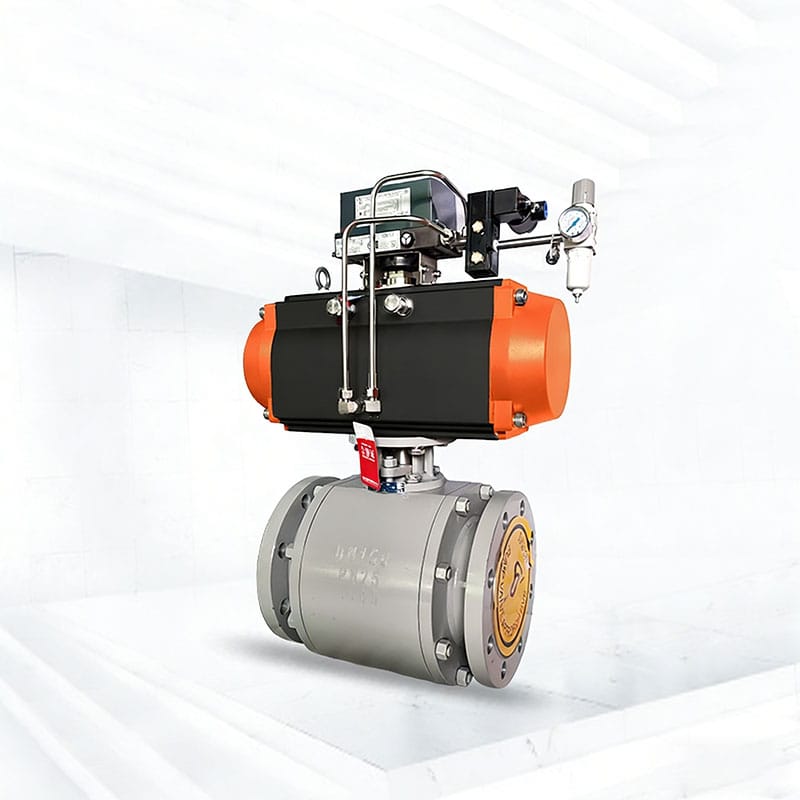
Working with a factory-direct válvula globo supplier gives buyers stronger control over technical details. This is especially useful for engineering companies, distributors, industrial contractors, and buyers with repeated purchasing needs.
Factory-direct supply can provide:
- More direct technical communication
- Better understanding of production status
- Stronger material and batch traceability
- Flexible customization for OEM or project needs
- Faster drawing and specification confirmation
- More stable support for bulk orders
- Better communication during inspection and shipment
A reliable globe valve manufacturer should not only produce valves. It should help buyers reduce project uncertainty.
For industrial purchasing, the best supplier is not always the one with the longest product list. The best supplier is the one that can understand your working conditions, recommend the right valve, control production quality, and provide the documents your project needs.
Conclusión
Choosing a reliable globe valve supplier is a technical decision, not just a purchasing task. For industrial projects, the right supplier should understand your medium, pressure, temperature, pipeline layout, application requirements, valve standards, and documentation needs.
A qualified globe valve manufacturer can help buyers select suitable cast steel globe valves, stainless steel globe valves, forged steel globe valves, flanged globe valves, high pressure globe valves, and custom globe valve solutions according to real working conditions.
Before placing an order, do not compare suppliers only by product name. Check their manufacturing ability, material control, testing process, customization support, and experience with industrial applications.
If your project requires válvulas de globo for steam systems, oil and gas pipelines, chemical processing, water treatment, power plants, or general industrial pipelines, prepare your working conditions and technical requirements before requesting a quote. A professional globe valve supplier can help you choose the right valve, reduce project risks, and support long-term pipeline reliability.
Preguntas frecuentes
What should I check before choosing a globe valve supplier?
You should check manufacturing capability, material range, pressure class options, standard compliance, testing process, documentation support, customization ability, and experience with industrial applications.
Is a globe valve suitable for throttling?
Yes. Globe valves are commonly used for throttling and flow regulation because the disc and seat design allows gradual flow adjustment. However, buyers should also consider pressure drop and trim material for long-term throttling service.
Which material is best for a válvula globo?
There is no single best material for every project. Cast steel, stainless steel, forged steel, and carbon steel globe valves are selected based on medium, pressure, temperature, corrosion level, and project standard.
What information should I provide for a globe valve quotation?
You should provide valve size, pressure class, body material, trim material, end connection, medium, working pressure, working temperature, operation method, quantity, and required standard.
What is the difference between a globe valve manufacturer and a general supplier?
A globe valve manufacturer usually controls production, inspection, customization, and quality traceability more directly. A general supplier may source valves from different factories and may have less control over technical details.
Can globe valves be customized for industrial projects?
Yes. A custom globe valve supplier can support custom materials, pressure classes, flange standards, trim materials, operation methods, coatings, markings, packaging, and project documentation.
When should I choose a flanged globe valve?
A flanged globe valve is suitable for industrial pipelines where installation, maintenance, inspection, or replacement convenience is important. It is widely used in water, steam, oil, gas, and general industrial systems.
Are globe valves suitable for steam systems?
Yes. Globe valves are commonly used in steam systems for flow regulation and shutoff. Buyers should confirm pressure-temperature rating, body material, trim material, packing material, and testing requirements.