In hazardous industrial environments, valve selection is not only about flow control. It is also about safety, reliability, automation compatibility, and long-term stability under demanding conditions. When pipelines handle flammable gas, volatile liquids, high-pressure media, chemical vapors, or explosive atmospheres, a standard electric valve may not be enough.
An explosion proof electric control valve is designed for automated regulation in areas where electrical equipment must reduce ignition risk. It combines a control valve body with an explosion-proof electric actuator, allowing plants to regulate flow, pressure, temperature, or liquid level while supporting remote operation and process automation.
This guide explains how to choose an explosion proof electric control valve, what specifications matter most, and how buyers can avoid common selection mistakes in oil and gas, petrochemical, chemical, power, and industrial automation projects.
Table des matières
What Is an Explosion Proof Electric Control Valve?
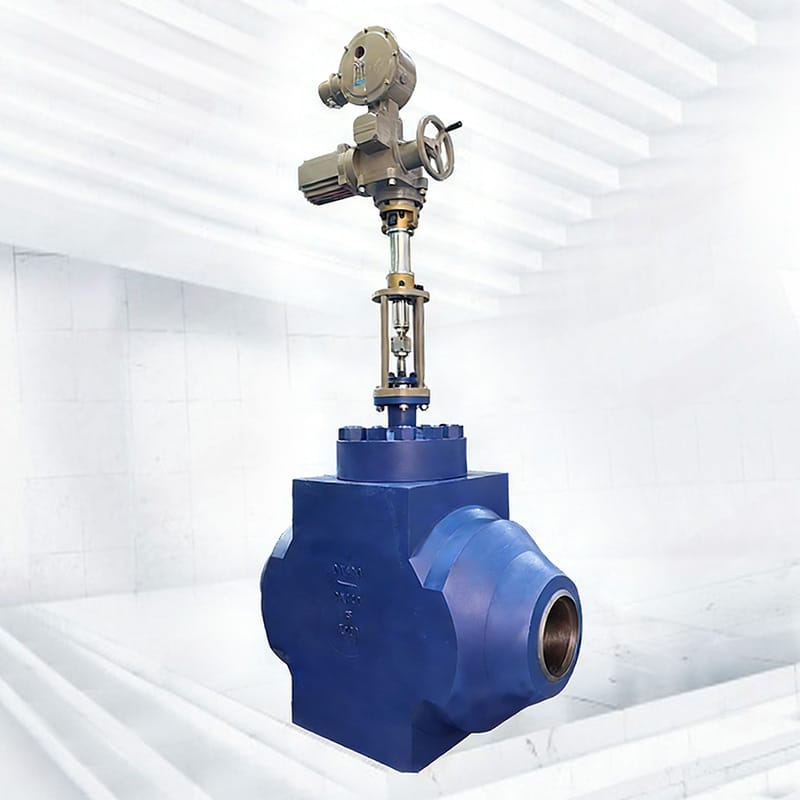
An explosion proof electric control valve is an automated valve equipped with an electric actuator designed for hazardous or potentially explosive environments. It receives electrical control signals and moves the valve plug, ball, disc, or trim to adjust the flow passage.
In industrial process control, a vanne de régulation is commonly used as a final control element to regulate process variables such as flow, pressure, temperature, and liquid level. In hazardous areas, the electric actuator and related electrical components must be suitable for the site’s safety requirements.
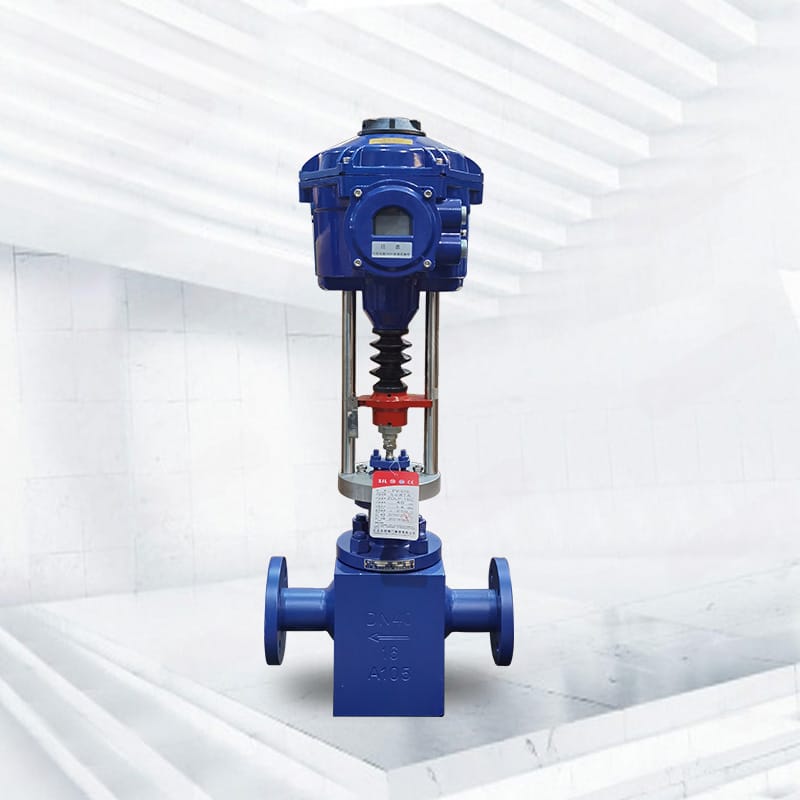
For demanding working conditions, Phileda’s A105 Vanne de commande électrique haute pression antidéflagrante T948Y is designed for continuous regulation in high-pressure, flammable, and explosive environments. It supports standard control signals and can be integrated into PLC or DCS systems.
Why Explosion Proof Design Matters
In industries such as oil and gas, petrochemical processing, coal chemical production, fine chemicals, and high-pressure testing systems, gases or vapors may create a hazardous atmosphere. If electrical equipment is not properly protected, sparks, overheating, or electrical faults may create serious safety risks.
An explosion proof electric control valve helps reduce ignition risk by using an actuator structure and electrical protection design suitable for hazardous areas. The goal is not only to automate the valve, but also to make sure the automation method matches the site’s safety classification.
Common hazardous area concerns include:
| Risk Factor | Pourquoi c'est important |
|---|---|
| Flammable gas or vapor | May ignite if exposed to electrical sparks or hot surfaces |
| High-pressure media | Increases mechanical stress and leakage risk |
| Chemical corrosion | Can damage valve body, trim, seals, or actuator enclosure |
| Remote operation needs | Requires reliable signal control and actuator feedback |
| Outdoor installation | Requires protection against moisture, dust, and temperature changes |
| Emergency shutdown logic | Valve failure position may affect process safety |
For international hazardous area concepts, the IECEx system is a widely recognized reference for equipment used in explosive atmospheres.
Where Explosion Proof Electric Control Valves Are Used
An explosion proof electric control valve is usually selected when both automated regulation and hazardous-area protection are required. It is not limited to one industry, but it is especially important in systems where media, pressure, and site conditions create higher operational risk.
Les applications typiques comprennent :
| Industrie | Common Valve Duty |
| Oil and gas | High-pressure injection, gas regulation, pipeline control |
| Pétrochimique | Flow and pressure control for flammable process media |
| Coal chemical | Automated regulation in explosive gas environments |
| Fine chemical | Precise control of volatile or reactive media |
| Production d'énergie | Auxiliary process control and high-pressure systems |
| Testing equipment | Ultra-high pressure media control |
| Energy systems | Remote regulation of critical pipelines |
| Industrial automation | PLC/DCS controlled hazardous area process loops |
For ultra-high pressure conditions, the Vanne de commande électrique à ultra haute pression can be considered when the project requires stable, repeatable control of high-pressure media in automated systems.
Explosion Proof Electric Control Valve vs Standard Electric Control Valve
A standard electric control valve may be suitable for general industrial automation, water systems, HVAC, or non-hazardous process lines. However, in hazardous areas, the actuator and electrical components must meet stricter safety requirements.
| Point de comparaison | Standard Electric Control Valve | Explosion Proof Electric Control Valve |
| Application area | General industrial environments | Hazardous or explosive atmospheres |
| Actuator protection | Standard enclosure protection | Explosion-proof actuator design |
| Safety focus | Automation and control | Automation, control, and ignition risk reduction |
| Typical media | Water, air, steam, non-hazardous fluids | Flammable gas, oil, chemical media, volatile fluids |
| Project requirement | General process control | Hazardous area classification compliance |
| Cost driver | Control accuracy and valve structure | Safety design, actuator rating, sealing, materials |
The selection should always be based on the actual site condition. If the pipeline is installed in a classified hazardous area, choosing a standard electric actuator simply because it can open and close the valve may create unnecessary risk.
Key Specifications to Confirm Before Selection
A reliable explosion proof electric control valve should be selected from process data, not only from pipe size. The more complete the working condition information, the more accurately the manufacturer can recommend valve structure, actuator type, material, trim, and accessories.
Important selection data includes:
| Informations requises | Pourquoi c'est important |
| Type moyen | Determines body material, trim, seal, and corrosion resistance |
| Pression d'entrée et de sortie | Helps evaluate pressure drop and valve strength |
| Débit | Required for valve sizing and control range |
| Température de fonctionnement | Affects packing, sealing, actuator protection, and material selection |
| Hazardous area condition | Determines actuator explosion-proof requirements |
| Taille et connexion du tuyau | Confirms installation compatibility |
| Signal de commande | Determines actuator control module and system integration |
| Required valve action | Modulating, on/off, fail-open, fail-close, or fail-in-place |
| Exigence de fuite | Determines seat structure and sealing design |
| Environnement d'installation | Affects enclosure protection, cable entry, and corrosion protection |
For control valve sizing, buyers can refer to the comité des normes de dimensionnement des vannes de régulation ISA, which focuses on flow equations and sizing considerations for control valves.
Choose the Right Valve Body Structure
The valve body is the mechanical foundation of the control valve. In hazardous and high-pressure applications, the body must withstand pressure, temperature, vibration, corrosion, and frequent regulation.
Common valve body considerations include:
| Facteur de sélection | Practical Question |
| Matériel corporel | Is the medium corrosive, high-pressure, or high-temperature? |
| Valve structure | Does the application need throttling, shut-off, or both? |
| Pressure rating | Can the valve safely handle maximum working pressure? |
| End connection | Is the system flanged, welded, threaded, or customized? |
| Caractéristique du débit | Is linear or equal percentage control more suitable? |
| Trim design | Is anti-erosion or pressure-reducing trim required? |
| Seat design | What leakage level is acceptable? |
For general industrial valve pressure-temperature design considerations, ASME B16.34 is a useful reference because it covers requirements related to flanged, threaded, and welding-end valves.
Electric Actuator Selection: More Than Opening and Closing
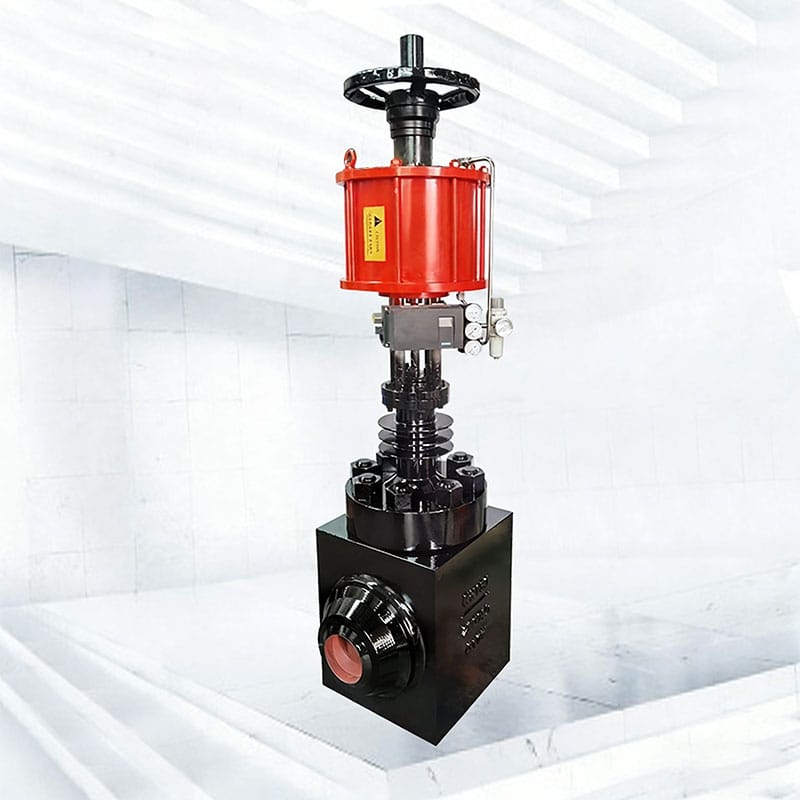
The actuator is one of the most important parts of an explosion proof electric control valve. It must provide enough torque or thrust, support the required control signal, and operate reliably in the installation environment.
A good actuator selection should consider:
| Actuator Factor | Pourquoi c'est important |
| Explosion-proof rating | Must match hazardous area requirements |
| Output torque or thrust | Must move the valve under maximum pressure differential |
| Mode de commande | Determines whether the valve is modulating or on/off |
| Feedback signal | Helps the control system monitor valve position |
| Manual override | Useful for commissioning and emergency operation |
| Limit protection | Prevents over-travel and mechanical damage |
| Overload protection | Protects actuator and valve stem |
| Protection de l'environnement | Important for outdoor, dusty, or humid sites |
For process plants using centralized automation, the actuator should support standard signal compatibility, position feedback, and integration into PLC or DCS systems. Phileda’s Vanne de régulation électrique category includes electric actuator valve solutions for industrial automation projects requiring stable regulation and system integration.
Control Signal and Automation Compatibility
An explosion proof electric control valve is often selected because the plant needs remote control and integration with an automation system. Before ordering, confirm whether the valve needs simple on/off control or continuous proportional regulation.
Common signal and control requirements include:
| Requirement | Typical Use |
| 4–20 mA input | Continuous modulating control |
| 0–10 V input | HVAC or automation systems |
| Open/close signal | Simple on/off operation |
| Retour d'information sur les positions | Confirms actual valve position |
| Limit switch feedback | Confirms fully open or fully closed position |
| Local control | Useful for commissioning and maintenance |
| Télécommande | Required for PLC/DCS integration |
If the valve is used for flow, pressure, temperature, or level regulation, modulating control is usually required. If the valve is used only for pipeline isolation, on/off electric actuation may be sufficient.
The key is to avoid over-specifying or under-specifying the actuator. A simple on/off actuator cannot deliver stable process control, while a full modulating actuator may be unnecessary for simple shut-off duties.
Material Selection for Hazardous and High-Pressure Media
Material selection directly affects safety, service life, sealing reliability, and maintenance frequency. In hazardous applications, leakage and material failure can create serious operational risks.
Les domaines matériels importants comprennent :
| Composant | Focus de sélection |
| Corps de valve | Pressure resistance, temperature range, corrosion resistance |
| Garniture | Erosion resistance, throttling stability, pressure drop performance |
| Siège | Leakage control, wear resistance, temperature compatibility |
| Emballage | Stem sealing, emission control, thermal resistance |
| Joint | Étanchéité à la pression et compatibilité chimique |
| Actuator enclosure | Hazardous area protection and environmental resistance |
| Fasteners | Strength, corrosion resistance, and pressure boundary reliability |
For example, forged steel may be selected for high-pressure applications, while stainless steel or special materials may be required for corrosive media. Seat and trim materials should be selected according to medium composition, pressure drop, temperature, and expected throttling frequency.
Pressure Drop, Noise, and Severe Service Conditions
A major mistake in electric control valve selection is ignoring pressure drop. In high-pressure systems, the valve may experience severe turbulence, erosion, vibration, noise, cavitation, or flashing.
Severe service risks include:
| Problème | Cause possible |
| High noise | Chute de pression excessive ou vitesse élevée |
| Trim erosion | High-speed media or particles |
| Vibration de la valve | Poor sizing, unstable pressure drop, or weak pipe support |
| Dégâts de siège | Frequent throttling under severe conditions |
| Poor control accuracy | Oversized valve or unsuitable flow characteristic |
| Actuator overload | Insufficient torque or thrust margin |
If the application involves high differential pressure, the manufacturer may recommend multi-stage pressure reduction, hardened trim, special seat design, or a different valve structure. This is especially important for high-pressure oil and gas, chemical reactors, injection systems, and testing platforms.
Installation Factors That Affect Long-Term Reliability
Even the right valve can fail early if installation conditions are poor. Explosion proof electric control valves require correct mechanical installation, electrical installation, and commissioning.
Installation details to confirm include:
| Facteur d'installation | Pourquoi c'est important |
| Direction d'écoulement | Ensures correct valve operation and sealing |
| Pipe support | Prevents stress from transferring to the valve body |
| Longueur de tuyau droit | Reduces turbulence and unstable control |
| Cable entry sealing | Helps maintain actuator protection |
| Grounding | Supports electrical safety requirements |
| Espace d'entretien | Allows actuator inspection and manual operation |
| Outdoor protection | Reduces damage from rain, dust, and temperature changes |
| Commissioning procedure | Confirms signal, stroke, feedback, and control response |
In hazardous areas, electrical installation should be handled by qualified personnel according to local regulations and project requirements. The valve itself is only one part of the safety system; cable glands, wiring, grounding, and enclosure integrity also matter.
Erreurs de sélection courantes à éviter
Many valve failures begin before installation because the wrong information was used during selection. Avoid these common mistakes:
| Mistake | Potential Result |
| Selecting only by pipe size | Poor control accuracy or unstable operation |
| Ignoring hazardous area requirements | Safety risk and project non-compliance |
| Choosing the wrong actuator type | Inaccurate control or actuator overload |
| Not confirming pressure drop | Noise, vibration, erosion, or cavitation |
| Using unsuitable materials | Corrosion, leakage, or short service life |
| Forgetting feedback requirements | Poor PLC/DCS monitoring |
| Not defining fail-safe behavior | Unsafe valve position during power failure |
| Skipping technical drawings | Installation mismatch or site delays |
A professional selection should always combine process conditions, safety requirements, automation needs, and installation details.
What to Provide When Requesting a Quote
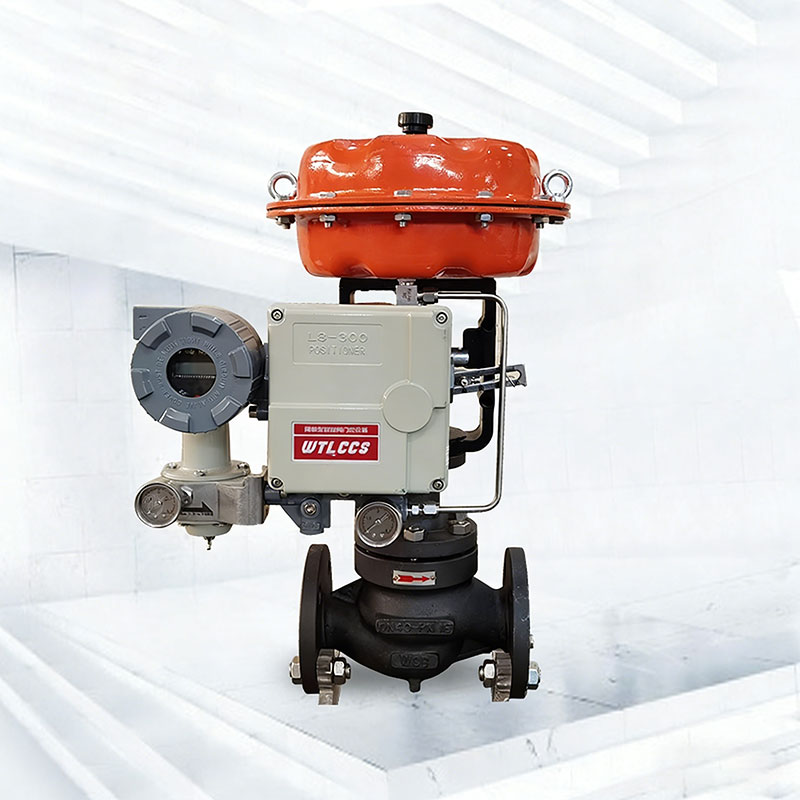
To get an accurate recommendation, send complete working condition data instead of only asking for a model number.
Une enquête utile devrait inclure :
| Inquiry Item | Exemple |
| Moyen | Natural gas, oil, chemical liquid, steam, hydraulic fluid |
| Débit | Minimum, normal, and maximum |
| Pression | Pression d'entrée et pression de sortie |
| Température | Température normale et maximale de fonctionnement |
| Taille du tuyau | DN ou NPS |
| Connexion | Flanged, welded, threaded |
| Valve action | Modulating or on/off |
| Signal de commande | 4–20 mA, 0–10 V, open/close signal |
| Hazardous area requirement | Explosion-proof actuator requirement |
| Préférence matérielle | Carbon steel, forged steel, stainless steel, special alloy |
| Exigence de fuite | Soft seal, metal seal, or specified leakage class |
| Accessoires | Limit switch, position feedback, manual override |
For project-specific selection, buyers can contactez Phileda with working conditions, automation requirements, and hazardous area information.
Why Work With a Control Valve Manufacturer
An explosion proof electric control valve is a technical product. It is not enough to select a valve body and install an actuator. The valve body, trim, seat, actuator, signal module, enclosure protection, and accessories must work together as one control solution.
Working with a control valve manufacturer helps buyers confirm:
| Technical Support Area | Value to the Buyer |
| Valve sizing | Helps avoid oversizing or undersizing |
| Sélection matérielle | Improves corrosion and erosion resistance |
| Actuator matching | Ensures enough torque or thrust |
| Automation compatibility | Supports PLC/DCS integration |
| Severe service review | Reduces noise, vibration, and trim damage |
| Drawing support | Helps installation planning |
| Testing documentation | Supports project approval and quality control |
Phileda provides industrial automatic control valve solutions, including electric control valves, pneumatic control valves, self-operated control valves, ball valves, butterfly valves, shut-off valves, and customized control valve options for demanding industrial projects.
Conclusion
An explosion proof electric control valve is an important choice for hazardous industrial systems that require both automated regulation and safer electrical operation. It is widely used in oil and gas, petrochemical, chemical, power, high-pressure testing, and industrial automation applications where flammable media, high pressure, and remote control requirements may exist at the same time.
The right selection should consider hazardous area requirements, medium properties, pressure drop, flow rate, temperature, valve body material, trim design, actuator type, control signal, feedback requirements, and installation environment. A valve chosen only by size or connection may not provide reliable control in real operating conditions.
For projects involving high-pressure, flammable, or explosive environments, review Phileda’s A105 Vanne de commande électrique haute pression antidéflagrante T948Y or browse the complete Vanne de régulation électrique range. To confirm the most suitable valve configuration, send your process data pour le support technique de sélection.