Table of Contents
Understanding Wafer Butterfly Valve Basics
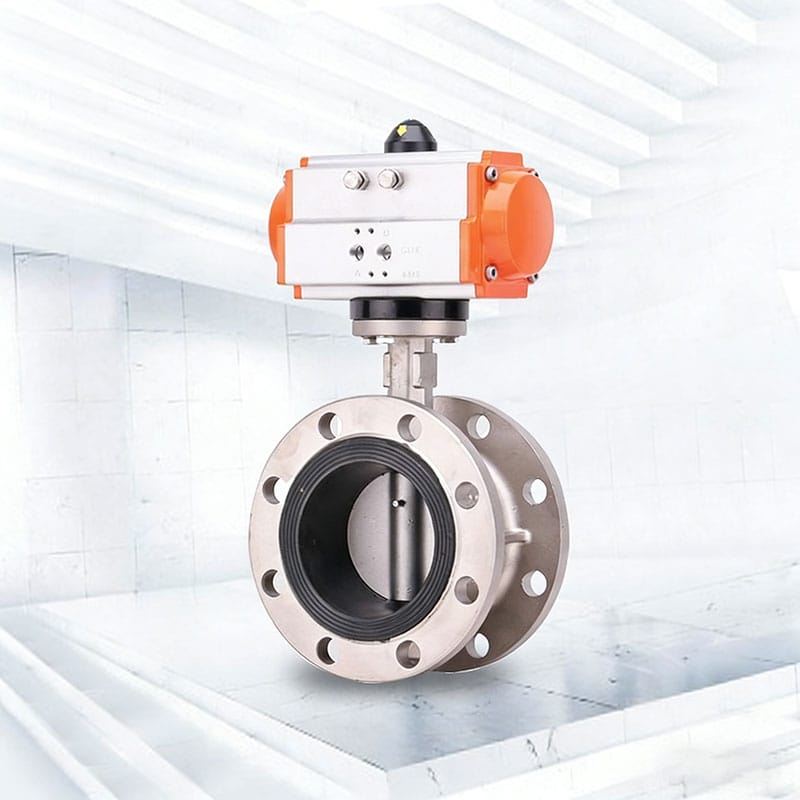
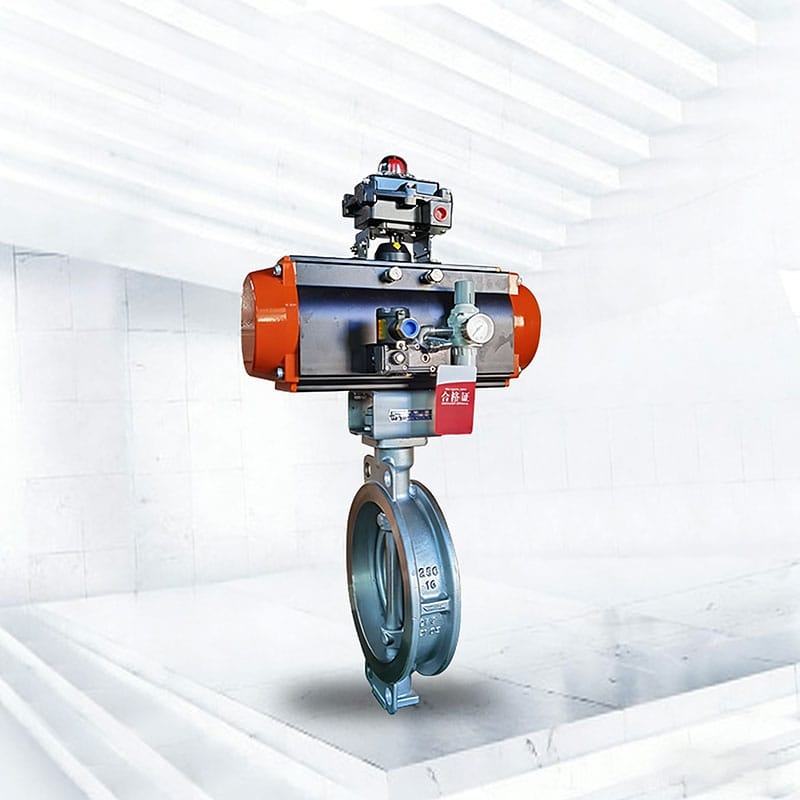
A wafer butterfly valve is a compact quarter-turn valve designed to regulate or isolate flow in pipeline systems. It is installed between two pipe flanges and secured using long bolts, making it a space-saving and cost-efficient solution for industrial flow control applications.
This type of valve is widely used in water treatment, HVAC systems, chemical processing, oil and gas pipelines, and general industrial fluid handling systems.
What a Wafer Butterfly Valve Is
A wafer butterfly valve consists of a circular disc mounted on a rotating shaft. When the valve is turned, the disc rotates to open, partially open, or close the flow path.
Key Structural Components
- Valve body
- Disc
- Stem (shaft)
- Seat (soft or metal sealing)
- Actuator (manual, pneumatic, or electric)
How It Fits into Pipeline Systems
The wafer design is sandwiched between flanges, allowing:
- Compact installation
- Reduced weight
- Lower cost compared to flanged valve types
Working Principle of Wafer Butterfly Valve
The working mechanism is based on a simple 90-degree rotation. When the disc is parallel to the flow, the valve is fully open. When perpendicular, the flow is completely blocked.
Rotational Disc Flow Control Mechanism
The disc rotates around the central shaft, allowing precise control over flow rate.
Open, Close, and Throttling Functions
- Fully open: minimal resistance
- Partially open: flow regulation
- Fully closed: tight shut-off
Flow Efficiency and Pressure Drop Considerations
Wafer butterfly valves are known for:
- Low pressure loss
- Fast operation
- Efficient flow control performance
Key Selection Factors for Wafer Butterfly Valve
Choosing the right valve requires evaluating system conditions carefully.
Pressure Rating and Temperature Requirements
Different systems require different standards such as PN10, PN16, or higher pressure classes.
Media Type (Water, Oil, Gas, Chemicals)
Compatibility with the fluid is critical to ensure safety and performance.
Flow Control Accuracy Needs
Some systems require precise throttling, while others focus on full shut-off capability.
Material Selection Guide for Industrial Applications
Material selection directly affects durability, corrosion resistance, and service life.
| Material Type | Advantages | Typical Applications |
|---|---|---|
| Cast Iron | Cost-effective, strong | Water supply systems |
| Stainless Steel | Corrosion-resistant, durable | Chemical and marine systems |
| Ductile Iron | High strength, impact resistance | Industrial pipelines |
Sealing Materials Overview
- EPDM: ideal for water systems
- NBR: suitable for oil and petroleum
- PTFE: strong chemical resistance
Proper material selection ensures long-term stable operation in demanding environments.
Wafer Butterfly Valve vs Other Valve Types
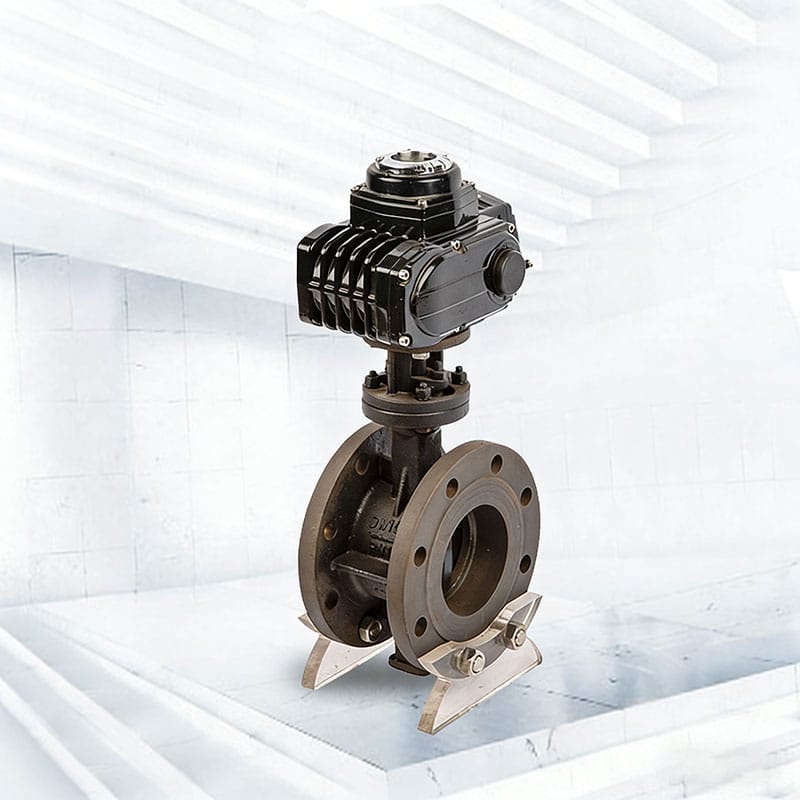
Understanding differences helps in selecting the most suitable valve for your system.
Wafer vs Lug Butterfly Valve
- Wafer type: lightweight, cost-efficient
- Lug type: allows end-of-line service
Wafer vs Flanged Butterfly Valve
- Wafer: compact and economical
- Flanged: stronger connection for high-pressure systems
When to Choose Wafer Type
- Limited installation space
- Medium to low pressure systems
- Cost-sensitive projects
Applications in Industrial Systems
Wafer butterfly valves are widely used across multiple industries due to their versatility.
Water Treatment and Distribution Systems
Used for regulating clean and wastewater flow in municipal and industrial systems.
HVAC and Building Services
Controls chilled and hot water circulation in heating and cooling networks.
Oil, Gas, and Chemical Processing
Handles non-corrosive and moderately corrosive fluids depending on material selection.
Irrigation and Agricultural Systems
Ensures efficient water distribution in large-scale farming operations.
Installation Guidelines and Best Practices
Proper installation ensures safe operation and long service life.
Proper Alignment Between Flanges
Ensure correct centering of the valve body between pipe flanges.
Torque and Tightening Requirements
Uneven tightening may cause leakage or damage to the seat.
Common Installation Mistakes to Avoid
- Misalignment of flanges
- Over-tightening bolts
- Incorrect gasket placement
Maintenance and Service Life Optimization
Regular maintenance helps extend valve performance and reduce downtime.
Routine Inspection Checklist
- Check sealing condition
- Inspect disc movement
- Verify leakage points
Seal Replacement and Wear Monitoring
Seals should be replaced when:
- Leakage is detected
- Elasticity is reduced
- Cracks or deformation appear
Extending Valve Lifespan in Harsh Conditions
- Use corrosion-resistant materials
- Avoid exceeding pressure limits
- Perform periodic lubrication where required
Why Choose a Direct Wafer Butterfly Valve Manufacturer
As a professional wafer butterfly valve manufacturer, we focus on delivering reliable industrial valve solutions for global projects. This blog is also part of our ongoing SEO strategy to improve visibility, attract organic traffic, and provide technical value to buyers searching for trusted suppliers.
Working directly with a factory provides significant advantages.
Factory Direct Supply Advantages
- Lower procurement cost
- Stable product quality
- Faster production lead time
OEM and Custom Production Capability
We support:
- Customized valve dimensions
- Material upgrades
- Branding and packaging solutions
Quality Control and Certification Standards
Our production follows strict quality systems, including:
- Pressure testing
- Leakage testing
- Dimensional inspection
- Industry compliance standards
Common Mistakes When Selecting Wafer Butterfly Valves
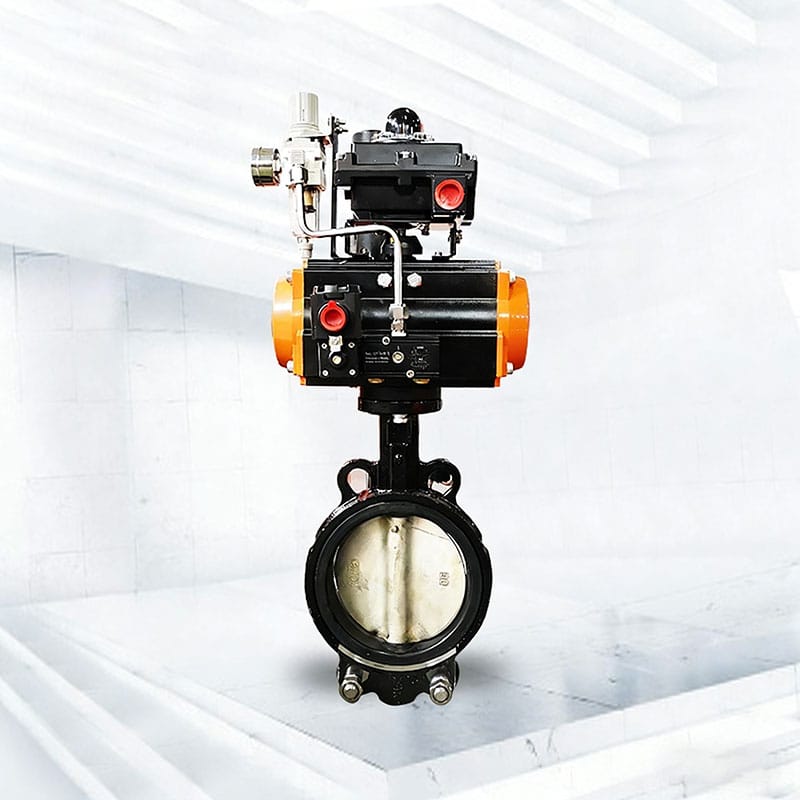
Many system failures come from incorrect selection rather than product defects.
Ignoring Pressure and Temperature Limits
Exceeding rated conditions leads to premature failure.
Choosing Incorrect Seat Material
Wrong sealing material can cause leakage or chemical damage.
Overlooking Media Compatibility
Not all valves are suitable for corrosive or abrasive fluids.
Conclusion
Selecting the right wafer butterfly valve is essential for achieving stable flow control, system efficiency, and long-term operational safety. From material selection and pressure rating to installation and maintenance, every detail plays a role in performance.
As a dedicated wafer butterfly valve manufacturer, we provide factory-direct solutions, OEM customization, and industrial-grade quality control to support global engineering projects. Choosing a reliable manufacturer ensures not only product quality but also long-term cost efficiency and technical support.
For industrial buyers, a well-selected valve is more than a component—it is a critical part of system reliability and operational success.
FAQ
What is a wafer butterfly valve used for?
A wafer butterfly valve is used to control or isolate flow in pipeline systems. It is commonly applied in water treatment, HVAC, chemical processing, and industrial fluid control systems due to its compact design and reliable performance.
What is the difference between wafer and lug butterfly valves?
A wafer butterfly valve is installed between two flanges and held in place by bolts, while a lug type valve has threaded inserts that allow end-of-line service. Wafer type is more compact and cost-effective, while lug type offers higher installation flexibility.
How do I choose the right wafer butterfly valve?
Selection depends on pressure rating, temperature conditions, fluid type, and sealing material. For example, EPDM seats are suitable for water systems, while PTFE is better for chemical applications.
Can wafer butterfly valves be used for high-pressure systems?
Wafer butterfly valves are generally designed for low to medium pressure systems. For high-pressure applications, proper material selection and correct pressure rating (such as PN16 or higher) are required, or alternative valve types may be recommended.
Why choose a wafer butterfly valve manufacturer instead of a trader?
Working directly with a wafer butterfly valve manufacturer ensures factory pricing, consistent quality control, OEM customization options, and better technical support compared to trading companies.