Table des matières
Comprendre Vanne papillon de plaquette Basiques
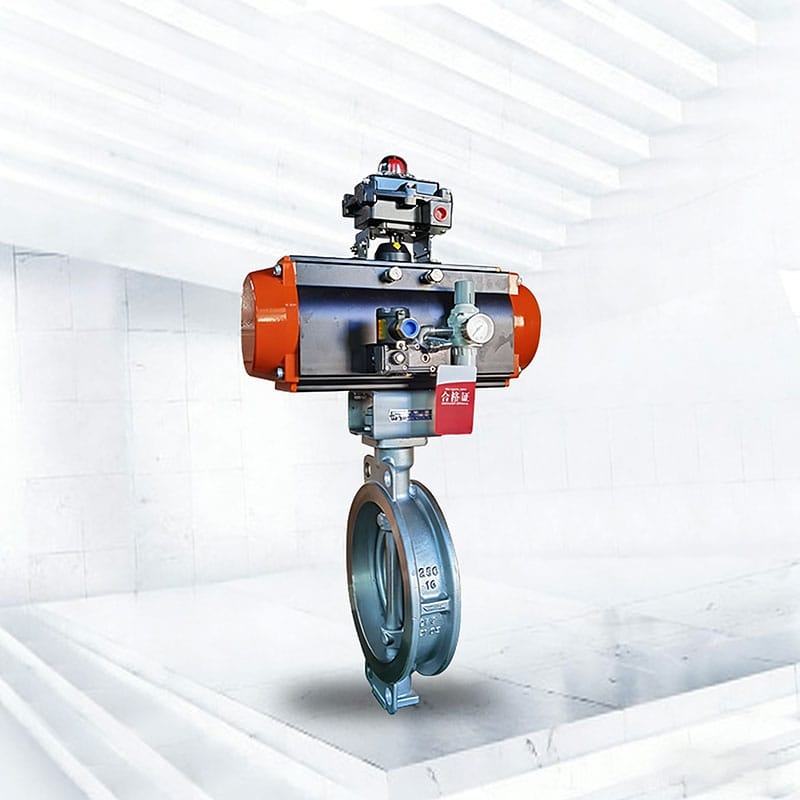
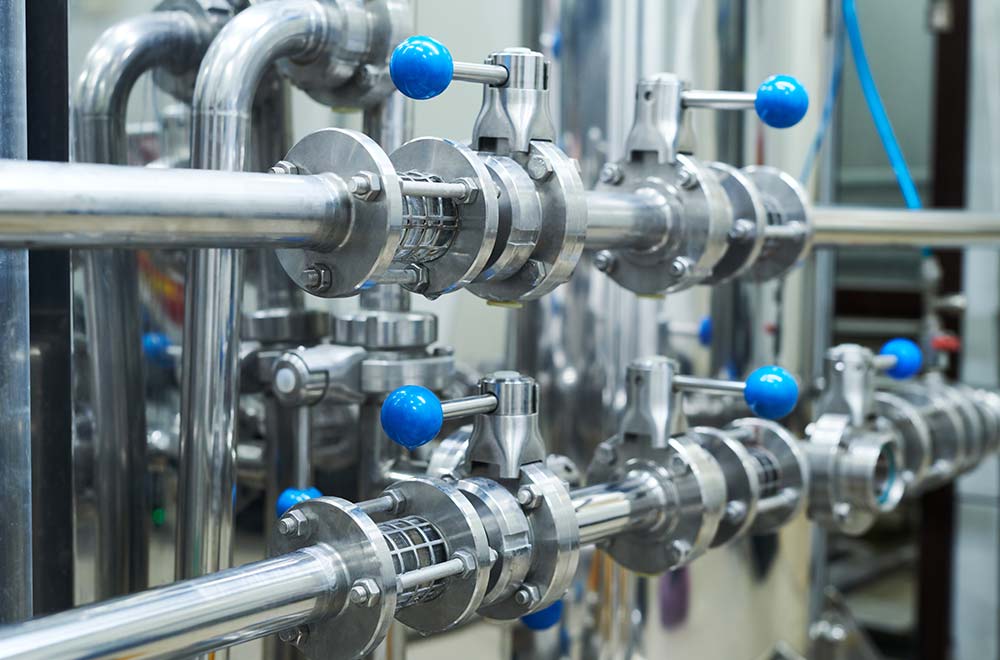
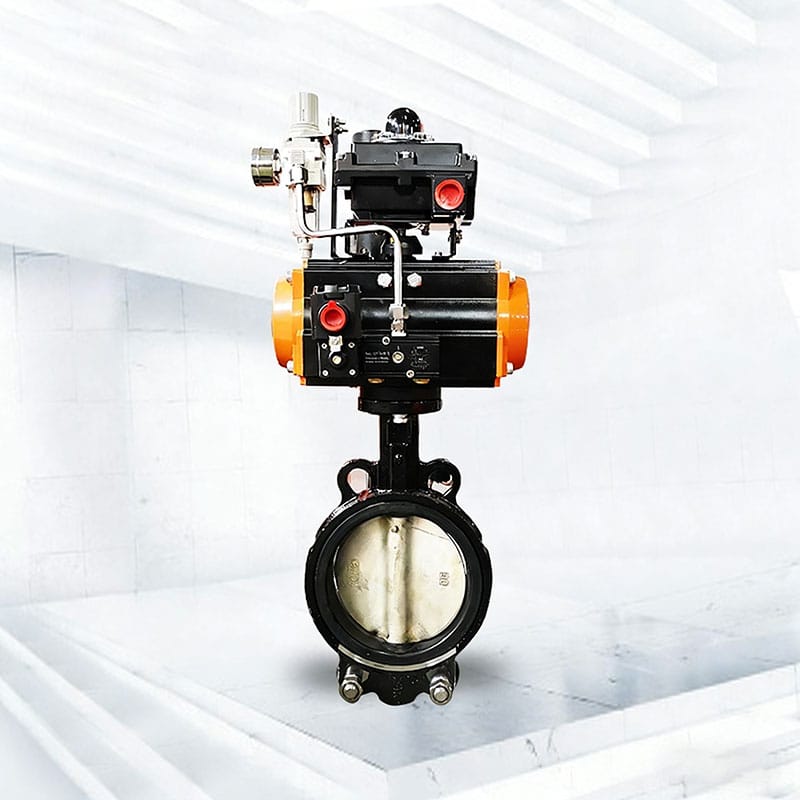
Une vanne papillon à tranche est une vanne quart de tour compacte conçue pour réguler ou isoler le débit dans les systèmes de canalisations Elle est installée entre deux brides de canalisations et fixée à l'aide de boulons longs, ce qui en fait une solution peu encombrante et rentable pour les applications industrielles de contrôle de débit.
Ce type de vanne est largement utilisé dans le traitement de l'eau, les systèmes CVC, le traitement chimique, les oléoducs et gazoducs et les systèmes généraux de manutention de fluides industriels.
Qu'est-ce qu'une valve papillon de plaquette
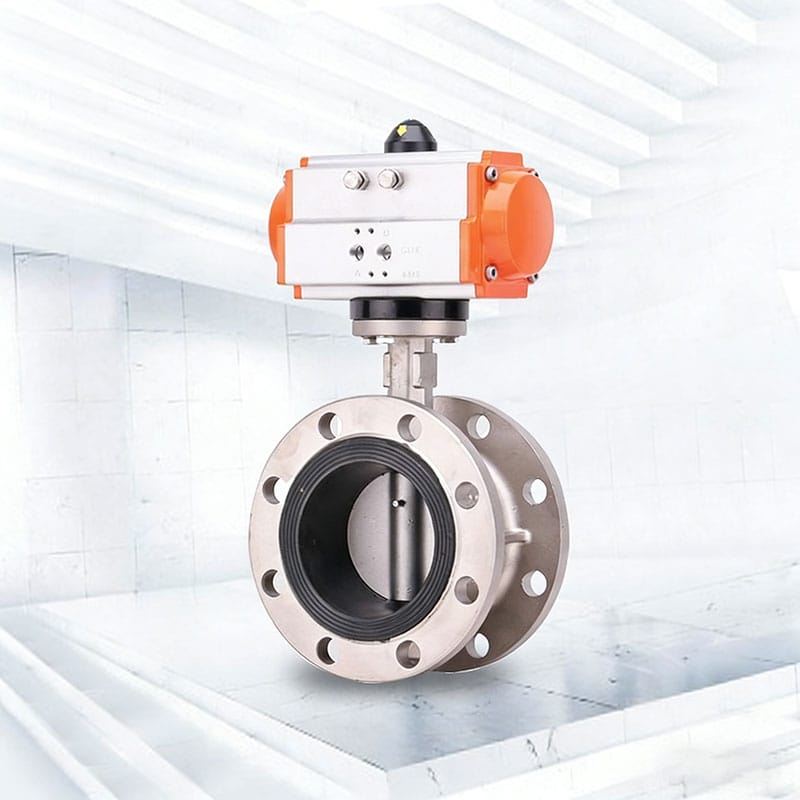
Une vanne papillon à plaquette est constituée d'un disque circulaire monté sur un arbre rotatif Lorsque la vanne est tournée, le disque tourne pour ouvrir, ouvrir partiellement ou fermer le trajet d'écoulement.
Composants structurels clés
- Corps de valve
- Disque
- Tige (arbre)
- Siège (étanchéité souple ou métallique)
- Actionneur (manuel, pneumatique ou électrique)
Comment il s'intègre dans les systèmes de pipelines
La conception de la plaquette est prise en sandwich entre les brides, permettant
- Installation compacte
- Poids réduit
- Coût inférieur par rapport aux types de vannes à bride
Principe de fonctionnement de la vanne papillon de la plaquette
Le mécanisme de travail est basé sur une simple rotation de 90 degrés Lorsque le disque est parallèle au flux, la vanne est complètement ouverte Lorsqu'elle est perpendiculaire, le flux est complètement bloqué.
Mécanisme de contrôle du débit du disque rotatif
Le disque tourne autour de l'arbre central, permettant un contrôle précis du débit.
Fonctions d'ouverture, de fermeture et de suppression
- Entièrement ouvert : résistance minimale
- Partiellement ouvert : régulation de débit
- Entièrement fermé : arrêt serré
Considérations sur l’efficacité du débit et la chute de pression
Les vannes papillon à tranche sont connues pour :
- Faible perte de charge
- Opération rapide
- Performances efficaces de contrôle de flux
Facteurs de sélection clés pour la valve papillon de plaquette
Choisir la bonne vanne nécessite d'évaluer soigneusement les conditions du système.
Prestation nominale et exigences de température
Différents systèmes nécessitent différentes normes telles que PN10, PN16 ou des classes de pression plus élevées.
Type de support (eau, pétrole, gaz, produits chimiques)
La compatibilité avec le fluide est essentielle pour garantir la sécurité et les performances.
Besoins de précision du contrôle de débit
Certains systèmes nécessitent un étranglement précis, tandis que d'autres se concentrent sur une capacité d'arrêt complet.
Guide de sélection des matériaux pour les applications industrielles
La sélection des matériaux affecte directement la durabilité, la résistance à la corrosion et la durée de vie.
| Type de matériau | Avantages | Applications typiques |
|---|---|---|
| Fonte | Rentable, fort | Systèmes d'approvisionnement en eau |
| Acier inoxydable | Résistant à la corrosion, durable | Systèmes chimiques et marins |
| Fonte ductile | Haute résistance, résistance aux chocs | Pipelines industriels |
Aperçu des matériaux d'étanchéité
- EPDM : idéal pour les systèmes d'eau
- NBR : convient au pétrole et au pétrole
- PTFE : forte résistance chimique
Une sélection appropriée des matériaux garantit un fonctionnement stable à long terme dans des environnements exigeants.
Valve papillon de plaquette par rapport aux autres types de valves
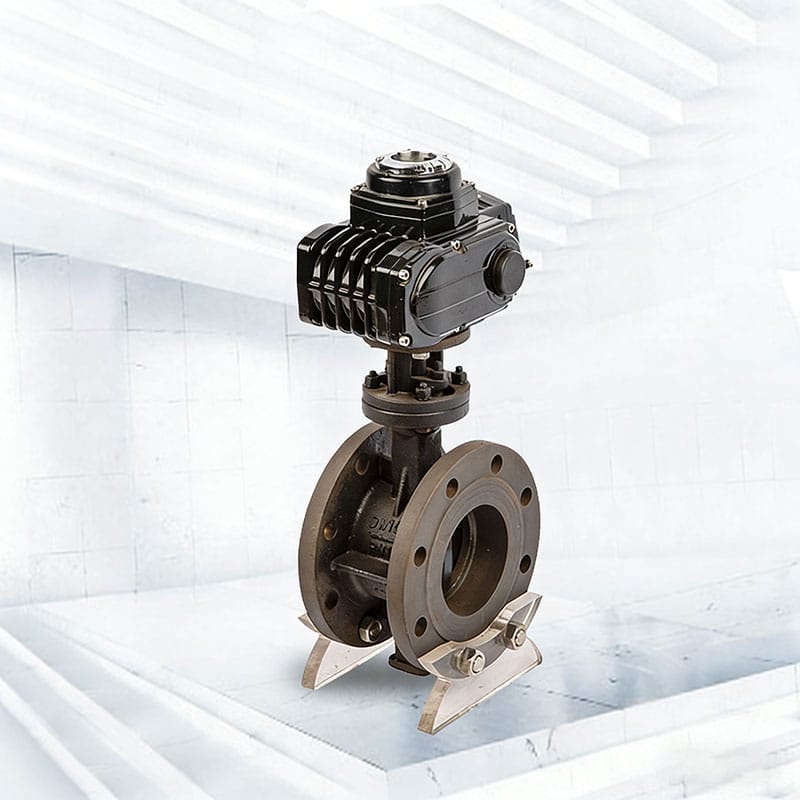
Comprendre les différences aide à sélectionner la vanne la plus adaptée à votre système.
Vanne papillon de tranche contre cosse
- Type de plaquette : léger, rentable
- Type de cosse : permet un service de fin de ligne
Plaquette contre valve papillon à bride
- Plaquette : compacte et économique
- Brided : connexion plus solide pour les systèmes haute pression
Quand choisir le type de plaquette
- Espace d'installation limité
- Systèmes moyenne à basse pression
- Projets sensibles aux coûts
Applications dans les systèmes industriels
Vannes papillon de tranche sont largement utilisés dans plusieurs secteurs en raison de leur polyvalence.
Systèmes de traitement et de distribution de l'eau
Utilisé pour réguler le débit propre et des eaux usées dans les systèmes municipaux et industriels.
Services CVC et Bâtiment
Contrôle la circulation de l'eau réfrigérée et chaude dans les réseaux de chauffage et de refroidissement.
Traitement du pétrole, du gaz et des produits chimiques
Gère les fluides non corrosifs et modérément corrosifs en fonction de la sélection des matériaux.
Systèmes d'irrigation et agricoles
Assure une distribution efficace de l’eau dans les opérations agricoles à grande échelle.
Lignes directrices d'installation et meilleures pratiques
Une installation appropriée garantit un fonctionnement sûr et une longue durée de vie.
Alignement approprié entre les brides
Assurer un centrage correct du corps de vanne entre les brides de tuyau.
Exigences en matière de couple et de serrage
Un serrage inégal peut provoquer des fuites ou des dommages au siège.
Erreurs d'installation courantes à éviter
- Désalignement des brides
- Boulons trop serrants
- Placement incorrect du joint
Optimisation de la maintenance et de la durée
Un entretien régulier permet d'étendre les performances des vannes et de réduire les temps d'arrêt.
Liste de contrôle d'inspection de routine
- Vérifier l'état d'étanchéité
- Inspectez le mouvement du disque
- Vérifier les points de fuite
Remplacement du joint et surveillance de l'usure
Les joints doivent être remplacés lorsque :
- Une fuite est détectée
- L'élasticité est réduite
- Des fissures ou des déformations apparaissent
Prolongation de la durée de vie des vannes dans des conditions difficiles
- Utiliser des matériaux résistant à la corrosion
- Évitez de dépasser les limites de pression
- Effectuez une lubrification périodique si nécessaire
Pourquoi choisir un fabricant de vannes papillon à tranche directe
En tant que professionnel vanne papillon à tranche fabricant, nous nous concentrons sur la fourniture de solutions de vannes industrielles fiables pour les projets mondiaux.
Travailler directement avec une usine offre des avantages significatifs.
Avantages d’approvisionnement direct en usine
- Coût d’approvisionnement inférieur
- Qualité de produit stable
- Délai de production plus rapide
OEM et capacité de production personnalisée
Nous soutenons:
- Dimensions personnalisées des vannes
- Améliorations matérielles
- Solutions de marque et d'emballage
Normes de contrôle de la qualité et de certification
Notre production suit des systèmes de qualité stricts, notamment
- Essais de pression
- Tests de fuite
- Inspection dimensionnelle
- Normes de conformité de l'industrie
Erreurs courantes lors de la sélection des vannes papillon de la plaquette
De nombreuses défaillances du système proviennent d'une sélection incorrecte plutôt que de défauts du produit.
Ignorer les limites de pression et de température
Le dépassement des conditions nominales entraîne une défaillance prématurée.
Choisir un matériau de siège incorrect
Un mauvais matériau d'étanchéité peut provoquer des fuites ou des dommages chimiques.
Compatibilité des médias surplombants
Toutes les vannes ne conviennent pas aux fluides corrosifs ou abrasifs.
Conclusion
Sélection de la bonne plaquette vanne papillon est essentiel pour obtenir un contrôle de débit stable, l'efficacité du système et la sécurité opérationnelle à long terme De la sélection des matériaux et de la pression nominale à l'installation et à la maintenance, chaque détail joue un rôle dans la performance.
En tant que fabricant de vannes papillon à plaquettes dédiées, nous fournissons des solutions directes en usine, une personnalisation OEM et un contrôle qualité de qualité de qualité industrielle pour soutenir des projets d'ingénierie mondiaux. Choisir un fabricant fiable garantit non seulement la qualité du produit mais également une rentabilité et un support technique à long terme.
Pour les acheteurs industriels, une vanne bien sélectionnée est plus qu’un composant, mais constitue un élément essentiel de la fiabilité du système et du succès opérationnel.
FAQ
À quoi sert une vanne papillon à plaquette ?
Une vanne papillon à tranche est utilisée pour contrôler ou isoler le débit dans les systèmes de canalisations. Il est couramment appliqué dans les systèmes de traitement de l’eau, de CVC, de traitement chimique et de contrôle des fluides industriels en raison de sa conception compacte et de ses performances fiables.
Quelle est la différence entre les vannes papillon à tranche et à patte ?
Une vanne papillon à plaquette est installée entre deux brides et maintenue en place par des boulons, tandis qu'une vanne de type ergot comporte des inserts filetés qui permettent un service en fin de ligne Le type à plaquette est plus compact et rentable, tandis que le type à ergot offre une plus grande flexibilité d'installation.
Comment choisir la bonne plaquette vanne papillon?
La sélection dépend de la pression nominale, des conditions de température, du type de fluide et du matériau d'étanchéité. Par exemple, les sièges EPDM conviennent aux systèmes d'eau, tandis que le PTFE est meilleur pour les applications chimiques.
Les vannes papillon à tranche peuvent-elles être utilisées pour les systèmes haute pression ?
Les vannes papillon à tranche sont généralement conçues pour les systèmes basse à moyenne pression Pour les applications haute pression, une sélection appropriée des matériaux et une pression nominale correcte (telle que PN16 ou supérieure) sont nécessaires, ou des types de vannes alternatifs peuvent être recommandés.
Pourquoi choisir un fabricant de vannes papillon de tranche au lieu d'un commerçant ?
Travailler directement avec un fabricant de vannes papillon de tranche garantit une tarification en usine, un contrôle de qualité cohérent, des options de personnalisation OEM et un meilleur support technique par rapport aux sociétés commerciales.