A control valve specification converts process and project requirements into a technical basis that suppliers can size, select, price, build, test, and document. It should define what the assembly must do while leaving enough engineering freedom for a suitable valve design.
A weak control valve specification uses broad phrases such as heavy duty, best quality, or suitable for service. A useful document states operating cases, materials boundaries, leakage tests, actuator performance, accessory interfaces, inspection, documents, and deviation rules in measurable terms.
This guide shows engineering and procurement teams how to structure a control valve specification that produces comparable quotations and remains useful during review, manufacturing, commissioning, and maintenance.
Table of Contents
Separate Project Rules from Tag Data

A control valve specification should keep general project requirements separate from tag-specific datasheets. The project document can define approved standards, document formats, tagging, coating, environmental conditions, instrumentation practices, quality records, and common tests.
The control valve specification datasheet should contain the fluid, operating cases, function, sizing inputs, line and connection details, materials, leakage, fail state, response, accessories, and tag-specific exceptions.
This separation avoids copying conflicting boilerplate into every tag. It also lets future revisions change one common rule without obscuring process data.
Define Every Operating Case with Units and Sources
In the control valve specification, for every case state minimum, normal, maximum, startup, shutdown, cleaning, and credible upset values. Provide upstream and downstream pressure, temperature, flow, phase, density, viscosity, vapor pressure, molecular weight or compressibility data, solids, and composition as applicable.
A control valve specification should identify units, data source, and whether each value is operating, design, or upset. Design pressure and temperature define mechanical rating; they are not substitutes for operating conditions used in sizing.
Resolve contradictions between the P&ID, line list, process datasheet, equipment data, and control narrative before award. Record approved assumptions when final data is not yet available.
Require Sizing Results, Not Only a Selected Cv

A control valve specification should require calculations for all operating cases and ask for required Cv, selected Cv, predicted travel, valve pressure drop, velocity, noise, cavitation, flashing, choked flow, and applicable correction factors.
The control valve specification should define the calculation standard and software output expected without forcing a result before suppliers complete their engineering. Use recognized ISA-75 control-valve standards or the project’s chosen equivalent.
Ask suppliers to identify the controlling case and recommended line or outlet changes. The control valve sizing guide provides a practical data checklist.
Describe Valve Construction Without Blocking Engineering
Define valve type only when the process, layout, maintenance, standardization, or risk study requires it. Otherwise specify the functional needs: range, pressure drop, shutoff, flow direction, particle passage, recovery, noise, temperature, and space.
A control valve specification should state end connections, rating, face-to-face constraint, flow direction, bonnet arrangement, guiding, seat design, trim characteristic, drainage, flushing, fire-safe requirement, and orientation when applicable.
Avoid proprietary wording unless the project has an approved technical reason. Require suppliers to explain alternatives and their effect on performance, maintenance, and interfaces.
Specify Materials at Component Level
List body, bonnet, plug or ball, seat, cage, stem, shaft, guides, bushings, packing, gaskets, fasteners exposed to the process, coatings, linings, and hardfacing. Generic “stainless steel trim” notes are incomplete.
For a control valve specification, tie each material to recognized grade and product form where required. Include heat treatment, hardness, corrosion allowance, impact testing, weld repair, PMI, coating inspection, and traceability according to risk.
Use the material selection guide. Pressure-boundary design may reference ASME B16.34 when applicable.
Make Actuator and Accessory Scope Explicit
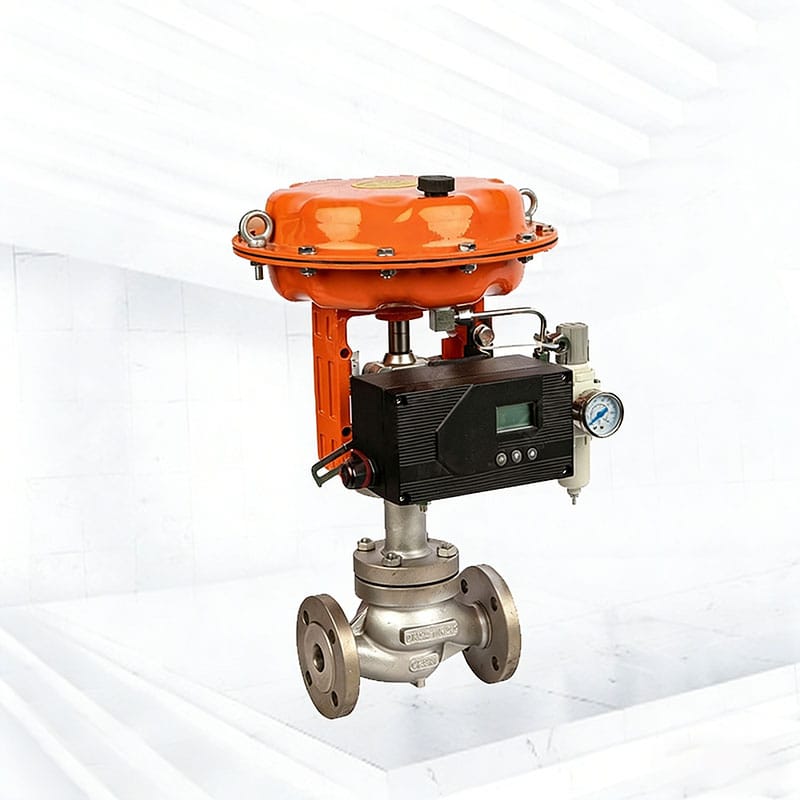
State actuator type, action, fail state, minimum and maximum utility supply, sizing margin basis, maximum allowable stem or shaft load, stroke time, cycling duty, ambient range, and manual override.
The control valve specification must allocate brackets, couplings, positioner, regulator, gauges, solenoid, switches, booster, volume tank, tubing, fittings, cables, connectors, and junction boxes. Undefined scope creates quotation gaps and site changes.
Specify signal, communication, diagnostics, hazardous-area, ingress-protection, material, and certification requirements. Use IECEx information only as an authoritative reference; actual approval depends on the supplied model and jurisdiction.
Turn Leakage and Performance into Testable Criteria
Translate performance into test conditions. For seat leakage, define standard, class or limit, test medium, pressure, direction, temperature, and valve position. For external leakage, define the assembled-valve method and cycles.
A control valve specification may also require full travel, calibration, deadband, hysteresis, resolution, fail time, step response, air consumption, or signature tests. State the setup and acceptance limit for each result.
Review the leakage class guide. General shell and seat testing may use ISO 5208 where contractually suitable.
List Inspection, Testing, and Hold Points
The control valve specification should create an inspection and test plan with review, witness, and hold points proportional to service risk. Possible points include drawing approval, material verification, welding, heat treatment, NDE, coating, assembly, pressure test, leakage test, calibration, dynamic test, and final inspection.
The control valve specification should identify who witnesses, required notice, acceptance record, test instruments, calibration status, and procedure approval. A witness point is ineffective if the required data and limit are undefined.
Require nonconformance reporting and approval before repair or substitution.
Control Supplier Deviations and Alternatives
The control valve specification should ask suppliers to submit a clause-by-clause response and a separate deviation list. Silence should not be treated as acceptance when the offer contains conflicting drawings or datasheets.
For a control valve specification, distinguish a compliant alternative from an exception. An alternative may improve performance with documented evidence; an exception removes or changes a requirement and needs project approval.
Keep technical and commercial scope changes traceable through revision control. Do not let a lower price hide omitted accessories, tests, or documents.
Specification Content by Document Type
| Document | Purpose | Typical content |
|---|---|---|
| Project specification | Common rules for all tags | Standards, quality, accessories, coating, documents |
| Tag datasheet | Process and tag requirements | Cases, sizing inputs, materials, fail state, tests |
| Supplier calculation | Demonstrate selection | Cv, travel, noise, cavitation, force or torque |
| Inspection plan | Define verification | Procedures, acceptance, witness and hold points |
| Deviation schedule | Expose differences | Clause, offered condition, effect, proposed resolution |
Use these documents together. A control valve specification should not rely on a single overloaded datasheet to carry every project rule and supplier result.
Final Documentation and Spares

Define the final dossier before purchase: approved datasheet, general arrangement, sectional drawing, bill of materials, calculations, certificates, inspection records, pressure and leakage results, calibration, configuration, manuals, and deviation closure.
A control valve specification should also define commissioning spares, two-year or operational spares if required, special tools, recommended maintenance parts, and storage instructions. Ask for manufacturer part numbers tied to the final bill of materials.
The control valve documentation guide can organize the handover package, while the spare-parts guide supports maintainability planning.
Frequently Asked Questions
How detailed should a control valve specification be?
Detailed enough to define performance, interfaces, verification, and scope, but not so prescriptive that it blocks a technically suitable design without reason.
Should the buyer specify the valve Cv?
The buyer should provide process cases and may state a preliminary requirement. Suppliers should return calculations, selected Cv, travel, and assumptions for review.
What is the best way to handle supplier deviations?
Require a separate clause-by-clause deviation schedule that explains technical and commercial effects and receives written disposition.
Are standard leakage classes enough?
Only when the standard, test medium, pressure, direction, temperature, and required seat are clear and appropriate to the real duty.
Which document controls after award?
The purchase order should define the document hierarchy. Approved tag datasheets, specifications, deviations, and drawings must be revision-controlled and consistent.
Build a Requirement That Can Be Verified
A strong control valve specification connects verified process data to measurable performance, explicit scope, suitable materials, defined tests, and traceable records. It makes supplier offers comparable and reduces commissioning surprises.
For specification support, send Phileda the process cases, project standards, materials, interfaces, test requirements, and document list through the contact page.