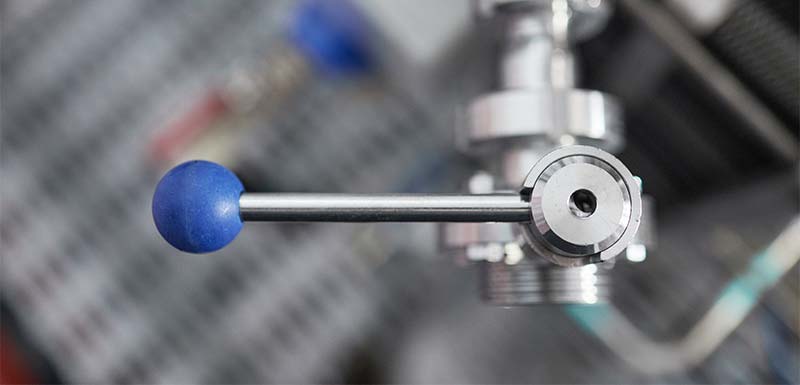
An electric control valve and a solenoid valve both use electrical power, but they may perform very different jobs. Choosing between them starts with the required process behavior: does the line need repeatable intermediate adjustment, or does it need to open and close?
This electric control valve vs solenoid valve guide compares a motor-actuated process valve with a conventional on/off solenoid valve. Proportional solenoid valves are a separate option discussed below. For the wider actuator decision, see our electric vs pneumatic control valve guide.
What Is the Main Difference?
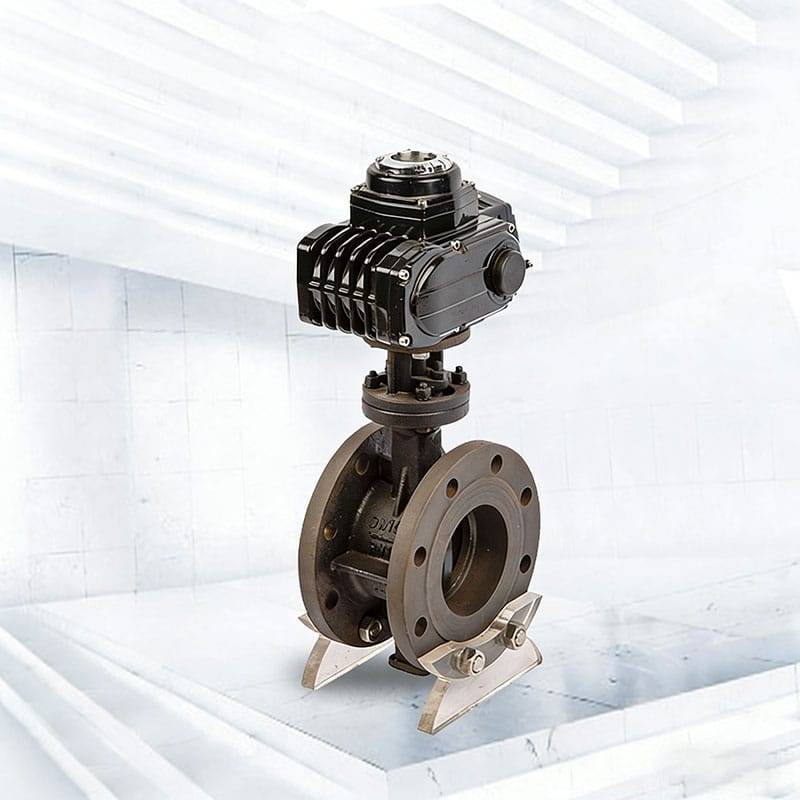
A motor-actuated valve uses an electric motor and transmission to move the valve stem or shaft. The assembly can be configured for on/off operation or, with a suitable actuator and valve, modulating service. A conventional solenoid valve uses an electromagnetic coil to operate a plunger or pilot mechanism and switch the flow path.
Bürkert’s solenoid valve tutorial distinguishes ordinary on/off solenoid operation from proportional control. The important purchasing distinction is therefore the complete valve’s documented function, rather than the fact that both devices have electrical connections.
Electric Control Valve vs Solenoid Valve: Quick Comparison
| Selection point | Motor-actuated process valve | Conventional on/off solenoid valve |
|---|---|---|
| Required duty | On/off or modulating, according to configuration | Switching between defined flow-path states |
| Command | Discrete, analog or digital interface, depending on actuator | Coil energization/de-energization, according to design |
| Intermediate position | Available with a suitable modulating assembly | Not the intended operating mode |
| Pressure review | Check valve rating, shutoff differential and actuator load | Check maximum and any minimum operating differential |
| Failure response | Depends on actuator, stored energy and configuration | Depends on normal state, construction and process conditions |
| Acceptance evidence | Travel, feedback, response and duty requirements | Switching, pressure envelope, coil rating and leakage requirements |
This table is a screening aid. It does not replace the selected model’s datasheet or establish a universal speed, pressure or leakage rating.
When Is an Electric Control Valve the Better Candidate?
Consider a modulating motor-actuated assembly when the process needs intermediate adjustment and the available electrical infrastructure suits the installation. Examples include varying a cooling-water branch or adjusting a process stream as demand changes. Specify the required behavior at minimum, normal and maximum conditions before choosing the valve body.
Confirm the actuator’s supported command, position feedback, operating duty and travel time. Belimo’s SV24A-MOD technical datasheet, for example, documents modulating control, communication interfaces, feedback and running time as separate characteristics. Those are model-specific details, not features that should be assumed for every electric actuator.
For the process side, review capacity and useful travel using the Cv and pressure-drop sizing guide. A correctly matched signal does not by itself establish that the valve is suitably sized.
When Is a Solenoid Valve the Better Candidate?
A conventional solenoid valve is a candidate when the required function is to admit, stop or redirect a compatible fluid through defined switching states. Start with the circuit function, then check the operating envelope of the actual model.
Direct-acting and pilot-operated constructions need different pressure checks. Some pilot-operated designs require a minimum differential pressure, while suitable direct-acting designs can operate at zero differential within their documented limits. Do not assume that a catalog maximum pressure also proves operation at startup or near equalized pressures.
Ask the supplier to confirm fluid and seal compatibility, allowable temperature, coil voltage and duty, flow direction and installation requirements. Record any dependence on filtration or pressure conditions in the enquiry rather than leaving it as an assumption.
What About Proportional Solenoid Valves?
Proportional solenoid valves are designed for adjustable operation and should not be confused with ordinary on/off types. Bürkert’s proportional valve overview describes both electromagnetic and motor-driven approaches.
If continuous adjustment is required, compare a proportional solenoid solution with a modulating motor-actuated assembly against the same duty. Ask what command electronics, feedback and controller are included. A position command and a measured process flow are different quantities; define which variable the system must actually regulate.
Three Questions to Resolve Before Ordering
1. What Must the Valve Do During Normal Operation?
Write a short functional statement before selecting a product family. “Open the water supply during a timed sequence” and “maintain outlet temperature as demand changes” describe different control tasks. Include required operating cases and the acceptance criteria for the task.
2. What Happens When Power or Signal Is Lost?
Request a written failure-response description for each relevant event. For a motor-actuated assembly, do not assume that loss of power moves the valve to a particular position. For a solenoid valve, confirm the de-energized flow path and the conditions under which the specified action is achieved. The required plant response should be approved separately from the supplier’s offered configuration.
3. How Will the Assembly Be Tested?
Agree what the inspection will demonstrate: commanded states or travel, feedback indication, leakage requirements and response under the specified conditions. Keep test results linked to the valve tag and supplied configuration. Avoid accepting a demonstration at one convenient condition as evidence for every operating case.
What Should Buyers Include in the RFQ?
- Valve tag, service description and required control function.
- Fluid, relevant properties and compatible-material requirements.
- Minimum, normal and maximum flow with corresponding inlet and outlet pressures.
- Operating and design temperatures, connections and installation constraints.
- Available electrical supply, command signal and required feedback.
- Required failure response, leakage acceptance and inspection scope.
Use our worked control valve datasheet example to organize the process cases. Ask bidders to identify assumptions and exceptions against the same revision so the quotations can be compared fairly.
Frequently Asked Questions
Is a solenoid valve an electric valve?
Yes, it is electrically actuated. In procurement, however, “electric control valve” often refers to a motor-actuated process valve. State the required mechanism and function to avoid ambiguity.
Can an ordinary solenoid valve regulate flow continuously?
An ordinary on/off valve is intended for switching states. If adjustable operation is required, specify and evaluate a proportional valve or another suitable modulating assembly.
Which option opens faster?
Compare the documented response of the actual assemblies. Specify opening and closing requirements under the relevant process conditions rather than choosing from a generic speed claim.
Does an electric actuator guarantee fail-closed operation?
No. Confirm the complete assembly’s response to loss of power and signal, including any required stored-energy arrangement and its limitations.
Choose the Control Function Before the Actuator Label
The useful choice between an electric control valve and a solenoid valve comes from the duty, operating envelope and required response. For a Phileda enquiry, send the process cases and control requirements together. The D941X electric butterfly valve is one existing product family to discuss where its documented configuration suits the application; final suitability requires review of the offered technical data.