Tabla de contenidos
Introducción
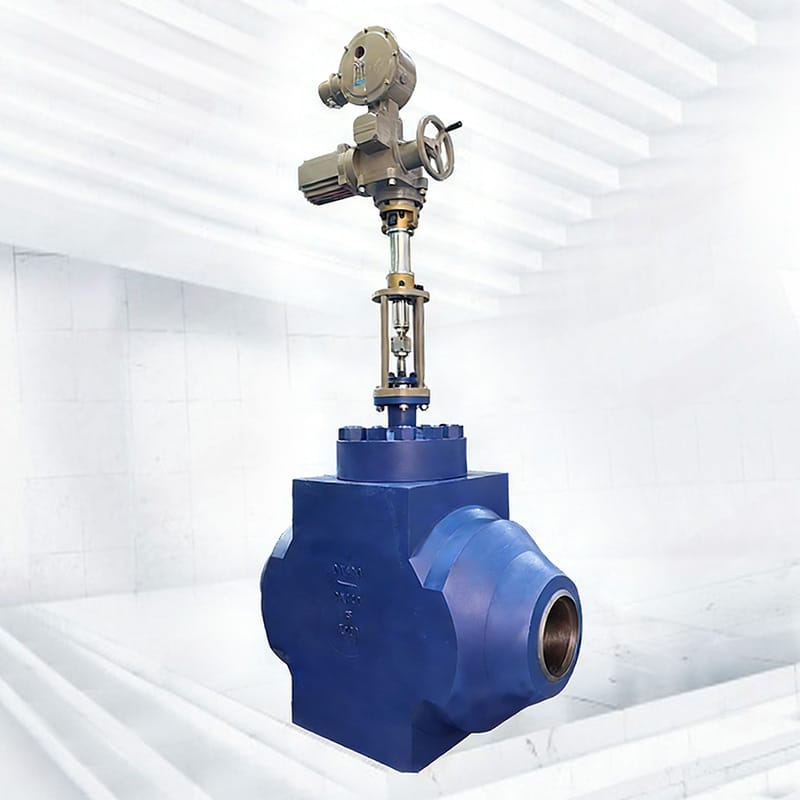
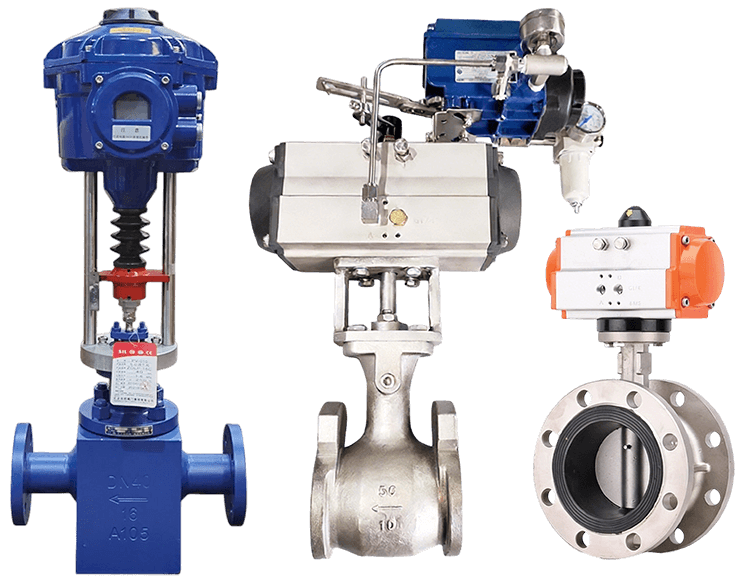
Una válvula de control de flujo accionada eléctricamente es un componente crítico en los sistemas de automatización industrial modernos, diseñado para regular el caudal, la presión y la dirección de líquidos o gases con alta precisión. Combina un cuerpo de válvula con un actuador eléctrico que recibe señales de control y ajusta la posición de la válvula automáticamente.
En comparación con las válvulas manuales o neumáticas, las válvulas de control de flujo accionadas eléctricamente ofrecen mayor precisión, integración más sencilla con los sistemas de control y eficiencia operativa mejorada. Se utilizan ampliamente en plantas de tratamiento de agua, sistemas HVAC, procesamiento químico, oleoductos y gasoductos y otros entornos industriales donde se requiere una regulación de flujo estable.
Desde una perspectiva de fabricación, el rendimiento constante depende en gran medida de la precisión del diseño, la selección de materiales y la confiabilidad del actuador. Como fabricante en este campo, publicar contenido técnico no se trata solo de compartir conocimientos sino también de mejorar la visibilidad de las búsquedas, atraer tráfico específico y generar consultas calificadas de compradores globales.
Cómo funciona la válvula de control de flujo accionada eléctricamente (principio de funcionamiento)
El principio de funcionamiento de una válvula de control de flujo accionada eléctricamente se basa en un sistema integrado de control eléctrico y movimiento mecánico.
Cuando se envía una señal de control (normalmente desde un PLC o sistema de automatización), el actuador eléctrico convierte esta señal en movimiento rotacional o lineal. Este movimiento ajusta la abertura de la válvula, lo que permite una regulación precisa del caudal.
Los pasos clave en la operación incluyen:
- Recepción de señal de control (4-20mA, 0-10V o señal digital)
- Activación del motor actuador
- Ajuste de posición del vástago o disco de la válvula
- Regulación de caudales basada en la demanda del sistema
- Señal de retroalimentación enviada para control de circuito cerrado
Este sistema de circuito cerrado garantiza una regulación precisa del flujo incluso en diferentes condiciones de presión, lo que lo hace adecuado para entornos industriales automatizados.
Componentes clave de una válvula de control de flujo accionada eléctricamente
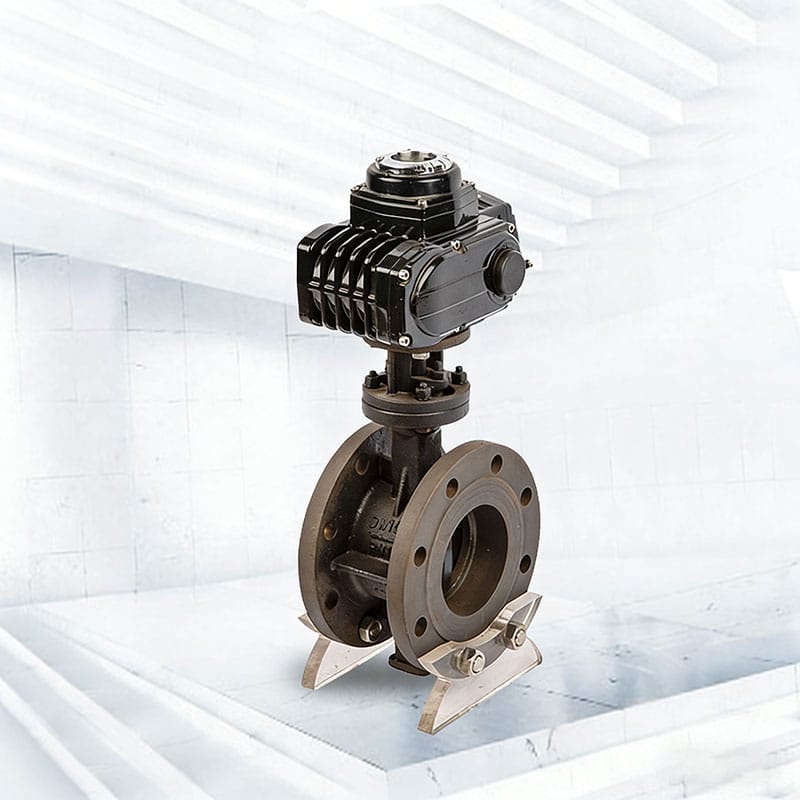
Un válvula de control de flujo accionada eléctricamente se compone de varios componentes diseñados con precisión que trabajan juntos para garantizar un rendimiento confiable.
- Unidad actuadora eléctrica (motor, caja de cambios, módulo de control)
- Cuerpo de válvula (válvula de bola, válvula de globo o tipo válvula de mariposa)
- Sistema de posicionamiento para una retroalimentación de control precisa
- Elementos de sellado para prevención de presiones y fugas
- Interfaz de conexión para integración de tuberías
Cada componente debe fabricarse bajo estrictas tolerancias para garantizar la estabilidad del sistema y una larga vida útil, especialmente en aplicaciones industriales de alta presión.
Por qué es importante la selección de materiales en la fabricación de válvulas de control de flujo eléctrico
La selección de materiales determina directamente la durabilidad, la resistencia a la corrosión y la estabilidad del rendimiento de la válvula.
Los materiales industriales comunes incluyen:
- Acero inoxidable (304/316) para resistencia a la corrosión
- Acero al carbono para aplicaciones industriales generales
- Materiales de aleación para ambientes de alta temperatura
- PTFE o materiales selladores de caucho para la prevención de fugas
La elección del material depende de los medios de trabajo, el rango de temperatura y las condiciones de presión. Una mala selección de materiales a menudo provoca fallas en las válvulas, fugas o una reducción de la vida útil operativa.
Aplicaciones de la válvula de control de flujo accionada eléctricamente en todas las industrias
Las válvulas de control de flujo accionadas eléctricamente se utilizan ampliamente en múltiples industrias debido a su capacidad de automatización y control de precisión.
| Industria | Ejemplo de aplicación | Requisito clave |
|---|---|---|
| Tratamiento de agua | Regulación de flujo en sistemas de filtración | Resistencia a la corrosión |
| Sistemas HVAC | Control de temperatura y flujo de aire | Eficiencia energética |
| Petróleo y gas | Control de presión de tuberías | Tolerancia a alta presión |
| Industria química | Control de dosificación y mezcla de fluidos | Resistencia química |
| Centrales eléctricas | Control del sistema de vapor y refrigeración | Estabilidad a altas temperaturas |
Estas aplicaciones requieren un rendimiento estable y una integración de automatización confiable, lo que hace que la fabricación de calidad sea esencial.
Ventajas de la válvula de control de flujo accionada eléctricamente sobre las válvulas tradicionales
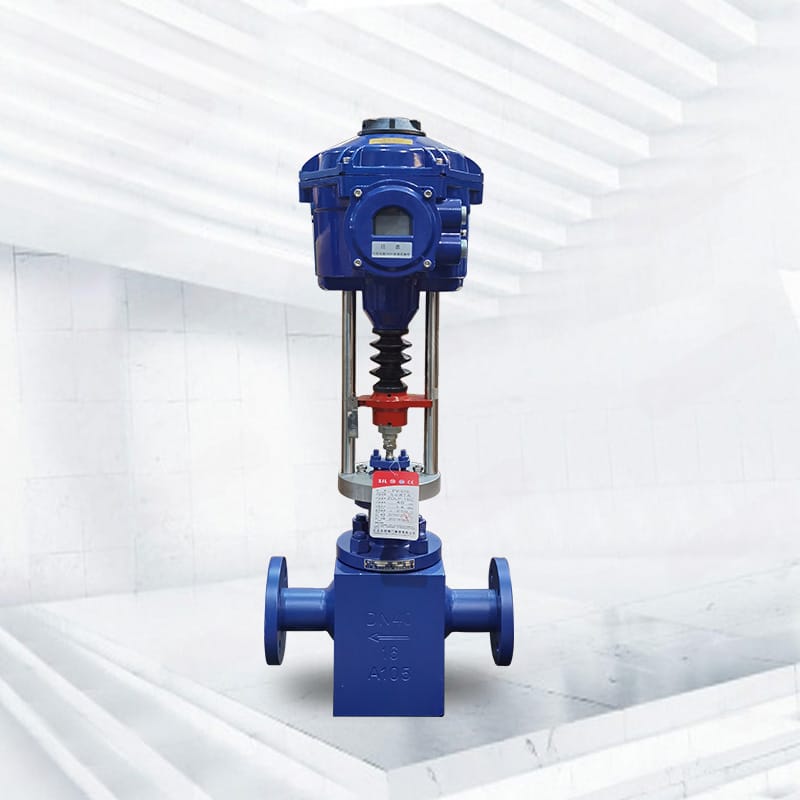
Comparado con válvulas manuales y neumáticas, válvulas de control de flujo accionadas eléctricamente proporcionar varias ventajas:
- Mayor precisión en la regulación del flujo
- Capacidad de operación remota y automatizada
- Reducción de los requisitos de mano de obra
- Integración más sencilla con sistemas de control inteligentes
- Mejora de la eficiencia energética y la estabilidad del sistema
Estos beneficios los convierten en la opción preferida en los sistemas de automatización industrial modernos.
Proceso de fabricación de válvulas de control de flujo accionadas eléctricamente (Factory Insight)
Como fabricante, la calidad de la producción determina directamente el rendimiento del producto y la competitividad del mercado.
El proceso de fabricación normalmente incluye:
- Inspección y selección de materias primas
- Mecanizado CNC para componentes de válvulas de alta precisión
- Montaje del cuerpo de válvula y sistema actuador
- Integración y calibración eléctrica
- Pruebas de presión e inspección de fugas
- Control final de calidad y embalaje
La producción OEM y personalizada también es común, lo que permite a los clientes solicitar configuraciones de actuadores, materiales o interfaces de control específicas.
Cómo elegir la válvula de control de flujo eléctrica adecuada para su proyecto
La selección de la válvula derecha depende de varios factores técnicos y operativos:
- Capacidad de flujo y diámetro de tubería
- Tipo de medio fluido o gaseoso
- Rango de presión y temperatura de funcionamiento
- Compatibilidad de tensión y señal de control del actuador
- Compatibilidad de materiales con el entorno laboral
Elegir un fabricante directo suele ser más beneficioso que trabajar con comerciantes, ya que garantiza un mejor soporte técnico, flexibilidad de personalización y precios estables.
Explicación de los factores de precio de las válvulas de control de flujo accionadas eléctricamente
Los precios están influenciados por múltiples factores técnicos y comerciales:
- Material de la válvula y complejidad estructural
- Tipo y calidad del actuador eléctrico
- Nivel de automatización e integración del sistema de control
- Cantidad de pedido y estructura mayorista
- Requisitos de ingeniería OEM o personalizados
Las válvulas industriales de alto rendimiento suelen costar más debido al mecanizado de precisión y a los sistemas de actuadores avanzados, pero ofrecen un mejor valor operativo a largo plazo.
Por qué elegir un fabricante mejora la calidad y la estabilidad del suministro
Trabajar directamente con un fabricante proporciona varias ventajas estratégicas:
- Precios directos de fábrica sin costos intermedios
- Mayor control sobre la calidad y consistencia del producto
- Plazos de producción y entrega más rápidos
- Soporte de ingeniería para proyectos personalizados
- Capacidad de suministro confiable a largo plazo
Para los compradores industriales, estos factores son fundamentales para mantener la estabilidad del sistema y reducir los riesgos operativos.
Soluciones OEM y personalizadas para Válvula de control de flujo accionada eléctricamente
Los fabricantes suelen proporcionar servicios OEM para cumplir con requisitos específicos del proyecto, que incluyen:
- Tamaño y estructura de válvula personalizados
- Opciones de etiquetado y marca privada
- Configuraciones especiales de actuadores
- Adaptaciones de ingeniería específicas de la industria
- Embalaje y documentación compatibles con la exportación
Esta flexibilidad es especialmente importante para distribuidores, contratistas de ingeniería e integradores de sistemas.
Problemas comunes y consejos de mantenimiento para la válvula de control de flujo eléctrico
Como cualquier equipo industrial, un mantenimiento adecuado es esencial para el rendimiento a largo plazo:
- Inspección periódica del tiempo de respuesta del actuador
- Comprobación de desgaste o fugas de los componentes de sellado
- Garantizar una entrada estable de señal eléctrica
- Limpieza del cuerpo de la válvula para evitar obstrucciones
- Calibración periódica del sistema de control
El mantenimiento preventivo extiende significativamente la vida útil y reduce el tiempo de inactividad del sistema.
Conclusión
Flujo accionado eléctricamente válvulas de control desempeña un papel esencial en la automatización industrial moderna, ya que ofrece una regulación precisa del flujo, una eficiencia mejorada del sistema y una integración perfecta con los sistemas de control.
Desde una perspectiva de fabricación, la calidad del producto depende de la precisión de la ingeniería, la selección de materiales y un estricto control de calidad durante toda la producción. Como fabricante, publicar contenido técnico y centrado en la industria ayuda a mejorar la visibilidad de la búsqueda, atraer tráfico orgánico específico y generar consultas globales calificadas.
Con la creciente demanda en las industrias de tratamiento de agua, HVAC, energía y química, las válvulas de control de flujo accionadas eléctricamente siguen siendo una solución central para sistemas de gestión de flujo eficientes e inteligentes.
Preguntas frecuentes
¿Para qué se utiliza una válvula de control de flujo accionada eléctricamente?
Se utiliza una válvula de control de flujo accionada eléctricamente para regular automáticamente el caudal, la presión o la dirección de líquidos y gases en sistemas industriales. Se aplica ampliamente en HVAC, tratamiento de agua, procesamiento químico, oleoductos y gasoductos, y sistemas de automatización donde se requiere un control de flujo preciso.
¿Cómo funciona una válvula de control de flujo accionada eléctricamente?
Funciona recibiendo una señal eléctrica de un sistema de control como un PLC. El actuador eléctrico convierte la señal en movimiento mecánico, ajustando la abertura de la válvula para controlar el flujo. Un sistema de retroalimentación garantiza una regulación precisa y estable en tiempo real.
¿cuáles son las ventajas de utilizar un flujo accionado eléctricamente válvula de control?
Las ventajas clave incluyen control de alta precisión, capacidad de automatización remota, operación manual reducida, fácil integración del sistema y eficiencia energética mejorada. Estas características lo hacen ideal para sistemas de automatización industrial modernos.
¿Qué industrias utilizan comúnmente válvulas de control de flujo accionadas eléctricamente?
Se utilizan comúnmente en plantas de tratamiento de agua, sistemas HVAC, operaciones de petróleo y gas, procesamiento químico, generación de energía y sistemas de automatización industrial donde es esencial una regulación de flujo estable y precisa.
¿Qué debo considerar al elegir una válvula de control de flujo accionada eléctricamente?
Los factores importantes incluyen la capacidad de flujo, la presión de trabajo, el tipo de medio, el material de la válvula, el tipo de señal de control del actuador y la compatibilidad del sistema. Elegir un fabricante directo también puede garantizar una mejor personalización, control de calidad y soporte técnico.