Table des matières
Introduction
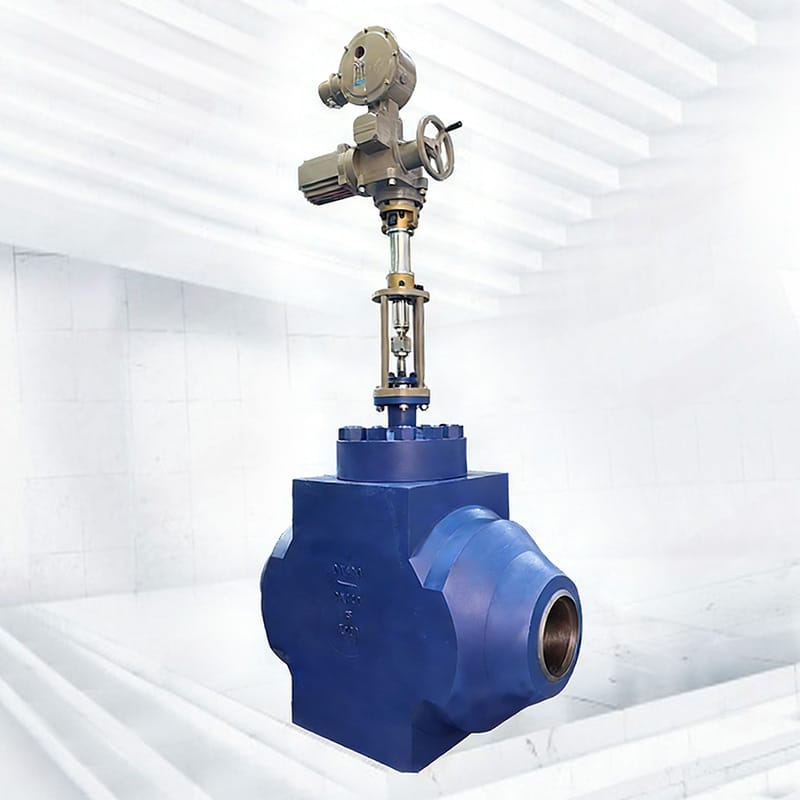
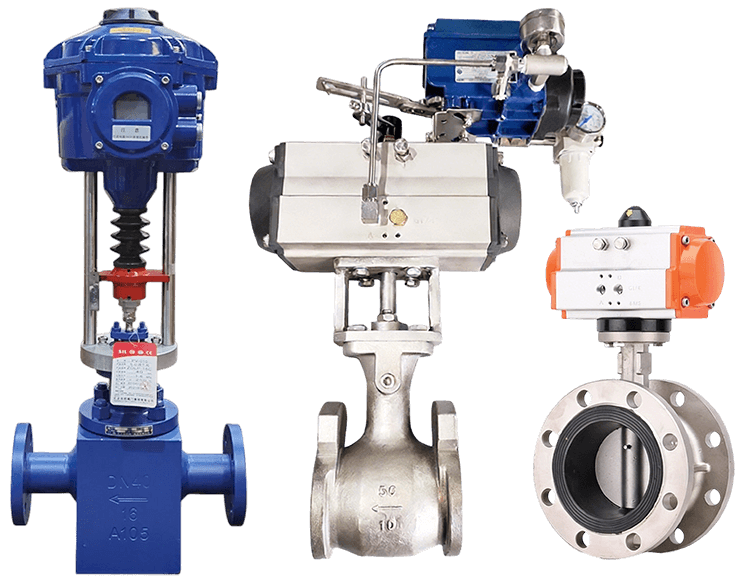
Une vanne de régulation de débit actionnée électrique est un composant critique dans les systèmes d'automatisation industrielle modernes, conçue pour réguler le débit, la pression et la direction des liquides ou des gaz avec une grande précision. Il combine un corps de vanne avec un actionneur électrique qui reçoit les signaux de commande et ajuste automatiquement la position de la vanne.
Comparées aux vannes manuelles ou pneumatiques, les vannes de régulation de débit actionnées par l'électricité offrent une précision plus élevée, une intégration plus facile avec les systèmes de contrôle et une efficacité opérationnelle améliorée. Elles sont largement utilisées dans les usines de traitement de l’eau, les systèmes CVC, le traitement chimique, les oléoducs et gazoducs et d’autres environnements industriels où une régulation stable du débit est requise.
Du point de vue de la fabrication, la performance constante dépend fortement de la précision de la conception, de la sélection des matériaux et de la fiabilité des actionneurs. En tant que fabricant dans ce domaine, la publication de contenu technique ne consiste pas seulement à partager des connaissances mais également à améliorer la visibilité de la recherche, à attirer un trafic ciblé et à générer des demandes qualifiées de la part des acheteurs mondiaux.
Comment fonctionne la vanne de régulation de débit actionnée électrique (principe de fonctionnement)
Le principe de fonctionnement d'une vanne de régulation de débit actionnée électrique repose sur un système intégré de commande électrique et de mouvement mécanique.
Lorsqu'un signal de commande est envoyé (généralement à partir d'un automate ou d'un système d'automatisation), l'actionneur électrique convertit ce signal en mouvement de rotation ou linéaire. Ce mouvement ajuste l'ouverture de la vanne, permettant une régulation précise du débit.
Les étapes clés du fonctionnement comprennent :
- Réception du signal de commande (420 mA, 010 V ou signal numérique)
- Activation du moteur de l'actionneur
- Réglage de la position de la tige ou du disque de soupape
- Régulation du débit en fonction de la demande du système
- Signal de rétroaction renvoyé pour un contrôle en boucle fermée
Ce système en boucle fermée garantit une régulation précise du débit même dans des conditions de pression variables, ce qui le rend adapté aux environnements industriels automatisés.
Composants clés d'une vanne de régulation de débit électrique actionnée
Un vanne de régulation de débit actionnée par l'électricité est composé de plusieurs composants conçus avec précision qui fonctionnent ensemble pour garantir des performances fiables.
- Unité d'actionneur électrique (moteur, boîte de vitesses, module de commande)
- Corps de vanne (type vanne à bille, vanne à clapet ou vanne papillon)
- Système de positionnement pour un retour de contrôle précis
- Éléments d'étanchéité pour la prévention de la pression et des fuites
- Interface de connexion pour l'intégration de pipeline
Chaque composant doit être fabriqué selon des tolérances strictes pour garantir la stabilité du système et une longue durée de vie, en particulier dans les applications industrielles à haute pression.
Pourquoi la sélection des matériaux est importante dans la fabrication de vannes de régulation de débit électrique
La sélection des matériaux détermine directement la durabilité, la résistance à la corrosion et la stabilité des performances de la vanne.
Les matériaux industriels courants comprennent :
- Acier inoxydable (304/316) pour la résistance à la corrosion
- Acier au carbone pour applications industrielles générales
- Matériaux en alliage pour environnements à haute température
- PTFE ou matériaux d'étanchéité en caoutchouc pour la prévention des fuites
Le choix du matériau dépend du support de travail, de la plage de température et des conditions de pression. Une mauvaise sélection des matériaux entraîne souvent une défaillance de la vanne, des fuites ou une durée de vie opérationnelle réduite.
Applications de la vanne de régulation de débit électrique actionnée dans tous les secteurs
Les vannes de régulation de débit à actionnement électrique sont largement utilisées dans plusieurs secteurs en raison de leur capacité d'automatisation et de leur contrôle de précision.
| Industrie | Exemple d'application | Exigence clé |
|---|---|---|
| Traitement de l'eau | Régulation du débit dans les systèmes de filtration | Résistance à la corrosion |
| Systèmes CVC | Contrôle de la température et du débit d'air | Efficacité énergétique |
| Pétrole et gaz | Contrôle de pression des pipelines | Tolérance haute pression |
| Industrie chimique | Contrôle du dosage et du mélange des fluides | Résistance chimique |
| Centrales électriques | Contrôle de la vapeur et du système de refroidissement | Stabilité à haute température |
Ces applications nécessitent des performances stables et une intégration fiable de l'automatisation, ce qui rend une fabrication de qualité essentielle.
Avantages de la vanne de régulation de débit électrique actionnée par rapport aux vannes traditionnelles
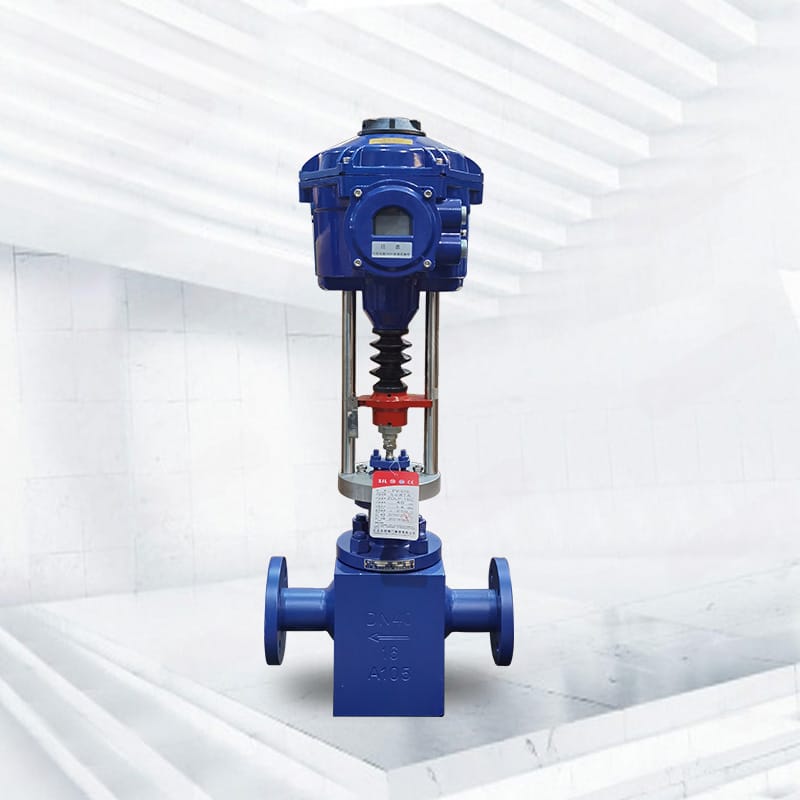
Par rapport aux vannes manuelles et pneumatiques, vannes de régulation de débit à actionnement électrique apporter plusieurs avantages :
- Une précision plus élevée dans la régulation du débit
- Capacité d'opération à distance et automatisée
- Réduction des besoins en main-d'œuvre manuelle
- Intégration plus facile avec les systèmes de contrôle intelligents
- Amélioration de l'efficacité énergétique et de la stabilité du système
Ces avantages en font un choix privilégié dans les systèmes d'automatisation industrielle modernes.
Processus de fabrication de vannes de régulation de débit actionnées électriques (Factory Insight)
En tant que fabricant, la qualité de la production détermine directement les performances des produits et la compétitivité du marché.
Le procédé de fabrication comprend typiquement
- Inspection et sélection des matières premières
- Usinage CNC pour composants de vannes de haute précision
- Assemblage du corps de vanne et du système d'actionneur
- Intégration électrique et calibrage
- Tests de pression et inspection des fuites
- Contrôle de qualité final et emballage
La production OEM et personnalisée est également courante, permettant aux clients de demander des configurations d'actionneurs, des matériaux ou des interfaces de contrôle spécifiques.
Comment choisir la bonne vanne de régulation de débit électrique actionnée pour votre projet
La sélection de la bonne vanne dépend de plusieurs facteurs techniques et opérationnels :
- Capacité de débit et diamètre du pipeline
- Type de fluide ou de milieu gazeux
- Pression de fonctionnement et plage de température
- Compatibilité de la tension de l'actionneur et du signal de commande
- Compatibilité des matériaux avec l'environnement de travail
Choisir un fabricant direct est souvent plus avantageux que de travailler avec des traders, car cela garantit un meilleur support technique, une flexibilité de personnalisation et des prix stables.
Facteurs de prix des vannes de régulation de débit actionnées électriques expliqués
La tarification est influencée par de multiples facteurs techniques et commerciaux :
- Complexité du matériau et de la structure de la vanne
- Type et qualité de l'actionneur électrique
- Niveau d'automatisation et d'intégration du système de contrôle
- Quantité de commande et structure de gros
- Exigences d'ingénierie OEM ou personnalisées
Les vannes industrielles hautes performances coûtent généralement plus cher grâce à l'usinage de précision et aux systèmes d'actionneurs avancés, mais elles offrent une meilleure valeur opérationnelle à long terme.
Pourquoi choisir un fabricant améliore la qualité et la stabilité de l'approvisionnement
Travailler directement avec un fabricant offre plusieurs avantages stratégiques :
- Tarification directe usine sans frais intermédiaires
- Un contrôle plus fort sur la qualité et la cohérence des produits
- Délais de production et de livraison plus rapides
- Support d'ingénierie pour des projets personnalisés
- Capacité d'approvisionnement fiable à long terme
Pour les acheteurs industriels, ces facteurs sont essentiels au maintien de la stabilité du système et à la réduction des risques opérationnels.
OEM et Solutions Personnalisées pour Vanne de régulation de débit actionnée électrique
Les fabricants fournissent souvent des services OEM pour répondre aux exigences spécifiques du projet, notamment
- Taille et structure de vanne personnalisées
- Options privées d'étiquetage et de marque
- Configurations spéciales d'actionneurs
- Adaptations techniques spécifiques à l’industrie
- Emballage et documentation conformes à l'exportation
Cette flexibilité est particulièrement importante pour les distributeurs, les entrepreneurs en ingénierie et les intégrateurs de systèmes.
Problèmes courants et conseils de maintenance pour la vanne de régulation de débit électrique
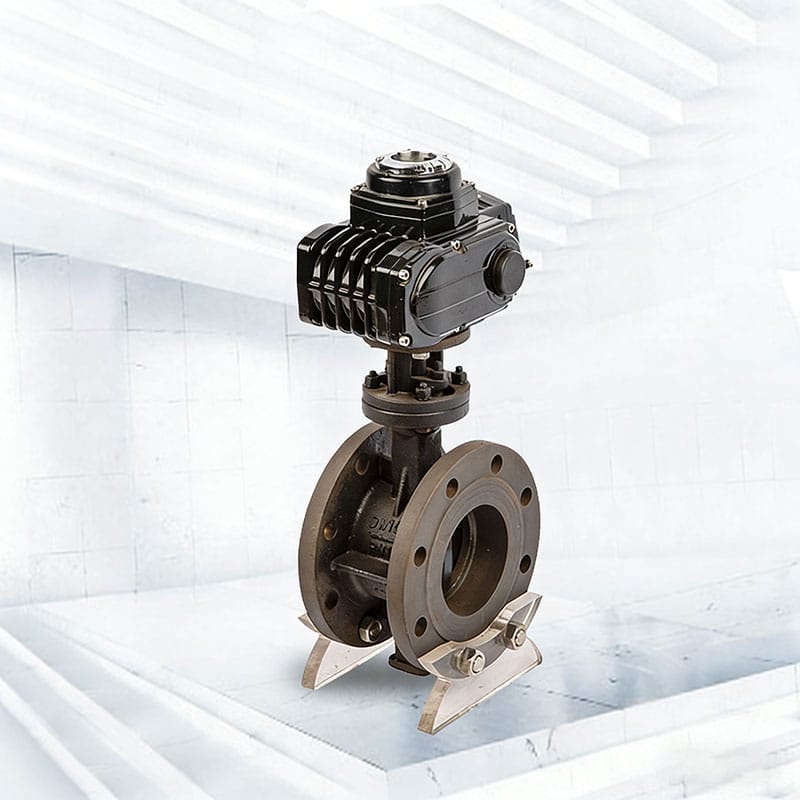
Comme tout équipement industriel, un bon entretien est essentiel pour une performance à long terme :
- Inspection régulière du temps de réponse de l'actionneur
- Vérification de l'usure ou des fuites des composants d'étanchéité
- Assurer une entrée de signal électrique stable
- Corps de vanne de nettoyage pour éviter tout blocage
- Calibrage périodique du système de contrôle
La maintenance préventive prolonge considérablement la durée de vie et réduit les temps d'arrêt du système.
Conclusion
Flux actionné électrique vannes de commande jouer un rôle essentiel dans l'automatisation industrielle moderne, en offrant une régulation précise des flux, une efficacité améliorée du système et une intégration transparente avec les systèmes de contrôle.
Du point de vue de la fabrication, la qualité du produit dépend de la précision de l'ingénierie, de la sélection des matériaux et d'un contrôle de qualité strict tout au long de la production. En tant que fabricant, la publication de contenu technique et axé sur l’industrie contribue à améliorer la visibilité de la recherche, à attirer un trafic organique ciblé et à générer des demandes mondiales qualifiées.
Avec la demande croissante dans les industries du traitement de l’eau, du CVC, de l’énergie et de la chimie, les vannes de régulation de débit à commande électrique continuent d’être une solution essentielle pour des systèmes de gestion de débit efficaces et intelligents.
FAQ
À quoi sert une vanne de régulation de débit actionnée électrique ?
Une vanne de régulation de débit actionnée par l'électricité est utilisée pour réguler automatiquement le débit, la pression ou la direction des liquides et des gaz dans les systèmes industriels. Elle est largement appliquée dans les systèmes CVC, de traitement de l'eau, de traitement chimique, de oléoducs et de gazoducs et d'automatisation où un contrôle précis du débit est requis.
Comment fonctionne une vanne de régulation de débit actionnée électrique ?
Il fonctionne en recevant un signal électrique d'un système de commande tel qu'un automate L'actionneur électrique convertit le signal en mouvement mécanique, en ajustant l'ouverture de la vanne pour contrôler le débit Un système de rétroaction assure une régulation précise et stable en temps réel.
Quels sont les avantages de l'utilisation d'un flux actionné électrique vanne de régulation?
Les principaux avantages incluent un contrôle de haute précision, une capacité d'automatisation à distance, un fonctionnement manuel réduit, une intégration facile du système et une efficacité énergétique améliorée. Ces fonctionnalités le rendent idéal pour les systèmes d’automatisation industrielle modernes.
Quelles industries utilisent couramment des vannes de régulation de débit à commande électrique ?
Ils sont couramment utilisés dans les usines de traitement de l’eau, les systèmes CVC, les opérations pétrolières et gazières, le traitement chimique, la production d’électricité et les systèmes d’automatisation industrielle où une régulation stable et précise des débits est essentielle.
Que dois-je prendre en compte lors du choix d’une vanne de régulation de débit à commande électrique ?
Les facteurs importants comprennent la capacité de débit, la pression de service, le type de support, le matériau de la vanne, le type de signal de commande de l'actionneur et la compatibilité du système. Choisir un fabricant direct peut également garantir une meilleure personnalisation, un meilleur contrôle qualité et un meilleur support technique.