Solutions
- Maison
- Solutions
Oil refining industry
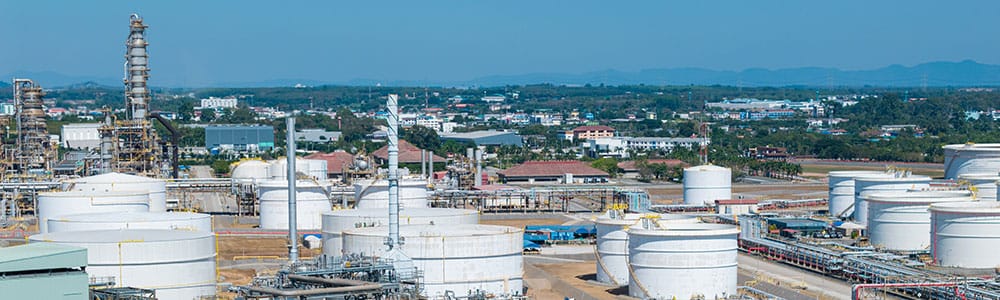
The refining industry operates under extreme pressure, temperature, and safety requirements, where process stability and control accuracy are essential. Control valves play a critical role in ensuring continuous operation, product quality, and plant safety throughout the refining process.
Industry Sector
- Pétrole
- Hydrogenation in the petroleum refining industry
- Delayed coking
- Catalyst regeneration
- Sulfur recovery
Case Study
Original Fault Symptom
After running for a period of time, the control valve flow rate decreased, and the valve opening increased.
Cause: The flow passages in the multi-stage control valve cage are 4mm x 4mm labyrinth channels. The impurities in the pipeline, mostly sand and iron particles, become lodged in these channels under high pressure, causing blockages.
Solution
The flow passages in the multi-stage valve core cage were modified to 6mm x 4mm labyrinth channels to reduce the number of pressure reduction stages. Additionally, a filter valve was installed upstream of the control valve.
After the modification, the valve operated correctly.
Petrochemical industry
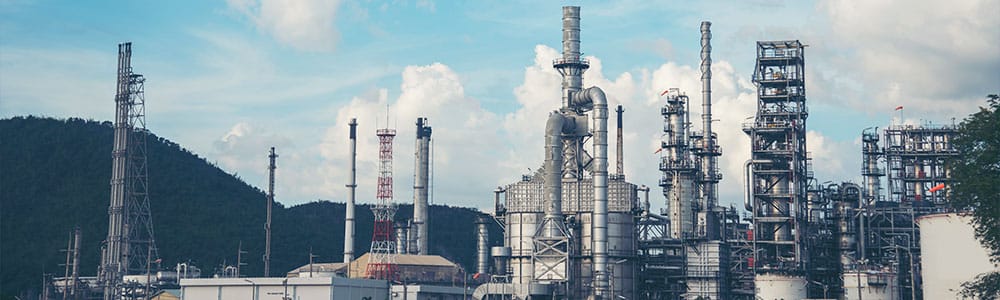
The petrochemical industry operates under complex and demanding process conditions, requiring highly reliable, precise, and safe flow control. Control valves play a critical role in ensuring stable operation across production units involving high pressure, high temperature, and corrosive media.
Industry Sector
- Petrochemicals
- Fine chemicals
- Basic chemicals
- Gasification equipment
- PP or PE, MTO, DMTO
- Coal transportation pipelines
Case Study
Modification Project of Flow Characteristics for Control Valves at the Catalyst Unit Feed Inlet.
Problem
The control valve is installed at the raw material inlet. Precise control of the raw material flow is required, especially when the flow rate is in the range of 60-70 tons, with adjustments of 0.5 tons at a time. Due to the high precision requirements, the valve experiences 5%-10% fluctuations in automatic operation mode, affecting the end user’s normal production. The user can only switch to manual operation mode, but even then, the valve position can only be set with an accuracy of 0.5%. Even with this, precise adjustment is not possible due to the dead zone of the positioner and the inherent deviations of the valve itself.
Solution
The flow characteristics were modified as follows: equal percentage when the flow rate is below 33 tons; linear when the flow rate is between 60 and 70 tons; and equal percentage when the flow rate is above 70 tons. This meets the adjustment needs for both low and high flow rates, and also satisfies the precise adjustment requirements for valve opening between 56% and 75% when the flow rate is in the 60-70 ton range, thus solving the problem of the diaphragm design’s flow characteristics.
Liquefied natural gas
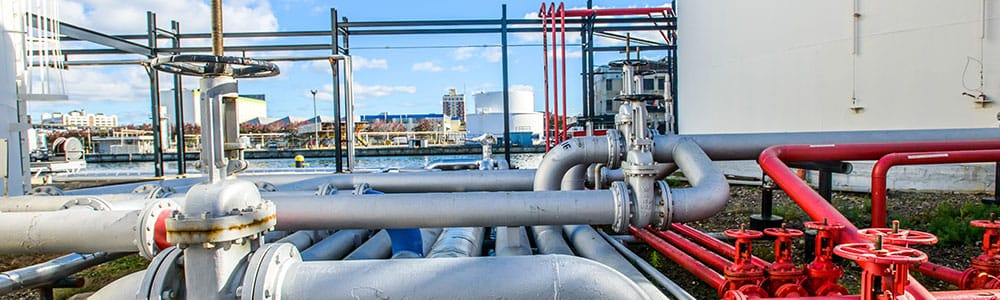
Liquefied Natural Gas processes involve extreme low temperatures, high safety requirements, and strict control precision. Reliable control valves are essential to ensure stable operation during liquefaction, storage, transportation, and regasification.
Industry Sector
- Pipelines
- Oil and gas stations
- Natural gas stations
- Liquefied natural gas pipelines
- Liquefied natural gas stations
- Liquefied natural gas stations
Case Study
Shaanxi Coalbed Methane 60,000 Nm³/h Natural Gas Liquefaction Plant
1. The raw gas purification equipment purifies the raw gas to ensure its acidic gas content meets process requirements. This purification process is simple to operate, energy-efficient, and widely applicable to various common natural gas sources. Its main application is a multi-stage control valve, which facilitates the control of natural gas sources containing impurities.
2. Natural gas liquefaction utilizes a high-pressure refrigerant, achieving liquefaction through the adiabatic expansion process of a Claude cycle refrigeration system using a turboexpander. As the gas expands and cools in the expander, the output work drives the compressor. The nitrogen expansion cycle process is simple and compact, with relatively low costs. This process starts quickly, reaching full load production within 2-4 hours after hot start-up. It is flexible, highly adaptable, easy to operate and control, and highly safe, posing no fire or explosion hazard during venting.
Main Features of the Equipment
• The equipment is highly intelligent and integrated.
• Innovative purification technology, lower energy consumption, and smaller equipment.
• Modular design with integrated utilities and containerized control.
• Each module is controlled by a PLC, which communicates with the host via TCP/IP protocol, reducing instrumentation wiring.
• Complete control scheme, simple operation, and stable performance.
Related product recommendations
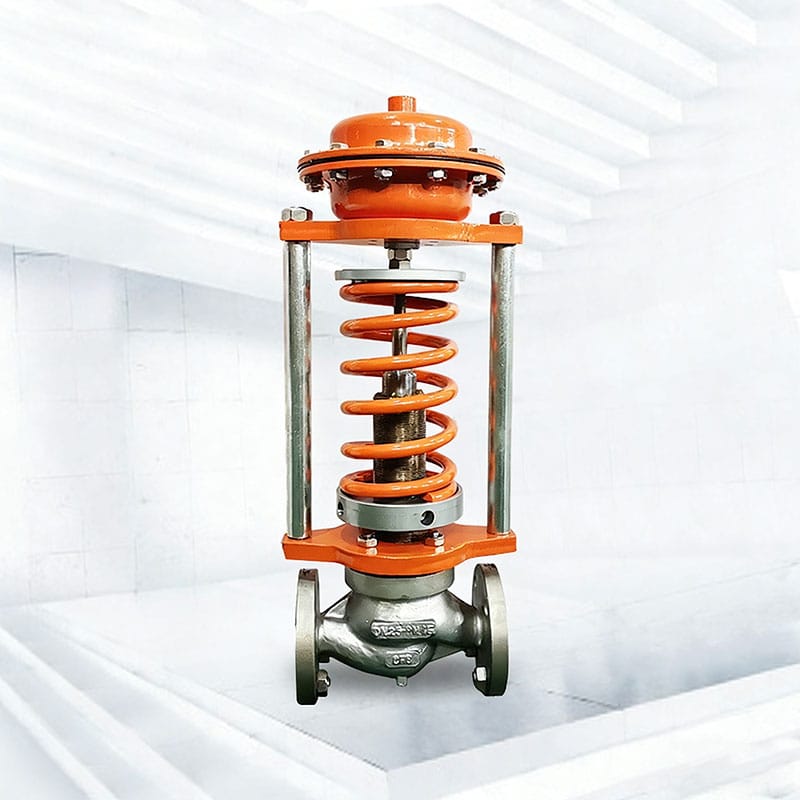
ZZY Series Self Operated Pressure Regulating Valve
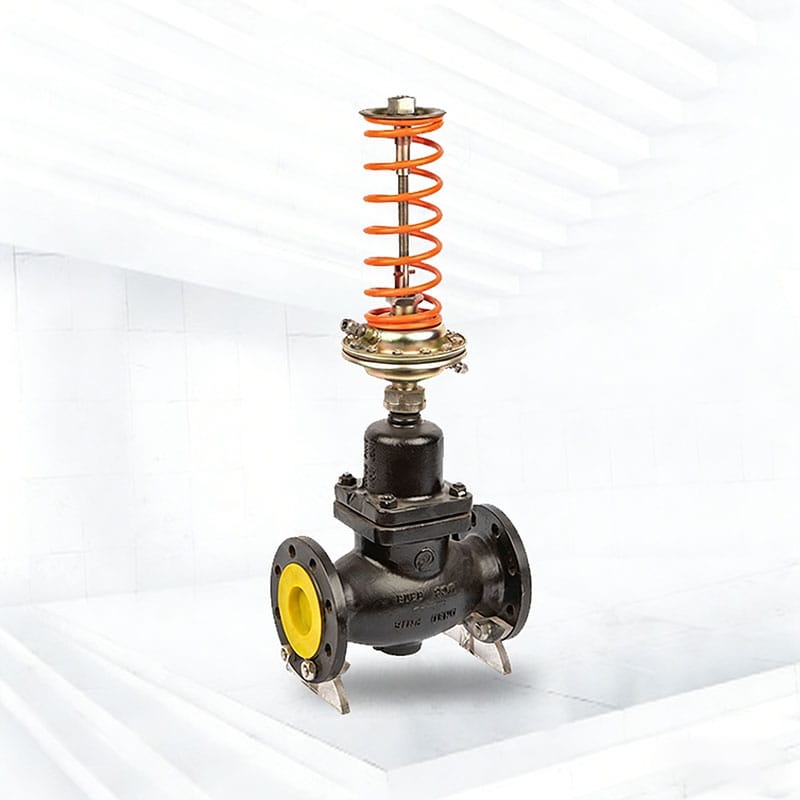
Self Operated Pressure Control Valve
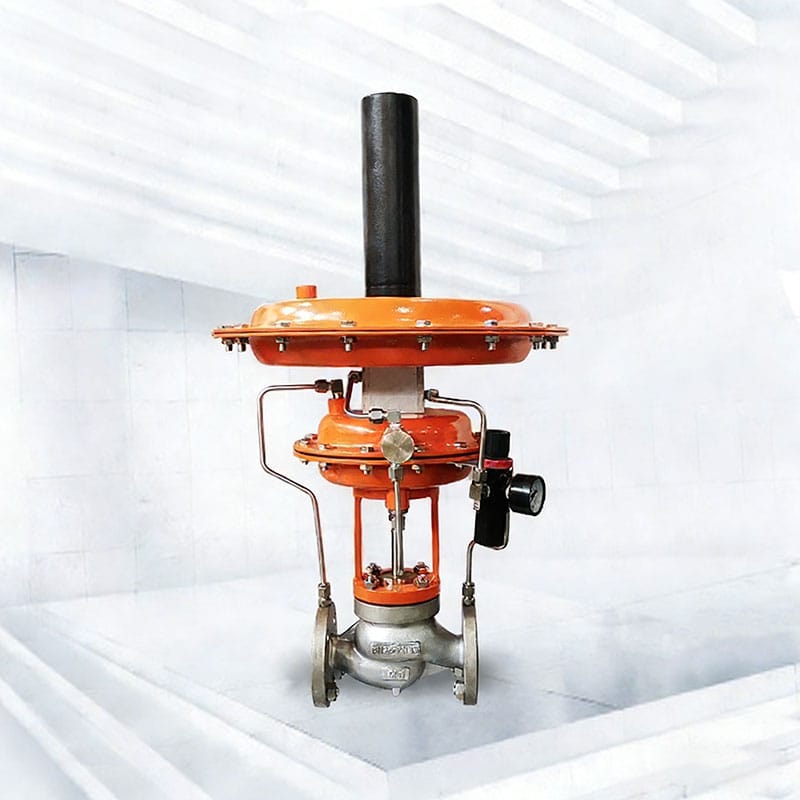
Self Operated Micro Pressure Regulating Valve
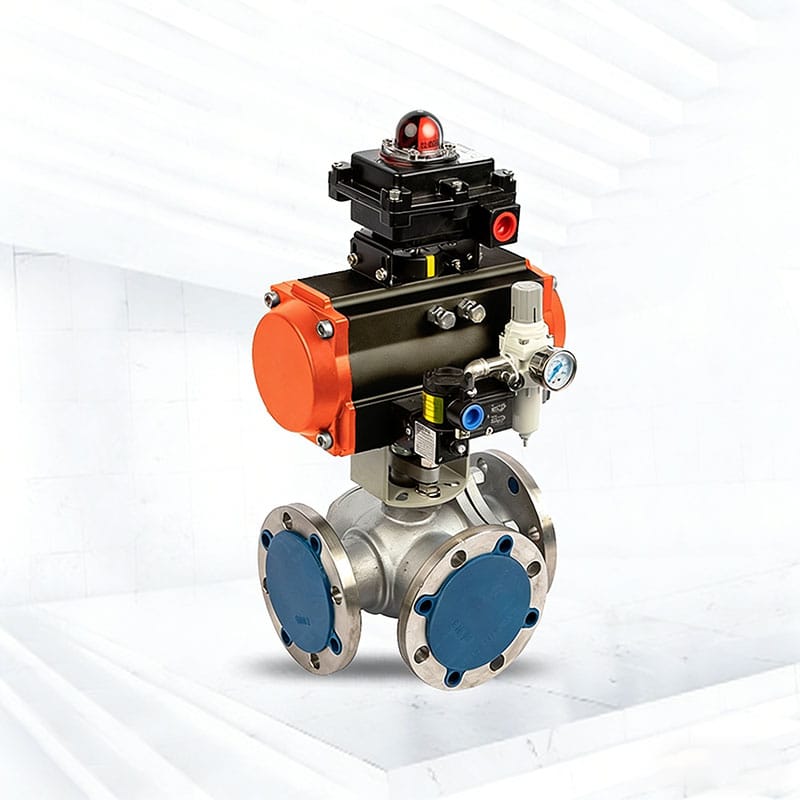
Pneumatic Three Way Ball Valve
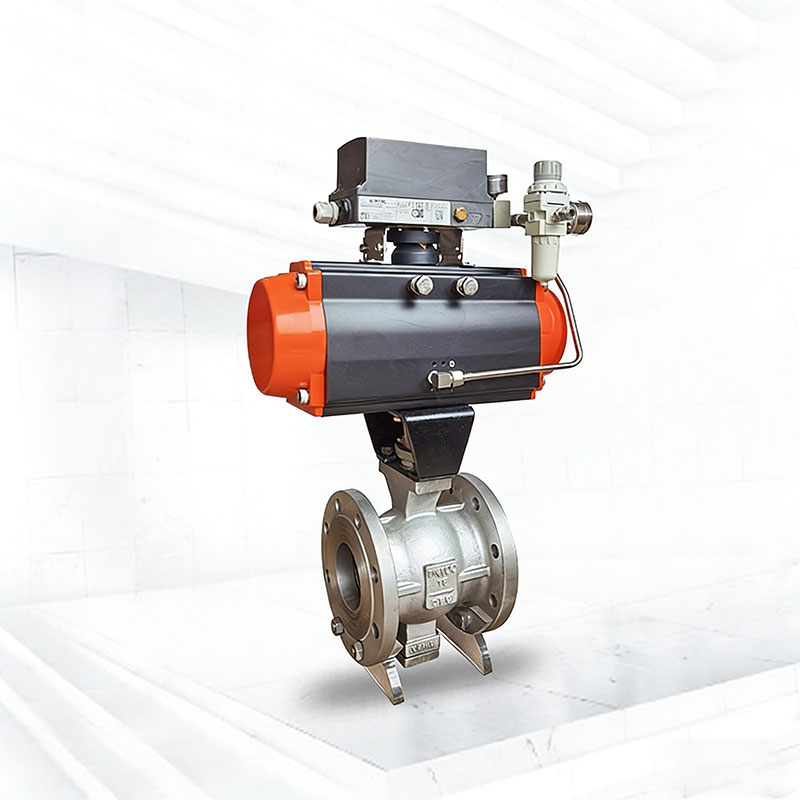
Pneumatic V Port Control Ball Valve