Control valves for water treatment cannot be selected as one standard plant package. Raw-water intake, coagulant dosing, filter control, membrane trains, disinfection, backwash, sludge handling, and treated-water distribution impose different requirements for rangeability, materials, pressure recovery, solids passage, fail action, and cycling.
Reliable control valves for water treatment are selected by unit process and operating scenario. The same nominal water line can contain abrasive grit, corrosive chemicals, entrained air, biological solids, or high-purity permeate. A design that works on clean treated water may fail quickly on sludge or chemical dosing.
This guide helps water and wastewater engineers group valve duties, collect sizing data, choose valve and actuator features, and build commissioning records that support stable operation and maintainable assets.
Table of Contents
Divide the Plant into Distinct Valve Duties

For control valves for water treatment, create a service register before standardizing valve types. For every tag, identify the unit operation, control objective, fluid composition, solids, pressure source, downstream destination, normal travel, cycling frequency, fail consequence, and maintenance access.
For control valves for water treatment, separate continuous modulation from sequencing and isolation. A filter-rate controller needs smooth installed response, while a backwash valve needs repeatable timed movement and may spend most of its life fully open or closed.
When planning control valves for water treatment, standardize interfaces such as signals, diagnostics, mounting, and spares where duties are compatible. Do not force the same seat, trim, or body geometry into chemically or hydraulically different services.
Raw Water and Intake Service
For control valves for water treatment, intake and raw-water streams can contain sand, silt, leaves, biological growth, and seasonal chemistry changes. Large valves may operate at moderate pressure but face high cycle counts, outdoor exposure, submergence, or poor access.
During selection of control valves for water treatment intake service, check particle passage, disc or ball torque, bearing protection, coating continuity, flow direction, and low-temperature or marine exposure. Avoid normal operation at very small openings where a concentrated jet can erode the valve or downstream pipe.
Review screens, pumps, and pipe velocity as one hydraulic system. A valve cannot solve upstream debris loading or persistent sediment deposition.
Chemical Dosing Needs Accuracy and Compatibility
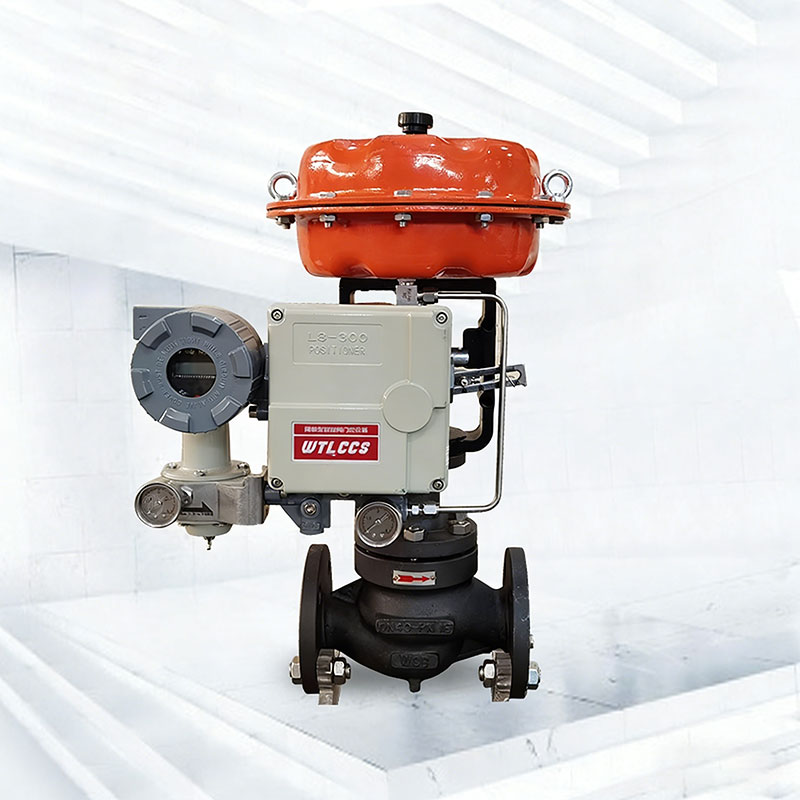
When specifying control valves for water treatment, coagulants, acids, alkalis, disinfectants, polymers, and cleaning chemicals require concentration-specific materials review. Dosing range may span plant flow changes, seasonal demand, and batch preparation, making minimum controllable flow as important as maximum capacity.
Control valves for water treatment chemical dosing should have compatible wetted parts, predictable low-flow resolution, minimal dead volume, safe containment, and accessible flushing. Verify pump pulsation, upstream pressure, injection-point backpressure, and whether the fluid crystallizes or polymerizes during shutdown.
Use exact chemical composition and temperature. The material selection guide and CDC water-treatment information provide context, but the chemical supplier and project materials authority should confirm compatibility.
Filter and Membrane Trains Create Sequencing Demands
For control valves for water treatment, filter flow control changes as media head loss rises. Membrane systems can require pressure, concentrate, permeate, flush, and clean-in-place valves with strict sequencing. The installed pressure drop is dynamic, so catalog Cv alone does not predict behavior.
For control valves for water treatment filters, calculate clean-bed, dirty-bed, low-flow, maximum-flow, and transition cases. Ensure the valve maintains useful travel throughout the run. Oversizing can make early-cycle control sensitive and create abrupt movement.
Membrane trains need materials compatible with feed water and cleaning solutions. Sequence valves and pumps to prevent pressure shocks, reverse flow, or membrane damage.
Backwash and Air-Scour Valves Must Move Reliably
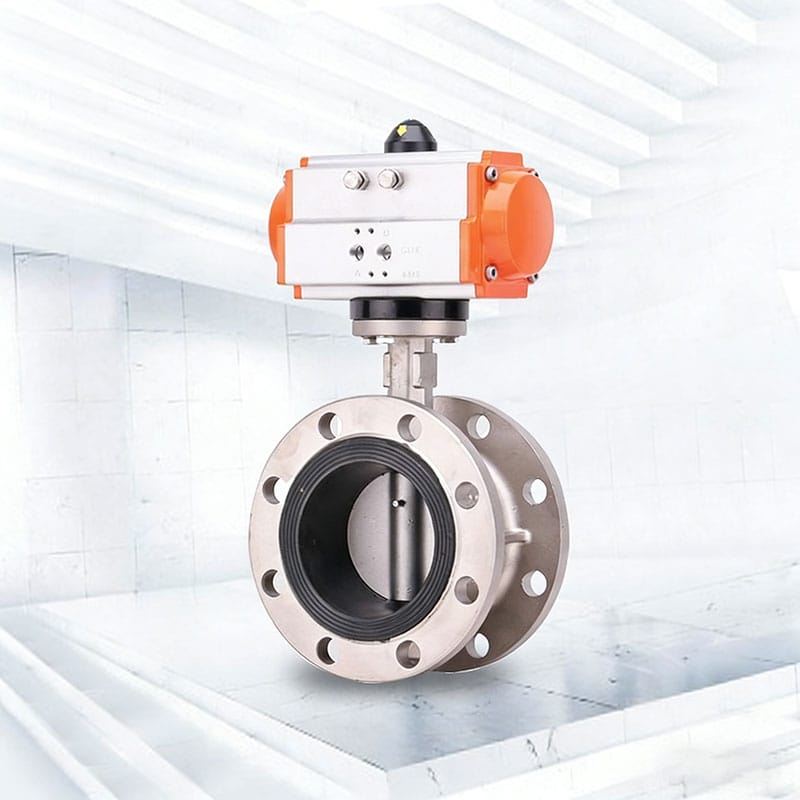
Control valves for water treatment backwash may need rapid, repeatable strokes after long periods at rest. Air-scour and wash-water sequences depend on correct order, limit feedback, and travel time. A valve that reaches the end position too slowly can disturb bed expansion or create a transient.
During selection of control valves for water treatment backwash duty, verify breakaway torque after rest, minimum dynamic air pressure, solenoid and exhaust capacity, fail state, position switches, and maximum allowable shaft torque.
Functional testing should reproduce the command sequence and interlocks. The butterfly actuator sizing guide explains torque-curve checks for large rotary valves.
Sludge and Residuals Need Solids-Friendly Geometry
Control valves for water treatment residuals face clarifier sludge, thickened residuals, lime slurry, activated carbon, and dewatered streams can settle, abrade, bridge, or compact in cavities. Solids concentration changes during plant upsets and shutdowns.
Control valves for water treatment residuals should use an open flow path, suitable port width, wear-resistant and chemically compatible surfaces, flush or purge provisions, and an orientation that drains or avoids deposit zones.
Do not specify tight shutoff without considering trapped solids. A separate isolation valve may be more reliable after severe throttling. Review the slurry valve selection guide.
Protect Valves from Cavitation and Water Hammer
For control valves for water treatment, high pressure drop can create cavitation, noise, vibration, and downstream erosion. Rapid closure can generate water hammer, especially in long transmission lines or pump discharge service. Air pockets and column separation can intensify transients.
For control valves for water treatment, calculate the full hydraulic envelope and required closure profile. Use pressure staging, slower controlled closure, surge vessels, check-valve coordination, or pipeline transient analysis where consequence warrants it.
The cavitation guide supports local valve review. General references include US EPA drinking-water regulations and WHO drinking-water quality guidance.
Choose Actuation for the Utility and Environment
For control valves for water treatment, pneumatic actuation suits many plants with reliable instrument air; electric actuators may be useful at remote sites; hydraulic systems can provide high force. Selection depends on utilities, speed, modulation, fail action, outdoor protection, flooding risk, and maintenance skills.
During specification of control valves for water treatment, use minimum utility voltage or pressure under dynamic load. Check enclosures, cable entries, condensation protection, corrosion-resistant hardware, local indication, manual override, and network integration.
Fail position should follow the process consequence. Loss of flow may damage a pump or membrane, while uncontrolled chemical flow can create a safety or quality problem. Use the fail action guide.
Material Selection by Water Chemistry
When selecting control valves for water treatment, water chemistry can cause general corrosion, pitting, crevice corrosion, dezincification, galvanic attack, coating failure, or biological effects. Chlorides, disinfectants, pH, dissolved oxygen, temperature, and residual chemicals matter.
Control valves for water treatment need component-level materials: body, trim, shaft, bearings, fasteners, seats, seals, packing, coatings, and linings. Confirm potable-water approvals only when required by the jurisdiction and do not imply certification without documentation.
For wastewater, exterior corrosion from humidity, hydrogen sulfide, chemicals, and washdown can be as important as the internal fluid. Protect actuators and accessories as well as the valve body.
Application Matrix for a Treatment Plant
| Unit process | Main valve requirement | Frequent oversight |
|---|---|---|
| Raw-water intake | Particle passage and durable large-valve actuation | Seasonal debris and outdoor exposure |
| Chemical dosing | Low-flow accuracy and chemical compatibility | Cleaning fluid and crystallization |
| Filter flow control | Stable installed characteristic across head-loss change | Oversizing at clean-bed condition |
| Backwash and air scour | Repeatable sequence and verified travel time | Breakaway after long rest |
| Sludge and residuals | Open geometry, wear resistance, flushing | Cavity accumulation and unrealistic leakage |
| Treated-water distribution | Surge control and reliable position feedback | Water hammer from closure profile |
Use this control valves for water treatment matrix to organize control valves for water treatment by function. It also supports spares planning without hiding the differences that justify separate valve families.
Commissioning and Maintenance Records
- Record process cases, calculated Cv, predicted travel, pressure drop, cavitation, velocity, and solids for every tag.
- Verify valve identity, flow direction, materials, coatings, seats, pressure tests, and required leakage results.
- Check actuator mounting, dynamic utility supply, fail state, travel limits, stroke time, switches, signals, and interlocks.
- Test unit-process sequences with pumps, filters, membranes, dosing systems, and alarms in a controlled commissioning plan.
- Retain baseline positioner data, torque or pressure observations, configuration files, coating inspections, and as-built drawings.
- Trend travel, actuator demand, leakage, vibration, cycle count, water chemistry, and removed-part condition during maintenance.
Control valves for water treatment should be commissioned as part of the unit process, not only stroked individually. A filter, backwash, dosing, or surge-control valve may pass a bench test yet fail its real functional sequence.
For control valves for water treatment, pressure-boundary and testing references may include ASME B16.34 and ISO 5208. Confirm applicable project codes, drinking-water requirements, and local regulations.
Frequently Asked Questions
Which valve style is best for water treatment?
There is no single best style. Clean-water modulation, large backwash lines, chemical dosing, and sludge control have different hydraulic, material, and solids requirements.
Why do filter control valves become unstable early in a run?
A clean filter has lower head loss, which can leave a larger share of system pressure across an oversized valve or place normal control near a sensitive travel region. Installed sizing should cover the full filter cycle.
Are butterfly valves suitable for every large water line?
They are common and compact, but disc torque, cavitation, low-angle control, shaft and seat materials, and surge behavior must be checked for the duty.
What fail action is typical for chemical dosing?
Fail-closed is common when uncontrolled chemical addition is hazardous, but the process hazard analysis must consider line pressure, siphoning, residual flow, and required treatment continuity.
How should sludge valves be maintained?
Inspect wear patterns, flush paths, cavities, seats, actuator demand, and removed deposits. Use service history and measured degradation to set intervals and spare quantities.
Match Each Valve to Its Unit Process
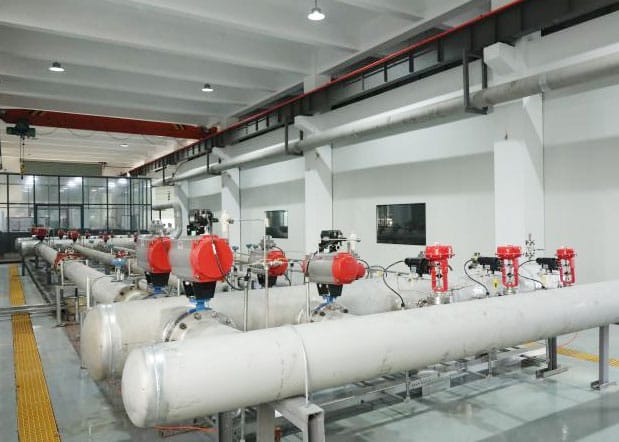
Successful control valves for water treatment are matched to each unit process. They combine installed hydraulic performance, compatible materials, solids handling, correct fail action, environmental protection, and a functional test that reflects real plant sequences.
For a project review, provide Phileda with the unit-process description, flows, pressures, temperatures, water chemistry, solids, cycling, fail state, utility conditions, and documentation requirements through the contact page.